Introduction
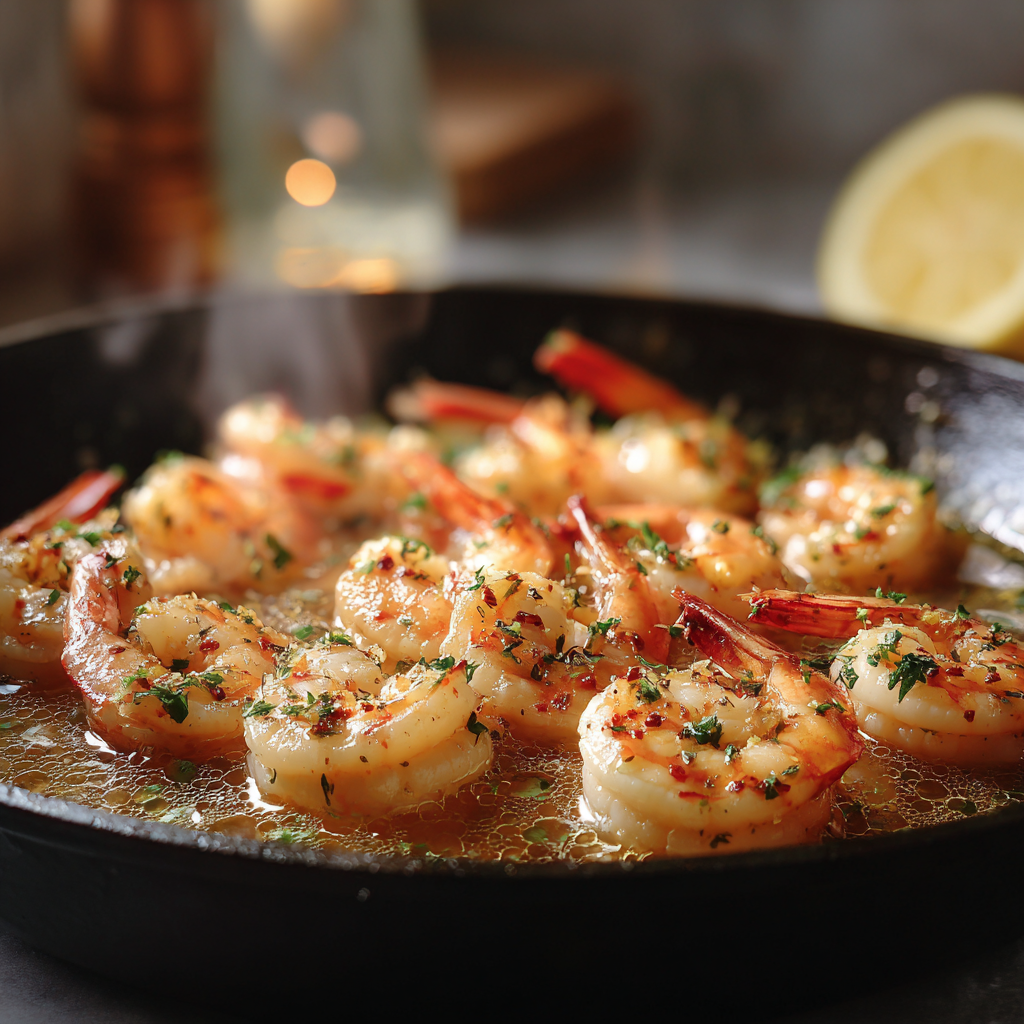
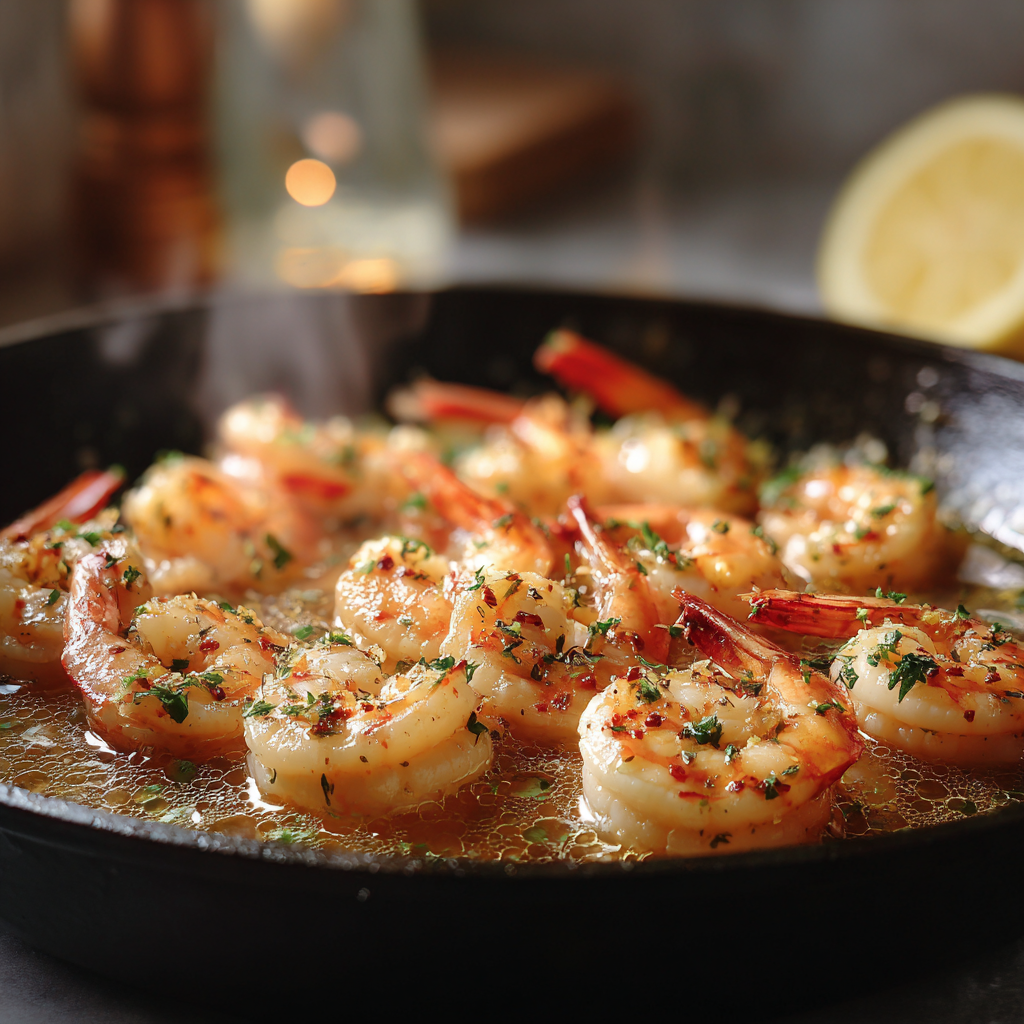
Shrimp scampi is a classic dish that embodies the essence of coastal Italian dining. Its combination of succulent shrimp sautéed in garlic and white wine creates an aromatic experience that is both luxurious and comforting.
This dish is not only quick to prepare but also impressively elegant, making it perfect for a weeknight dinner or a special occasion. With a few quality ingredients and some culinary techniques, you can recreate a restaurant-style meal right in your own kitchen.
Ingredients
- 1 lb large shrimp, peeled and deveined
Choosing large shrimp ensures a satisfying bite and allows them to absorb the flavors of the sauce beautifully. Fresh shrimp is best, but frozen can work if thawed properly. - 4 tablespoons unsalted butter
Butter adds richness and creates a luscious sauce that coats the shrimp and pasta, enhancing the overall flavor profile of the dish. - 3 tablespoons olive oil
Olive oil contributes to the dish's Mediterranean appeal and helps prevent the butter from burning, providing a balanced fat for cooking. - 4 cloves garlic, minced
Garlic is the aromatic backbone of this recipe, infusing the dish with its robust flavor. The garlic's sweetness intensifies as it cooks. - 1/2 teaspoon red pepper flakes
Red pepper flakes add a gentle heat, complementing the shrimp without overwhelming the palate. This element of spice can be adjusted to taste. - 1/2 cup dry white wine
Wine not only deglazes the pan, lifting off the fond for deeper flavor, but it also enriches the sauce, bringing all the ingredients together harmoniously. - Juice of 1 lemon
The acidity of lemon juice brightens the dish, balancing the richness of the butter and oil, and enhancing the natural sweetness of the shrimp. - Zest of 1 lemon
Lemon zest adds aromatic oils to the dish, intensifying the citrus flavor without the added acidity of the juice. - Salt and freshly ground black pepper, to taste
Seasoning is crucial in any dish. Salt enhances flavors while pepper adds depth. Adjust these based on your preference. - 1/4 cup fresh parsley, chopped
Fresh parsley adds a pop of color and freshness, rounding out the flavors and providing a visual appeal to the finished dish. - 8 oz linguine or spaghetti
The pasta serves as the perfect vehicle for the sauce, absorbing its flavors. Linguine’s flat shape provides a delightful texture against the shrimp.
Directions & Preparation
Step 1: Cook the pasta according to package instructions until al dente. Drain and set aside, reserving 1 cup of pasta water.
Cooking the pasta al dente ensures it remains firm and adds texture to the dish. Reserve pasta water as it can be used to adjust the sauce's consistency later on.
Step 2: In a large skillet, heat the olive oil and 2 tablespoons of butter over medium-high heat until melted and bubbly.
Heating the oil and butter together prevents the butter from burning and allows for a rich base to form, which is critical for flavor development.
Step 3: Add the minced garlic and red pepper flakes, sauté for 30 seconds or until fragrant, being careful not to burn the garlic.
Garlic cooks quickly and can turn bitter if overcooked. Sautéing it until fragrant brings out its sweetness, setting a flavorful foundation for the shrimp.
Step 4: Add the shrimp to the skillet in a single layer. Cook for 2-3 minutes until they start turning pink, then flip them and cook for another 2 minutes.
Cooking the shrimp in a single layer ensures even cooking. They should turn a bright pink color, indicating they’re just cooked—overcooking can lead to a tough texture.
Step 5: Pour in the white wine and bring to a simmer, scraping up any brown bits from the bottom of the skillet.
Deglazing the pan with wine captures the depth of flavor created during cooking, creating a more complex sauce that elevates the dish.
Step 6: Stir in the remaining butter, lemon juice, and lemon zest. Cook for an additional minute to combine the flavors.
Adding butter at this stage enriches the sauce, while lemon juice and zest introduce brightness, enhancing the overall flavor balance.
Step 7: Add the cooked pasta to the skillet and toss to combine, adding reserved pasta water as necessary to achieve your desired sauce consistency.
Tossing the pasta in the sauce ensures that every strand is coated. The reserved pasta water acts as a binding agent, helping the sauce adhere to the pasta.
Step 8: Season with salt and freshly ground black pepper to taste, then remove from heat and stir in chopped parsley.
Tasting and adjusting the seasoning is key for achieving the perfect flavor profile. Parsley adds a fresh finish and color at the end, enhancing visual appeal.
Step 9: Serve immediately with extra lemon wedges and a sprinkle of parsley if desired.
Serving shrimp scampi while it’s hot showcases the dish’s freshness. Additional lemon wedges allow for personal preference in acidity, enhancing the dining experience.

Enhancing the Garlic Flavor
Garlic is paramount in shrimp scampi, and its preparation can intensify the taste. For a deeper flavor, consider roasting the garlic before adding it to the pan. Roasting mellows its sharpness while enhancing its natural sweetness, resulting in a more complex garlic profile in your dish.
Choosing the Right White Wine
When selecting a white wine for your shrimp scampi, opt for something dry like Sauvignon Blanc or Pinot Grigio. Avoid overly sweet varieties, as they can alter the dish's intended flavor balance. The quality of the wine will directly impact the sauce, so choose one you enjoy drinking.
Adding Vegetables for Color and Nutrition
Consider adding vegetables like cherry tomatoes, spinach, or asparagus for a colorful and nutritious addition to your shrimp scampi. These additions not only enhance the visual appeal but can also provide a new layer of flavor and texture, making the dish more wholesome.
FAQs
What if my sauce turns out too thick?
If the sauce is too thick, simply add a splash of reserved pasta water, stirring continuously until it reaches your desired consistency.
How can I prevent the shrimp from becoming rubbery?
To avoid rubbery shrimp, do not overcook them. They should be pink and just opaque when done; remove them from the heat as soon as they reach this stage.
Can I use another type of pasta besides linguine?
Yes, you can substitute linguine with any pasta shape you prefer, such as spaghetti or fettuccine, adjusting cooking times accordingly.
What should I do if my dish comes out bland?
If the dish lacks flavor, increase the seasoning by adding more salt, pepper, or lemon juice to brighten it up.
Is it possible to adjust the spice level in this recipe?
Absolutely! You can reduce or omit the red pepper flakes for less heat, or add more to suit your taste.
How do I ensure even cooking for the shrimp?
Cook the shrimp in a single layer and refrain from overcrowding the pan, allowing each shrimp to cook evenly without steaming.
Conclusion
With its rich flavors and simple preparation, shrimp scampi is a dish that can easily become a household favorite. The blend of garlic, lemon, and shrimp makes for an irresistible combination that elevates any dinner.
As you gain confidence in making shrimp scampi, feel free to experiment with ingredients and techniques to make it your own. Whether it’s a cozy family dinner or a dinner party, this delightful pasta dish is sure to impress.
Recipe Card
Classic Shrimp Scampi Perfected for Home Cooks
Ingredients
Method
- Cook the pasta according to package instructions until al dente. Drain and set aside, reserving 1 cup of pasta water.
- In a large skillet, heat the olive oil and 2 tablespoons of butter over medium-high heat until melted and bubbly.
- Add the minced garlic and red pepper flakes, sauté for 30 seconds or until fragrant, being careful not to burn the garlic.
- Add the shrimp to the skillet in a single layer. Cook for 2-3 minutes until they start turning pink, then flip them and cook for another 2 minutes.
- Pour in the white wine and bring to a simmer, scraping up any brown bits from the bottom of the skillet.
- Stir in the remaining butter, lemon juice, and lemon zest. Cook for an additional minute to combine the flavors.
- Add the cooked pasta to the skillet and toss to combine, adding reserved pasta water as necessary to achieve your desired sauce consistency.
- Season with salt and freshly ground black pepper to taste, then remove from heat and stir in chopped parsley.
- Serve immediately with extra lemon wedges and a sprinkle of parsley if desired.
Notes
Additional serving suggestions: pair with a crisp salad, garlic bread, or roasted seasonal vegetables for balance.
For make-ahead, prep components separately and assemble just before heating to preserve texture.
Taste and adjust with acid (lemon/vinegar) and salt right at the end to wake up flavors.