Introduction
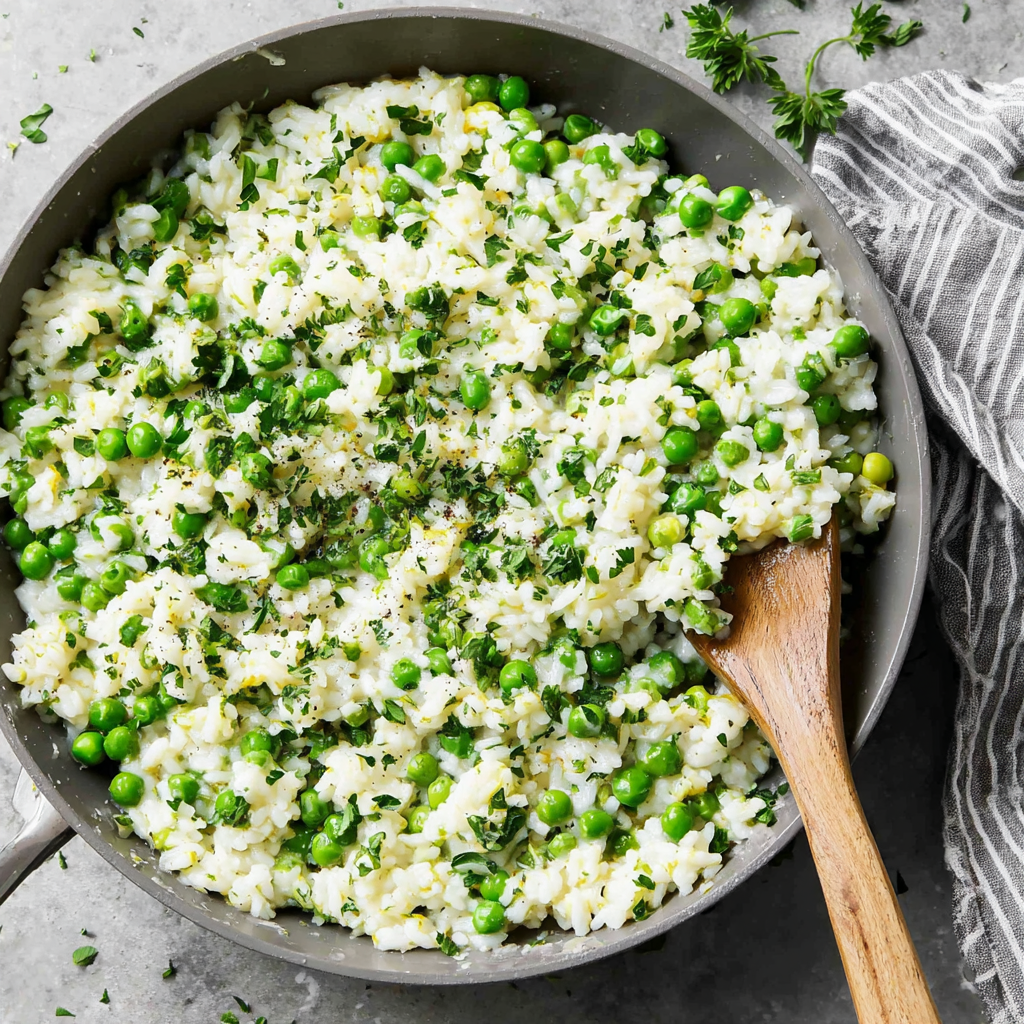
Risi e Bisi, a beloved Venetian dish, marries the comforting textures of rice and peas, creating a satisfying meal that embodies the simplicity of Italian cuisine. The name itself translates to 'rice and peas,' but this dish is so much more than just its ingredients—it's a tradition steeped in history, often associated with special occasions.
The balance of creamy risotto-like rice with fresh, tender peas showcases seasonal produce at its finest. Rooted in humble beginnings, Risi e Bisi has evolved into a symbol of sophistication within Italian gastronomy, inviting home cooks to replicate its rustic charm in their kitchens.
Ingredients
- 2 cups Arborio rice
Arborio rice is essential for creating that creamy texture due to its high starch content. This short-grain rice absorbs liquid well while releasing starch, giving the dish its characteristic richness. - 4 cups vegetable or chicken broth
Using good-quality broth adds depth and flavor to the dish. As the rice cooks, it will absorb the broth, enriching every grain with savory notes that are crucial for a robust taste. - 2 cups fresh peas (or frozen)
Fresh peas bring a sweet, bright flavor to the dish. If fresh ones aren't available, frozen peas are a good alternative, retaining their sweetness and texture. - 1 medium onion, finely chopped
Onions provide a foundational flavor that enhances the overall taste. Sautéing them softens their sharpness and allows their natural sweetness to emerge. - 2 tablespoons olive oil
Olive oil not only adds a healthy fat component but also enriches the dish with a fruity aroma. It's used for sautéing the onions and helps in creating a flavorful base. - 1/2 cup grated Parmesan cheese
Parmesan adds a savory, umami flavor and a creamy texture that coats the rice beautifully. Freshly grated cheese melts better and integrates seamlessly compared to pre-grated options. - Salt and pepper to taste
Seasoning is crucial to ensure the flavors are balanced. Adjusting the salt and pepper at the end allows you to tailor the dish according to your personal preference. - Fresh basil or parsley for garnish
Herbs provide a fresh finish and color to the dish, elevating its presentation and adding a fragrant note that complements the sweetness of the peas.
Directions & Preparation
Step 1: Heat the broth in a saucepan and keep it warm over low heat.
Keeping the broth warm is essential as adding cold broth to the rice can disrupt the cooking process. By using warm broth, the rice maintains consistent cooking temperature, helping it to absorb flavors better.
Step 2: In a large pot, heat the olive oil over medium heat. Add the chopped onions and sauté until translucent, about 5 minutes.
Sautéing the onions draws out their natural sweetness and depth of flavor, forming a solid base for the dish. This step also allows the onions to soften, ensuring they blend well with the other ingredients.
Step 3: Stir in the Arborio rice and toast it for 2-3 minutes until the grains become slightly translucent.
Toasting the rice enhances its nutty flavor and helps seal in the grains, which is critical for achieving the perfect texture in the finished dish. This step also helps prevent the rice from becoming mushy.
Step 4: Add one cup of warm broth to the rice and stir until it's absorbed, then continue adding broth one cup at a time.
This gradual addition of broth is key to allowing the rice to release its starch, creating a creamy consistency. Stirring frequently encourages even cooking and helps prevent sticking.
Step 5: After about 15 minutes, stir in the peas and continue to cook until the rice is al dente and creamy, about 5-10 more minutes.
Incorporating the peas at this stage allows them to retain their freshness and bright color while still marrying their flavor with the rice. Cooking time varies, so taste testing is crucial for perfect texture.
Step 6: Once the rice is cooked, remove it from heat and stir in the grated Parmesan cheese, seasoning with salt and pepper to taste.
Adding the cheese off the heat prevents overcooking and facilitates a smoother incorporation into the dish. The cheese not only enhances flavor but contributes to a luscious, creamy finish.
Step 7: Let the dish sit for a couple of minutes and serve garnished with fresh herbs.
Allowing the dish to rest helps the flavors meld and allows the residual heat to perfect the texture. Garnishing with fresh herbs adds vibrant color and an aromatic lift that enhances the overall culinary experience.

The Harmony of Flavors in Risi e Bisi
Risi e Bisi’s charm lies in its harmonious blend of flavors and textures. The creamy, starchy rice meets the sweetness of fresh peas, creating a delightful culinary experience. This combination reflects the simplicity of Italian cooking, where quality ingredients shine through. Each bite delivers not just a taste but an appreciation for the rustic roots and seasonal bounty embedded within this classic dish.
A Dish for Any Occasion
Traditionally, Risi e Bisi is prepared during the Veneto's Easter celebrations, symbolizing spring and fertility. However, its versatile nature makes it suitable for any gathering—be it a family dinner or a relaxed weekend meal. With its comforting elements and vibrant flavors, it effortlessly adapts to informal get-togethers or special occasions alike, making it a timeless choice in any home cook's repertoire.
Tips for Personalizing Your Risi e Bisi
While Risi e Bisi has a classic preparation, it’s a canvas that invites culinary creativity. Add ingredients like crispy pancetta for a savory punch, or swap fresh peas for fava beans or asparagus to explore different flavors. Experimenting with herbs or a touch of lemon zest can also elevate the dish. Personalization allows each cook to imbue their own essence while respecting the dish's traditional roots.
FAQs
What should I do if my Risi e Bisi is too thick?
If your dish becomes too thick, gradually stir in a bit more warm broth until it reaches the desired consistency. This will help restore moisture without compromising flavor.
What if my Risi e Bisi lacks flavor?
Taste and adjust seasoning with salt, pepper, or even a bit more Parmesan. A splash of lemon juice can also brighten the flavors significantly.
Can I use brown rice instead of Arborio rice?
While substituting brown rice is possible, keep in mind it requires longer cooking time and may not achieve the same creamy consistency as Arborio.
How can I enhance the vegetarian profile of this dish?
Incorporate sautéed mushrooms or spinach for added nutrition and flavor. Also, consider using a vegetable broth that's rich in taste for depth.
Is it possible to make Risi e Bisi without cheese?
Yes, you can omit cheese for a dairy-free version. Consider using nutritional yeast as a substitute for a nutty, cheesy flavor.
What can I do if I overcook the rice?
If the rice is overcooked, try adding a splash of broth and stirring gently to introduce some moisture back into the dish. Serving it with a drizzle of olive oil can also help.
Conclusion
Risi e Bisi captures the essence of Italian home cooking with its rich flavors and simple preparation. This dish is a delightful reminder of the beauty that lies in seasonal ingredients and classic techniques. With a few thoughtful touches, home cooks can enjoy a taste of Venice any night of the week.
As you explore the nuances of Risi e Bisi, don’t hesitate to make it your own. Whether you stick with tradition or take creative liberties, the heart of this dish lies in the joy of cooking and sharing a meal that is both comforting and celebratory.
Recipe Card
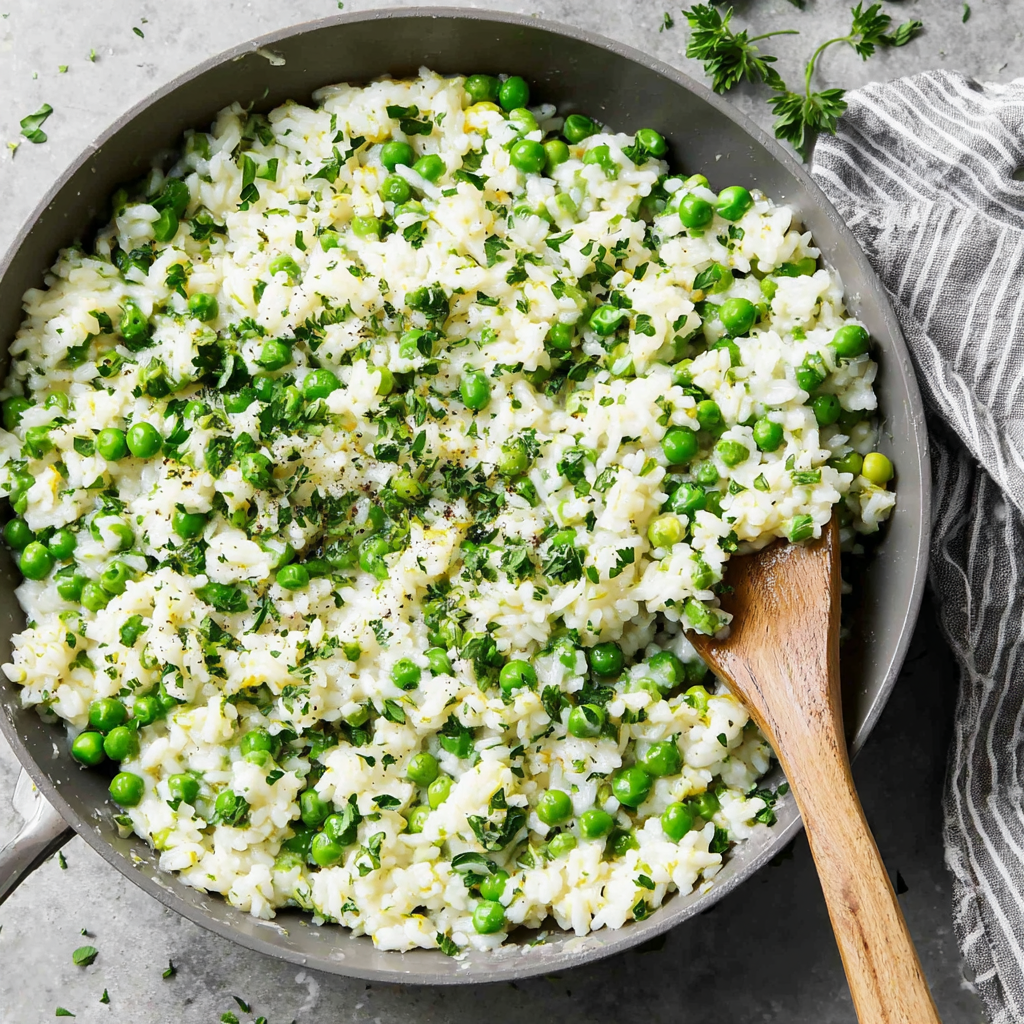
Risi e Bisi: A Classic Venetian Rice and Peas Dish
Ingredients
Method
- Heat the broth in a saucepan and keep it warm over low heat.
- In a large pot, heat the olive oil over medium heat. Add the chopped onions and sauté until translucent, about 5 minutes.
- Stir in the Arborio rice and toast it for 2-3 minutes until the grains become slightly translucent.
- Add one cup of warm broth to the rice and stir until it's absorbed, then continue adding broth one cup at a time.
- After about 15 minutes, stir in the peas and continue to cook until the rice is al dente and creamy, about 5-10 more minutes.
- Once the rice is cooked, remove it from heat and stir in the grated Parmesan cheese, seasoning with salt and pepper to taste.
- Let the dish sit for a couple of minutes and serve garnished with fresh herbs.
Notes
Additional serving suggestions: pair with a crisp salad, garlic bread, or roasted seasonal vegetables for balance.
For make-ahead, prep components separately and assemble just before heating to preserve texture.
Taste and adjust with acid (lemon/vinegar) and salt right at the end to wake up flavors.