Introduction
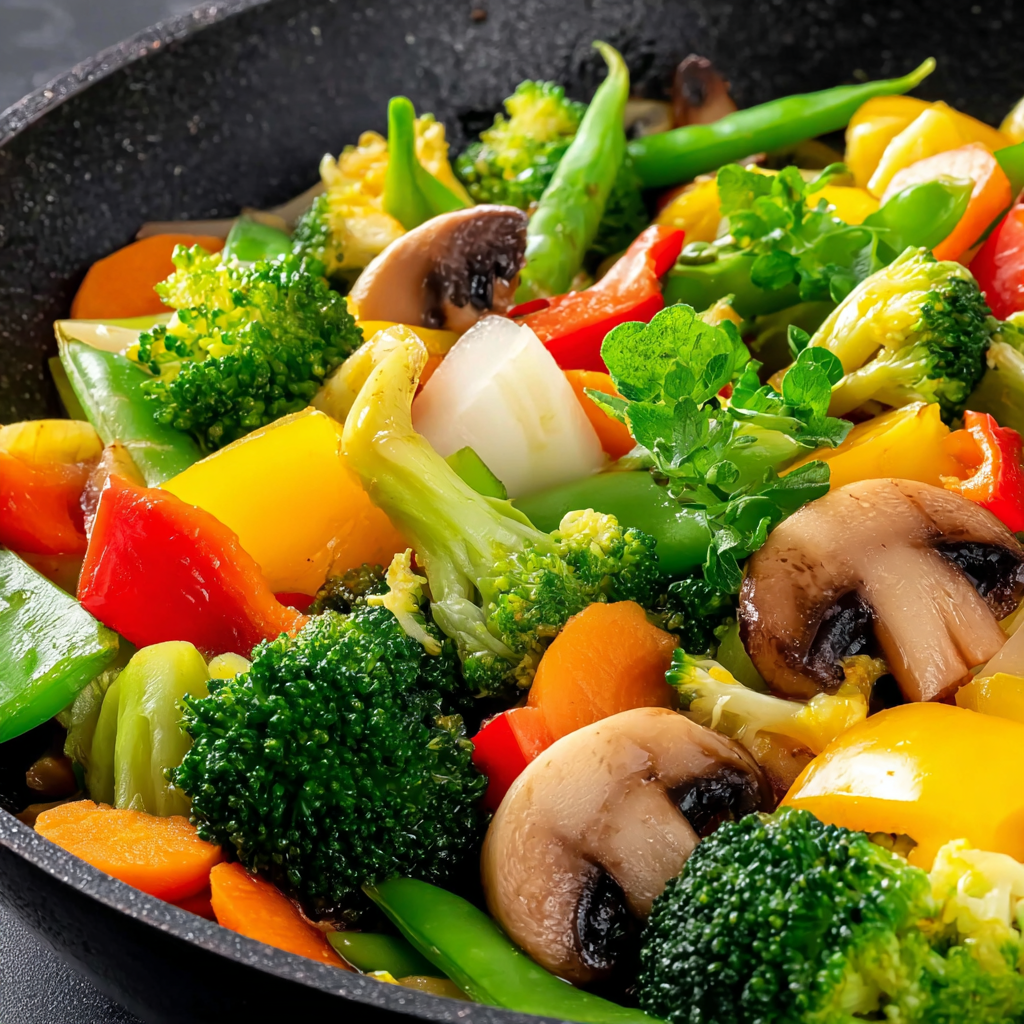
As spring flourishes, a bounty of vibrant vegetables comes into season, creating the perfect opportunity for a refreshing stir-fry. This dish not only highlights the colors and textures of seasonal produce but also delivers a healthy, delicious option for any meal. With its flexibility and ease of preparation, a spring vegetable stir-fry can become a staple recipe in your kitchen.
The beauty of this dish lies in its adaptability; you can use whatever fresh vegetables you have on hand, making it a great way to make the most of your local farmer's market. Whether served as a side or a main dish, a colorful stir-fry can invigorate your palate while nourishing your body. Let’s delve into the ingredients that bring this dish to life.
Ingredients
- 1 cup snap peas
Snap peas are sweet and crunchy, providing a delightful snap with every bite. Their crisp texture reinforces the overall freshness of the stir-fry while also being a great source of vitamins A and C. - 1 bell pepper, sliced
Bell peppers add both color and sweetness, enhancing the visual appeal of the dish. They are rich in antioxidants and add a satisfying crunch, contributing to a variety of textures. - 1 cup asparagus, cut into 1-inch pieces
The tender yet slightly firm texture of asparagus brings a unique flavor to the stir-fry. Its vibrant green color and high fiber content also boost the health benefits of the meal. - 1 cup baby bok choy, chopped
With its mild flavor and tender leaves, bok choy adds a lush green element to the stir-fry. It is low in calories yet high in nutrients, making it a smart addition to any dish. - 2 tablespoons sesame oil
Sesame oil is key in enhancing the stir-fry's flavor profile, providing a nutty aroma that elevates the overall dish. It also promotes a lovely golden hue when the vegetables are cooked. - 2 cloves garlic, minced
Garlic is a culinary staple that adds depth and warmth to the dish. Its fragrant aroma releases as it cooks, infusing the vegetables with a robust flavor that’s hard to resist. - 2 tablespoons soy sauce
Soy sauce introduces a savory umami flavor that complements the freshness of the vegetables. It also adds a touch of saltiness, helping to balance the sweetness from the bell pepper and snap peas. - 1 teaspoon grated ginger
Ginger adds a lively zing that brightens the vegetables. Its health properties, including anti-inflammatory effects, make it a beneficial ingredient to include in your stir-fry. - 1 cup cooked rice or quinoa
Using rice or quinoa as a base makes the dish filling and comforting. Both options are great for soaking up the flavors of the stir-fried vegetables and sauces, making each bite more enjoyable.
Directions & Preparation
Step 1: Prepare all the vegetables by washing and chopping them into uniform pieces.
Prepping your ingredients before starting the cooking process is crucial. This mise en place technique not only saves time but also ensures that everything cooks evenly. Remember to cut the vegetables into similar sizes to promote even cooking, which is particularly important in a stir-fry.
Step 2: Heat sesame oil in a large wok or frying pan over medium-high heat.
Heating the oil before adding any vegetables is essential to achieve a good stir-fry. The oil needs to be hot enough to create a sizzle when you add the vegetables, which helps in crisping them rather than steaming them, ensuring each piece retains its texture.
Step 3: Add minced garlic and grated ginger to the pan and sauté briefly.
Sautéing garlic and ginger creates a fragrant base for your stir-fry. Cook them just until fragrant, as overcooking can cause them to burn and impart a bitter flavor to the dish. This step also sets the stage for the flavors to infuse into the vegetables.
Step 4: Introduce the snap peas and bell peppers to the pan, cooking for about 2-3 minutes.
Starting with these vegetables allows them to retain their crispness. Stir your ingredients frequently to ensure they cook evenly. This is a great moment to appreciate the vibrant colors and aromas developing in your pan.
Step 5: Add the asparagus and cook for another 2 minutes.
Asparagus takes a little longer to cook than the previous vegetables. By adding it now, you ensure that it becomes tender yet still retains a slight crunch. Watch for bright green colors to signify that it is nearing perfection.
Step 6: Stir in the bok choy and cook until wilted, about 1-2 minutes.
Bok choy wilts very quickly, so it’s best to add it towards the end of the cooking. Its leaves should soften without losing their vibrant color. This step highlights the contrast between the tender leaves and the crunchier vegetables.
Step 7: Pour in the soy sauce and stir to coat the vegetables evenly.
Adding the soy sauce is essential for flavoring the dish. Make sure to coat all the vegetables, which will also help deglaze the pan. Use this moment to scrape any flavorful bits stuck to the bottom, enhancing the umami and richness of the stir-fry.
Step 8: Serve the stir-fry over cooked rice or quinoa, garnished with sesame seeds if desired.
Presenting the stir-fry over a grain provides a satisfying base while allowing you to soak up the delicious flavors of your dish. Topping with sesame seeds not only adds visual appeal but also a pleasant crunch.

Embrace Seasonal Variations in Your Stir-Fry
One of the joys of cooking with spring vegetables is the ability to incorporate what’s in season. Feel free to swap in seasonal favorites such as zucchini or bright, yellow squash for a unique twist. As the seasons change, adjust your vegetable selections accordingly; this versatility keeps your stir-fry fresh and exciting throughout the year, inviting new flavors to your table.
Enhancing Flavor with Texture
Texture plays a crucial role in any stir-fry. To elevate your spring vegetable dish, consider adding nuts like cashews or peanuts for delightful crunch. This addition not only enhances the flavor but also increases protein content, making the meal more balanced and satisfying, inviting a symphony of mouthfeel to each bite.
A Nutrient-Packed Powerhouse
Spring vegetables are not only packed with flavor but also rich in nutrients. Incorporating a variety of colors ensures a diverse range of vitamins and minerals, supporting your overall health. With this spring vegetable stir-fry, you're not just enjoying a delicious meal; you're actively nourishing your body and providing it with the nutrients needed to thrive, making every bite a step towards better health.
FAQs
What if my stir-fry becomes too mushy?
If the vegetables in your stir-fry become mushy, it often means they were cooked at too low a heat or for too long. High heat and quick cooking are key to maintaining the crisp texture of the vegetables.
Can I replace the soy sauce with another type of seasoning?
Absolutely! Coconut aminos or tamari can be great substitutes for soy sauce, providing a similar umami flavor without the added soy if that’s a preference.
What vegetables should I avoid using in this stir-fry?
It's best to avoid starchy vegetables like potatoes or broccoli in this particular stir-fry due to their longer cooking times. Instead, stick with quick-cooking vegetables to maintain balance and texture.
How do I prevent my stir-fry from becoming too salty?
Balance your seasoning with the right amount of soy sauce. If it becomes too salty, consider adding a splash of vinegar or citrus juice to cut through the salt and elevate the overall flavor.
What proteins can I add to this stir-fry?
This stir-fry can be enhanced with proteins like tofu, chicken, or shrimp. Simply cook your protein of choice separately and incorporate it during the last few minutes of cooking for seamless integration.
How can I make my vegetable stir-fry more visually appealing?
Experiment with vibrant vegetables and carefully arrange them when plating. Consider drizzling a bit of sauce decoratively or adding fresh herbs for a pop of color and freshness.
Conclusion
A spring vegetable stir-fry is more than just a dish; it’s a celebration of the seasonal bounty that nature offers. With each colorful ingredient, you can create a vibrant plate that’s both satisfying and nourishing. Whether you enjoy it as a family meal or a quick dinner for one, this recipe encourages creativity and exploration in your cooking.
So, embrace the flavors of spring and let this stir-fry inspire you to experiment with other seasonal ingredients. Keep the cooking process light and fun, and soon you’ll find this recipe becoming a cherished favorite in your culinary repertoire.
Recipe Card
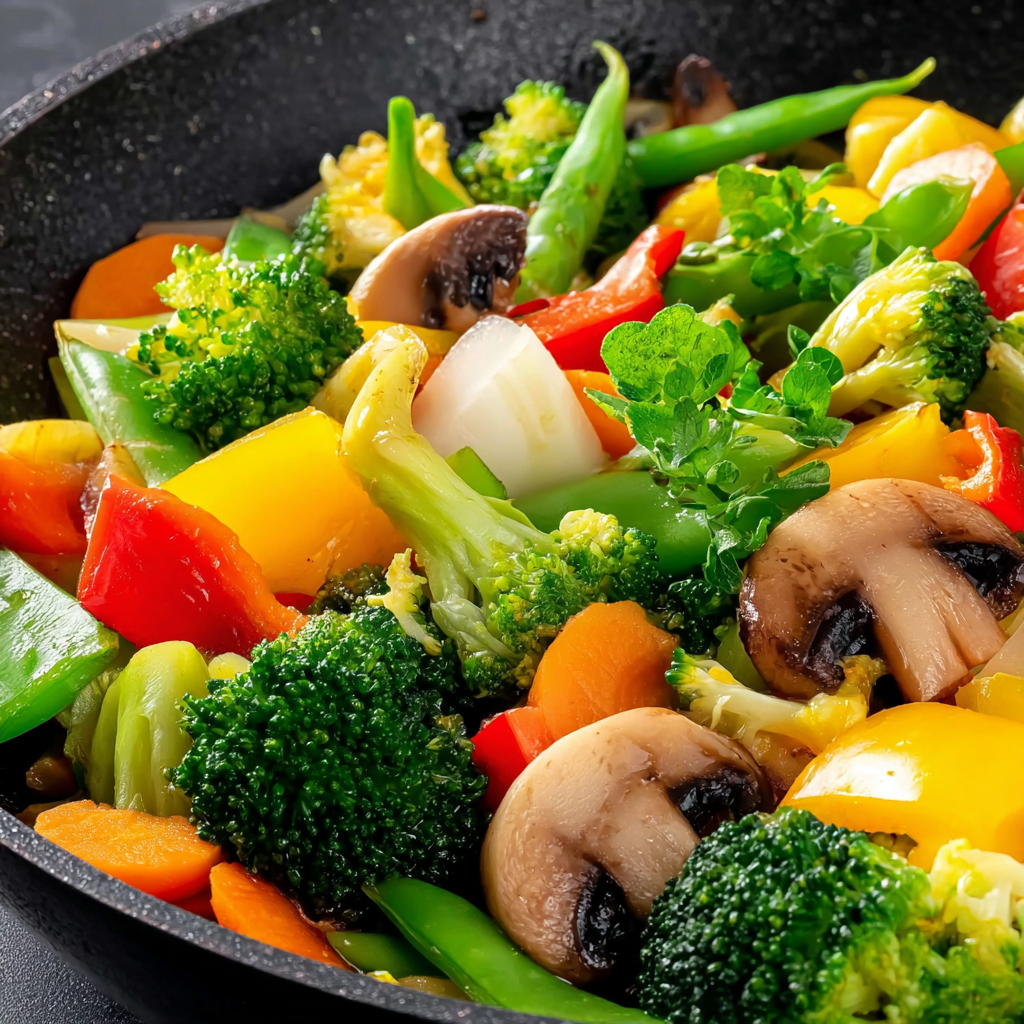
Celebrate Spring with a Vibrant Vegetable Stir Fry
Ingredients
Method
- Prepare all the vegetables by washing and chopping them into uniform pieces.
- Heat sesame oil in a large wok or frying pan over medium-high heat.
- Add minced garlic and grated ginger to the pan and sauté briefly.
- Introduce the snap peas and bell peppers to the pan, cooking for about 2-3 minutes.
- Add the asparagus and cook for another 2 minutes.
- Stir in the bok choy and cook until wilted, about 1-2 minutes.
- Pour in the soy sauce and stir to coat the vegetables evenly.
- Serve the stir-fry over cooked rice or quinoa, garnished with sesame seeds if desired.
Notes
Additional serving suggestions: pair with a crisp salad, garlic bread, or roasted seasonal vegetables for balance.
For make-ahead, prep components separately and assemble just before heating to preserve texture.
Taste and adjust with acid (lemon/vinegar) and salt right at the end to wake up flavors.