Introduction
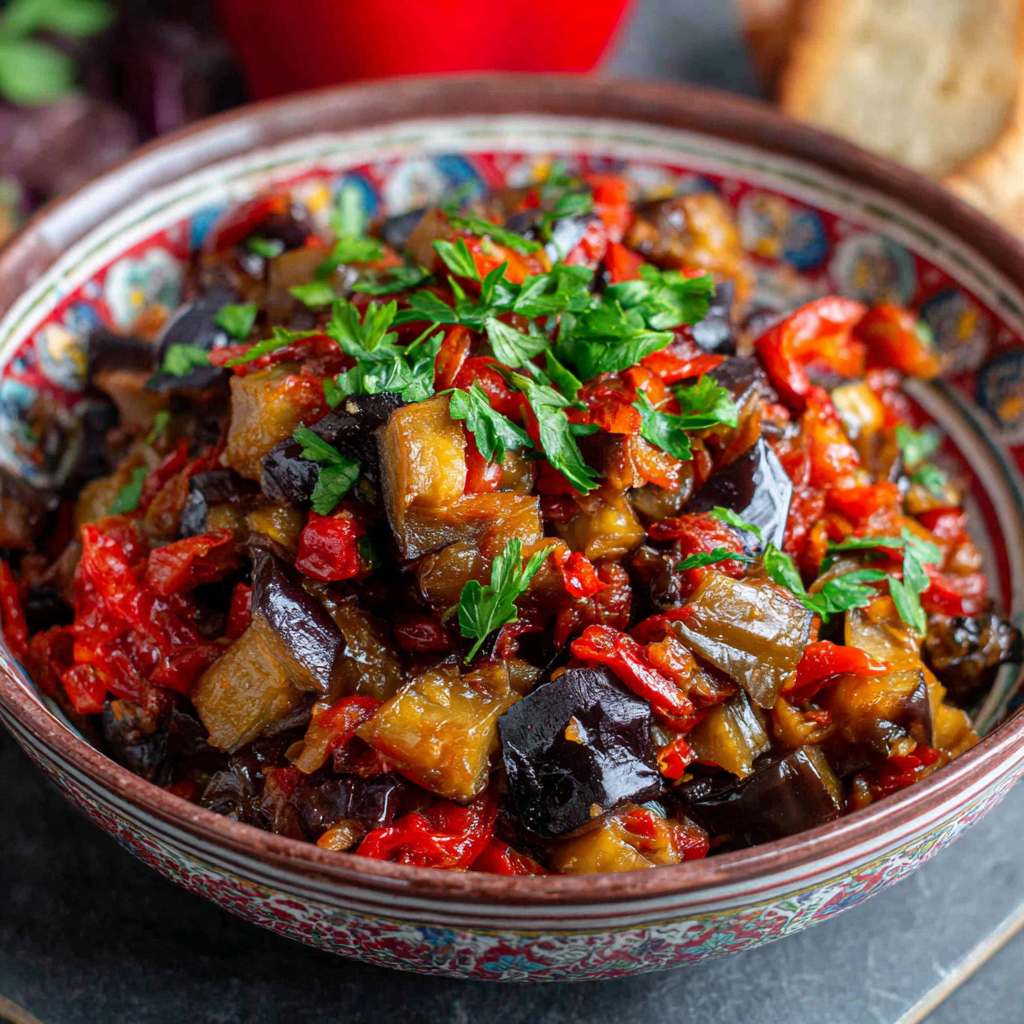
Caponata, a vibrant Sicilian dish, beautifully combines eggplant with a medley of vegetables, tomatoes, and a hint of sweetness. Its versatility as a side, spread, or main course makes it a beloved choice for gatherings and intimate family dinners alike.
This dish embodies the essence of Mediterranean cooking, celebrating local ingredients and simple methods that yield rich flavors. With layers of taste from sautéed garlic, tangy vinegar, and a touch of capers, caponata is both comforting and complex.
Whether served warm or chilled, caponata showcases the art of balancing sweet and sour, making it a splendid companion to crusty bread, grilled meats, or as part of an antipasto platter. Let’s explore how to bring this delightful dish to your kitchen.
Ingredients
- 2 medium eggplants, diced
Eggplant serves as the base of caponata, contributing moisture and a creamy texture. When cooked, it absorbs the surrounding flavors, making each bite a taste sensation. - 1 large onion, chopped
Onions add a fundamental sweetness and aromatic base to the dish. As they sauté, they become caramelized, intensifying the overall depth of flavor. - 3 celery stalks, chopped
Celery provides a crunchy contrast to the soft vegetables and adds a fresh, herbal note that balances the overall flavors of the caponata. - 3 cloves garlic, minced
Garlic enhances the aroma and adds a savory punch. It browns quickly and transforms during cooking, lending the dish its characteristic richness. - 4 ripe tomatoes, chopped
Tomatoes contribute juiciness and acidity, complementing the richness of the eggplants while also providing a fresh, summery note. - 1/2 cup green olives, pitted and sliced
Green olives introduce a salty bite, adding depth and umami to the mix while enhancing the dish's Mediterranean flair. - 2 tablespoons capers, rinsed
Capers add a tangy, briny flavor that perfectly complements the sweetness of the sautéed vegetables, creating a delightful balance. - 1/4 cup red wine vinegar
The vinegar brings a necessary acidity that brightens the dish, cutting through the richness of the eggplant and contributing to the sweet and sour profile. - 1 tablespoon sugar
Sugar is used to balance the acidity from the vinegar and tomatoes. It enhances the natural sweetness of the vegetables while maintaining harmony in the dish. - Salt and pepper to taste
These staples adjust the overall flavor, allowing the dish to shine. Proper seasoning ensures that the complex flavors of caponata are fully realized. - 1/4 cup fresh basil, chopped
Basil adds a fragrant, herbal note to the dish just before serving. Its freshness reinvigorates the flavors and offers a beautiful color contrast.
Directions & Preparation
Step 1: Prepare the eggplants by salt and draining them.
Start by salting the diced eggplants and letting them sit in a colander for about 30 minutes. This process draws out excess moisture and bitterness. Rinse and pat them dry before cooking. This step is crucial to achieving a pleasant texture and taste.
Step 2: Sauté onions and garlic in olive oil.
In a large skillet, heat a generous amount of olive oil over medium heat. Add the chopped onion and minced garlic, cooking until the onion turns translucent and fragrant. This initial step builds the flavor foundation for your caponata, making it aromatic.
Step 3: Add celery and cook until soft.
Once the onions are ready, stir in the chopped celery. Sauté for about 5-7 minutes until soft. Cooking the celery allows its natural sweetness to be released, contributing to the balanced flavor profile of the caponata.
Step 4: Incorporate the eggplant and sauté.
Add the drained eggplant to the skillet, stirring to coat with the onion mixture. Cook until the eggplant is tender and lightly browned, about 10-15 minutes. This step is vital for developing rich flavors and achieving the right texture.
Step 5: Add tomatoes, olives, and capers.
Stir in the chopped tomatoes, green olives, and capers. This medley will start to cook down, creating the sauce for your caponata. Allow it to simmer for about 15 minutes, letting the flavors meld and deepen.
Step 6: Season with vinegar and sugar.
Once the mixture has thickened slightly, stir in the red wine vinegar and sugar. This balances acidity and sweetness while enhancing overall flavor. Taste and adjust the seasonings, ensuring a delightful equilibrium in flavors.
Step 7: Finishing touches with basil and adjust seasoning.
Just before serving, mix in the chopped basil, stirring to combine. This brightens the dish and adds a fresh element. Taste again and adjust with salt and pepper if needed, emphasizing its robust flavor.
Step 8: Let rest before serving.
Allow the caponata to cool slightly before serving. Like many Italian dishes, it benefits from a bit of resting time as the flavors continue to develop. Consider serving it warm, at room temperature, or chilled as preferred.

A Symphony of Sweet and Sour
Caponata is celebrated for its captivating interplay of flavors, combining the sweetness of cooked vegetables with the tang of vinegar and the brininess of capers. This balance creates a dish that excites the palate, making each bite unique. The addition of sugar further enhances the sweetness, ensuring a nuanced flavor profile that can elevate any meal.
Versatile Use in Culinary Applications
This dish is not limited to being a standalone meal; it can accompany various foods. Serve caponata as a dip with crunchy bread, a side alongside grilled meats, or even as a flavorful filling in sandwiches. Its versatility is one of its many charms, making it a staple in summer gatherings and family feasts alike.
Storage and Flavor Development
Caponata can be made ahead of time, and it tends to taste even better after a day in the fridge. As the flavors meld and intensify over time, a properly stored caponata can be a showcase of leftovers at your next meal. Its adaptability ensures that it caters to different tastes, making it a go-to recipe for any home cook.
FAQs
What should I do if my caponata turns out too thick?
If your caponata is too thick, you can add a splash of water or vegetable broth to loosen it. Stir thoroughly and heat gently until it reaches your desired consistency.
How can I make caponata less acidic if it's too tangy?
If your caponata tastes too acidic, balance it out by adding a little more sugar or honey. Start with small amounts and adjust to taste, as sweetness can tone down the acidity effectively.
Can I substitute zucchini for eggplant?
Yes, you can substitute zucchini for eggplant, though the texture will differ slightly. Take care to adjust cooking times, as zucchini cooks faster than eggplant and may become mushy if overcooked.
What if I don’t have green olives?
If green olives aren’t available, you can use black olives for a different flavor. Just note that black olives may impart a sweeter and less briny element to the dish.
How do I know when the vegetables are properly cooked?
Vegetables should be tender but still hold their shape. The onion should be translucent, the celery soft, and the eggplant cooked through but not mushy—allowing each vegetable to contribute distinct textures.
How can I add more flavor to a bland caponata?
If your caponata tastes bland, try enhancing it with more salt, pepper, or additional vinegar. You may also introduce herbs like oregano or even a pinch of chili flakes for extra depth and character.
Conclusion
Caponata is more than just a dish; it is a celebration of the Mediterranean’s culinary legacy. By harnessing the rich flavors of basic ingredients, it encourages creativity and experimentation in the kitchen.
With its unique balance of sweetness, acidity, and umami, caponata is sure to be a crowd-pleaser. It invites you to savor the moment and share it with loved ones, making every meal a cherished experience.
Recipe Card
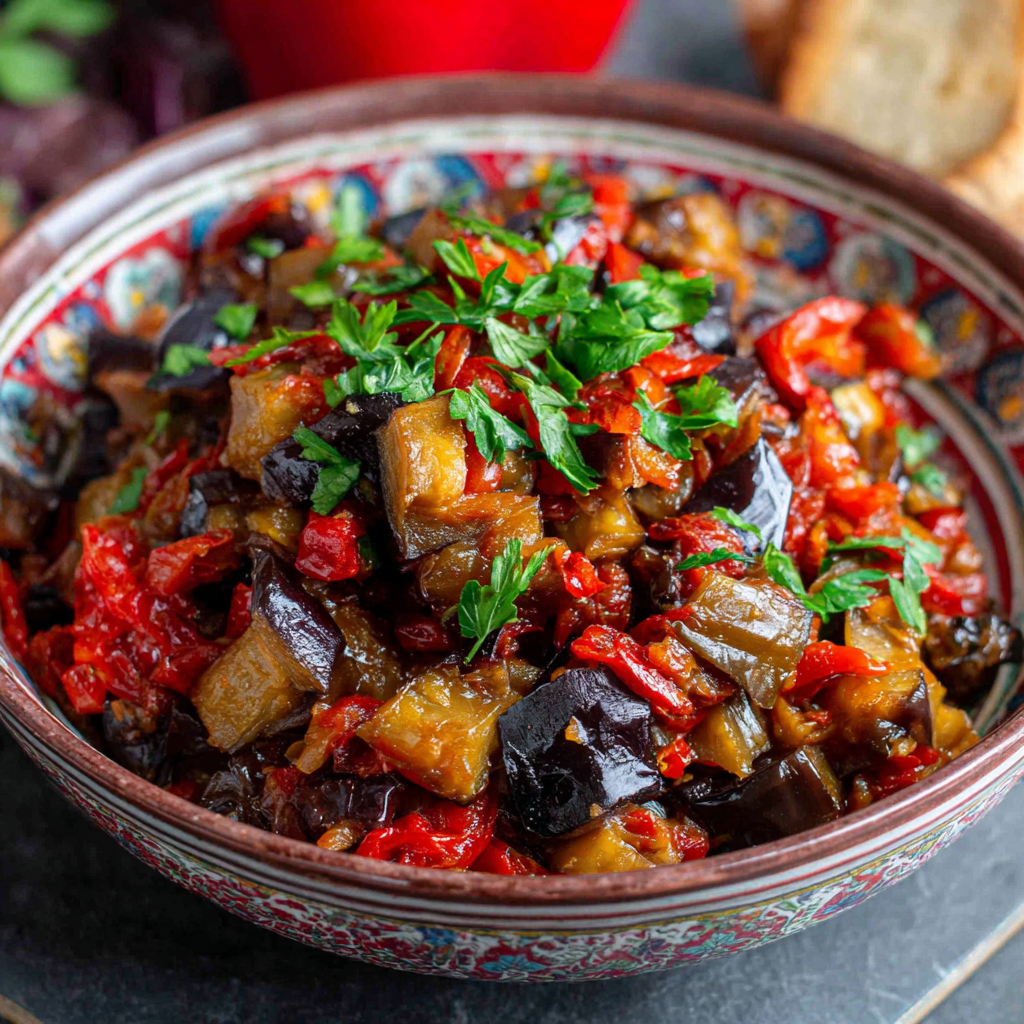
Rich Flavors and Textures of Caponata
Ingredients
Method
- Prepare the eggplants by salt and draining them.
- Sauté onions and garlic in olive oil.
- Add celery and cook until soft.
- Incorporate the eggplant and sauté.
- Add tomatoes, olives, and capers.
- Season with vinegar and sugar.
- Finishing touches with basil and adjust seasoning.
- Let rest before serving.
Notes
Additional serving suggestions: pair with a crisp salad, garlic bread, or roasted seasonal vegetables for balance.
For make-ahead, prep components separately and assemble just before heating to preserve texture.
Taste and adjust with acid (lemon/vinegar) and salt right at the end to wake up flavors.