Introduction
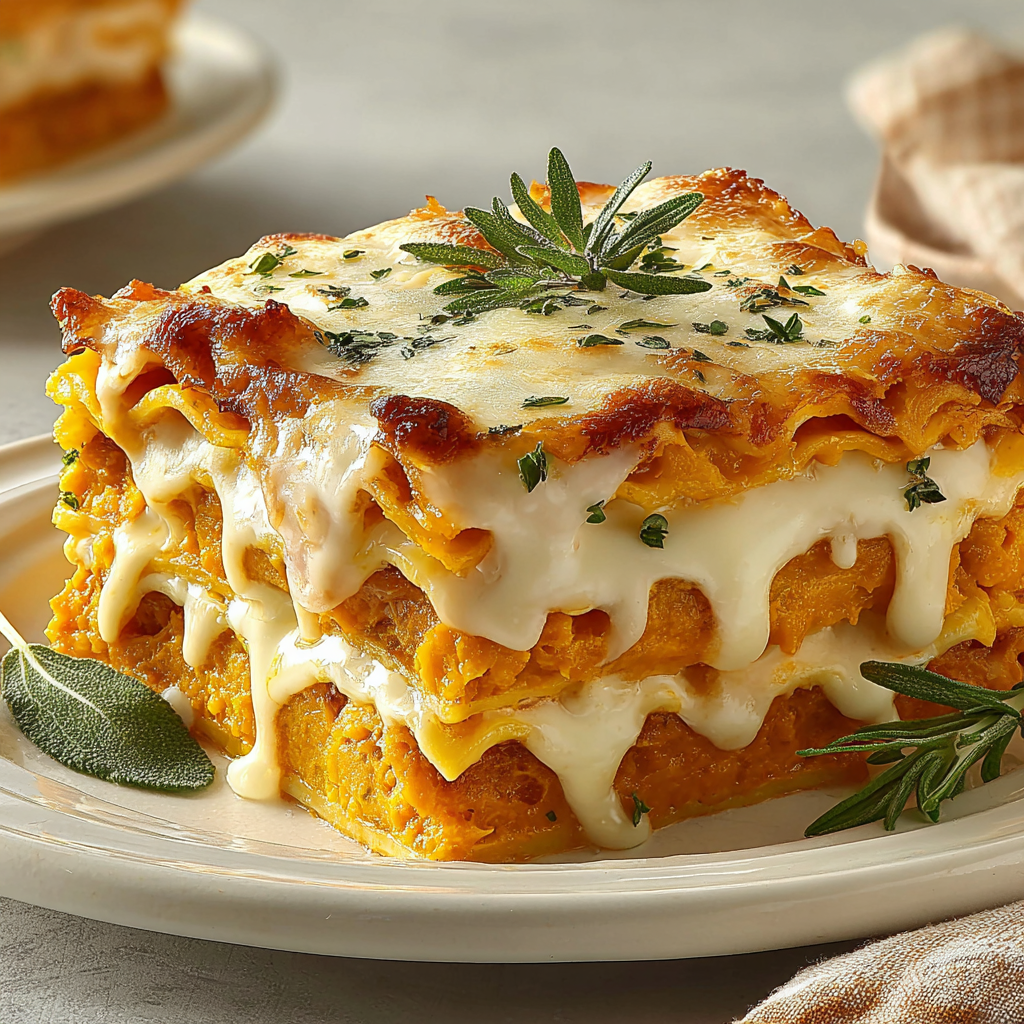
Butternut squash lasagna is a delightful twist on a classic Italian dish, perfect for those looking to embrace the flavors of autumn. With its creamy layers and slightly sweet notes, this lasagna offers both comfort and nutrition, making it an excellent choice for family dinners or special occasions.
The vibrant color and texture of butternut squash not only enhance the visual appeal but also introduce a variety of nutrients. Combined with creamy cheeses and tender noodles, this dish promises to satisfy both the palate and the body's needs.
Ingredients
- 2 cups butternut squash puree
This brings a rich, sweet flavor and a creamy texture to the lasagna, providing essential vitamins like A and C. - 9 lasagna noodles
These serve as the base of your dish, creating the structure needed to hold the layers together. Opt for oven-ready noodles to simplify the preparation. - 2 cups ricotta cheese
Ricotta adds creaminess and protein, making the dish hearty while balancing the sweetness of the squash. - 2 cups shredded mozzarella cheese
Mozzarella provides that beloved gooey texture and a mild flavor that complements the other ingredients. - 1 cup grated Parmesan cheese
Parmesan enhances the dish with a salty, nutty taste, contributing to the overall depth of flavor. - 1 egg
The egg helps bind the ricotta cheese and adds richness, ensuring the filling maintains its structure during baking. - 2 cloves garlic, minced
Garlic infuses the dish with a fragrant aroma and a savory kick, balancing the flavors of the sweet squash. - 1 teaspoon dried thyme
Thyme introduces an earthy note, complementing the sweetness of the squash and enhancing overall flavor. - Salt and pepper, to taste
Essential seasoning that brings out the natural flavors of the ingredients and ties the dish together.
Directions & Preparation
Step 1: Preheat the oven to 375°F (190°C).
Preheating ensures your lasagna cooks evenly from the start, allowing the cheese to melt perfectly and the flavors to meld as the dish bakes.
Step 2: In a bowl, mix ricotta cheese, egg, garlic, and half of the Parmesan cheese. Season with salt, pepper, and thyme.
This mixture will provide the creamy filling that complements the butternut squash. The egg acts as a binder, ensuring the filling holds together when baked.
Step 3: Spread 1/3 of the butternut squash puree on the bottom of a baking dish.
This layer prevents the noodles from sticking and adds moisture to the dish, creating a flavorful base for the lasagna.
Step 4: Layer 3 lasagna noodles over the puree, followed by half of the ricotta mixture.
Starting with the noodles creates a structure for your layers. The ricotta mixture adds creaminess and flavor right after the first layer.
Step 5: On top of the ricotta, add another third of the butternut squash puree and a third of the mozzarella cheese.
The squash provides moisture while the mozzarella introduces a stretchiness that enhances the dish's texture. This layering creates a balanced flavor profile.
Step 6: Repeat the layering process with another 3 noodles, the remaining ricotta mixture, another third of the squash puree, and more mozzarella.
Repeating the layers ensures that every bite offers a delicious combo of flavors. The construction of layers is crucial for the lasagna to cook evenly.
Step 7: Top with the final 3 noodles, the remaining squash puree, mozzarella, and the rest of the Parmesan cheese.
The final layer creates a beautiful topping that will brown and bubble, adding an appealing texture and flavor.
Step 8: Cover the dish with aluminum foil and bake for 30 minutes, then remove foil and bake for another 15-20 minutes until bubbly.
Covering the dish retains moisture during the initial phase, while uncovering towards the end allows the top to brown attractively, creating a delicious crust.
Step 9: Let the lasagna rest for 10-15 minutes before serving.
Resting allows the layers to set, making slicing easier and ensuring that the flavors have melded together nicely.

Embracing Seasonal Flavors
Utilizing butternut squash in lasagna not only takes advantage of autumn's bounty but also enriches the dish with natural sweetness and a vibrant hue. The squash can be roasted or steamed before pureeing, enhancing its flavor profile even further. Moreover, its nutritional benefits, including fiber and vitamins, make this dish a wholesome choice for any meal.
Layering Techniques for Success
When assembling your lasagna, consider the order and distribution of ingredients for optimal flavor and texture. Using a mix of cheeses, along with strategic placement of the butternut squash, creates a harmonious layering that prevents any one flavor from overpowering the others. Each layer should be spread evenly, allowing every bite to encapsulate the essence of the dish.
Pairing and Serving Suggestions
While butternut squash lasagna shines on its own, it can be beautifully complemented by a simple side salad or garlic bread. Lightly dressed greens enhance the meal's freshness, while toasted bread can provide a satisfying crunch. Consider serving with a crisp, white wine that will highlight the richness of the cheese and the sweetness of the squash.
FAQs
What if my squash puree is too thick?
If your puree is too thick, simply add a splash of vegetable broth or water to loosen it. Blend until reaching a creamy but spreadable consistency.
What can I do if the lasagna tastes bland?
If you find your lasagna lacking in flavor, consider enhancing the seasoning in your ricotta mixture or adding more herbs like basil or oregano to the squash puree.
Can I use fresh butternut squash instead?
Yes, using fresh butternut squash will enhance the flavor. Simply roast or steam it until tender before pureeing, making sure to adjust seasoning.
Is it okay to use a different type of cheese?
Definitely! If you prefer, you can substitute cottage cheese for ricotta or try different melty cheeses like Gouda for a unique flavor twist.
How can I prevent the noodles from sticking together?
Ensure to layer the noodles with enough sauce between them and consider using oven-ready noodles that don't require boiling.
What do I do if the top gets too dark before it's fully cooked?
If the top is browning too quickly and the lasagna isn't cooked through, you can cover it loosely with foil until it finishes cooking.
Conclusion
Butternut squash lasagna is a wonderful and delicious way to enjoy seasonal produce while indulging in comfort food. With its layers of flavor and inviting aroma, this dish is sure to become a family favorite.
Whether served during a festive gathering or a cozy night in, each slice is a testament to the beauty of combining simplicity with culinary creativity.
Recipe Card
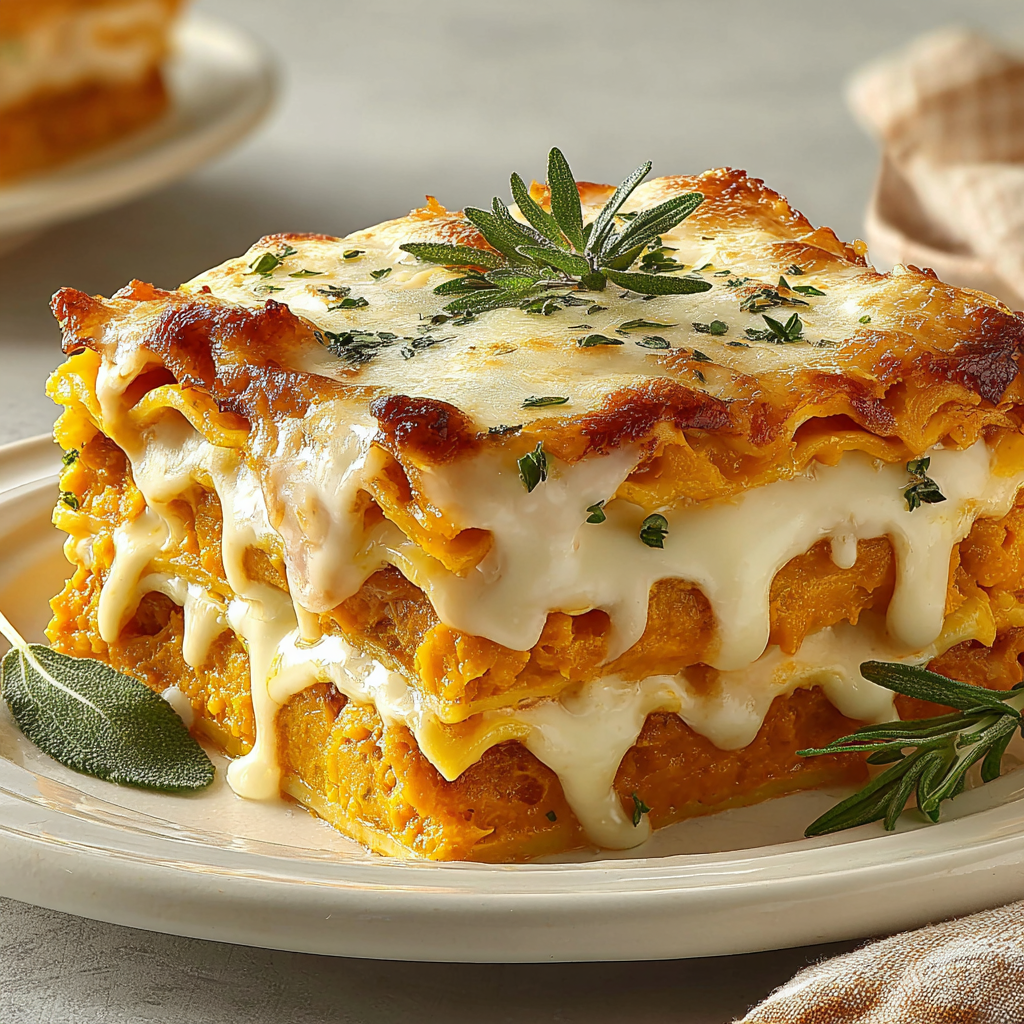
Savoring Butternut Squash Lasagna at Home
Ingredients
Method
- Preheat the oven to 375°F (190°C).
- In a bowl, mix ricotta cheese, egg, garlic, and half of the Parmesan cheese. Season with salt, pepper, and thyme.
- Spread 1/3 of the butternut squash puree on the bottom of a baking dish.
- Layer 3 lasagna noodles over the puree, followed by half of the ricotta mixture.
- On top of the ricotta, add another third of the butternut squash puree and a third of the mozzarella cheese.
- Repeat the layering process with another 3 noodles, the remaining ricotta mixture, another third of the squash puree, and more mozzarella.
- Top with the final 3 noodles, the remaining squash puree, mozzarella, and the rest of the Parmesan cheese.
- Cover the dish with aluminum foil and bake for 30 minutes, then remove foil and bake for another 15-20 minutes until bubbly.
- Let the lasagna rest for 10-15 minutes before serving.
Notes
Additional serving suggestions: pair with a crisp salad, garlic bread, or roasted seasonal vegetables for balance.
For make-ahead, prep components separately and assemble just before heating to preserve texture.
Taste and adjust with acid (lemon/vinegar) and salt right at the end to wake up flavors.