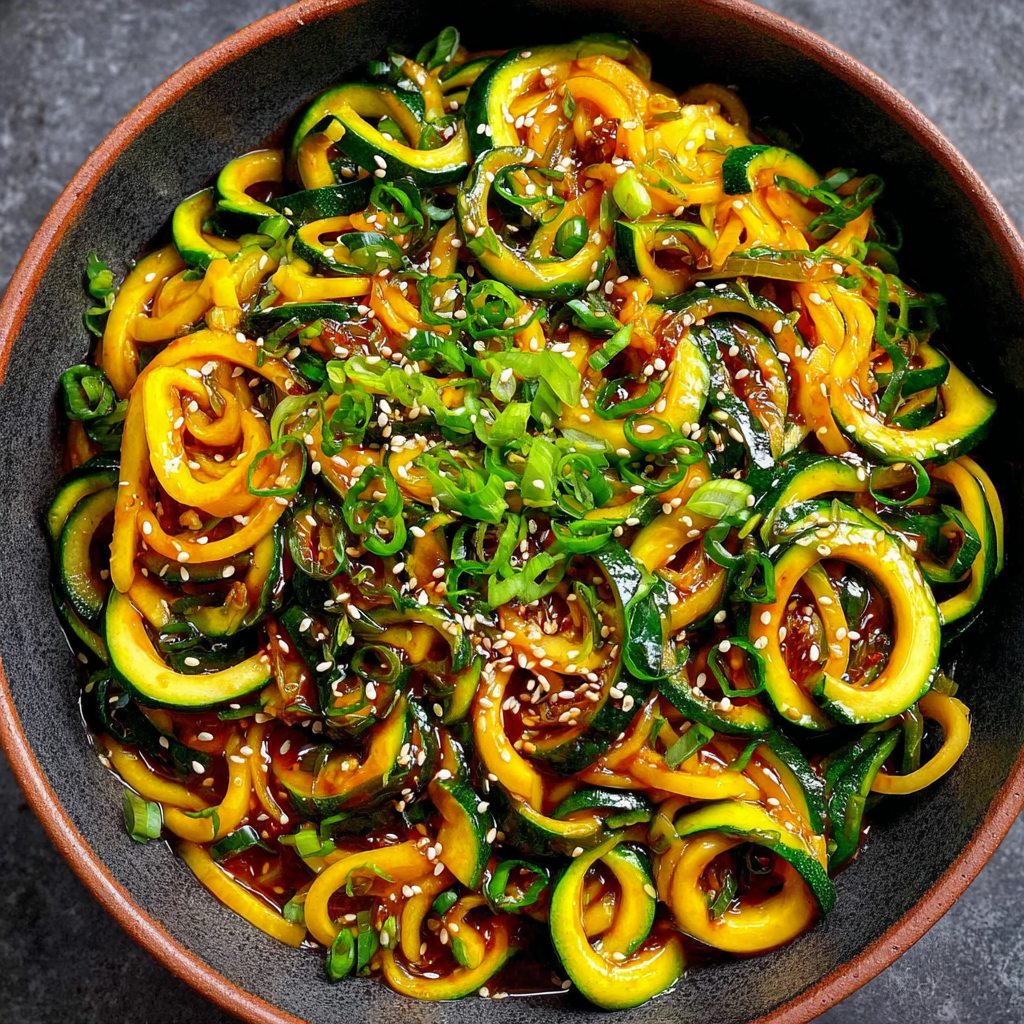
Introduction
As the weather turns crisp and the days grow shorter, there's nothing more comforting than a steaming bowl of Italian vegetable soup. This colorful medley is a staple in Italian households, bringing warmth and nourishment in every spoonful. Packed with fresh vegetables and herbs, it’s not only delicious but also a celebration of healthy eating.
The richness of flavors develops beautifully as the ingredients meld together, creating a dish that's both hearty and wholesome. Perfect for cozy dinners or meal prep, this soup is versatile, allowing you to adjust vegetables based on what you have on hand or seasonal produce. Ready to dive into this delightful recipe?
Ingredients
- 2 tablespoons olive oil
This healthy fat forms the base of your soup, providing richness and flavor while also aiding in the absorption of fat-soluble vitamins from the vegetables. - 1 medium onion, diced
A foundational ingredient, onion adds sweetness and depth to the soup, forming a savory base when sautéed. - 2 cloves garlic, minced
Garlic infuses the soup with an aromatic quality that complements the other vegetables and enhances the overall flavor profile. - 2 carrots, chopped
Carrots contribute natural sweetness and vibrant color, providing essential vitamins and a satisfying texture. - 2 celery stalks, chopped
Celery adds a refreshing crunch and celery's unique flavor enhances the aromatic foundation of the soup. - 1 zucchini, diced
Zucchini's mild taste helps absorb the flavors of the broth, while its moisture content ensures a hearty texture. - 1 bell pepper, chopped (any color)
Bell peppers brighten the soup with color and add a crunchy texture, along with a dose of vitamin C. - 1 cup green beans, trimmed and cut
Green beans add crunch and a subtle earthiness, along with their vibrant green color enhancing the dish’s appeal. - 1 can (14.5 ounces) diced tomatoes
Canned tomatoes provide acidity and a rich base, balancing the sweetness of the root vegetables. - 4 cups vegetable broth
The broth is the heart of your soup, providing a savory base that melds all other flavors together into a cohesive dish. - 1 teaspoon dried oregano
Oregano adds a classic Italian flavor, making the soup taste authentic and herbaceous. - 1 teaspoon dried basil
Basil provides a sweet, aromatic note that complements the other flavors and enhances the Italian essence of the soup. - Salt and pepper to taste
Proper seasoning is crucial; it enhances the flavors of all the ingredients and makes the soup deliciously well-balanced.
Directions & Preparation
Step 1: Heat olive oil in a large pot over medium heat.
Heating the oil properly is key to sautéing the vegetables evenly. Allow the oil to shimmer but not smoke, indicating it's ready for the onions.
Step 2: Add the diced onion and cook until translucent, about 5 minutes.
Cooking the onion until it’s translucent softens the flavor, releasing its sweetness and creating a more complex base for your soup.
Step 3: Stir in the minced garlic and cook for an additional minute until fragrant.
Garlic cooks quickly; adding it after the onions ensures it doesn't burn. When fragrant, it signals that your base is nearly ready for the other vegetables.
Step 4: Add the chopped carrots and celery, sautéing for 3-4 minutes.
These vegetables benefit from this initial sauté, enhancing their natural sweetness and deepening the soup's overall flavor.
Step 5: Incorporate the bell pepper and zucchini, cooking for another 3 minutes.
Adding these veggies now allows them to soften without losing their texture completely, offering a delightful mix of flavors.
Step 6: Toss in the green beans and cook for an additional 2 minutes.
This step ensures that the green beans maintain a slight crunch while still absorbing the flavors of the soup.
Step 7: Pour in the diced tomatoes and vegetable broth.
Diced tomatoes not only serve as a flavor enhancer but their acidity also helps balance the sweetness of the vegetables.
Step 8: Season with oregano, basil, salt, and pepper; stir well.
Seasoning at this stage allows the herbs to infuse their flavors into the broth. Be mindful of the salt, as it greatly affects the final taste.
Step 9: Bring the soup to a gentle boil, then reduce heat and let simmer for 20-30 minutes.
Simmering is crucial as it allows the flavors to meld beautifully while the vegetables become tender without turning mushy.
Step 10: Taste and adjust seasoning before serving; if needed, add more salt or herbs.
Tasting at the end ensures that the final soup has the perfect balance; slight adjustments at this stage can significantly enhance flavor.
Step 11: Serve hot, garnished with fresh basil or parsley if desired.
A fresh herb garnish adds a burst of color and flavor right before serving, making your soup not just tasty but visually appealing too.

The Power of Seasonal Ingredients
Using seasonal vegetables makes this soup not only fresh but also sustainable. As summer fades to fall, you can swap in pumpkin or squash, and in the spring, consider adding peas or asparagus. Each season brings its bounty, allowing you to create varied and exciting versions of this dish without losing its essence.
Boosting Nutritional Value
This hearty soup is an excellent way to pack nutrients into one bowl. Each vegetable contributes unique vitamins—carrots provide beta-carotene, while bell peppers add vitamin C. Don't hesitate to throw in greens like spinach or kale towards the end for an added health boost, turning your soup into a powerhouse of nutrition.
Pairing Suggestions to Enhance the Experience
While the soup is satisfying on its own, it pairs wonderfully with a slice of crusty Italian bread or a simple green salad. The bread allows for satisfying dipping while the salad adds a fresh touch, creating a well-rounded meal that comforts the soul and pleases the palate.
FAQs
What if my soup is too thick?
If your soup is too thick, simply add a bit more vegetable broth or water until you reach your desired consistency.
How do I make the soup spicier?
To add heat, consider including crushed red pepper flakes or a diced jalapeño with the other vegetables.
Can I add lentils to this soup?
Yes, adding lentils can enhance the texture and protein content. Just be sure to adjust the cooking time accordingly.
What if the flavor is too bland?
If your soup lacks flavor, consider boosting it with a splash of balsamic vinegar or additional herbs and spices to elevate the taste.
Can I use fresh herbs instead of dried?
Absolutely! Fresh herbs will offer a more vibrant flavor—use three times the amount when substituting.
Is there a recommended cooking time for frozen vegetables?
Frozen vegetables can also be used in this recipe. If using them, reduce the cooking time slightly and add them during the last 10 minutes of simmering.
Conclusion
Hearty Italian vegetable soup is more than just a dish; it's an invitation to enjoy wholesome flavors and nourish your body. Whether you follow the traditional recipe or put your twist on it, each bowl will warm you from the inside out.
As you embrace the art of soup-making, remember that flexibility is key. With the changing seasons, your soup can evolve, inviting creativity and fresh ingredients to the table.
Recipe Card

Hearty Italian Vegetable Soup: A Warm, Healthy Delight
Ingredients
Method
- Heat the olive oil in a large pot over medium heat.
- Add the diced onion and cook until translucent, about 5 minutes.
- Stir in the minced garlic and cook for an additional minute.
- Add sliced carrots and diced celery, sautéing for 5–7 minutes until they begin to soften.
- Incorporate the diced bell pepper and zucchini, cooking for another 3–4 minutes.
- Pour in the canned diced tomatoes with their juice and vegetable broth.
- Stir in the dried Italian herbs, salt, and pepper; bring to a gentle boil.
- Reduce heat and let the soup simmer for 20–25 minutes.
- Add the fresh spinach or kale in the last 5 minutes of cooking.
- Taste and adjust seasonings if needed before serving hot.
Notes
Additional serving suggestions: pair with a crisp salad, garlic bread, or roasted seasonal vegetables for balance.
For make-ahead, prep components separately and assemble just before heating to preserve texture.
Taste and adjust with acid (lemon/vinegar) and salt right at the end to wake up flavors.