Introduction
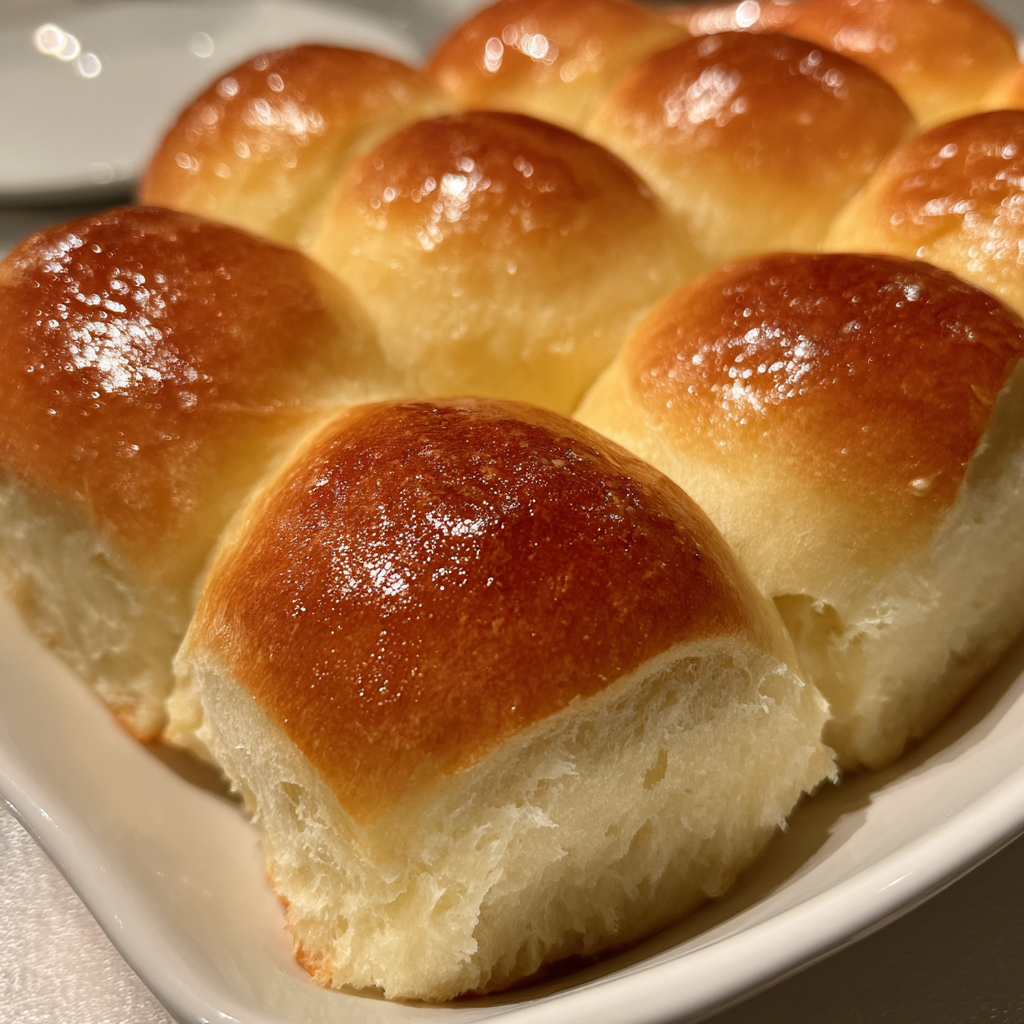
Dinner rolls are more than just a side dish; they are a comforting addition to any meal that can elevate the dining experience. The warmth and softness of freshly baked rolls can bring a sense of home and hospitality to the table. Mastering the art of dinner roll making is a rewarding endeavor, especially when the result is a batch of soft and fluffy delights.
This recipe walks you through the essential steps to create dinner rolls that are light, airy, and perfect for mopping up sauces or adding a delightful touch to your feast. With a few basic ingredients and a little patience, you'll soon be enjoying your very own homemade rolls that can impress family and friends alike.
Ingredients
- 4 cups all-purpose flour
Flour provides the structure of the rolls. All-purpose flour is ideal as it has the right balance of protein and starch, giving the rolls their desired texture. A higher protein flour can produce denser rolls, while all-purpose ensures they remain light and fluffy. - 2 tablespoons sugar
Sugar adds sweetness but also plays a role in yeast activation. It helps to feed the yeast, encouraging fermentation, which results in a better rise and contributes subtly to the flavor profile of the rolls. - 1 packet (2 ¼ teaspoons) active dry yeast
Yeast is the key leavening agent in this recipe. Active dry yeast ferments the dough, producing carbon dioxide bubbles that create the airy texture of dinner rolls. Make sure it is fresh for the best results. - 1 teaspoon salt
Salt enhances the flavor of the rolls and regulates yeast activity. It strengthens the gluten structure in the dough, which is crucial for achieving the desired rise and texture. - 1 cup warm milk (110°F)
Warm milk hydrates the flour and helps activate the yeast. The warmth is essential; if the milk is too hot, it can kill the yeast, preventing the rolls from rising properly. - 1/4 cup unsalted butter, melted
Butter enriches the dough, contributing to a softer texture and richer flavor. It helps create a tender crumb and adds a pleasant richness that complements the other ingredients. - 2 large eggs
Eggs add moisture and richness to the dough, enhancing its structure. They also contribute to the rolls' color and flavor, making them more appealing and delicious.
Directions & Preparation
Step 1: Activate the Yeast
In a small bowl, combine warm milk and sugar, stirring to dissolve. Sprinkle the yeast over the mixture and let it sit for about 5-10 minutes until foamy. This step is crucial as it ensures your yeast is active and ready to help the dough rise. If the mixture does not foam, the yeast may be expired, and you'll need to start again with fresh yeast.
Step 2: Mix Dry Ingredients
In a large bowl, whisk together the flour and salt. This ensures even distribution of the salt throughout the flour, which is important for flavor and yeast function. When mixing dry ingredients, it's important to aerate the flour so that the subsequent mixing of wet ingredients results in a light dough.
Step 3: Combine Wet Ingredients
In a separate bowl, whisk together the melted butter and eggs until well combined. Next, add the foamy yeast mixture to the wet ingredients. This combination brings together the moist and dry ingredients, creating the base of your dinner roll dough. Mixing them separately ensures an even consistency and prevents the eggs from cooking in warm ingredients.
Step 4: Knead the Dough
Pour the wet mixture into the bowl with the dry ingredients. Stir to combine, then transfer the dough to a floured surface. Knead for about 8-10 minutes until the dough is smooth and elastic. Kneading develops the gluten structure, which is essential for a light and fluffy texture. The dough should bounce back when lightly pressed.
Step 5: First Rise
Place the kneaded dough into a greased bowl, cover it with a damp cloth, and let it rise in a warm place until doubled in size, about 1-2 hours. This fermentation process allows the yeast to create carbon dioxide, which will make the dough expand. The warmth and the covered environment help maintain moisture, promoting a successful rise.
Step 6: Shape the Rolls
Once risen, punch down the dough to release excess air. Divide it into 12 equal pieces and shape each piece into a smooth ball. Proper shaping creates surface tension, which is essential for the rolls to rise evenly and maintain their shape during baking. Make sure to work quickly to minimize heat loss from the dough.
Step 7: Second Rise
Place the shaped rolls in a greased baking dish, allowing some space between each one. Cover again with a cloth and let them rise until they are puffy and touching, about 30-45 minutes. This second rise is critical for achieving that soft texture. The rolls should feel light and airy before going into the oven.
Step 8: Preheat the Oven
While the rolls are rising, preheat your oven to 350°F. Proper preheating is vital for evenly cooked rolls and helps create a crispy outer crust while keeping the inside soft and fluffy. An oven thermometer can confirm that your oven is at the correct temperature.
Step 9: Bake the Rolls
Once risen, bake the rolls in the preheated oven for 20-25 minutes until golden brown. Keep an eye on them towards the end; for even baking, rotate the pan halfway through. The rolls are done when they sound hollow when tapped. An internal temperature of around 190°F indicates doneness.
Step 10: Brush with Butter
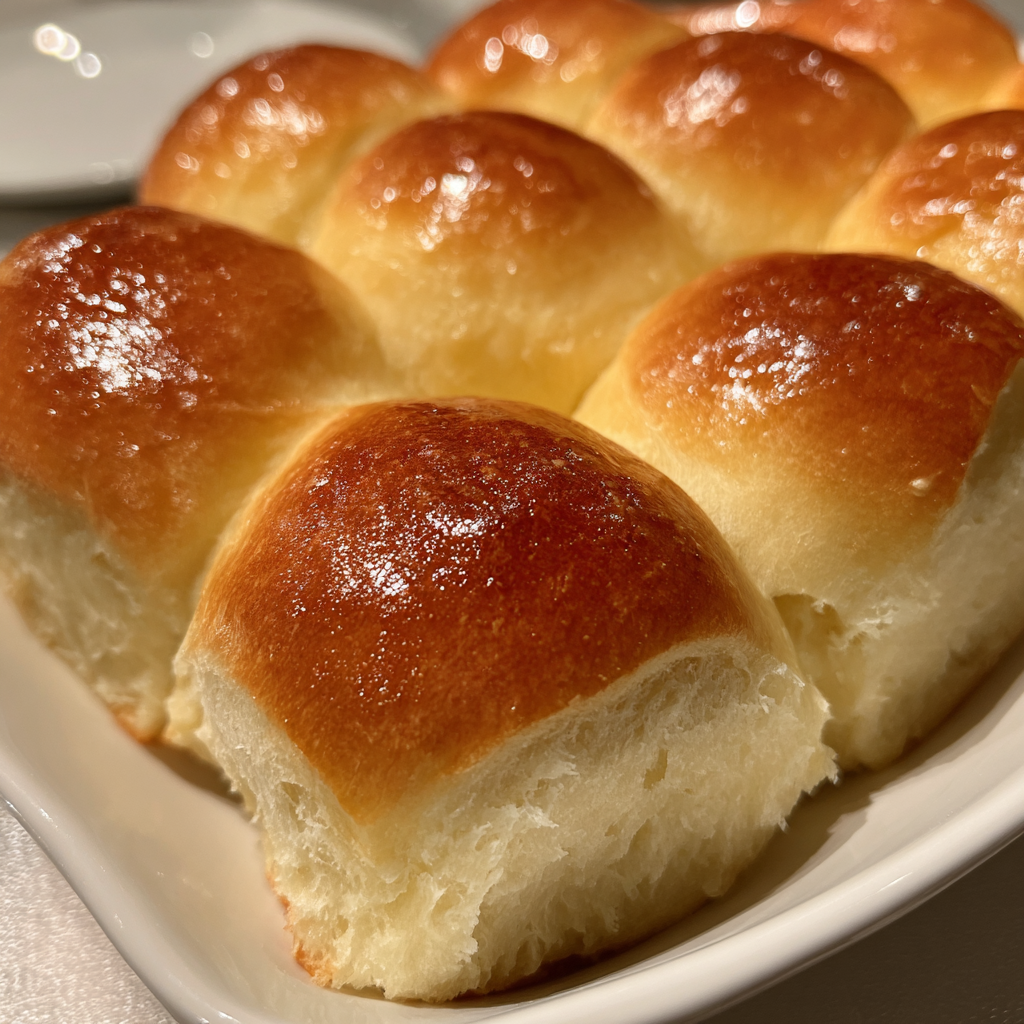
After removing the rolls from the oven, brush the tops with melted butter for added flavor and shine. This final touch goes a long way in enhancing the richness and gives the rolls an appealing glossy finish. Let them cool slightly before serving for the best texture.

Mastering the Dough Consistency
Achieving the right dough consistency is essential for soft, fluffy dinner rolls. The dough should be slightly sticky but manageable; if it's too dry, the rolls may end up tough. It’s often necessary to adjust flour amounts slightly depending on humidity levels. Remember, the goal is a dough that retains its shape but is elastic enough to stretch gracefully when handled.
The Importance of Patience
Allowing adequate rising time for both the first and second proofs is key for maximum fluffiness. Rushing these steps may leave you with denser rolls. The yeast needs time to work, and the dough requires it to develop flavors and create air pockets. Patience during the rising phases cannot be overstated; it's where the magic happens.
Customizing Flavors and Add-Ins
Once you're comfortable with the basic recipe, consider customizing your rolls. Incorporating fresh herbs, garlic, or cheese can elevate the flavor profile of your dinner rolls. Alternatively, a touch of cinnamon or a slight amount of grated citrus zest can add a delightful twist. Experimenting with different flavors can make your rolls a signature dish.
FAQs
Why are my dinner rolls dense?
Dense rolls can occur if the dough hasn't risen properly due to expired yeast or insufficient rising time. Ensure that your yeast is fresh, and always allow enough time for the dough to double in size.
What should I do if my dough is too sticky?
If your dough is overly sticky, incorporate a little more flour, one tablespoon at a time, until it becomes manageable. Be cautious not to add too much flour, as this could result in denser rolls.
Can I substitute whole wheat flour?
Whole wheat flour can be used but will yield denser rolls. To maintain fluffiness, consider replacing a portion of all-purpose flour with whole wheat flour, starting with 25% and adjusting based on your preference.
Why are my rolls not browning on top?
If the tops of your rolls are pale, they may need more time in the oven. An even golden-brown color comes from baking them long enough. Additionally, brushing on melted butter helps them to brown beautifully.
How can I enhance the flavor of my rolls?
Enhance your roll flavors by adding spices or herbs directly into the dough. Options like garlic powder, dried oregano, or even cheese can elevate the taste significantly, creating a unique twist to the classic recipe.
What if my rolls are overcooked?
If the rolls are overcooked, they will be dry; your best option is to enjoy them with butter or a sauce to add moisture back. Next time, check them a couple of minutes earlier for perfect timing.
Conclusion
Soft and fluffy dinner rolls are a timeless addition to any meal, and their simple ingredients can yield incredible results. With practice and attention to detail, these rolls can be a regular feature at your dining table.
Remember, baking is as much about following the recipe as it is about understanding the process. With this recipe in hand, feel free to explore and experiment until you find your perfect batch.
Recipe Card
Soft and Fluffy Dinner Rolls for Any Meal
Ingredients
Method
- Activate the Yeast
- Mix Dry Ingredients
- Combine Wet Ingredients
- Knead the Dough
- First Rise
- Shape the Rolls
- Second Rise
- Preheat the Oven
- Bake the Rolls
- Brush with Butter
Notes
Additional serving suggestions: pair with a crisp salad, garlic bread, or roasted seasonal vegetables for balance.
For make-ahead, prep components separately and assemble just before heating to preserve texture.
Taste and adjust with acid (lemon/vinegar) and salt right at the end to wake up flavors.