Introduction
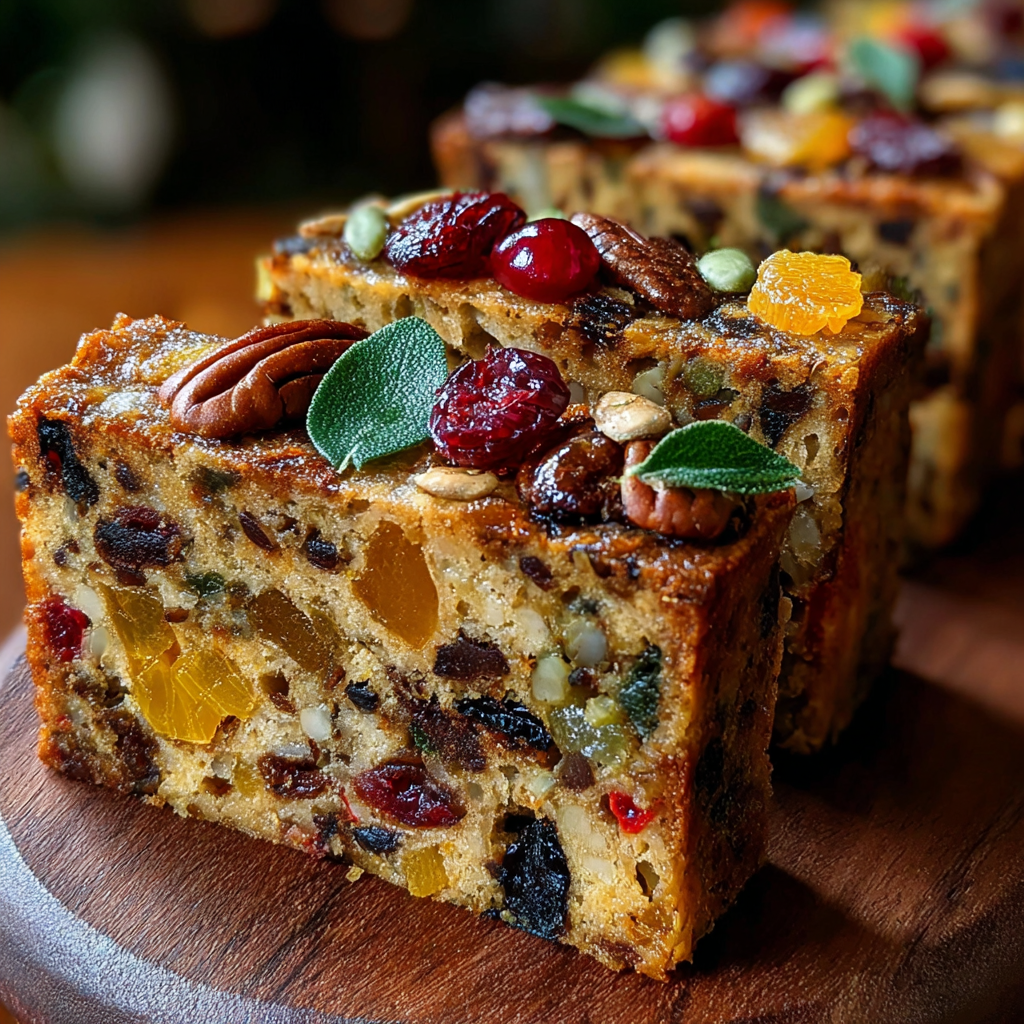
Fruitcake often gets a bad rap, relegated to the bottom of the holiday dessert table. However, when made with care, fruitcake can transform from a mere tradition into a culinary delight.
Imagine a moist, richly spiced cake packed with candied fruits, nuts, and perhaps a splash of spirits. That's the essence of Fruitcake Nirvana—where every bite yields a symphony of flavor and texture.
This beloved cake, steeped in history and customizable to your taste, is worth rediscovering and perfecting in your own kitchen. Let’s embrace the art of fruitcake and create a version that shines.
Ingredients
- 2 cups mixed dried fruits
A blend of dried fruits like raisins, currants, cherries, and apricots add natural sweetness and texture to the cake. - 1 cup nuts, chopped (walnuts or pecans)
Nuts contribute a delightful crunch and richness, enhancing the overall mouthfeel of the cake. - 1 cup unsalted butter, softened
Butter provides moisture and flavor, resulting in a tender crumb that anchors the other ingredients. - 1 cup granulated sugar
Sugar is essential for sweetness and helps create the cake's structure through caramelization during baking. - 1/2 cup brown sugar, packed
Brown sugar adds a deeper, molasses-like flavor, enriching the cake’s complexity. - 4 large eggs, room temperature
Eggs not only bind the ingredients together but also contribute to the cake's rise and richness. - 2 cups all-purpose flour
Flour is the backbone of any cake, providing structure while balancing the moist ingredients. - 1 teaspoon baking powder
This leavening agent helps the cake rise, ensuring a light and airy texture. - 1 tablespoon ground cinnamon
Cinnamon adds warmth and aroma, enhancing the cake's overall flavor profile. - 1/2 teaspoon nutmeg
Nutmeg complements the cinnamon with a subtle spiciness, making each bite more intriguing. - 1/4 teaspoon salt
Salt balances the sweetness and enhances the flavors within the cake. - 1/4 cup dark rum or brandy (optional)
Alcohol contributes depth of flavor and helps preserve the cake, especially effective if aged.
Directions & Preparation
Step 1: Preheat the oven to 325°F (160°C).
Preheating the oven is crucial for ensuring that the cake bakes evenly from the start. A hot oven helps the batter rise properly, creating a cake with a nice, tender crumb. Make sure to give your oven enough time to reach the desired temperature, as this can impact the overall texture of your fruitcake.
Step 2: Prepare your baking pan by greasing it with butter and lining it with parchment paper.
Properly preparing your baking pan prevents the cake from sticking, making removal much easier. The parchment paper not only provides a barrier but also facilitates smoother slicing once baked. Ensure the paper extends over the edges for easy lifting of the cake after cooling.
Step 3: Mix the dried fruits with a tablespoon of flour to prevent them from sinking in the batter.
Coating the fruits in flour helps distribute them throughout the cake batter. This technique, known as 'dredging,' ensures that the fruits stay suspended while baking, maintaining an even texture and preventing clumping at the bottom of the cake.
Step 4: In a large bowl, cream together the softened butter, granulated sugar, and brown sugar until light and fluffy.
Creaming the butter with sugars incorporates air, which is essential for fluffy cake texture. The process helps dissolve the sugars and creates a light batter, setting the stage for the eggs to be added next. Aim for a pale, creamy mixture that doubles in volume.
Step 5: Add the eggs one at a time, mixing well after each addition.
Incorporating eggs sequentially enhances the emulsion of fats and liquids in the batter. This step ensures that each egg blends thoroughly, contributing to a uniform texture and structure. Be cautious not to overmix, as this can lead to a dense cake.
Step 6: In a separate bowl, sift together the flour, baking powder, spices, and salt.
Sifting the dry ingredients aerates the flour and distributes the leavening agents. This step reduces clumps and promotes thorough integration into the wet mixture. It’s also an opportunity to incorporate warm spices, which should be evenly distributed for a harmonious flavor.
Step 7: Gradually fold the dry ingredients into the creamed mixture until just combined.
Folding is a gentle mixing method that prevents overworking the batter, keeping it light. Stop when there are a few streaks of flour visible; the flour will fully incorporate as you add the fruits. This is key to preventing a tough cake.
Step 8: Gently fold in the floured fruits and nuts, taking care not to overmix.
This step is critical for ensuring an even distribution of the fruits and nuts throughout the batter without deflating it. The goal is a beautiful, fruit-filled mixture that bakes evenly while maintaining a tender crumb.
Step 9: Pour the batter into the prepared pan and smooth the top.
Smoothly spreading the batter allows for even baking, helping the cake rise uniformly. An uneven surface might result in varying baking times and textures. Tap the pan lightly on the counter to remove any air bubbles trapped in the batter.
Step 10: Bake in the preheated oven for 50-60 minutes or until a toothpick comes out clean.
Baking at the correct temperature and duration is crucial for developing the cake’s flavor and texture. Start checking for doneness at the lower end of the time range. A clean toothpick indicates the cake is set in the center. If necessary, cover with foil to prevent over-browning.
Step 11: Allow the cake to cool in the pan for 10 minutes before transferring it to a wire rack.
Cooling in the pan allows the cake to firm up slightly, making it less likely to break upon transfer. Use a gentle hand to assist it out without applying too much pressure, which might crush the delicate cake. The wire rack promotes even cooling, preventing a soggy bottom.
Step 12: Optionally, brush the cooled cake with rum or brandy for added flavor.
Brushing the cake with alcohol infuses additional moisture and flavor, enhancing the end product, especially if the cake will be stored. This technique also aids in preserving the cake longer, allowing flavors to meld beautifully as it ages.
Step 13: Wrap the cake in plastic wrap and store it for at least a day before slicing.
Aging allows flavors to develop and mature, resulting in a much tastier cake. Even a short resting period enhances the overall depth. If stored properly, your fruitcake can continue to improve over weeks, drawing out intricate flavors from the fruits and spices.

The Magic of Aging Fruitcake
One of the best-kept secrets of fruitcake is the benefit of aging. As the cake settles, the mingling of spices, fruits, and nuts creates a depth of flavor that only time can achieve. Most enthusiasts recommend waiting at least a week before slicing, although many find that two or three weeks significantly enhance the richness, creating a cake that evolves beautifully.
Choosing the Right Dried Fruits and Nuts
The combination of dried fruits and nuts is vital to customizing the character of your fruitcake. Whether using classic candied cherries or exotic dried figs, each element plays a role in taste and texture. Likewise, choosing nuts like pecans or hazelnuts imparts varying flavors that can redefine traditional fruitcake, making it truly your own.
Enhancing Fruitcake with Spirited Notes
Adding alcohol to your fruitcake not only deepens flavors but also acts as a preservative, extending its lifespan. Rum, brandy, or bourbon each lend distinct notes, enhancing the cake's overall profile. The choice of spirit can transform your fruitcake, turning a conventional treat into something extraordinary and full of character.
FAQs
Why is my fruitcake too dry?
Overbaking or not incorporating enough moisture, like rum or fruit juices, can lead to dryness. Make sure to check for doneness early.
Can I substitute fresh fruits instead of dried?
Fresh fruits can introduce too much moisture, affecting the balance. If desired, consider lightly drying them out first.
What should I do if my batter is too thick?
If your batter appears too thick, add a tablespoon of milk or water, mixing gently. This will help achieve the desired consistency for better distribution.
Why does my fruitcake taste bland?
Under-seasoning during preparation can lead to blandness. Ensure spices are fresh and robust; consider adding citrus zest for brightness.
Is it normal for fruitcake to sink in the middle?
A sunken middle usually results from underbaking or excessive moisture. Next time, bake longer or check oven calibration.
What’s the ideal time to age my fruitcake?
For the best flavor, let your fruitcake age for at least one week. Some enthusiasts age for months to deepen the taste.
Can I mix different types of nuts?
Absolutely! Mixing nuts adds texture and personality. Make sure they’re cut uniformly for balanced baking.
How can I tell when my fruitcake is done?
Check for a clean toothpick inserted into the center. If it comes out dry, your cake is done baking.
Conclusion
Fruitcake Nirvana is a celebration of flavors, history, and creativity in the kitchen. By following thoughtful processes and allowing time to work its magic, you can create a cake worthy of any festive table.
As you gather your ingredients and set to work, remember that this dish is a canvas. Enjoy the journey of crafting your perfect fruitcake, and don’t shy away from making it your own.
Recipe Card
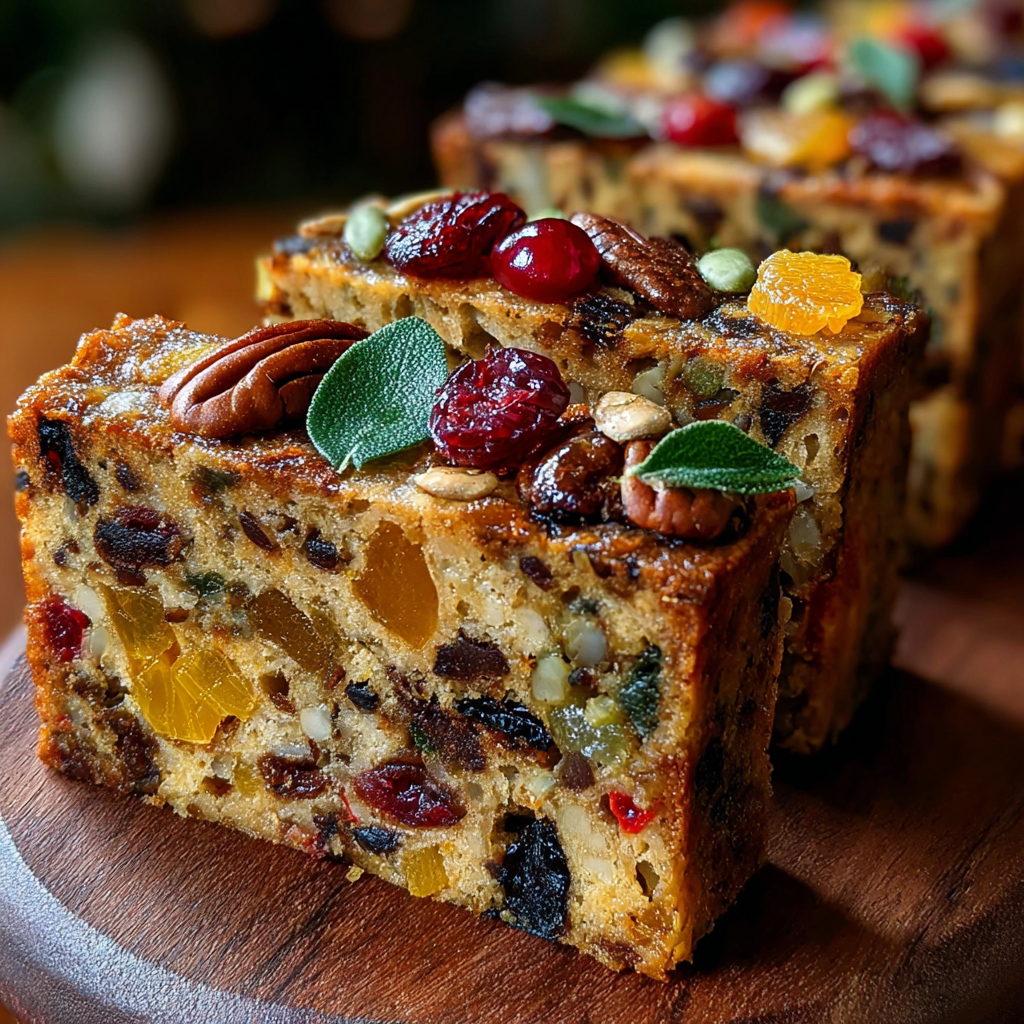
Crafting the Richness of Fruitcake Nirvana
Ingredients
Method
- Preheat the oven to 325°F (160°C).
- Prepare your baking pan by greasing it with butter and lining it with parchment paper.
- Mix the dried fruits with a tablespoon of flour to prevent them from sinking in the batter.
- In a large bowl, cream together the softened butter, granulated sugar, and brown sugar until light and fluffy.
- Add the eggs one at a time, mixing well after each addition.
- In a separate bowl, sift together the flour, baking powder, spices, and salt.
- Gradually fold the dry ingredients into the creamed mixture until just combined.
- Gently fold in the floured fruits and nuts, taking care not to overmix.
- Pour the batter into the prepared pan and smooth the top.
- Bake in the preheated oven for 50-60 minutes or until a toothpick comes out clean.
- Allow the cake to cool in the pan for 10 minutes before transferring it to a wire rack.
- Optionally, brush the cooled cake with rum or brandy for added flavor.
- Wrap the cake in plastic wrap and store it for at least a day before slicing.
Notes
Additional serving suggestions: pair with a crisp salad, garlic bread, or roasted seasonal vegetables for balance.
For make-ahead, prep components separately and assemble just before heating to preserve texture.
Taste and adjust with acid (lemon/vinegar) and salt right at the end to wake up flavors.