Introduction
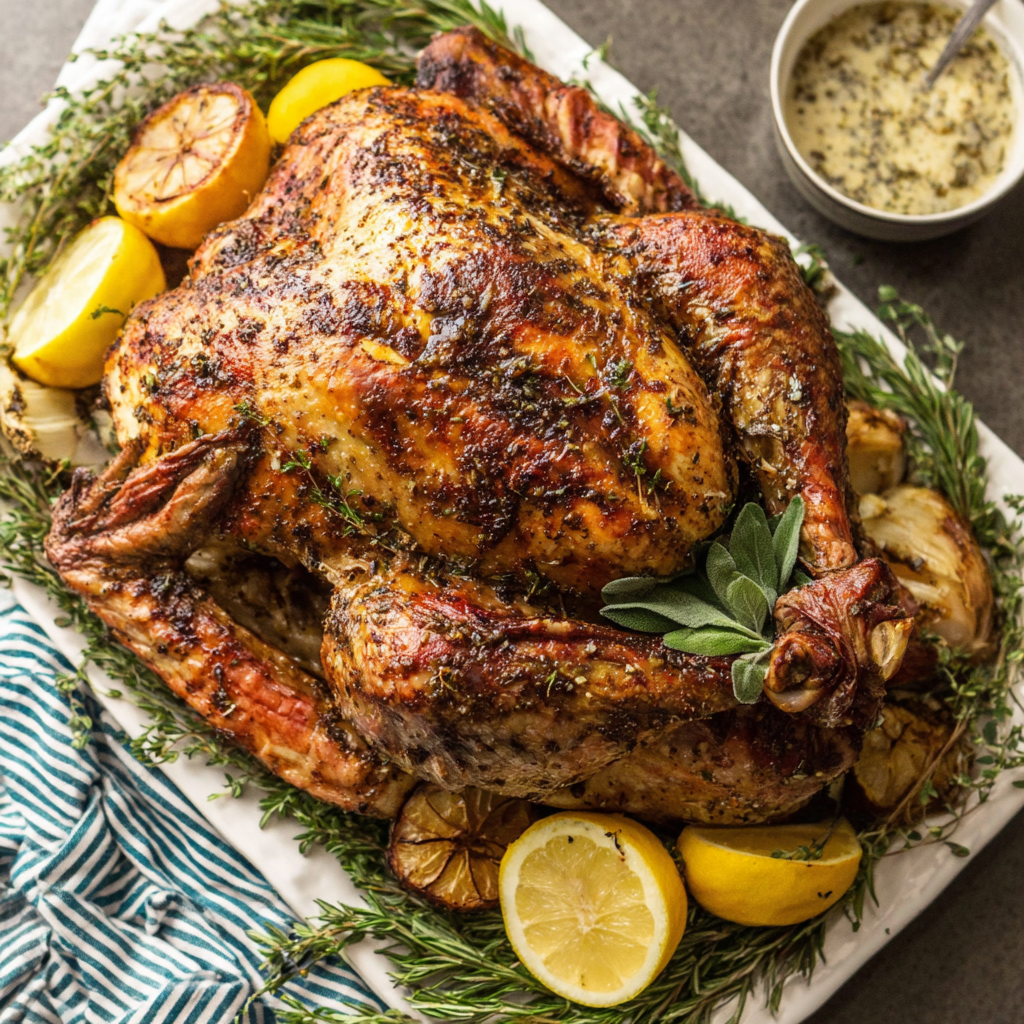
Roast turkey is a timeless centerpiece that brings families together around the table. The rich flavor and comforting aroma evoke the warmth of the holidays and special gatherings.
With its tender meat and crispy skin, this dish showcases both culinary skill and heartfelt tradition. While it may seem daunting, mastering the art of roast turkey can become a cherished annual ritual.
Ingredients
- 1 whole turkey (12-14 lbs)
A free-range turkey provides superior flavor and texture. Ensure it's fully thawed prior to preparation; fresh turkeys can be even more flavorful. - 1/2 cup unsalted butter, softened
Butter enriches the meat and helps achieve a golden, crispy skin when rubbed under the skin, adding moisture and flavor during roasting. - 2 tbsp olive oil
Olive oil enhances the browning effect and penetrates the meat, promoting an appealing golden color and an extra layer of flavor. - 2 tbsp salt
Salt is crucial for seasoning; it penetrates into the turkey, enhancing flavors and creating a more enjoyable eating experience. - 1 tbsp black pepper
Black pepper adds a subtle heat and depth of flavor, balancing the richness of the turkey and butter. - 4 cups low-sodium chicken broth
Broth is used for basting and helps to create a delicious gravy. Opting for low-sodium prevents overwhelming the dish with salt. - 2 cups aromatics (onion, celery, carrot, chopped)
These vegetables contribute to the base flavor of the roasting process and provide a rich background for the gravy. - 1 tbsp fresh thyme, chopped
Thyme pairs beautifully with turkey, contributing an earthy flavor that enhances the overall taste of the meat. - 1 tbsp fresh rosemary, chopped
Rosemary adds a distinct and aromatic note, complementing the turkey while elevating its taste with its robust essence. - 1/2 cup white wine
Wine introduces acidity that balances the richness of the turkey, helping to tenderize the meat and infuse additional flavor during cooking.
Directions & Preparation
Step 1: Preheat the oven to 325°F (163°C).
Starting with a properly preheated oven is vital for ensuring even cooking. This temperature allows the turkey to roast slowly, maintaining moisture while achieving optimal doneness.
Step 2: Prepare the turkey by removing the giblets and patting it dry.
Removing giblets prevents unwanted flavors and ensures a clean roast. Patting the turkey dry is crucial for achieving that crispy skin, as excess moisture can interfere with browning.
Step 3: Rub the turkey with softened butter and olive oil, then season with salt and pepper.
This step creates a flavorful crust. The fat from the butter and oil promotes even browning while keeping the meat moist, while salt and pepper enhance the overall taste of the turkey.
Step 4: Stuff the cavity with aromatics and fresh herbs.
Filling the cavity with aromatics allows for a flavorful steam that infuses the turkey from the inside. The herbs add aromatic notes that permeate the meat, elevating the flavor profile.
Step 5: Place the turkey on a roasting rack in a roasting pan, breast side up.
Using a roasting rack ensures even air circulation around the turkey, allowing it to cook uniformly. This setup also allows drippings to collect below for a savory gravy.
Step 6: Pour chicken broth into the bottom of the roasting pan and add white wine.
The liquid simmers during roasting, creating steam which keeps the turkey moist. It also provides a flavorful base for making gravy afterward, so it's essential to add enough liquid.
Step 7: Tent the turkey with foil for the first half of roasting.
Covering the turkey with foil prevents it from browning too quickly and allows the meat to cook evenly, while still promoting a moist and tender final product.
Step 8: Roast the turkey for about 3-4 hours, basting every 30-45 minutes.
Regular basting ensures the turkey remains juicy and helps develop a beautifully golden skin. Monitoring the internal temperature is key, aiming for 165°F (74°C) at the thickest part.
Step 9: Remove the foil in the last hour to allow for browning.
Exposing the turkey's skin to direct heat in the final hour allows it to crisp up beautifully. Keep an eye on it to avoid burning.
Step 10: Let the turkey rest for at least 30 minutes before carving.
Resting allows the juices to redistribute within the meat, ensuring a moist turkey when carved. This step is essential for both flavor and texture.

Choosing the Right Turkey Size
Selecting the appropriate turkey size is crucial for your gathering. As a general rule, plan for about 1-1.5 pounds of turkey per person. This ensures ample servings and some leftovers, making it easier to cater to your guests' appetites.
The Importance of Resting
Allowing the turkey to rest after cooking is vital for flavor and texture. Resting helps the juices redistribute, reducing moisture loss during carving. This yields a tender and flavorful turkey that pleases the palate.
Making Flavorful Gravy from Drippings
Utilizing the drippings from the roasting pan is an excellent way to create a rich gravy to accompany your turkey. The combination of broth, aromatics, and rendered fat provides a savory base for a delicious sauce that perfectly complements your meal.
FAQs
What can I do if my turkey is cooking unevenly?
To even out cooking, rotate the turkey halfway through roasting. If it's browning too fast, cover the high-temperature areas with foil.
How can I avoid dry turkey meat?
To prevent dryness, avoid overcooking the turkey by checking the internal temperature frequently. Basting also helps retain moisture.
What should I do if my gravy is too thick?
If your gravy is too thick, gradually whisk in more chicken broth until reaching your desired consistency.
Can I use a frozen turkey for this recipe?
Yes, you can use a frozen turkey, but make sure it is fully thawed before cooking to ensure even roasting and proper internal temperatures.
What can I add for more flavor in the brine?
You can enhance flavor by adding additional herbs, garlic, or spices to the brine mixture, reinforcing the turkey's natural taste.
Is it necessary to baste the turkey?
Basting is not strictly necessary, but it can help keep the skin moist and flavorful. If you prefer a cleaner method, consider using a brine instead.
Conclusion
In summary, roasting a turkey is as much about technique as it is about ingredients. With careful preparation and patience, your turkey can become a highlight of any gathering.
Embrace the process, and don't hesitate to infuse your own personal touches, whether through seasoning or serving accompaniments. Enjoy creating a dish that will be remembered for years to come.
Recipe Card

Roast Turkey with Aromatic Herb Infusion
Ingredients
Method
- Preheat the oven to 325°F (163°C).
- Prepare the turkey by removing the giblets and patting it dry.
- Rub the turkey with softened butter and olive oil, then season with salt and pepper.
- Stuff the cavity with aromatics and fresh herbs.
- Place the turkey on a roasting rack in a roasting pan, breast side up.
- Pour chicken broth into the bottom of the roasting pan and add white wine.
- Tent the turkey with foil for the first half of roasting.
- Roast the turkey for about 3-4 hours, basting every 30-45 minutes.
- Remove the foil in the last hour to allow for browning.
- Let the turkey rest for at least 30 minutes before carving.
Notes
Additional serving suggestions: pair with a crisp salad, garlic bread, or roasted seasonal vegetables for balance.
For make-ahead, prep components separately and assemble just before heating to preserve texture.
Taste and adjust with acid (lemon/vinegar) and salt right at the end to wake up flavors.