Introduction
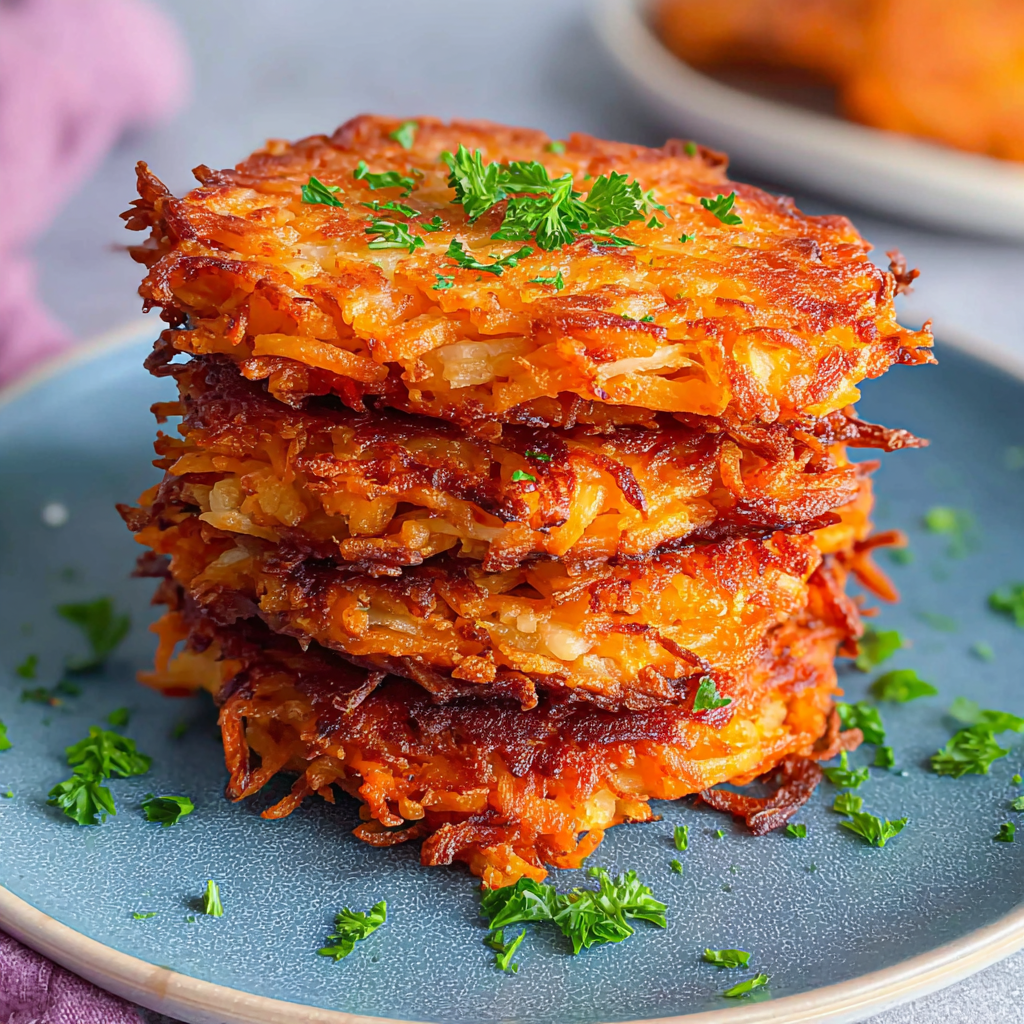
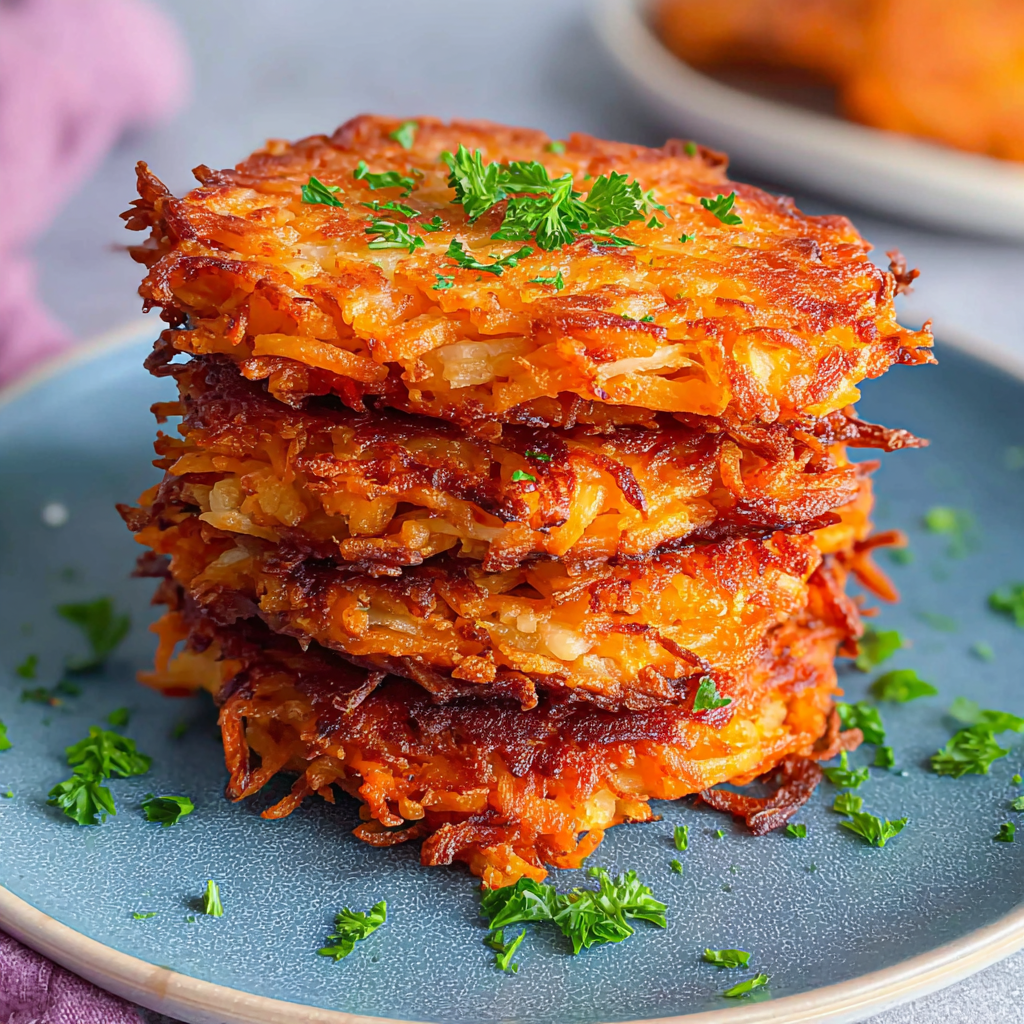
Potato hash browns are a beloved breakfast staple, highlighting the simple yet satisfying flavor of crispy, golden potatoes. Their versatility allows them to complement a variety of dishes or stand alone as the main attraction on your plate. Making hash browns at home is not only cost-effective, but it also ensures you can control the seasoning and texture to suit your personal liking.
The secret to achieving that perfect balance of crispy outside and fluffy inside lies in the preparation and cooking techniques. When done right, these potato hash browns can evoke nostalgia, reminiscent of diners and brunch spots, elevating any morning meal.
Ingredients
- 4 medium russet potatoes
Russet potatoes are ideal for hash browns due to their high starch content, which contributes to a fluffier texture inside. Their skin crisps up beautifully, giving that perfect crunch on the outside. - 1 medium onion
Adding a finely chopped onion enhances the flavors of the hash browns, giving them a savory depth. The natural sugars in onions caramelize during cooking, complementing the potatoes perfectly. - 3 tablespoons vegetable oil
Vegetable oil is essential for frying, providing the necessary heat transfer while also aiding in achieving a crispy texture. It has a high smoke point, making it perfect for high-temperature cooking. - Salt and pepper to taste
Simple seasonings like salt and pepper are crucial for bringing out the natural flavors of the potatoes and onions. Adjusting the seasoning according to your taste will enhance the overall dish. - Optional: herbs (e.g., parsley, chives)
Fresh herbs can be sprinkled on top prior to serving to add a layer of freshness and flavor complexity. They can also brighten up the dish visually.
Directions & Preparation
Step 1: Prepare the potatoes by peeling and grating them.
Peeling the russet potatoes is essential to remove any bitterness from the skin. When grating, use a box grater or food processor; the texture of the grated potatoes significantly influences the final product. Aim for uniformity to ensure even cooking.
Step 2: Soak the grated potatoes in cold water for 10 minutes.
Soaking the grated potatoes helps to remove excess starch, preventing them from clumping together during cooking. This step is crucial for achieving that desired crispiness, as it allows the surface of the potatoes to brown more effectively.
Step 3: Drain and dry the potatoes thoroughly.
After soaking, it's vital to drain and dry the potatoes to eliminate moisture. Too much moisture can result in soggy hash browns instead of the crispy texture we desire. Use a clean kitchen towel or paper towels to pat them dry.
Step 4: Heat vegetable oil in a skillet over medium-high heat.
Using a suitable skillet, like cast iron or nonstick, is key to achieving a good sear on the hash browns. The oil should shimmer slightly when heated, ensuring it’s hot enough to start cooking the potatoes immediately.
Step 5: Add grated potatoes and chopped onions to the skillet, spreading them into an even layer.
Spreading the mixture evenly in the skillet allows each piece to have ample contact with the hot surface, which is critical for forming that golden, crispy crust. Avoid overcrowding the skillet; cook in batches if necessary.
Step 6: Season with salt and pepper and let cook without stirring for about 5-7 minutes.
Letting the hash browns sit undisturbed allows the bottom to develop a crispy crust. Stirring too early can disrupt this process. Observe the color; once it's golden brown, it’s time to flip.
Step 7: Flip the hash browns and cook the other side for an additional 5-7 minutes.
Flipping is another important step that requires patience. A good flip will reveal a beautifully browned surface. If they start to break, use a spatula to help maintain their shape while continuing to cook.
Step 8: Optional: Add additional seasonings or herbs before serving.
Before serving, adding fresh herbs enhances the flavor profile and adds a pop of color. It’s a great way to customize your hash browns according to your preferences, whether for breakfast, brunch, or dinner.

Choosing Potatoes for Optimal Flavor
The choice of potatoes can drastically affect your hash brown outcome. Russets are favored due to their starchiness, resulting in a light and fluffy texture. However, Yukon Golds can add a creamier contrast due to their buttery richness. These detail choices can be pivotal in tailoring your hash browns to your palate.
Enhancing Flavor with Optional Add-ins
Incorporating add-ins like cheese or peppers can elevate your potato hash browns to new heights. Shredded cheddar melting into the crispy surface can create an indulgent dish, while bell peppers contribute a fresh crunch. These extras can make your hash browns uniquely yours, perfect for adventurous eaters.
Perfect Pairings for Potato Hash Browns
Potato hash browns shine when served alongside other breakfast favorites. Whether it's eggs, bacon, or even a fresh salad, they add a hearty and comforting element to the plate. Experimenting with different proteins and vegetables can create endless breakfast combinations that satisfy various cravings.
FAQs
What can I do if my hash browns are too thick?
If your hash browns are too thick, consider spreading them out more when cooking. Clumping can prevent crispy edges; a thinner layer ensures better cooking and crispiness.
How do I make my hash browns less bland?
To enhance flavor, try adding garlic powder, smoked paprika, or even cheese. Experimenting with spices before cooking can significantly improve the taste.
What should I do if my hash browns burn easily?
If your hash browns are burning, your skillet may be too hot. Try lowering the heat and allowing longer cook times for a more uniform browning without burning.
How can I adjust this recipe for larger servings?
To scale this recipe, simply multiply the ingredients accordingly, ensuring proper cooking space. Remember to cook in batches if making larger quantities to maintain crispiness.
Can I prepare hash browns with sweet potatoes instead?
Yes, sweet potatoes work well for hash browns, providing a slightly different flavor and natural sweetness. Adjust cooking times as they may require less frying time.
What type of skillet is best for making hash browns?
A cast-iron skillet or a heavy nonstick pan is ideal, as they distribute heat evenly and help achieve that perfect crispy surface without sticking.
Conclusion
Crafting homemade potato hash browns can be a rewarding experience that brings the comfort of breakfast right to your kitchen. With a few fresh ingredients and simple techniques, you can achieve that diner-quality crisp at home. Allow your creativity to shine by experimenting with different flavors and textures.
Whether enjoyed as part of a larger breakfast spread or as a standalone dish, these hash browns are sure to satisfy. So gather your ingredients, get cooking, and savor the delicious goodness of homemade potato hash browns.
Recipe Card
Crafting Perfect Potato Hash Browns at Home
Ingredients
Method
- Prepare the potatoes by peeling and grating them.
- Soak the grated potatoes in cold water for 10 minutes.
- Drain and dry the potatoes thoroughly.
- Heat vegetable oil in a skillet over medium-high heat.
- Add grated potatoes and chopped onions to the skillet, spreading them into an even layer.
- Season with salt and pepper and let cook without stirring for about 5-7 minutes.
- Flip the hash browns and cook the other side for an additional 5-7 minutes.
- Optional: Add additional seasonings or herbs before serving.
Notes
Additional serving suggestions: pair with a crisp salad, garlic bread, or roasted seasonal vegetables for balance.
For make-ahead, prep components separately and assemble just before heating to preserve texture.
Taste and adjust with acid (lemon/vinegar) and salt right at the end to wake up flavors.