Introduction
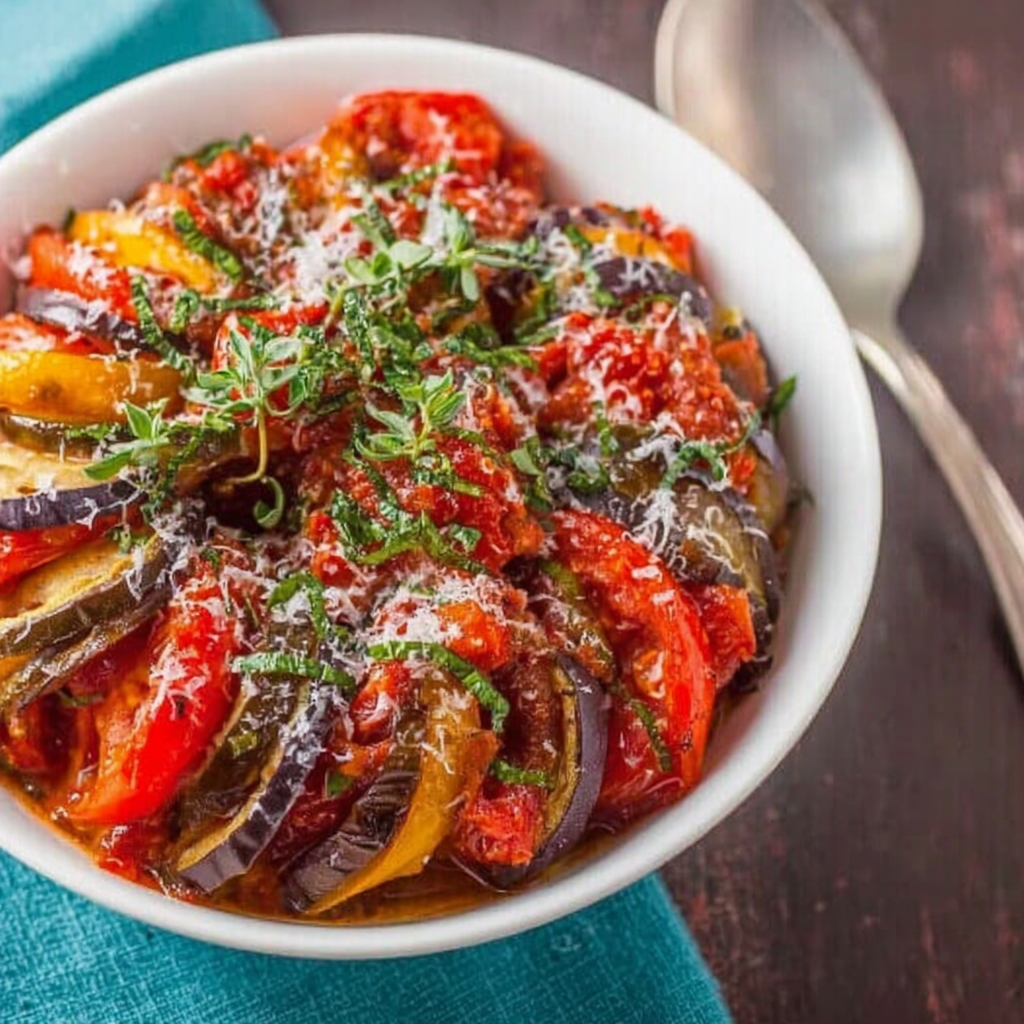
Ratatouille may seem like a dish that requires hours of careful attention, but with the power of the slow cooker, you can make this classic Provençal dish effortlessly. The combination of fresh vegetables and fragrant herbs simmers slowly, allowing the flavors to meld beautifully without demanding constant supervision.
This dish is more than just a mix of vegetables; it’s a celebration of summer produce, featuring zucchini, eggplant, bell peppers, and tomatoes. The slow-cooking method not only preserves the vibrant colors of the veggies but also develops a rich depth of flavor that a quick sauté simply cannot achieve.
Ingredients
- 1 medium eggplant, diced
Eggplant contributes a creamy texture and absorbs flavors well, enhancing the overall taste of the ratatouille. It's essential to salt the eggplant before cooking to draw out its bitterness. - 2 medium zucchinis, sliced
Zucchini adds a fresh, mild sweetness and balances the heartiness of the eggplant. Its quick cooking nature helps it retain a pleasant crunch in the final dish. - 1 bell pepper (red or yellow), chopped
The bell pepper introduces a pop of color and sweetness. It caramelizes beautifully in the slow cooker, providing a contrasting flavor to the other vegetables. - 1 onion, chopped
Onion is the aromatic base of the dish, imparting fragrance and sweetness. It develops a rich complexity during the slow cooking process, enhancing the dish's overall flavor profile. - 4 cloves of garlic, minced
Garlic adds a fragrant kick that complements the vegetables. It's important to add garlic in the last hour of cooking to prevent it from becoming bitter. - 6 ripe tomatoes, chopped, or 1 can (14 oz) of diced tomatoes
Tomatoes provide acidity and moisture. They are the backbone of the sauce, bringing all the other ingredients together with their tangy sweetness. - 2 tsp dried thyme
Thyme adds an earthy, herbal note that enhances the dish's Mediterranean character. It's a key herb in traditional ratatouille. - 2 tsp dried basil
Dried basil brings warmth and a sweet, slightly peppery flavor, complementing the tomatoes perfectly. Fresh basil can be added at the end for a burst of freshness. - Salt and pepper to taste
These are essential for bringing out the flavors of the vegetables and herbs. Adjusting seasoning is crucial before serving. - 2 tbsp olive oil
Olive oil is essential for flavor and richness. It helps the vegetables soften and acts as a medium for heat conduction during slow cooking.
Directions & Preparation
Step 1: Prepare the eggplant by salting it for bitterness.
Start by dicing the eggplant and placing it in a colander. Sprinkle it with salt and let it sit for about 30 minutes. This process draws out moisture and any bitterness, resulting in a more flavorful dish. Rinse the eggplant and pat it dry before adding it to the slow cooker.
Step 2: Chop the remaining vegetables and garlic.
While the eggplant is draining, prepare the other ingredients. Chop the zucchini, bell pepper, onion, and tomatoes, and mince the garlic. Having everything prepped in advance simplifies the assembly of the dish and ensures even cooking.
Step 3: Layer the vegetables in the slow cooker.
Start layering the vegetables in the slow cooker, beginning with the eggplant. This provides a sturdy base, followed by the zucchini, bell pepper, onion, and finally the tomatoes. The order helps in even cooking and prevents softer vegetables from getting too mushy.
Step 4: Add the dried herbs and olive oil.
Sprinkle the thyme and basil over the layered vegetables. Drizzle with olive oil and season with salt and pepper. The oil helps in cooking and flavoring, while the herbs will release their essential oils during the long cooking process, enhancing the dish’s bouquet.
Step 5: Set the slow cooker to low and cook for 6-8 hours.
Cooking on low for a longer time allows the flavors to develop profoundly. During this time, the vegetables will soften, and their natural sugars will caramelize, resulting in a complex and tasty dish. Just let it do its magic!
Step 6: Add minced garlic in the last hour of cooking.
Timing is key when it comes to garlic—adding it towards the end of the cooking process prevents it from becoming bitter and ensures its fresh flavor shines through in the final dish.
Step 7: Taste and adjust the seasoning before serving.
Before serving, check for seasoning and adjust salt and pepper to taste. This step is crucial as it ensures the dish is perfectly balanced. The slow cooker can sometimes dilute flavors, so don't skip this!
Step 8: Serve your ratatouille warm or at room temperature.
Ratatouille can be enjoyed warm, served over grains, or even at room temperature as a salad. The flavor deepens after a day in the fridge, making it ideal for leftovers. Consider garnishing with fresh basil for an aromatic finish.

Why Layering Matters in Ratatouille
Layering ingredients in a slow cooker is vital for even cooking and flavor distribution. By placing the heartier vegetables like eggplant at the bottom, they can absorb flavors from the top vegetables as they cook. This method also prevents the softer veggies from turning mushy, ensuring distinct textures and tastes in the final dish.
Choosing the Right Tomatoes
Tomatoes are the heart of ratatouille, and choosing the right kind can significantly enhance the dish's flavor. Fresh, ripe summer tomatoes provide natural sweetness and acidity, while canned tomatoes are a great option in off-seasons. Opt for whole or diced tomatoes without additives, ensuring a clean and vibrant flavor profile.
Serving Suggestions for Ratatouille
Ratatouille is versatile and can elevate many meals. Serve it over couscous or quinoa for a hearty main, or as a side to grilled meats or fish. Additionally, it can be blended into a soup or used as a pizza topping, showcasing its adaptability in various culinary contexts.
FAQs
What should I do if my ratatouille is too thick?
If your ratatouille turns out too thick, you can stir in a bit of vegetable broth or water to loosen it up. Adjust gradually, as you want a stew-like consistency.
Can I use frozen vegetables for this recipe?
Yes, you can use frozen vegetables; however, they may release more water than fresh ones. Adjust the cooking time to avoid a watery ratatouille.
Why is my ratatouille bland?
If your ratatouille tastes bland, it may need more seasoning or a splash of acidity, such as lemon juice or vinegar, to brighten the flavors. Taste as you go!
What if I want to add more vegetables?
Feel free to add vegetables like carrots or green beans; just consider their cooking times. It's best to chop similar-sized pieces for even cooking.
Can I use fresh herbs instead of dried?
Absolutely! Use three times the amount of fresh herbs as the dried ones for best results. Add them at the beginning and finish with additional fresh herbs for brightness.
What if my vegetables are overcooked?
If your ratatouille is overcooked, the vegetables will be mushy. In future attempts, check for doneness an hour before the suggested cooking time to maintain some texture.
Conclusion
Slow cooker ratatouille is more than a meal; it's a journey of flavors and textures that embody the essence of Mediterranean cooking. This dish is ideal for everything from weeknight dinners to gatherings with family and friends, offering a taste that’s as beautiful as it is nourishing.
As you enjoy this comforting dish, reflect upon the simplicity of good ingredients coming together, showing that slow cooking is a wonderful way to create something extraordinary with minimal effort.
Recipe Card
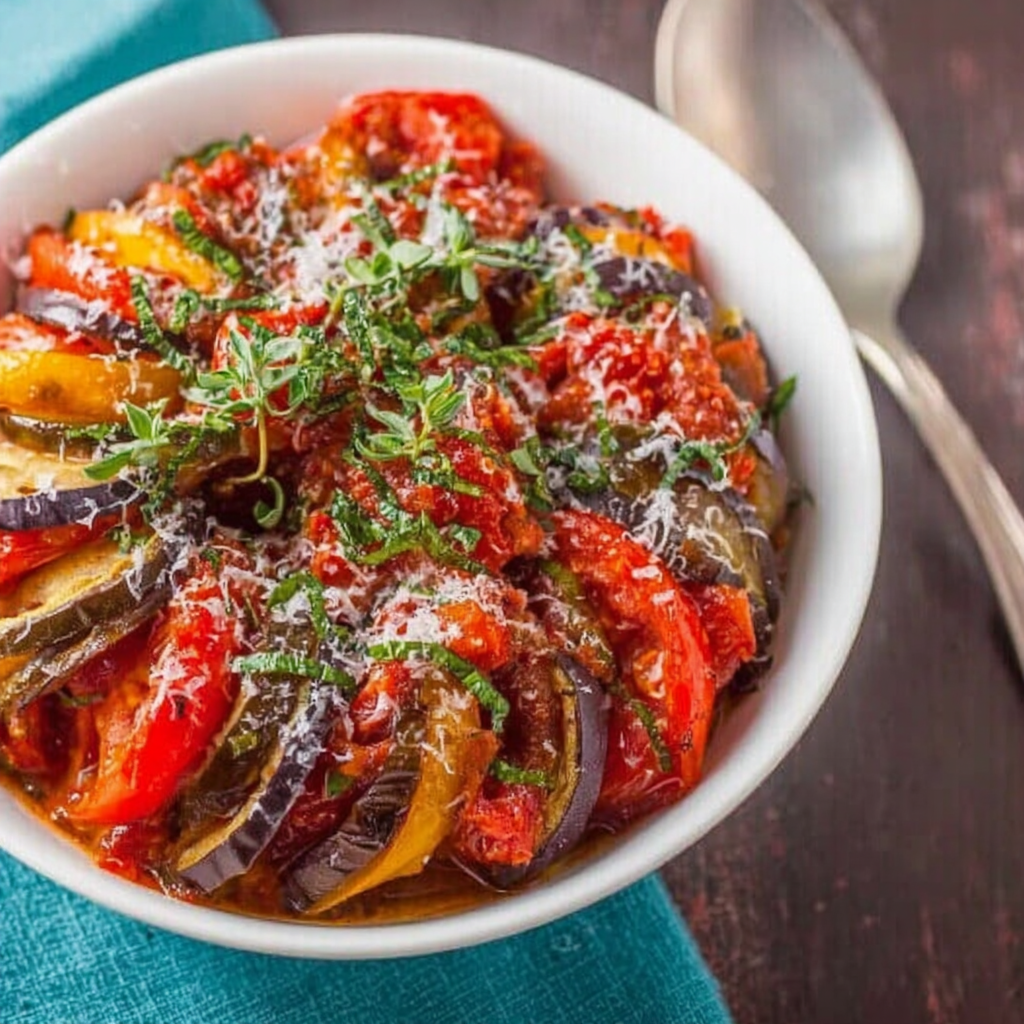
A Wholesome Approach to Slow Cooker Ratatouille
Ingredients
Method
- Prepare the eggplant by salting it for bitterness.
- Chop the remaining vegetables and garlic.
- Layer the vegetables in the slow cooker.
- Add the dried herbs and olive oil.
- Set the slow cooker to low and cook for 6-8 hours.
- Add minced garlic in the last hour of cooking.
- Taste and adjust the seasoning before serving.
- Serve your ratatouille warm or at room temperature.
Notes
Additional serving suggestions: pair with a crisp salad, garlic bread, or roasted seasonal vegetables for balance.
For make-ahead, prep components separately and assemble just before heating to preserve texture.
Taste and adjust with acid (lemon/vinegar) and salt right at the end to wake up flavors.