Introduction
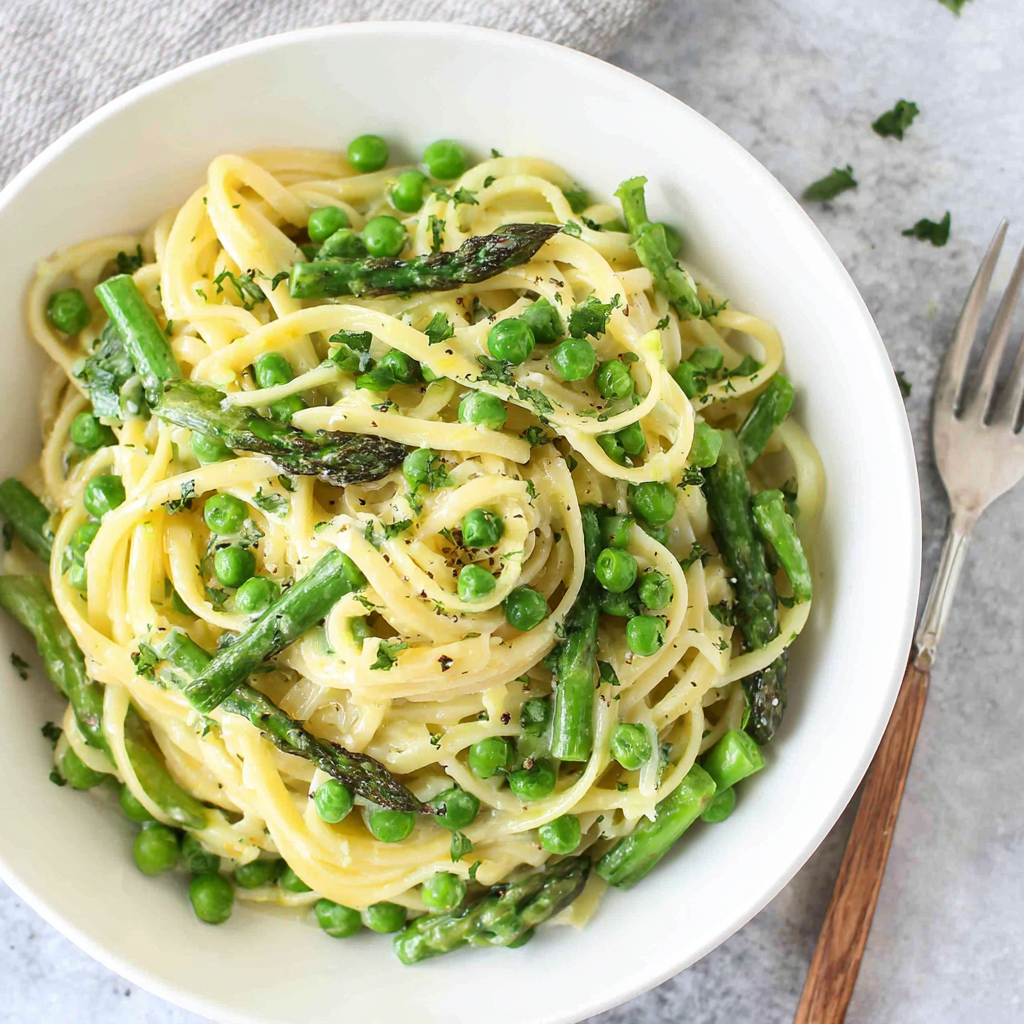
As spring heralds the arrival of fresh produce, one can hardly resist the vibrant colors and flavors of peas and asparagus. This dish embraces the essence of the season with its light yet satisfying pasta, showcasing the natural sweetness of its main ingredients. Perfect for a weeknight dinner or a special gathering, this recipe balances simplicity with artistry, making it an ideal choice for home cooks.
Combining tender asparagus and sweet peas, the pasta not only stands out visually but delivers freshness in every bite. Each element, from the creamy sauce to the fragrant herbs, plays an essential role in elevating this dish. Enjoying this meal means connecting with the earth's bounty while indulging in a delightful culinary experience.
Ingredients
- 12 oz. pasta (fettuccine or linguine)
The pasta forms the main body of the dish, providing a comforting base. Fettuccine or linguine are excellent choices as they hold sauces well due to their flat surface area, ensuring each forkful is flavorful. - 1 cup fresh peas (or frozen, thawed)
Fresh peas add a burst of sweetness and bright green color to the dish. When cooked, they retain a slight crunch, which contrasts beautifully with the tender pasta, enhancing the overall texture and flavor. - 1 bunch asparagus (about 1 lb), trimmed and cut into bite-sized pieces
Asparagus brings earthiness and a unique flavor profile to the dish. When sautéed, it becomes tender while still maintaining a bit of bite, adding depth and a touch of elegance. - 2 tablespoons olive oil
Olive oil serves as a base for sautéing the asparagus and peas. It adds richness and depth to the dish, while also promoting the absorption of fat-soluble vitamins from the vegetables. - 2 garlic cloves, minced
Garlic adds a punch of aromatic flavor that elevates the overall taste. It infuses the oil while sautéing, creating a fragrant foundation that enhances the dish's appeal. - 1 cup heavy cream
Heavy cream lends a rich and velvety texture to the sauce, helping to meld all the ingredients together seamlessly. It balances the freshness of the vegetables and enriches the overall flavor. - 1/2 cup grated Parmesan cheese
Parmesan cheese adds a savory, umami note that enhances the dish with its distinct flavor. Its saltiness also balances the sweetness of the peas and the creaminess of the sauce. - Salt and pepper to taste
Seasoning is crucial in bringing out the natural flavors of each ingredient. Salt enhances taste, while pepper provides a subtle heat, creating a balanced culinary experience. - 1 tablespoon lemon juice (freshly squeezed)
Lemon juice brightens the dish and adds acidity, cutting through the richness of the cream. This final touch makes the flavors pop and adds a refreshing note to the overall profile. - Fresh basil or parsley for garnish
Herbs not only serve as a decorative element but also contribute fresh flavors. Basil or parsley can enhance the dish's aroma and introduce herbal notes that complement the vegetables perfectly.
Directions & Preparation
Step 1: Cook pasta according to package instructions.
Start by bringing a large pot of salted water to a rolling boil. Add the pasta and cook it until al dente, which typically takes about 8 to 10 minutes depending on the type. Cooking it just right is important to ensure the pasta maintains a firm texture that will hold up in the dish, and the salt adds flavor that penetrates the pasta.
Step 2: While the pasta cooks, heat olive oil in a large skillet over medium heat.
In a separate large skillet, heat the olive oil and allow it to warm before adding the asparagus. This step is crucial because it helps to sauté the vegetables evenly, ensuring they cook through without becoming mushy. Monitor the heat; if it's too high, the oil could smoke or cause the garlic to burn.
Step 3: Add minced garlic and asparagus pieces to the skillet, cooking for about 3-5 minutes.
Once the oil is hot, add the minced garlic and asparagus. This is the moment when the dish begins to come alive, as the garlic emits its aroma and flavors the oil. Sauté the asparagus until it is tender-crisp; overcooking can lead to a mushy texture that detracts from the final presentation.
Step 4: Stir in the peas and heavy cream, bringing the mixture to a gentle simmer.
Next, add the peas and cream to the skillet, stirring well to combine. Bringing this to a gentle simmer allows the flavors to meld and the sauce to thicken slightly. Keep an eye on it to ensure it doesn't boil too vigorously, as this can lead to separation of the cream.
Step 5: Mix in the grated Parmesan cheese, salt, and pepper.
Once the mixture is simmering, add the grated Parmesan, salt, and pepper. The cheese will melt into the sauce, creating a rich and creamy texture. Taste as you go, adjusting seasoning as needed to layer the flavors properly.
Step 6: Combine cooked pasta with the sauce in the skillet.
After the pasta is ready, drain it and add it directly to the skillet with the sauce. Tossing the pasta in the sauce allows it to absorb the flavors. Ensure every strand is coated and heated through for maximum deliciousness.
Step 7: Finish with lemon juice and garnish with fresh herbs.
Off the heat, stir in a tablespoon of fresh lemon juice to brighten the dish, followed by a sprinkle of your chosen herbs. Garnishing not only enhances the visual appeal but also adds freshness right before serving, making the dish feel complete.
Step 8: Serve immediately and enjoy.
This dish is best enjoyed fresh, so plate it up and serve immediately. The vibrant colors and aromas will entice everyone at the table to dig in. Don't forget to share your culinary creation and savor the flavors of spring!

Seasonal Ingredients Shine
This pasta dish highlights the beauty of seasonal cooking, maximizing fresh ingredients like peas and asparagus. These vegetables not only bring vibrant colors to the plate but also their peak flavors during springtime. Utilizing seasonal produce not only enhances taste but also supports local farmers, making the meal a celebration of what nature has to offer.
Quick to Prepare Yet Distinctive
Designed for the busy home cook, this recipe can be whipped up in about 30 minutes, making it an ideal choice for weeknights. The simplicity of preparation does not sacrifice quality; instead, it showcases an elegant dish that impresses without extensive effort. With just a handful of ingredients, you can create a memorable meal that's both satisfying and delicious.
Perfectly Balanced Flavors
One of the secrets to this dish's appeal lies in its well-balanced flavors. The sweetness of peas, the earthiness of asparagus, and the richness of cream come together in harmony. Each component enhances the others: the tang of lemon brightens the richness, while Parmesan adds depth. This intricate balance is what makes every bite enjoyable and keeps you coming back for more.
FAQs
Why is my sauce too thick?
If your sauce is too thick, you can easily thin it out by adding a splash of pasta cooking water or additional cream. This will help to reach your desired consistency while still maintaining flavor.
What can I do if my pasta is overcooked?
If the pasta is overcooked, it can become mushy. To salvage the dish, try mixing in a little extra cream and cooking it with the sauce briefly to help recreate some of its original texture.
Can I use other vegetables in this recipe?
Absolutely! If you prefer or have other vegetables on hand, you can substitute or add in items like zucchini, spinach, or bell peppers, adjusting cooking times as needed for each vegetable.
How do I make this gluten-free?
To make this pasta dish gluten-free, simply substitute traditional pasta with gluten-free pasta varieties. Be sure to check the cooking times as they may vary from regular pasta.
Is there an alternative to heavy cream for a lighter dish?
If you're looking for a lighter version, you can substitute heavy cream with half-and-half or a combination of milk and a tablespoon of cornstarch to thicken the sauce while keeping it creamy.
What if the dish ends up being bland?
If your dish is too bland, consider adding additional salt, pepper, or a splash more lemon juice to brighten the flavors. Tasting as you go can help achieve the desired taste.
Conclusion
Pea and asparagus pasta is a captivating dish that harmonizes the freshness of spring with the comforts of a creamy pasta. It’s a delightful recipe that invites home cooks to explore the beauty of seasonal ingredients and encourages others to savor simple pleasures.
As you gather around the table, let this pasta dish spark conversations over the vibrant flavors and inspire future creations in the kitchen. With every bite, appreciate the nourishing essence of home-cooked meals that bring joy and satisfaction.
Recipe Card
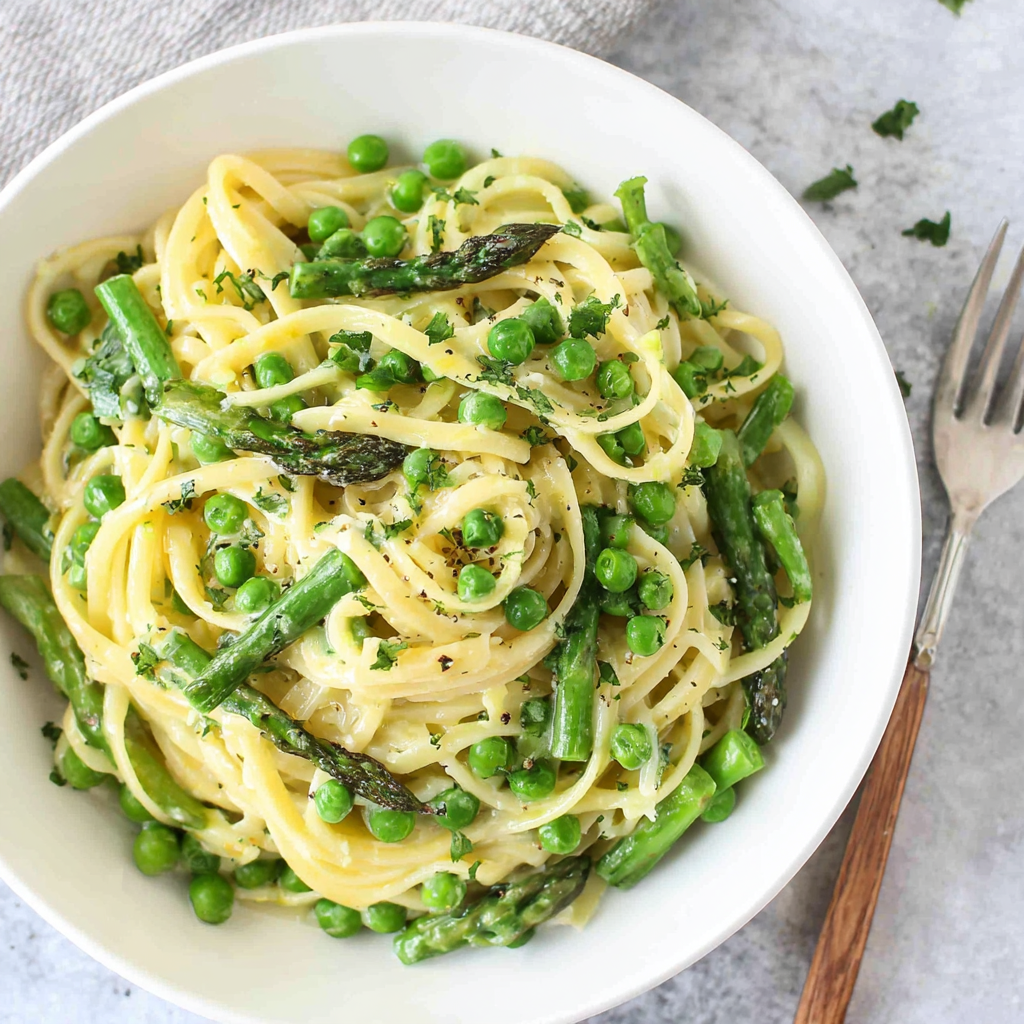
Bright and Fresh Pea and Asparagus Pasta Dish
Ingredients
Method
- Cook pasta according to package instructions.
- While the pasta cooks, heat olive oil in a large skillet over medium heat.
- Add minced garlic and asparagus pieces to the skillet, cooking for about 3-5 minutes.
- Stir in the peas and heavy cream, bringing the mixture to a gentle simmer.
- Mix in the grated Parmesan cheese, salt, and pepper.
- Combine cooked pasta with the sauce in the skillet.
- Finish with lemon juice and garnish with fresh herbs.
- Serve immediately and enjoy.
Notes
Additional serving suggestions: pair with a crisp salad, garlic bread, or roasted seasonal vegetables for balance.
For make-ahead, prep components separately and assemble just before heating to preserve texture.
Taste and adjust with acid (lemon/vinegar) and salt right at the end to wake up flavors.