Introduction
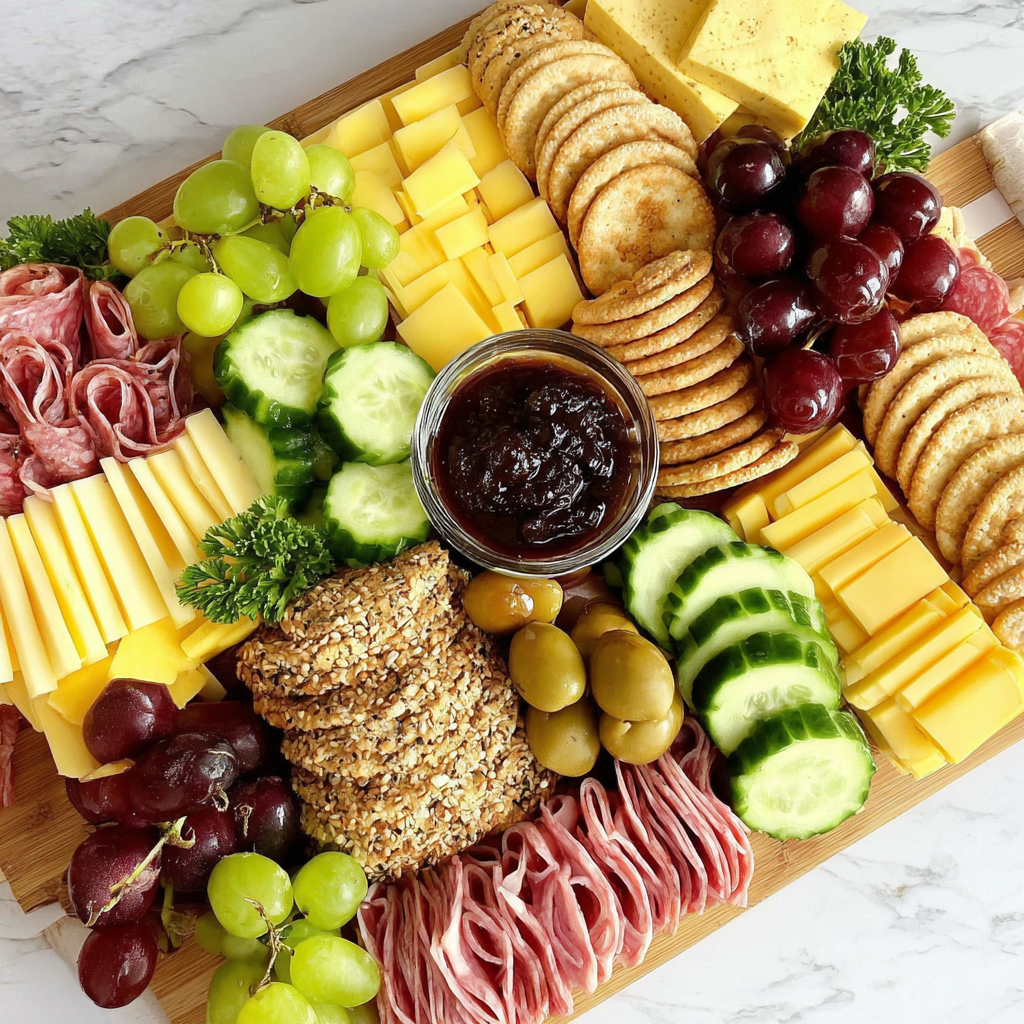
An Irish charcuterie board is a delectable fusion of traditional Irish flavors and artisanal ingredients that offers a whimsical twist on a classic platter. This board caters to the senses, inviting guests to partake in a colorful spread of meats, cheeses, and accompaniments. Whether it's for a festive gathering, holiday celebration, or an intimate dinner, this board promises to be a conversation starter.
The heart of a successful charcuterie board lies not just in its visual appeal but also in the balanced flavor profiles and textures. Including a variety of cured meats, robust cheeses, and local delicacies ensures that each bite offers something new. Additionally, the careful selection of accompaniments like breads and jams elevates the experience, making it both satisfying and memorable.
Ingredients
- 8 oz of Irish Cheddar
This cheese is known for its rich, nutty flavors and crumbly texture, making it an ideal base for the board. Its strong character pairs well with fig jam or hearty crackers. - 4 oz of Dubliner cheese
A blend of sharp and sweet notes, Dubliner adds depth to the board. Its slightly sweet flavor complements the savory meats beautifully. - 6 oz of cured Irish bacon
Distinctive and flavorful, this bacon makes a savory addition. Its smoky richness introduces another layer of taste that contrasts nicely with cheeses. - 4 oz of smoked salmon
Lox adds a delicate touch with its silky texture and briny flavor, enhancing the diversity of ingredients and catering to different palates. - 4 oz of black pudding
A traditional Irish delicacy, black pudding brings a hearty element to the board. Its rich, spiced flavor can act as a unique anchor for the tasting experience. - 1 cup of mixed olives
Olives contribute a briny bite that balances the richness of the cheeses and meats. Their varied textures add visual appeal, too. - 1 tiny jar of Irish honey
Honey introduces a sweet contrast to the savory elements and pairs exceptionally well with cheese. - 1 cup of artisan crackers
These provide structure to the board and serve as the perfect vehicle for cheese and spreads, rounding out the overall tasting experience. - 1 cup of sliced apples or pears
Fruits bring freshness and a touch of acidity, balancing the rich flavors on the board and giving a refreshing bite between richer selections. - 1 handful of nuts (e.g., walnuts or hazelnuts)
Nuts offer crunch and varied nutty flavors that elevate the charcuterie board while complementing both cheeses and meats.
Directions & Preparation
Step 1: Cheese Preparation
Begin by slicing the Irish Cheddar and Dubliner cheese into bite-sized pieces or wedges. When arranging cheese on a charcuterie board, consider varying shapes and sizes to create visual interest. Ensuring the cheeses are at room temperature before serving enhances their flavors, allowing guests to fully appreciate their unique profiles.
Step 2: Meat Arrangement
Next, cut the cured Irish bacon and slice the black pudding into smaller portions. Fan out the thinly sliced meats across the board for easy access. This generous display adds a visually appealing contrast against the cheeses and invites guests to mix and match their bites.
Step 3: Add Seafood
Place the smoked salmon on the board, curling the slices for an elegant presentation. Because this component is lighter, it complements the richer flavors from the meats and cheeses, keeping the tasting progression exciting. This will also encourage guests to try different combinations.
Step 4: Incorporate Fruits and nuts
Arrange the apple or pear slices artistically around the board, nestling in the nuts to create visual balance. The acidity of the fruits will refresh the palate, providing a delightful contrast to the richness of the cheeses and meats. Mixing in colors will enhance the visual appeal and stimulate appetite.
Step 5: Include Accompaniments
Position the mixed olives and a tiny jar of Irish honey on the board to invite interaction. Adding various accompaniments allows guests to customize their bites. It’s helpful to have a small spoon for the honey, giving a touch of sweetness when drizzled over the cheese.
Step 6: Final Touches
Finish by filling in any gaps with artisan crackers, ensuring they are easy to reach. This not only provides a solid base for mounting ingredients but also enhances texture. Lastly, take a step back and admire the artful arrangement before serving!

Crafting Textures and Flavors
The beauty of an Irish charcuterie board lies in the intricate interplay of textures and flavors. By incorporating a variety of cheeses, meats, and fresh fruits, you create a spectrum that invites experimentation. The key is balance; the creaminess of the cheddar should contrast with the crunch of the apples while harmonizing with the bacon's smokiness. This diversity ensures that every bite offers a surprise.
The Art of Visual Presentation
Presentation is as significant as flavor when it comes to a charcuterie board. Layering and arranging the ingredients in an aesthetically pleasing manner can elevate the experience. Use different colors and shapes, and place items in groups to guide guests' hands. It’s like creating a work of art on your table where the food beckons to be tasted.
Pairing Drinks Perfectly
A well-assembled charcuterie board deserves a fitting beverage. For an Irish charcuterie board, consider pairing it with a stout or a crisp white wine. The richness of a stout complements the fatty flavors of the meats, while a fresh white wine can enhance the tasting experience by cutting through the creaminess of the cheeses.
FAQs
What makes Irish cheese different?
Irish cheeses often have a unique creaminess and a blend of robust flavors due to the grass-fed dairy from the country's pastures.
Can I substitute a different type of meat?
Yes, feel free to substitute with prosciutto or another type of cured meat if you want to cater to different tastes.
Why should I let cheese come to room temperature?
Allowing cheese to rest at room temperature activates its flavors, making them more vibrant and enjoyable.
What if the board feels too salty?
If the board seems too salty, balance it with more fruits and honey to cut through that heaviness.
How do I ensure the ingredients pair well?
Aim for a balance of flavors—rich meats with acidic fruits, creamy cheeses with crunchy nuts—to create a harmonious tasting experience.
What fruits work best on an Irish charcuterie board?
Sliced apples and pears work beautifully to contrast with rich cheeses and savory meats, while their sweetness enhances overall flavor.
Conclusion
Creating an Irish charcuterie board is not simply about combining ingredients; it’s about crafting an experience. By taking time to select and arrange each element, you offer your guests a chance to explore flavors, textures, and aromas that reflect the essence of Ireland's culinary heritage.
Remember, the joy of a charcuterie board lies in its shared nature. Encourage your guests to mix and match ingredients, share their favorite combinations, and create their own unique bites. This celebration of flavors not only fills the stomach but fosters connection among friends and family.
Recipe Card
Crafting a Delightful Irish Charcuterie Board
Ingredients
Method
- Cheese Preparation
- Meat Arrangement
- Add Seafood
- Incorporate Fruits and nuts
- Include Accompaniments
- Final Touches
Notes
Additional serving suggestions: pair with a crisp salad, garlic bread, or roasted seasonal vegetables for balance.
For make-ahead, prep components separately and assemble just before heating to preserve texture.
Taste and adjust with acid (lemon/vinegar) and salt right at the end to wake up flavors.