Introduction
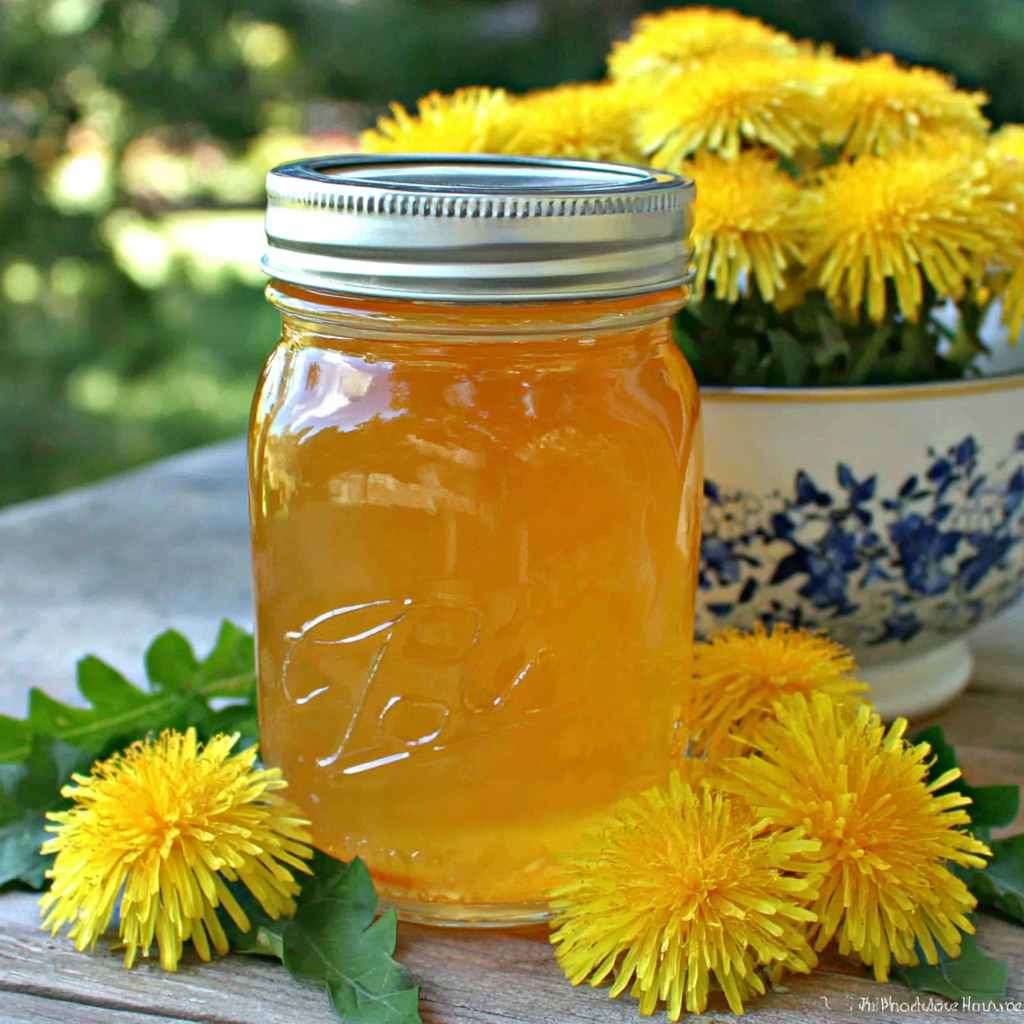
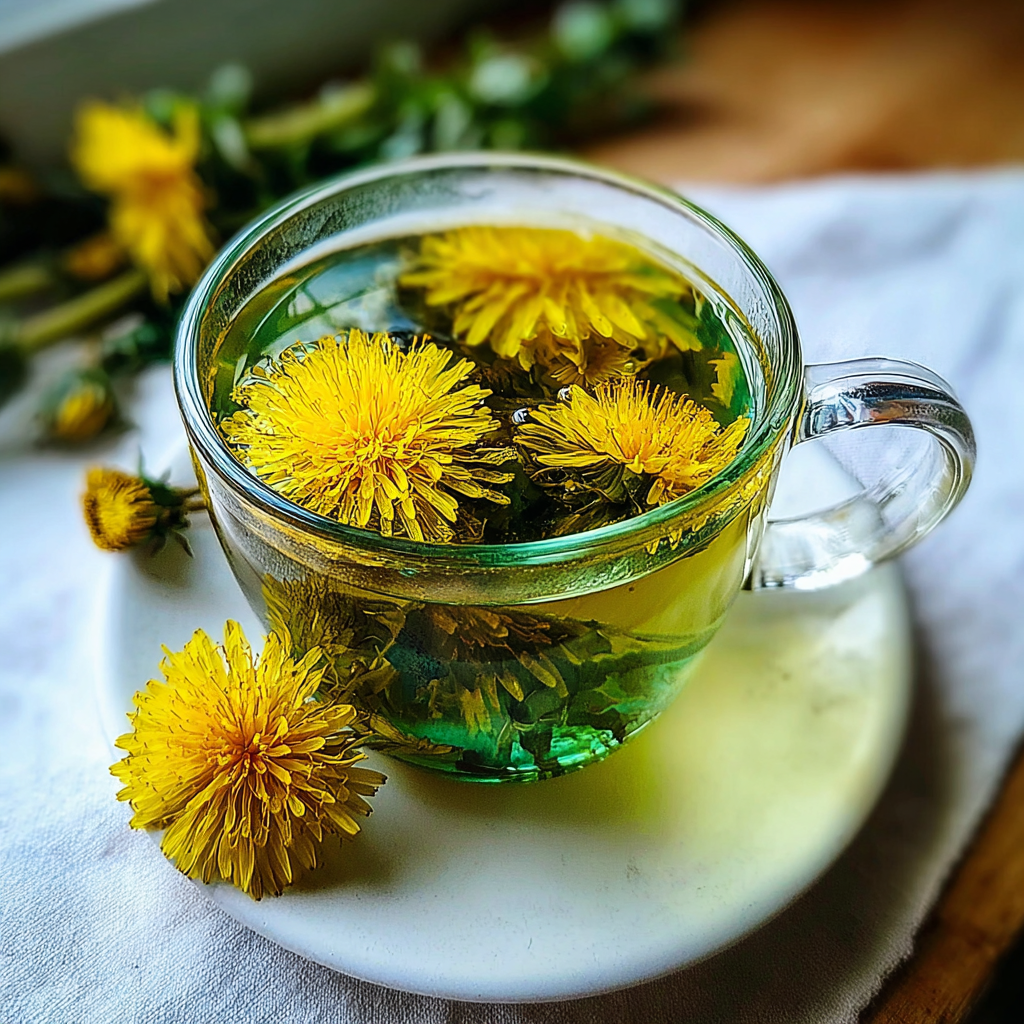
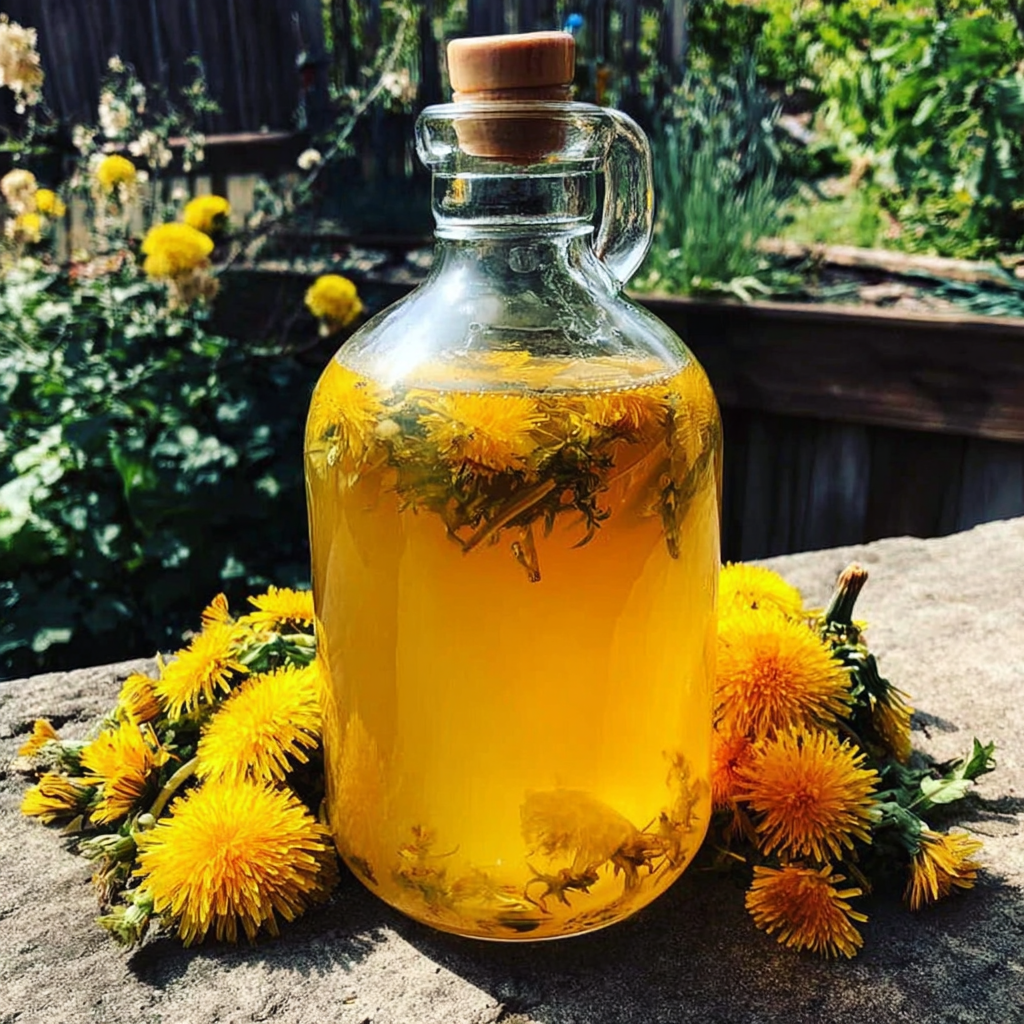
Dandelion mead, a delicious and unique beverage, has been enjoyed by fermentation enthusiasts for centuries. This floral infusion of honey and dandelion petals offers a refreshing taste that can be savored in any season. Brewing it at home connects you to nature, allowing you to harvest wildflowers and transform them into a delightful drink.
The process of making dandelion mead is more straightforward than one might think, requiring a few key ingredients and a bit of patience. Whether you're a novice or a seasoned home brewmaster, this guide will walk you through crafting your own batch of this sunshine-hued beverage that's perfect for sharing with friends or enjoying during quiet moments at home.
Ingredients
- 4 cups dandelion petals
Fresh, organic dandelion petals are the main flavor component of this mead. They contribute a mild, sweet floral note that pairs wonderfully with the honey. Make sure to pick petals from clean areas, avoiding pesticides or pollutants. - 1 gallon of water
Water acts as the base for our mead. It’s important that you use filtered or spring water to ensure that any impurities do not alter the flavor profile. The water also helps in dissolving the honey and extracting flavors from the dandelions. - 2 cups honey
Honey is the primary fermentable sugar and the backbone of your mead. It adds sweetness and depth of flavor, while different types of honey will lend distinct characteristics and complexity to your finished drink. - 1/4 teaspoon active dry yeast
Yeast is essential for fermentation, converting the sugars from the honey into alcohol. Using active dry yeast ensures a consistent fermentation process, leading to a bubbly and effervescent mead. - 1/2 lemon (juiced)
The juice from the lemon provides acidity and brightness to the mead, balancing out the sweetness from the honey and enhancing the overall flavor. Lemon also acts as a natural preservative during the fermentation. - Optional: 1/2 cup of raisins
Raisins can serve as additional fermentable sugars and contribute a rich, fruity flavor to your mead. They also help to kickstart the fermentation process by providing nutrients for the yeast.
Directions & Preparation
Step 1: Harvest and prepare dandelion petals.
Begin by gathering your dandelion petals in a clean and pesticide-free area. Make sure to only pick the yellow petals, discarding the green parts of the flower, as they can add bitterness to your mead. Rinse the petals gently to remove any debris, emphasizing cleanliness which is key for a successful fermentation.
Step 2: Boil the water and dissolve the honey.
In a large pot, bring your gallon of water to a boil. Once boiling, remove it from heat, allowing it to cool slightly before stirring in the honey. This step is crucial, as it ensures that the honey fully dissolves into the water, creating a smooth honey-water solution that serves as the base for your mead.
Step 3: Add dandelion petals and lemon juice.
After the honey has fully dissolved, stir in the dandelion petals and the freshly squeezed lemon juice. Allow the mixture to sit for about an hour; this steeping period extracts the floral flavors from the petals and infuses the mead with vibrant aromas, setting the stage for a well-balanced flavor.
Step 4: Strain the mixture into a fermentation vessel.
Using a fine mesh strainer or cheesecloth, carefully strain the mixture into your fermentation vessel, catching the petals and any solids. Proper straining is vital for avoiding unwanted bitterness in the final mead, as well as ensuring a clean fermentation space for your yeast.
Step 5: Add yeast and optional raisins.
Once the mixture has cooled to a lukewarm temperature, sprinkle in the active dry yeast and stir gently. If using, add the raisins at this stage. The yeast will consume the sugars and produce alcohol, so incorporating it at the right temperature is essential for a healthy fermentation process.
Step 6: Cover and ferment.
Cover the fermentation vessel with a clean cloth or airlock, allowing carbon dioxide to escape while preventing contaminants from entering. Store the vessel in a cool, dark place, ideally between 65-75°F (18-24°C). Allow fermentation to proceed for 4-6 weeks, observing the bubbling action as evidence of the yeast at work.
Step 7: Monitor fermentation and taste.
After about four weeks, check on your mead. A sample can be tasted to assess flavor development. If it’s to your liking, prepare for bottling. This step is key, as it allows you to make any adjustments—like adding more honey for sweetness—before sealing it away.
Step 8: Bottle your mead.
Once you're satisfied with the flavor, it's time to bottle. Use sanitized bottles and funnels to transfer your mead carefully, leaving some space at the top. Ensure that the mead is stored upright to avoid contamination and preserve flavors during the aging process.
Step 9: Age your dandelion mead.
Finally, let your bottled mead age for at least another month. Aging not only enhances the flavor profile but allows any harshness to mellow out, creating a smoother and more enjoyable drink. Taste periodically until it's just how you like it, then enjoy your homemade creation!

The Importance of Quality Ingredients
The flavors and characteristics of dandelion mead largely depend on the quality of your ingredients. Fresh dandelion petals gathered from a clean area are essential; they should be vibrant and free from any blemishes. Furthermore, using high-quality honey will enhance the mead's taste and aroma, contributing to its final profile. Seek out local or organic honey for a richer flavor that makes your mead stand out.
Fermentation: The Heart of Mead Making
Fermentation is a delicate and vital process in mead making, allowing yeast to convert sugars into alcohol. It’s crucial to monitor the temperature and the activity of your yeast during this stage. The ideal fermentation environment is dark and cool, preventing off-flavors or spoilage. This is also when you should decide if adjustments are needed, creating a customized experience that enhances your overall brewing journey.
Aging for Flavor Complexity
Aging your dandelion mead is a critical step that can drastically improve its quality. The aging process allows different flavors to meld and mature, leading to a more rounded and balanced beverage. The minimum aging time recommended is one month, but many find that three to six months yields a much more complex flavor. Patience rewards you with layers of taste and aromas that elevate your homemade mead.
FAQs
What should I do if my mead is too sweet?
If your dandelion mead tastes too sweet, you can dilute it with a small amount of water or add more lemon juice to balance the sweetness. Alternatively, consider allowing it to ferment for a longer period to achieve more dryness.
How can I enhance the floral notes in my mead?
To enhance the floral notes, you can add more dandelion petals or even incorporate other edible flowers, such as chamomile or elderflower, at the steeping stage. Be mindful not to overpower the dandelion flavor.
I think my fermentation has stopped too soon. What should I do?
If fermentation appears to be stalled, ensure the temperature is within the ideal range and gently swirl the vessel to mix the yeast back into suspension. If necessary, add a small amount of sugar to jumpstart the fermentation process again.
What alternative sweeteners can I use besides honey?
While honey is traditional for mead, you can experiment with agave nectar or maple syrup. Just remember that these alternatives have different flavors and fermentability, so adjust quantities accordingly.
Why is my mead cloudy, and how can I clear it?
Cloudiness in mead can occur due to particulate matter or yeast remnants. You can clarify your mead by adding fining agents like bentonite, or simply allow it to settle over time before bottling, which can naturally clear the liquid.
Is there a best time to harvest dandelions for making mead?
The best time to harvest dandelions for mead is during their peak bloom in spring when the flowers are vibrant and fresh. This is when they have the best flavor and fragrance, providing the most impact in your brew.
Conclusion
Making dandelion mead at home is a rewarding and enjoyable experience that celebrates the beauty of nature and the art of fermentation. As you sip your finished mead, relish the connection to the earth and the craft that brought this delightful drink to life.
With a little practice and patience, you can develop your unique variations, creating endless possibilities for flavor exploration. Share your homemade dandelion mead with friends and family, or enjoy it yourself—either way, you've created something truly special.
Recipe Card
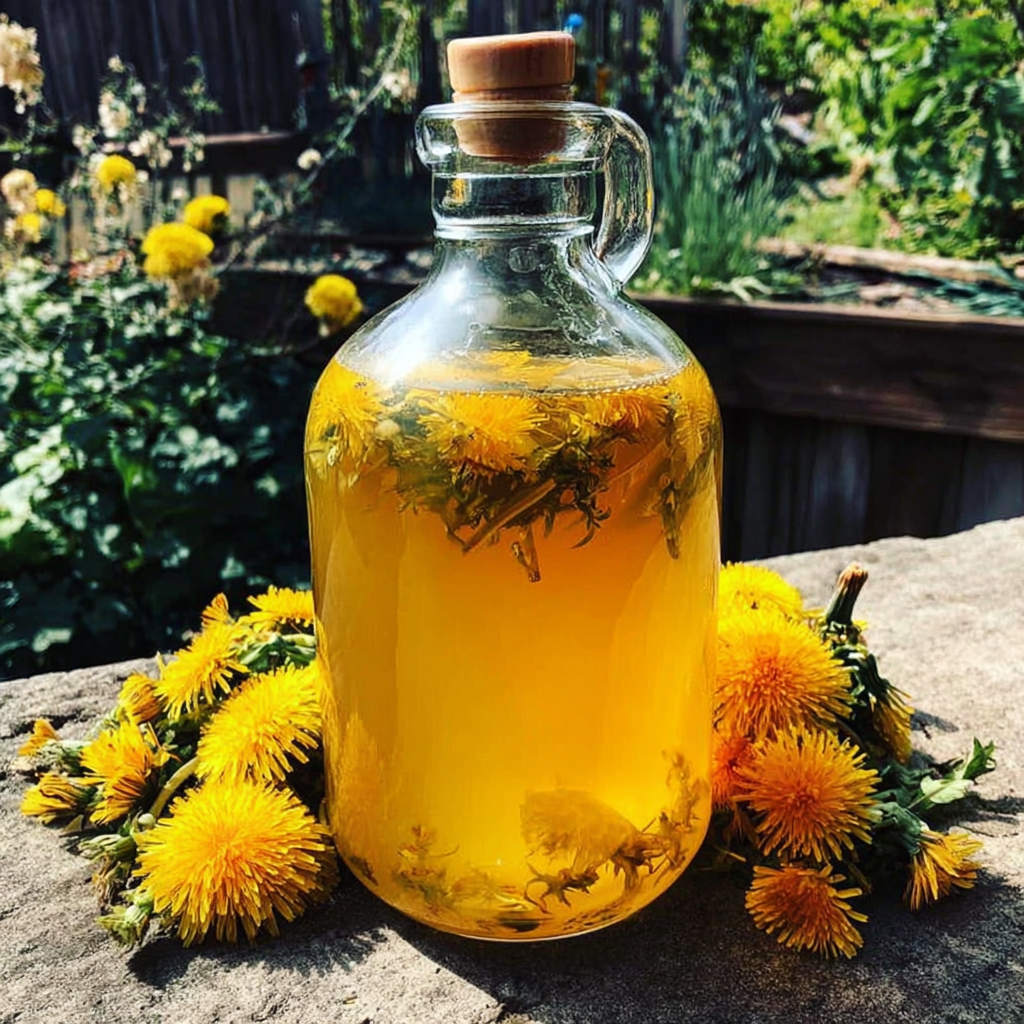
Crafting Dandelion Mead at Home with Ease
Ingredients
Method
- Harvest and prepare dandelion petals.
- Boil the water and dissolve the honey.
- Add dandelion petals and lemon juice.
- Strain the mixture into a fermentation vessel.
- Add yeast and optional raisins.
- Cover and ferment.
- Monitor fermentation and taste.
- Bottle your mead.
- Age your dandelion mead.
Notes
Additional serving suggestions: pair with a crisp salad, garlic bread, or roasted seasonal vegetables for balance.
For make-ahead, prep components separately and assemble just before heating to preserve texture.
Taste and adjust with acid (lemon/vinegar) and salt right at the end to wake up flavors.