Introduction
Charcuterie boards are a delightful way to present an array of flavorful bites, perfect for gatherings or intimate dinners. They invite creativity and personal flair, making every board unique to its creator.
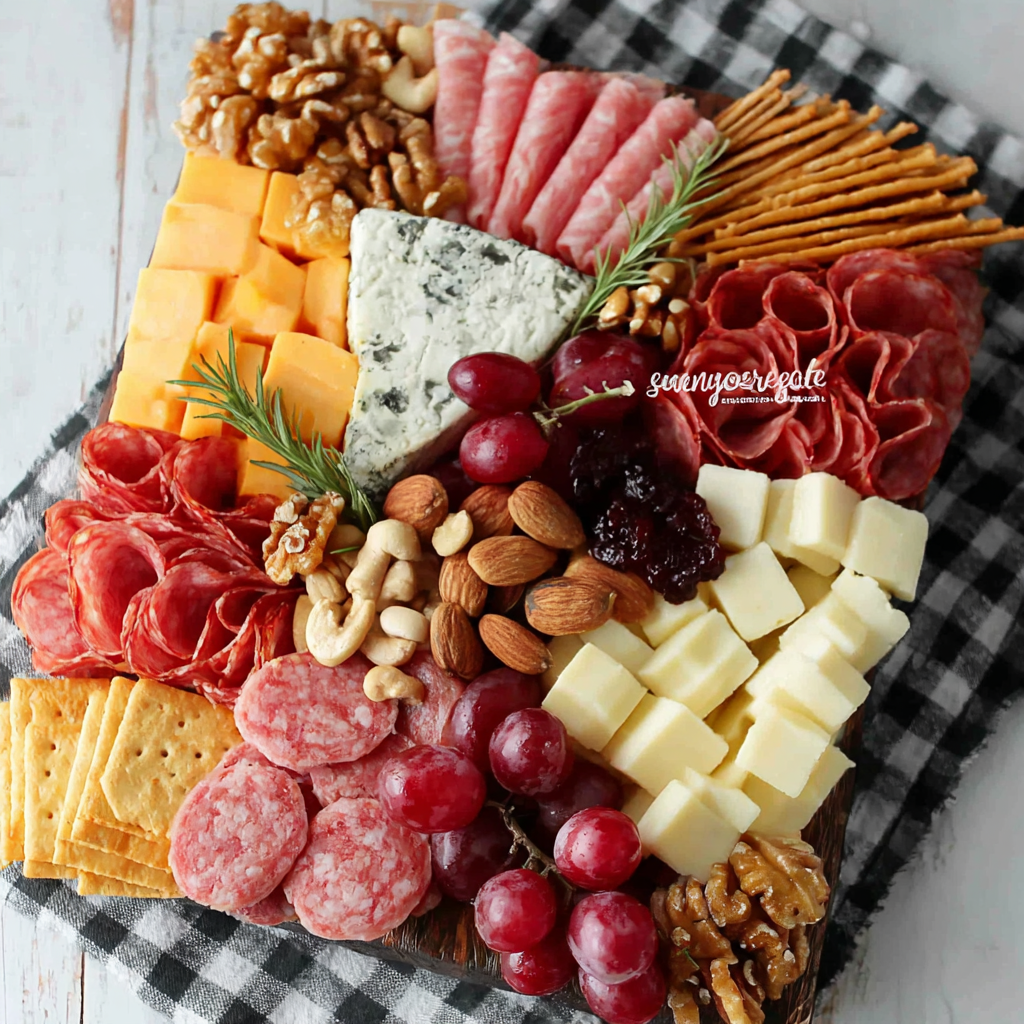
The arrangement of cured meats, cheeses, fruits, and condiments creates a visual feast that not only excites the palate but also sets a welcoming atmosphere. Beyond mere snacking, a well-crafted charcuterie board offers an experience worth savoring.
Ingredients
- 6 ounces assorted cured meats (e.g., prosciutto, salami, chorizo)
Cured meats provide a savory, umami base for your board. Choose a variety to showcase different textures and flavors, appealing to various tastes. - 6 ounces assorted cheeses (e.g., aged cheddar, brie, blue cheese)
Cheeses contribute creaminess and tang, balancing the saltiness of meats. Including a mix of hard and soft cheeses enhances visual and textural variety. - 1 cup seasonal fruits (e.g., grapes, figs, or apple slices)
Fruits add a fresh, sweet contrast to the richness of meats and cheeses. They can also introduce vibrant colors, making the board visually appealing. - 1/2 cup assorted nuts (e.g., almonds, walnuts, pistachios)
Nuts add crunch and depth to the board. They provide healthy fats and a delightful bite that contrasts with softer elements. - 1/2 cup olives or pickles
These tangy bites bring acidity that helps cut through the richness of cheese and meats, balancing flavors and adding a briny note. - 1/2 cup spreads (e.g., honey, grainy mustard, or fig jam)
Spreads introduce sweetness and texture variations. They offer an interactive element, allowing guests to customize their bites. - Crackers or bread (about 10-12 pieces)
Serving crackers or bread provides a base for toppings, adding crunch and serving as a neutral canvas for flavors.
Directions & Preparation
Step 1: Select a large wooden board or platter.
Choosing the right surface is crucial for presentation. A wooden board not only offers a rustic charm but also serves as a functional base. Consider the size depending on the number of guests; it should comfortably fit all ingredients without overcrowding.
Step 2: Arrange the cured meats on one side of the board.
Start with the proteins as they anchor the board. Folding or rolling the meats adds visual interest. Aim for a mix of shapes and sizes to draw the eye, and don't be afraid to let them overlap slightly.
Step 3: Add the cheeses next to the meats.
Place cheeses near the meats as they typically complement each other. Cut some cheeses into slices or wedges for easier serving while keeping a few whole to maintain an appealing presentation.
Step 4: Fill in gaps with seasonal fruits.
Fruits not only enhance flavor combinations but also bring vibrancy and color. Strategically place them around the board, balancing colors and sizes to create a cohesive arrangement.
Step 5: Scatter the nuts across the board.
Nuts should be placed in small clusters to invite picking and add texture. Their placement can help break up sections between meats and cheeses, keeping the palate engaged.
Step 6: Incorporate olives or pickles in small bowls or clusters.
Offering tangy bites in bowls allows guests to manage portions easily. Mixing dark and green olives will add color contrast, making the board more visually appealing.
Step 7: Add spreads in small dishes around the board.
Surrounding the board with spreads invites companions to explore different flavor profiles. Use small bowls or ramekins to keep the spreads organized and easy to access.
Step 8: Place crackers or bread on the opposite side from the meats and cheeses.
Positioning these on the side encourages guests to layer their bites, keeping the board neat. Opt for a variety of shapes and textures to complement other elements.

Seasonal Touches for Your Charcuterie Board
Incorporating seasonal ingredients can elevate your charcuterie board, reflecting the freshness of the time of year. For instance, in the spring, consider adding delicate edible flowers or fresh herbs for a fragrant touch. Seasonal fruits also add flavor and color; think strawberries in summer or pomegranates in winter. Experimenting with seasonal produce not only enhances taste but also connects your board to the time of year.
The Art of Pairing Flavors
Understanding flavor profiles can transform a simple charcuterie board into an exquisite tasting experience. For instance, pairing a salty prosciutto with the creaminess of brie, and a sweet fig jam creates a journey of tastes. Similarly, balancing sharp cheeses like blue with honey brings out their complex flavors. Taking a moment to consider these combinations will enhance the enjoyment and surprise for your guests.
Creative Presentation Ideas
Presentation is key to an impressive charcuterie board. Consider different shapes and layers to create depth. Use small cookie cutters to shape cheese, or arrange fruits in fan patterns for visual appeal. Using bowls not only adds height but also keeps ingredients separate, enhancing accessibility. Introduce fresh herbs or colorful edible flowers for added sophistication, making your board a true centerpiece.
FAQs
Can I customize the selection of meats and cheeses?
Absolutely! Feel free to tailor the selection to your taste and dietary preferences, incorporating different varieties of meats or cheeses.
What if I find the flavors too bland?
If the board lacks flavor, consider adding more pungent cheeses or flavored meats, and don’t forget to sprinkle in some herbs for an aromatic boost.
How can I adjust the amount for a larger group?
Scaling up is easy—just multiply the quantities by the number of guests while maintaining a variety of ingredients for balance.
What should I do if my prosciutto feels too tough?
If prosciutto seems tough, it may have been over-dried. Try rolling it gently and serving it with a sweet spread to enhance moisture.
How can I make the board more visually appealing?
Layer ingredients for height, use colorful plates or wraps, and consider a theme that incorporates seasonal colors and textures.
Is there a recommended wine pairing for charcuterie boards?
A medium-bodied red like Pinot Noir or a crisp white like Sauvignon Blanc pairs well, complementing the diverse flavors of the board.
Conclusion
Creating a charcuterie board is not just about assembling ingredients; it’s an opportunity to express creativity and indulge in flavor exploration. Each addition tells a story, transforming simple snacks into a gourmet experience.
So gather your favorite meats, cheeses, and accompaniments, and let your imagination run wild. Whether it’s for a lively gathering or a cozy evening, a thoughtfully arranged charcuterie board will undoubtedly impress and delight.
Recipe Card
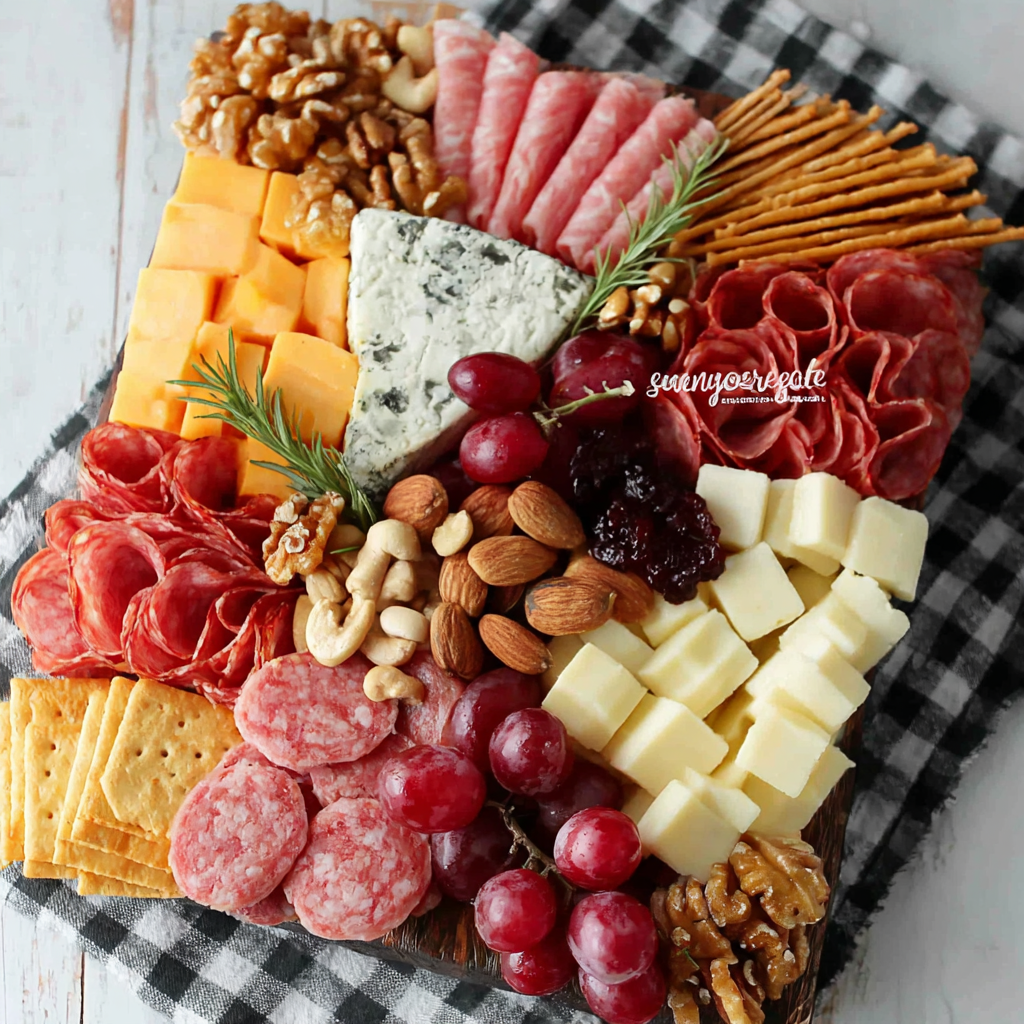
Crafting the Perfect Charcuterie Board at Home
Ingredients
Method
- Select a large wooden board or platter.
- Arrange the cured meats on one side of the board.
- Add the cheeses next to the meats.
- Fill in gaps with seasonal fruits.
- Scatter the nuts across the board.
- Incorporate olives or pickles in small bowls or clusters.
- Add spreads in small dishes around the board.
- Place crackers or bread on the opposite side from the meats and cheeses.
Notes
Additional serving suggestions: pair with a crisp salad, garlic bread, or roasted seasonal vegetables for balance.
For make-ahead, prep components separately and assemble just before heating to preserve texture.
Taste and adjust with acid (lemon/vinegar) and salt right at the end to wake up flavors.