Introduction
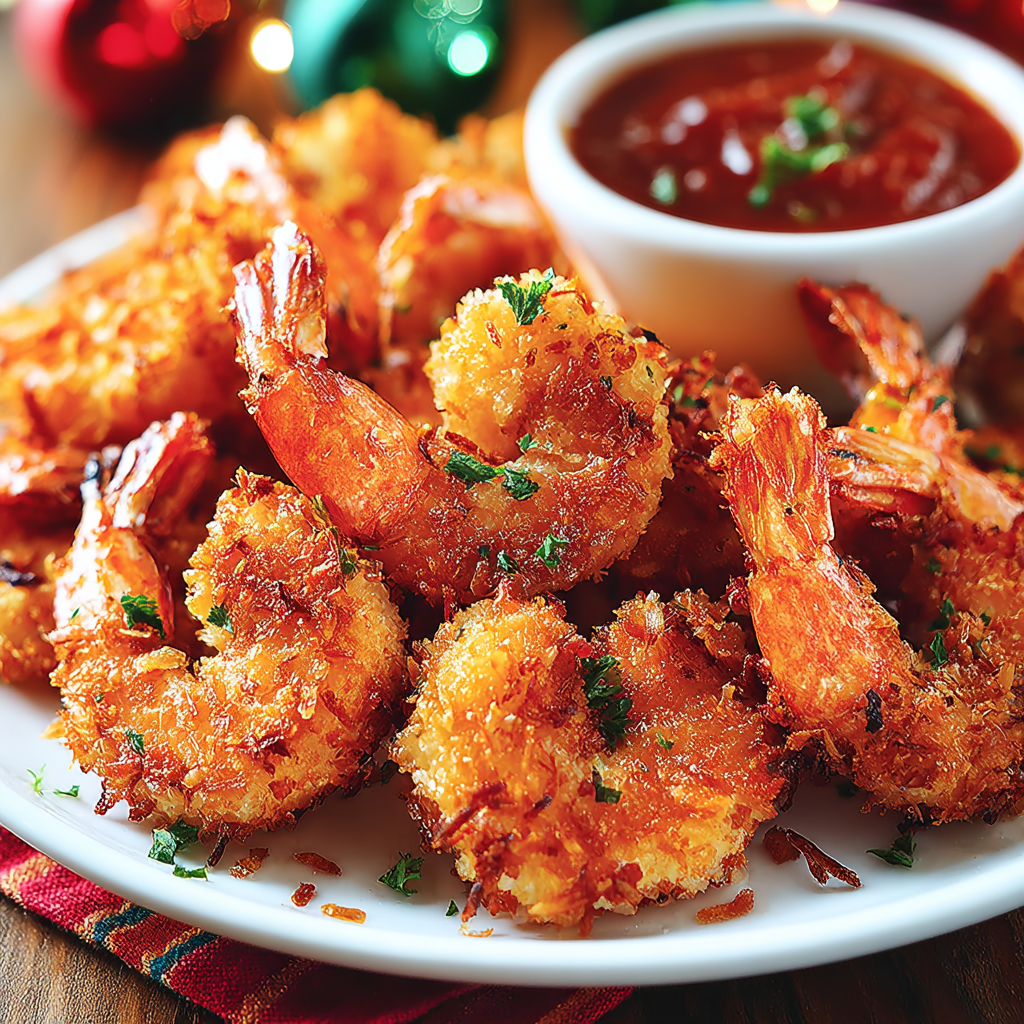
Coconut shrimp is a delightful dish that beautifully combines the sweet, tropical flavor of coconut with the savory crunch of fried shrimp. This dish is popular in many coastal cuisines and is perfect for both casual gatherings and elegant dinners.
The contrast of the tender, juicy shrimp and the crispy coconut coating creates a mouthwatering treat that appeals to all age groups. When paired with a zesty dipping sauce, this dish becomes an instant favorite and can transport your taste buds straight to the beach.
Ingredients
- 1 pound large shrimp, peeled and deveined
Opt for jumbo or large shrimp, as their size holds up well during cooking and offers a satisfying bite. Fresh shrimp delivers the best flavor, but frozen can work in a pinch if properly thawed. - 1 cup shredded sweetened coconut
Sweetened coconut adds a toasty flavor that pairs wonderfully with shrimp. Toasting it beforehand can accentuate its natural sweetness, contributing to a delightful caramelized layer once cooked. - 1/2 cup all-purpose flour
Flour acts as the first layer of coating, helping the egg adhere to the shrimp and providing a light crispness when fried. It also creates a barrier that prevents the shrimp from becoming too greasy. - 2 eggs, beaten
Eggs provide richness and moisture to the coating, allowing the coconut to stick firmly. They also contribute to the golden-brown color of the shrimp during frying. - 1 cup panko breadcrumbs
Panko adds an airy, texture-rich crunch, giving the shrimp a light and crispy finish. It’s coarser than regular breadcrumbs, allowing for greater crispiness. - 1 teaspoon garlic powder
Garlic powder enhances the flavor of the shrimp without overpowering it. A hint of garlic adds depth to this dish, complementing the sweetness of the coconut. - 1/2 teaspoon salt
Salt elevates the overall taste of the dish, balancing the sweetness of the coconut and highlighting the natural flavors of the shrimp. - Vegetable oil for frying
Vegetable oil with a high smoke point is ideal for frying, ensuring a crispy texture without burning. This is crucial for achieving that perfect golden-brown crust. - Sweet chili sauce for dipping
This sauce offers a delightful blend of sweetness and mild heat that pairs beautifully with coconut shrimp. The tangy flavor contrasts nicely with the crispy exterior and the tender shrimp.
Directions & Preparation
Step 1: Prepare the shrimp by cleaning and drying them
Start by rinsing the shrimp under cold water to remove any residual grit or sand. Pat them dry thoroughly with paper towels; this step is essential as excess moisture can affect the coating's ability to adhere and may lead to greasy results.
Step 2: Set up the breading station with flour, eggs, and breadcrumbs
Create an assembly line for efficient breading: place flour in one shallow dish, beaten eggs in another, and combine panko breadcrumbs with garlic powder and salt in a third. This organization streamlines the process, making it easier to coat the shrimp evenly.
Step 3: Dredge each shrimp in flour, dip in egg, then coat with breadcrumbs
Start by coating the shrimp in flour, shaking off excess to ensure a thin layer. Dip them in beaten eggs to help the next layer adhere, and finally, coat them with the panko mixture, pressing gently for an even coat. This three-step process yields a deliciously crisp exterior.
Step 4: Heat oil in a deep skillet or frying pan
Over medium heat, pour in enough oil to cover the bottom of the skillet by about half an inch. To determine if your oil is ready, drop in a small piece of bread; if it sizzles, you’re set to fry. Maintaining the right temperature is key for crispy results.
Step 5: Fry the shrimp in batches until golden brown
Carefully add the breaded shrimp to the hot oil in batches, avoiding overcrowding. Fry for 2-3 minutes on each side until they are golden brown and crispy. This prevents the oil temperature from dropping, ensuring even cooking and a crunchy texture.
Step 6: Drain shrimp on paper towels and serve with dipping sauce
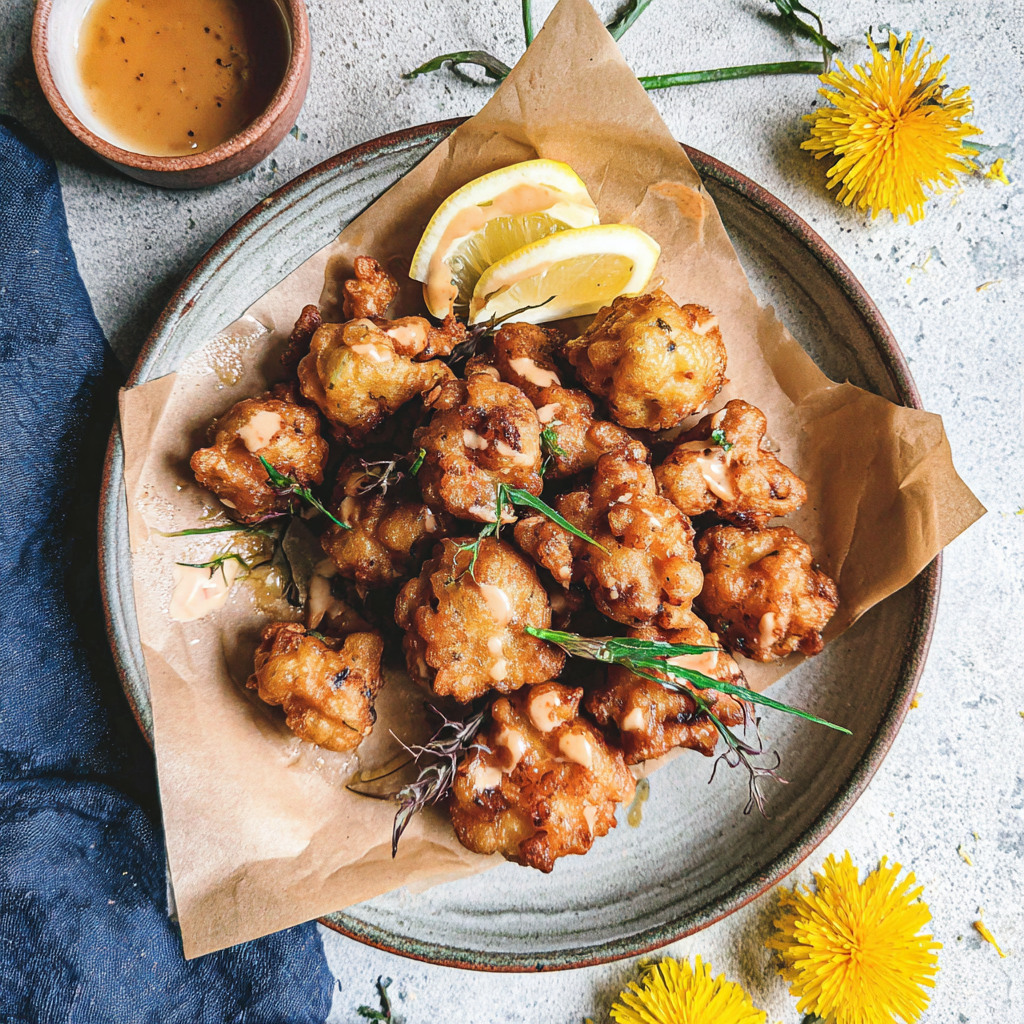
Once cooked, transfer the shrimp to a plate lined with paper towels to absorb excess oil. This final step enhances the crunchiness. Serve hot with sweet chili sauce, showcasing the delightful contrast of flavors and textures.

Toasting the Coconut for Extra Flavor
Toasting the shredded coconut before using it in the recipe can significantly enhance the overall flavor of your coconut shrimp. Toasting brings out the natural oils in the coconut, resulting in a deep, nutty aroma and flavor that will leave your guests amazed. Simply spread the shredded coconut on a baking sheet and roast it in a preheated oven at 350°F for about 5-10 minutes, stirring occasionally, until it turns golden.
Choosing the Right Shrimp
When selecting shrimp, look for varieties that are labeled as 'wild-caught' for a flavor that is superior to farmed shrimp. Larger shrimp not only provide a more satisfying bite but also hold up better during cooking. If purchasing frozen shrimp, opt for those that are flash-frozen immediately after being caught to ensure the freshest possible taste.
Pairing Suggestions Beyond Sweet Chili Sauce
While sweet chili sauce pairs wonderfully with coconut shrimp, feel free to explore other dipping sauce options that could complement this dish. A fresh mango salsa with hints of lime provides a tropical twist, while a creamy lime dipping sauce adds a cool, tangy balance to the dish. Both bring different flavor profiles that enhance the coconut shrimp experience.
FAQs
What can I do if the coconut coating falls off while frying?
If the coconut coating falls off, ensure the shrimp are dry before breading and press the coating firmly onto the shrimp during dredging. Additionally, verify that the oil is hot enough before adding shrimp.
Can I use frozen shrimp, and if so, how should I thaw them?
Yes, frozen shrimp can be used. Thaw them by placing them in the refrigerator overnight or by running them under cold water for a quick thawing. Pat them dry before using.
Why are my coconut shrimp too greasy?
If your shrimp are greasy, the oil may not have been hot enough during frying. Ensure your oil temperature is adequately preheated to create a crispy coating without absorbing excess oil.
What if my sweet chili sauce is too spicy?
If your sweet chili sauce is too spicy, consider mixing in a little honey or sugar to balance the heat. Adding a touch of vinegar can also help mellow it out.
Can I make the breading spicier?
Absolutely! You can add cayenne pepper or chili powder to the flour or panko mixture for an extra kick. Adjust according to your spice tolerance.
How do I make sure the shrimp are cooked evenly?
Ensure that the shrimp are of uniform size and not overcrowded in the pan during frying. This allows for even cooking. Cook in batches if necessary.
Conclusion
Coconut shrimp is a wonderful dish that can transform any meal into a tropical feast. The blend of textures and flavors offers a delightful experience that guests will remember.
With a bit of preparation and attention to detail, you can easily whip up this scrumptious dish in your own kitchen. The joy of sharing homemade coconut shrimp with family and friends is an experience worth savoring.
Recipe Card
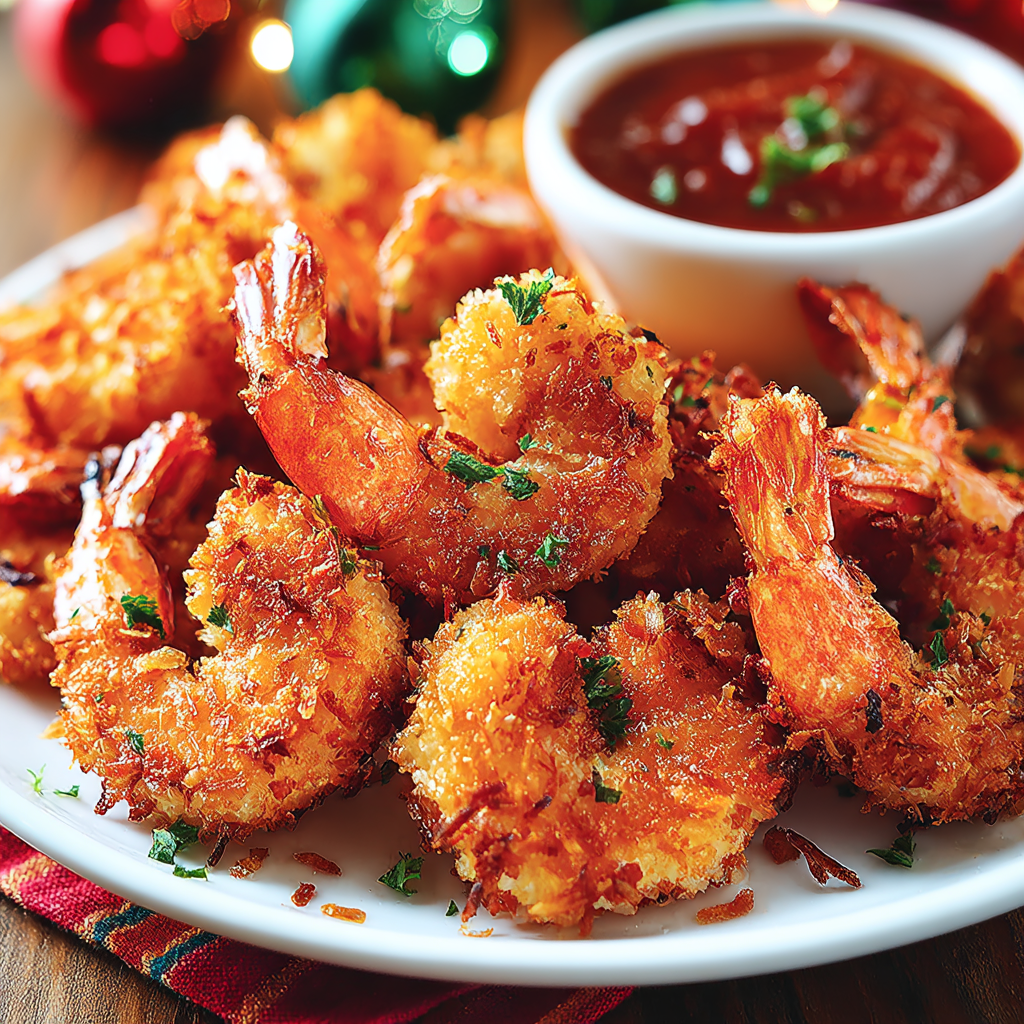
Crispy Coconut Shrimp with Sweet Chili Dipping Sauce
Ingredients
Method
- Prepare the shrimp by cleaning and drying them
- Set up the breading station with flour, eggs, and breadcrumbs
- Dredge each shrimp in flour, dip in egg, then coat with breadcrumbs
- Heat oil in a deep skillet or frying pan
- Fry the shrimp in batches until golden brown
- Drain shrimp on paper towels and serve with dipping sauce
Notes
Additional serving suggestions: pair with a crisp salad, garlic bread, or roasted seasonal vegetables for balance.
For make-ahead, prep components separately and assemble just before heating to preserve texture.
Taste and adjust with acid (lemon/vinegar) and salt right at the end to wake up flavors.