Introduction
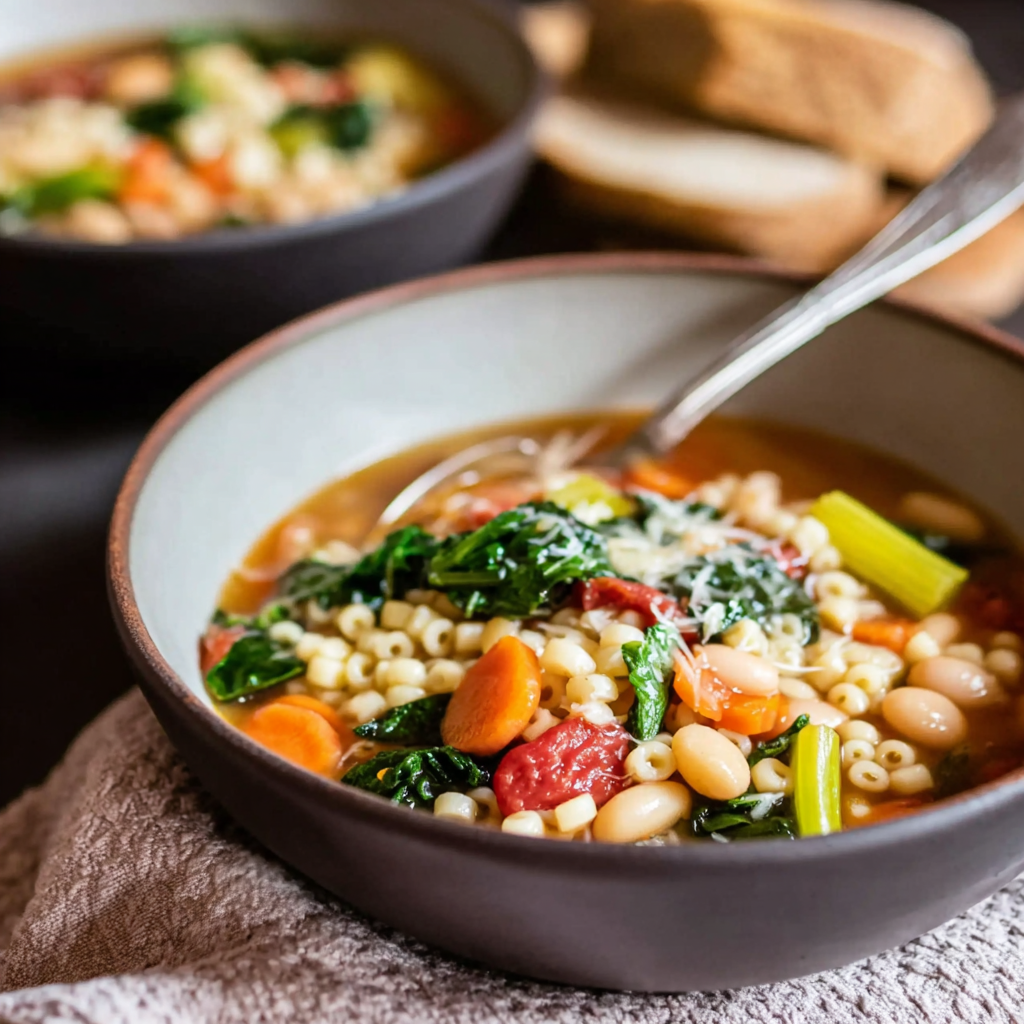
Spring is a time of renewal, both for nature and for our kitchens. As vibrant vegetables begin to emerge from the earth, the opportunity to create a light and refreshing dish arises. Spring Minestrone Soup is the perfect way to embrace these seasonal flavors, bringing together a medley of green ingredients in a comforting broth.
Traditionally an Italian soup, minestrone is adaptable and can change with the seasons. The addition of spring vegetables not only brightens the dish but also infuses it with essential nutrients. Each bowl serves as a celebration of the freshness of spring, sure to warm your heart and satisfy your appetite.
Ingredients
- 2 tablespoons olive oil
Olive oil adds richness and depth to the soup while allowing the vegetables to sauté properly. It also provides healthy fats that enhance the overall flavor. - 1 medium onion, diced
Onions serve as the aromatic base of the soup, contributing sweetness and savory notes as they cook down and caramelize. - 2 cloves garlic, minced
Garlic enhances the flavor profile with its pungent aroma and taste. It brings warmth to the soup and complements the other ingredients beautifully. - 2 medium carrots, diced
Carrots add a natural sweetness and vibrant color to the soup. They become tender while adding a bit of texture. - 2 stalks celery, diced
Celery contributes a subtle celery flavor and crunch, balancing the sweetness of the carrots while providing essential nutrients. - 1 medium zucchini, diced
Zucchini offers a mild flavor and tender texture, soaking up the broth while adding a distinct freshness to the dish. - 1 cup green beans, trimmed and cut into 1-inch pieces
Green beans provide a slight crunch and vivid green color. They bring fiber and additional nutrients to the mix. - 1 cup fresh spinach or kale, roughly chopped
Leafy greens add another layer of nutrition and a pop of color, enhancing the soup's visual appeal and health benefits. - 6 cups vegetable broth
Vegetable broth serves as the foundation of the soup, imparting rich flavors and moisture while helping cook the vegetables to perfection. - 1 can (14 oz) diced tomatoes, with juices
Diced tomatoes provide acidity and brightness, contrasting with the sweetness of the vegetables and contributing to the overall depth of flavor. - 1 teaspoon dried Italian herbs (basil, oregano)
These herbs elevate the dish, bringing an aromatic profile that complements the vegetables and enhances the overall flavor. - Salt and pepper to taste
A pinch of salt enhances the flavors of the other ingredients, while pepper adds a hint of spice, making the soup more balanced. - 1 cup small pasta (or gluten-free alternative)
Pasta adds heartiness to the soup, making it a fulfilling meal. It absorbs the broth flavor and provides a comforting texture. - Grated Parmesan cheese for serving (optional)
Parmesan cheese lends a savory finish, adding creaminess and a rich umami flavor when sprinkled on top before serving.
Directions & Preparation
Step 1: Heat olive oil in a large pot over medium heat.
Heating the oil before adding vegetables helps to release their flavors. Keep the heat at medium to allow for even cooking without burning the oil.
Step 2: Add diced onion and cook until translucent, about 5 minutes.
Sautéing the onion until translucent ensures it becomes tender and releases its flavors, which form the aromatic base for the soup.
Step 3: Stir in minced garlic and cook for an additional minute.
Garlic cooks quickly, and you're aiming for a fragrant aroma. Ensure it doesn’t burn, as overcooked garlic can become bitter.
Step 4: Add diced carrots and celery, cooking for another 5 minutes.
Carrots and celery will soften slightly and absorb the aromatic flavors from the onion and garlic, building a rich foundation for your soup.
Step 5: Incorporate the diced zucchini and green beans, cooking for another 5 minutes.
Adding these vegetables later allows them to retain some texture while infusing the soup with their flavors as they cook.
Step 6: Pour in the vegetable broth and diced tomatoes, followed by Italian herbs, salt, and pepper.
This step introduces the liquid and acidic elements to the soup, providing flavor and creating the base for the simmering process.
Step 7: Bring the soup to a boil, then reduce the heat to a simmer.
Boiling initially helps to merge the flavors, while simmering ensures the vegetables cook gently, preserving their color and nutrients.
Step 8: Add the small pasta and cook until al dente, about 8-10 minutes.
Cooking the pasta in the soup absorbs flavors, making it part of the dish. Monitor closely to avoid overcooked, mushy pasta.
Step 9: Stir in the chopped spinach or kale, cooking just until wilted.
Leafy greens should be added at the end to retain their vibrant colors and nutrients. They wilt quickly, adding freshness to the finish.
Step 10: Adjust seasoning if necessary and serve hot, garnished with Parmesan cheese if desired.
Tasting and adjusting the seasoning allows you to balance the flavors perfectly right before serving. A sprinkle of cheese can enhance richness.

Seasonal Vegetable Variety
Spring Minestrone Soup is incredibly versatile and can be customized with whatever seasonal vegetables are at your disposal. Picture asparagus, peas, or even artichokes mingling with traditional ingredients to bring personal flair. This adaptability not only enhances the flavor but also supports sustainable cooking by utilizing local produce.
Herbs and Flavor Profiles
Incorporating fresh herbs can elevate your soup even further. Adding basil, mint, or parsley during the final moments of cooking can create exciting flavor notes. For a more robust aroma, consider infusing the olive oil with garlic or herbs as it heats, bringing an added layer of depth.
Pasta Options for Heartiness
Choosing the right pasta can significantly impact the texture of your Minestrone. Whole wheat or gluten-free pasta options bring different health benefits and flavors. For a twist, try quinoa or barley to make your soup even heartier, turning it into a complete meal brimming with nutrients.
FAQs
What can I do if my soup is too thick?
If the soup is thicker than desired, gradually add more broth or water until you reach your preferred consistency. Stir well to incorporate.
How can I ensure the vegetables are not overcooked?
Keep an eye on the cooking times of each vegetable, adding them based on their cooking requirements. Softer vegetables should be added later.
What if the soup tastes bland?
Bland soup can be enhanced by adjusting seasoning, adding more salt, herbs, or a splash of vinegar or lemon juice for brightness.
Can I substitute dried herbs with fresh herbs?
Yes, you can substitute fresh herbs for dried, using about three times the amount. Adjust according to your preference.
Is there a way to make this soup spicier?
To add heat, incorporate red pepper flakes or chopped fresh chili peppers during the sautéing stage.
What if I don’t have vegetable broth on hand?
If vegetable broth isn’t available, using water can work in a pinch, but you may want to enhance flavor with additional herbs or seasoning.
What other vegetables can I add to the soup?
Consider adding seasonal vegetables like asparagus, peas, or even corn to diversify flavors and textures.
Conclusion
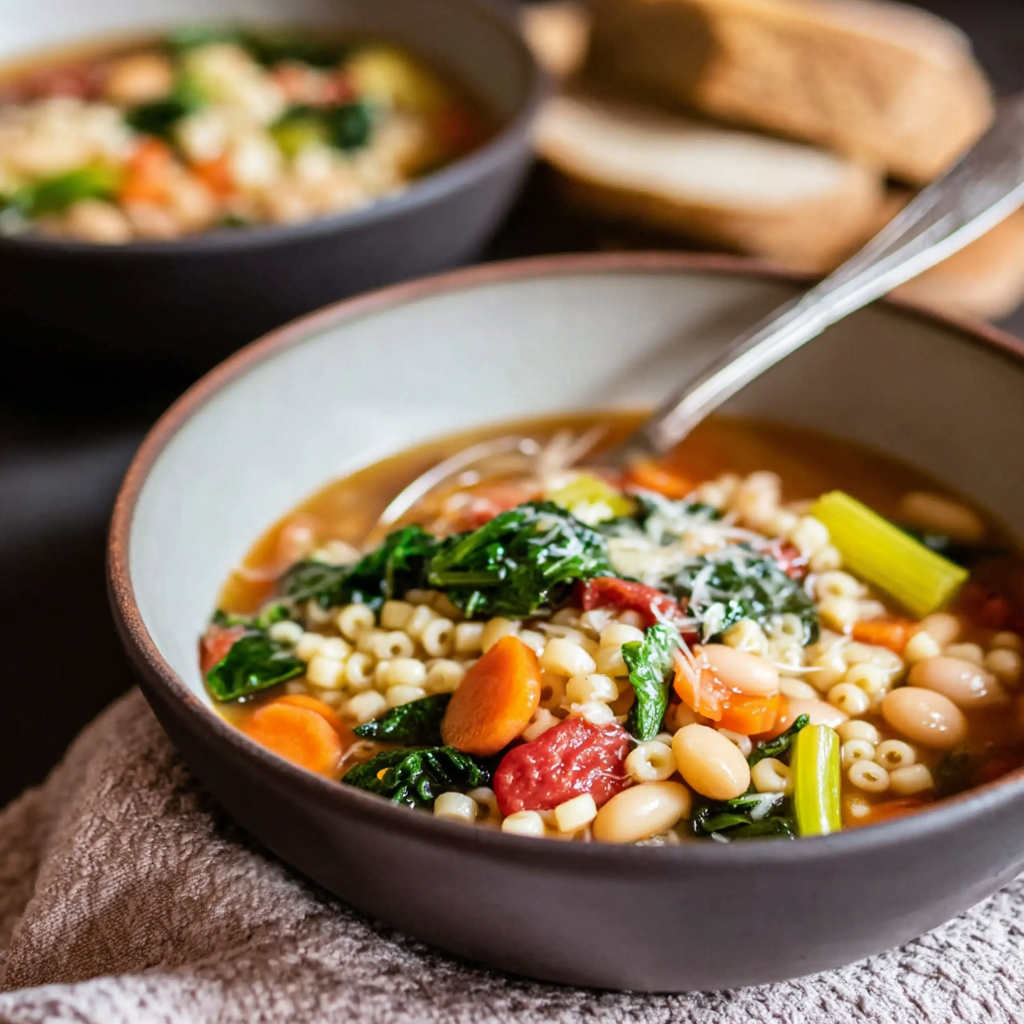
Spring Minestrone Soup is a celebration of the season, offering a refreshing and nutritious meal full of diverse flavors. With its adaptable nature, it caters to individual tastes and available ingredients.
This soup can become a staple in your recipe rotation, providing warmth and satisfaction while making the most of nature's bounty.
Recipe Card
Delicious and Fresh Spring Minestrone Soup Recipe
Ingredients
Method
- Heat olive oil in a large pot over medium heat.
- Add diced onion and cook until translucent, about 5 minutes.
- Stir in minced garlic and cook for an additional minute.
- Add diced carrots and celery, cooking for another 5 minutes.
- Incorporate the diced zucchini and green beans, cooking for another 5 minutes.
- Pour in the vegetable broth and diced tomatoes, followed by Italian herbs, salt, and pepper.
- Bring the soup to a boil, then reduce the heat to a simmer.
- Add the small pasta and cook until al dente, about 8-10 minutes.
- Stir in the chopped spinach or kale, cooking just until wilted.
- Adjust seasoning if necessary and serve hot, garnished with Parmesan cheese if desired.
Notes
Additional serving suggestions: pair with a crisp salad, garlic bread, or roasted seasonal vegetables for balance.
For make-ahead, prep components separately and assemble just before heating to preserve texture.
Taste and adjust with acid (lemon/vinegar) and salt right at the end to wake up flavors.