Introduction
As the days lengthen and flowers bloom, spring offers a vibrant assortment of fresh produce that beckons to be enjoyed. One delightful way to celebrate this seasonal bounty is through spring veggie flatbreads. These versatile, easy-to-make dishes invite creativity, allowing you to showcase local vegetables while bringing your family together around the dinner table.
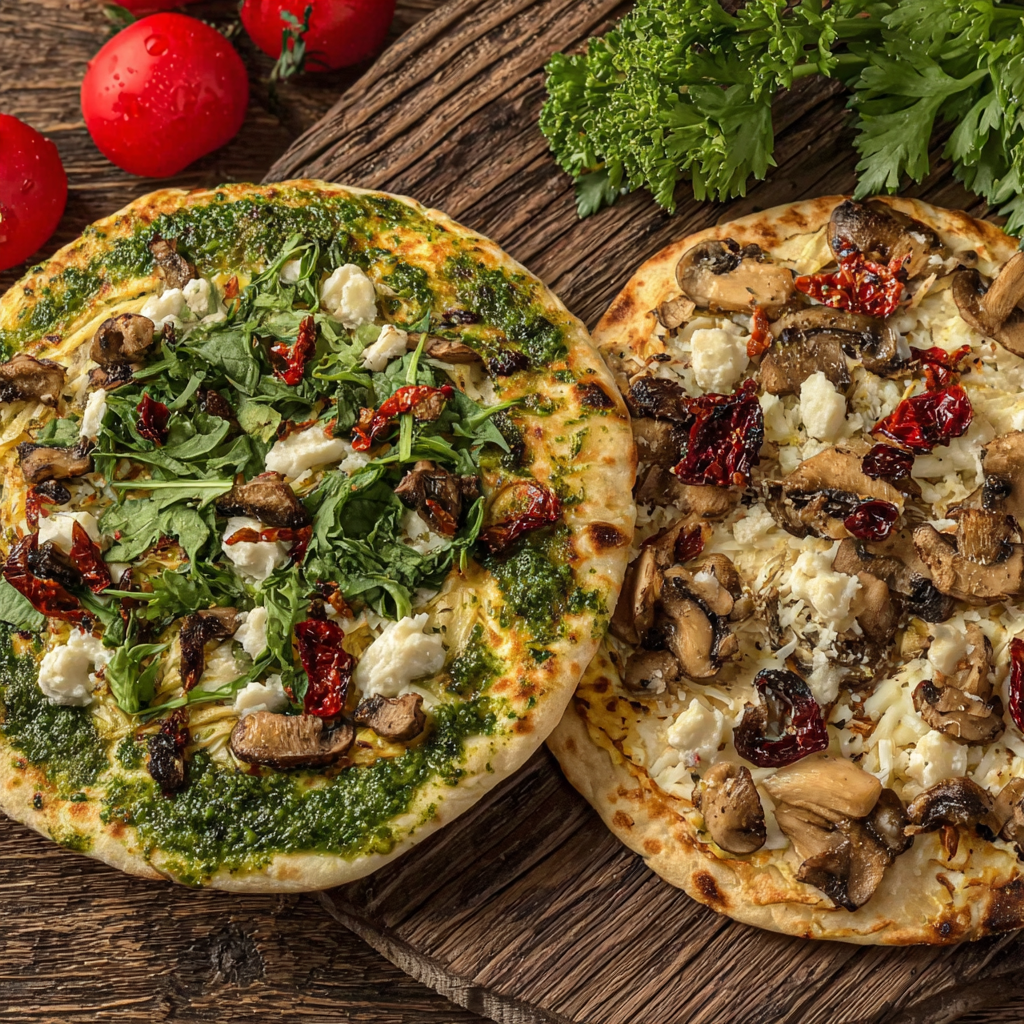
Flatbreads can be topped with an array of ingredients, transforming them into delicious meals or appetizers. This version highlights bright, seasonal veggies like asparagus, radishes, and peas, paired beautifully with herbs and a light dressing. Ideal for a casual lunch, a weeknight dinner, or a garden party, these flatbreads aren’t just tasty; they’re also visually stunning.
Ingredients
- 2 cups all-purpose flour
The base of the flatbread, providing structure and texture. All-purpose flour creates a versatile dough that is easy to roll out and works perfectly in this recipe. - 1 teaspoon salt
Salt enhances the flavor of the flatbread, balancing the ingredients and drawing out their natural tastes. It’s essential for any dough to ensure it’s not bland. - 1/2 teaspoon baking powder
This leavening agent helps the flatbread puff up slightly, creating a light texture rather than a dense bread. It gives a nice airy quality to the final product. - 3/4 cup water
Water hydrates the flour, allowing gluten to develop and giving the dough the right consistency. The exact amount may vary slightly, depending on humidity and flour type. - 1 tablespoon olive oil
Adds richness and flavor to the flatbread. Olive oil also helps keep the flatbread moist while it cooks and enhances browning. - 1 cup asparagus, trimmed and cut into bite-sized pieces
A spring favorite, asparagus not only adds a vibrant green color but also a delicate crunch. It’s packed with nutrients and is best enjoyed when slightly tender. - 1/2 cup radishes, thinly sliced
Radishes bring a peppery bite and a refreshing snap, adding to the flatbread’s texture profile. They are low in calories and full of vitamins. - 1 cup fresh peas (or frozen and thawed)
Sugary and sweet, peas provide a wonderful contrast to the sharper flavors of the other toppings. They are also a good source of protein and fiber. - 1/4 cup fresh herbs (like basil or parsley), chopped
Herbs enhance flavor and aroma, making the flatbread taste fresh and fragrant. They also contribute essential nutrients and add a colorful touch. - 1/4 cup feta cheese, crumbled (optional)
Feta adds a creamy, tangy element that complements the vegetables beautifully. It can elevate the dish but can be omitted for a dairy-free option. - Zest and juice of 1 lemon
Lemon brings brightness and acidity, tying all the flavors together while also enhancing the freshness of the spring veggies. Zest adds depth without extra moisture.
Directions & Preparation
Step 1: Prepare the dough by mixing flour, salt, and baking powder.
Start by combining the dry ingredients in a large bowl. This helps distribute the baking powder and salt evenly throughout the flour. Mixing them thoroughly ensures that you avoid any lumps in your dough, leading to a uniformly flavored flatbread.
Step 2: Add water and olive oil to the dry ingredients, stirring until a dough forms.
Gradually adding the liquid ingredients allows them to absorb evenly into the dry mix. The dough should come together without being too sticky; if it feels tacky, sprinkle a bit more flour. Knead it gently for about 5 minutes to develop the gluten, which will give the flatbread its unique texture.
Step 3: Wrap the dough in plastic wrap and let it rest for 30 minutes at room temperature.
Resting the dough allows the gluten to relax, which makes rolling it out easier. It also gives time for the flavors to meld and lets the dough become more pliable, resulting in a flatter and more tender flatbread once baked.
Step 4: While the dough rests, preheat your grill or skillet over medium heat.
Having the grill or skillet hot ensures that the flatbreads cook quickly and evenly. A hot cooking surface promotes good browning, contributing to both flavor and texture while preventing the bread from becoming soggy.
Step 5: Roll out the dough into thin rounds (about 1/8 inch thick).
Rolling the dough to an even thickness ensures uniform cooking. Thin flatbreads will become crisp and allow the toppings to shine. Use flour as needed to prevent sticking.
Step 6: Cook the flatbreads for 2-3 minutes on each side or until lightly browned.
Monitor closely as they cook; each flatbread should puff slightly and develop a golden color. Cooked too long, they can become tough, and undercooked, they won't have the right firmness.
Step 7: In a bowl, combine asparagus, radishes, peas, herbs, lemon zest, and juice.
Mixing the fresh vegetables and herbs with lemon juice enhances their natural flavors and provides a refreshing dressing. This step also allows everyone to enjoy a burst of spring in every bite, capturing the season's essence.
Step 8: Top the cooked flatbreads with the veggie mixture and feta cheese if using.
Layering the fresh veggies on top of warm flatbreads allows the flavors to meld while still maintaining their crispness. The warm flatbread acts as a base, and the feta adds a salty, creamy contrast. You can also drizzle some extra olive oil over the top if you desire.
Step 9: Serve immediately, garnished with additional herbs if desired.
Serving the flatbreads hot maximizes their flavor and texture, enticing everyone to dig in while they’re still warm. The fresh herbs not only make the dish appealing but also enhance the herbaceous aroma.

Flavor Combinations to Explore
The wonderful aspect of spring veggie flatbreads is their flexibility. Feel free to experiment with different seasonal vegetables such as bell peppers, zucchini, or even fresh spinach. You can explore various cheese options like goat cheese or ricotta for a creamier texture. Adding avocados or a drizzle of balsamic glaze can enhance the flavor profile as well.
Using Alternative Flours
If you're looking for a gluten-free option, consider substituting the all-purpose flour with a blend of gluten-free flours like almond flour or chickpea flour combined with a binding agent. The texture may vary slightly, but the final product can be just as delightful. Always ensure that the other ingredients you use are suitable for your dietary needs.
Perfect Pairings for Your Flatbreads
Spring veggie flatbreads can serve as a light meal on their own or as part of a bigger spread. Pair them with a refreshing salad, such as a citrus vinaigrette mixed greens, or serve alongside a chilled spring soup. Light white wines or clever mocktails can also complement the fresh flavors beautifully, rounding out your dining experience.
FAQs
What can I do if my flatbreads turn out too thick?
If the flatbreads are thicker than desired, ensure that the dough is rolled out evenly and thinly next time. Alternatively, you can cook them a little longer to achieve a crisper texture.
How can I add more flavor to the dough?
To enhance the dough’s flavor, consider adding herbs or spices, such as garlic powder or dried oregano, directly into the flour mixture before adding the liquid ingredients.
What if my veggies seem overcooked?
If your veggies have lost their crunch, try cooking them for a shorter time next time. Lightly sautéing or using them fresh as toppings can preserve their texture.
Can I use other proteins or toppings?
Absolutely! You can add grilled chicken, shrimp, or chickpeas for protein. Feel free to adapt toppings based on what you have available or what’s in season.
Is there a way to serve these flatbreads cold?
Yes, these flatbreads can be served cold as well. They make a great addition to a picnic or as a finger food at parties, as long as you store them properly before serving.
What should I do if my flatbread dough is too sticky?
If your dough is too sticky to work with, gradually add small amounts of flour until you reach the desired consistency. Don’t overdo it, as too much flour can alter the texture.
Conclusion
Spring veggie flatbreads are a delightful canvas for creativity in your kitchen. They not only highlight the season’s freshest produce but also allow for endless variations based on personal taste and dietary preferences. Gather your favorite vegetables, invite friends or family for a cooking session, and enjoy these vibrant flatbreads together.
As the seasons change, let your meals reflect the beauty and bounty of nature. Spring veggie flatbreads are not only a feast for the palate but also a colorful addition to your dining table, making every meal feel like a celebration.
Recipe Card
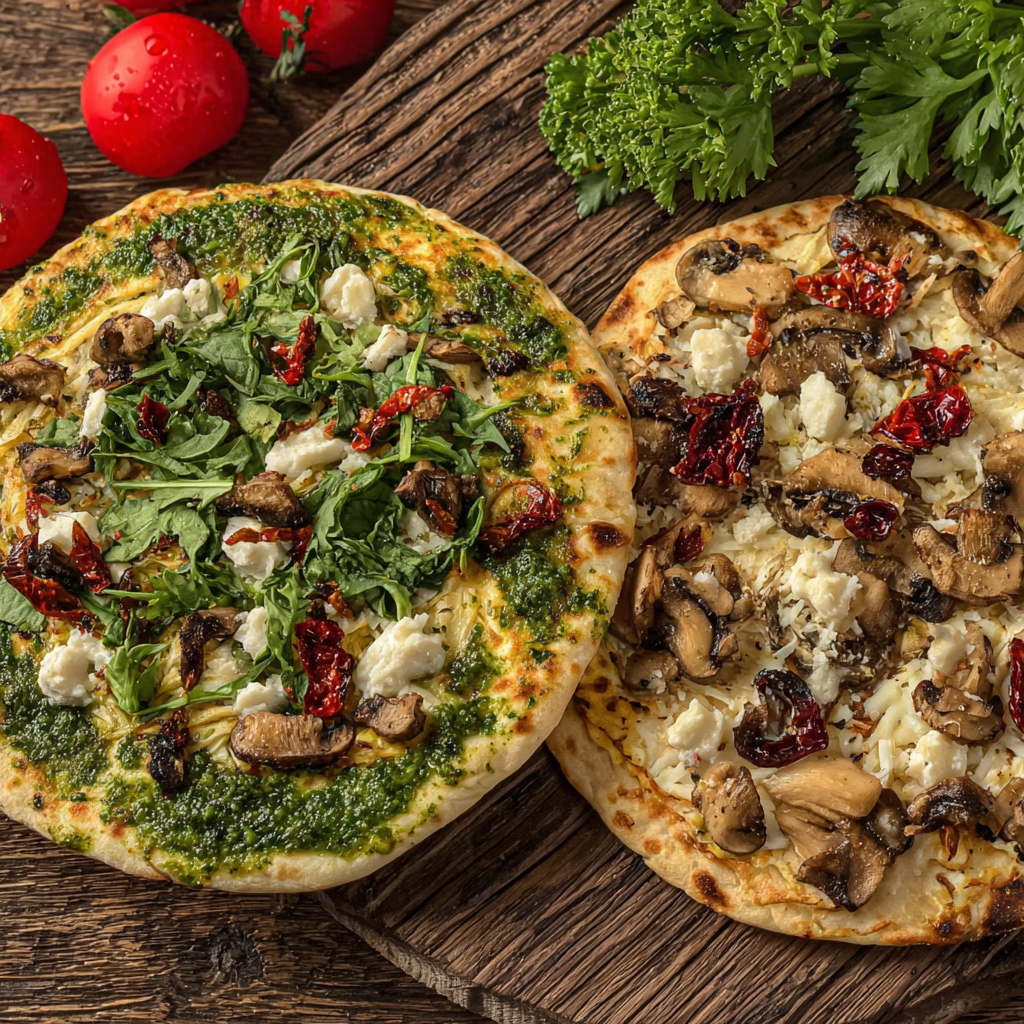
Delicious Spring Veggie Flatbreads to Brighten Your Table
Ingredients
Method
- Prepare the dough by mixing flour, salt, and baking powder.
- Add water and olive oil to the dry ingredients, stirring until a dough forms.
- Wrap the dough in plastic wrap and let it rest for 30 minutes at room temperature.
- While the dough rests, preheat your grill or skillet over medium heat.
- Roll out the dough into thin rounds (about 1/8 inch thick).
- Cook the flatbreads for 2-3 minutes on each side or until lightly browned.
- In a bowl, combine asparagus, radishes, peas, herbs, lemon zest, and juice.
- Top the cooked flatbreads with the veggie mixture and feta cheese if using.
- Serve immediately, garnished with additional herbs if desired.
Notes
Additional serving suggestions: pair with a crisp salad, garlic bread, or roasted seasonal vegetables for balance.
For make-ahead, prep components separately and assemble just before heating to preserve texture.
Taste and adjust with acid (lemon/vinegar) and salt right at the end to wake up flavors.