Introduction
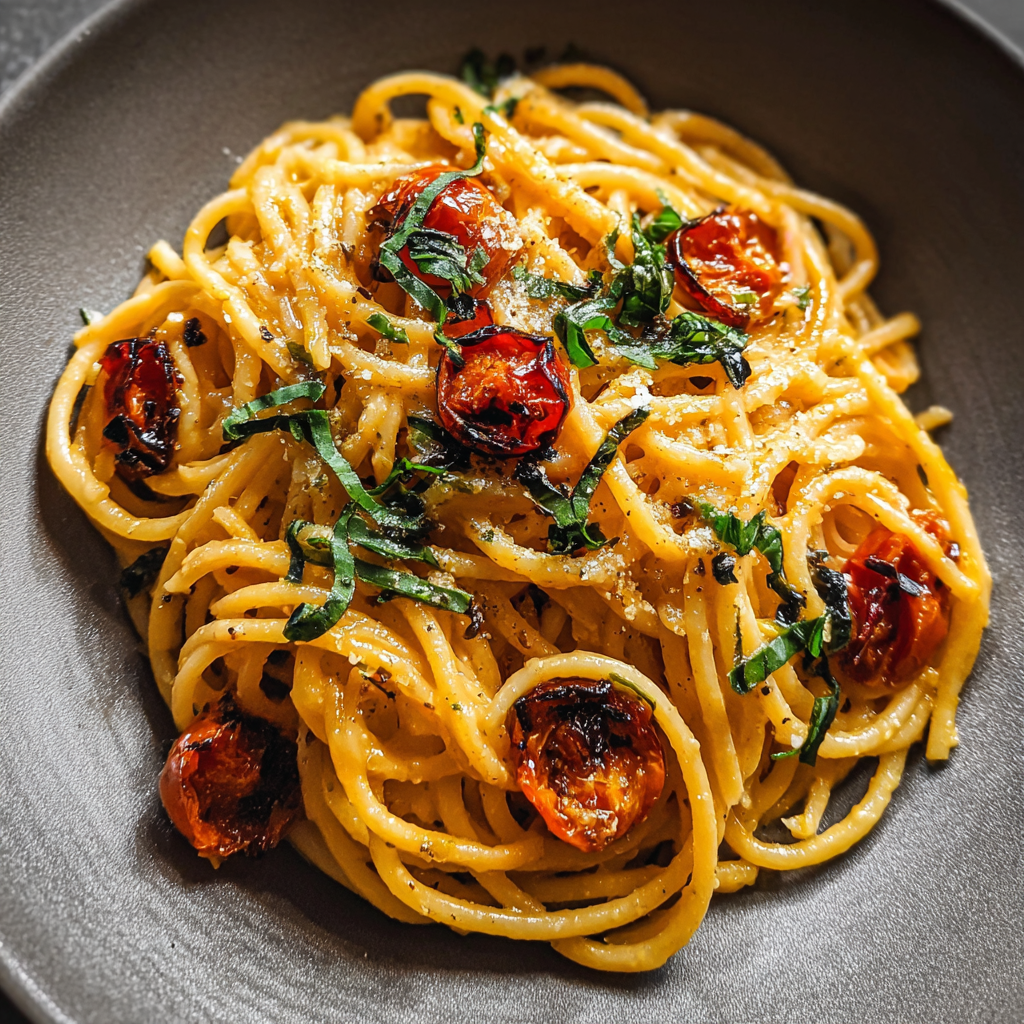
Nestled on the coastline of Italy's Amalfi Peninsula, the village of Nerano offers a culinary gem in the form of Spaghetti Alla Nerano. This dish exemplifies the region's appreciation for simple yet vibrant flavors, featuring fresh zucchini and Parmigiano-Reggiano, which highlight the local produce.
The beauty of this dish lies in its ability to transform a few humble ingredients into a creamy, savory delight. Unlike traditional pasta sauces that rely heavily on tomatoes or meats, Spaghetti Alla Nerano celebrates the earthiness of zucchini, which is sautéed until tender before being incorporated into the pasta, creating a unique blend of taste and texture.
Ingredients
- 320g spaghetti
The foundation of this dish, spaghetti provides a perfect canvas for the sauce. Its long, thin shape allows it to hold onto the creamy zucchini mixture, ensuring each bite is flavorful. - 4 medium zucchinis (about 500g)
Zucchini, the star ingredient, imparts a fresh, slightly sweet flavor. When sautéed, it releases moisture, contributing to the sauce's creaminess without the need for heavy creams. - 80g Parmigiano-Reggiano cheese, grated
This cheese adds a salty, nutty depth that enhances the overall flavor. Its melting quality helps achieve a luxurious texture in the sauce. - 60ml extra virgin olive oil
Good quality olive oil enriches the dish with a fruity note and acts as the base for cooking the zucchini, allowing it to caramelize and develop a deeper flavor. - 1 garlic clove, peeled and crushed
Garlic introduces a subtle aromatic element to the dish, infusing the oil with its fragrant essence as the zucchini cooks. - Salt, to taste
Seasoning is essential to bring out the natural flavors of all ingredients. Using salt mindfully will enhance the dish without overpowering it. - Fresh basil leaves, for garnish
Basil adds a refreshing herbal note that brightens the dish. Its addition as a garnish not only enhances presentation but also contributes to the overall aroma.
Directions & Preparation
Step 1: Cook the spaghetti in salted boiling water until al dente, according to package instructions.
Cooking spaghetti al dente allows it to maintain a slight firmness that holds up against the sauce. Make sure to salt the boiling water generously; it’s your opportunity to season both the pasta and the final dish.
Step 2: While the pasta cooks, slice the zucchinis into thin rounds or half moons.
The way you slice zucchini affects how it cooks. Thinner slices will cook more quickly and uniformly, allowing them to soften and caramelize properly when sautéed, which contributes to the sauce's depth.
Step 3: In a large pan, heat the olive oil over medium heat. Add the crushed garlic and sauté for about 1 minute until fragrant.
Infusing the olive oil with garlic creates a flavorful base for the zucchini. Be careful not to burn the garlic, as it can turn bitter and negatively impact the dish. Keep an eye on it!
Step 4: Add the sliced zucchinis to the pan and sauté until they become tender and lightly browned, about 8-10 minutes.
Sautéing the zucchini allows it to caramelize, developing a sweet, deep flavor that becomes essential in the sauce. Stir occasionally to ensure even cooking and to prevent sticking.
Step 5: Remove the garlic clove and discard it. Reserve some pasta cooking water, then drain the spaghetti.
Removing the garlic at this stage prevents it from further cooking and turning bitter. The reserved pasta water will be crucial in achieving a smooth, cohesive sauce that clings to the spaghetti.
Step 6: Add the drained spaghetti to the pan with the sautéed zucchini, tossing to combine.
Mixing the spaghetti with the zucchini in the pan allows the pasta to absorb the flavors from the oil and zucchini. Toss thoroughly to ensure each strand is coated in the mixture.
Step 7: Gradually add the grated Parmigiano-Reggiano cheese, tossing briskly to incorporate. Add reserved pasta water as needed to achieve a creamy consistency.
The cheese melts and binds the dish, creating a rich and velvety sauce. Add pasta water incrementally; it helps emulsify the dish and adjusts the texture—ensuring it's not too dry or too runny.
Step 8: Season with salt and additional cheese to taste, and serve immediately, garnished with fresh basil leaves.
Tasting and adjusting the seasoning at the end is crucial for balancing flavors. The fresh basil not only adds color but enhances the aromatic profile, making the dish even more inviting.

The Italian Influence on Simple Ingredients
Spaghetti Alla Nerano reflects the Italian culinary philosophy of using fresh, high-quality ingredients to create uncomplicated yet memorable dishes. This recipe emphasizes how local produce can shine through minimal preparation, showcasing the importance of respecting and enhancing natural flavors.
Zucchini: The Unsung Hero of the Dish
In Spaghetti Alla Nerano, zucchini isn't just a filler; it is pivotal in creating the dish's unique identity. When sautéed, zucchini takes on a golden hue and a supple texture, forming a harmonious base that absorbs flavors while contributing its own subtle sweetness.
Cheese Matters: Choosing the Right Parmigiano-Reggiano
The choice of cheese greatly influences the dish's taste profile. Parmigiano-Reggiano is known for its rich, nutty flavors and firm texture. Opting for a high-quality cheese not only elevates the dish but also supports traditional Italian craftsmanship.
FAQs
What can I do if the sauce is too thick?
If you find the sauce too thick, gradually add more reserved pasta cooking water until you achieve your desired consistency. Stir well to incorporate.
What if the dish turns out too bland?
If the dish lacks flavor, consider adding a pinch of salt or more grated cheese to boost the taste. Fresh herbs or a squeeze of lemon juice can also enhance the overall flavor profile.
Can I use different types of cheese in this recipe?
While Parmigiano-Reggiano is traditional, you can experiment with Grana Padano or Pecorino Romano for a different flavor profile. Just be mindful of their saltiness.
Is it necessary to use fresh zucchini?
Fresh zucchini is ideal for this dish because of its moisture and sweetness. However, in a pinch, you can use frozen zucchini; just make sure to thaw and drain excess water.
How do I know when the zucchini is cooked properly?
The zucchini is done when it’s tender and slightly caramelized. It should be easy to pierce with a fork, but retain some shape to avoid mushiness.
What can I add to enhance the flavor further?
For deeper flavor, consider incorporating crushed red pepper flakes or a squeeze of fresh lemon juice just before serving for a bright kick.
Conclusion
Spaghetti Alla Nerano is a testament to the beauty of Italian cooking, demonstrating how a few simple ingredients can come together to create a dish that is both vibrant and comforting. Embrace the process of making this dish, and allow yourself to taste the nuances of flavor as they develop with each step.
Whether enjoyed on a casual weeknight or as part of a festive gathering, this pasta dish captures the essence of home-cooked Italian cuisine. So grab your zucchini, gather your ingredients, and relish the experience of cooking—and tasting—this delightful dish.
Recipe Card
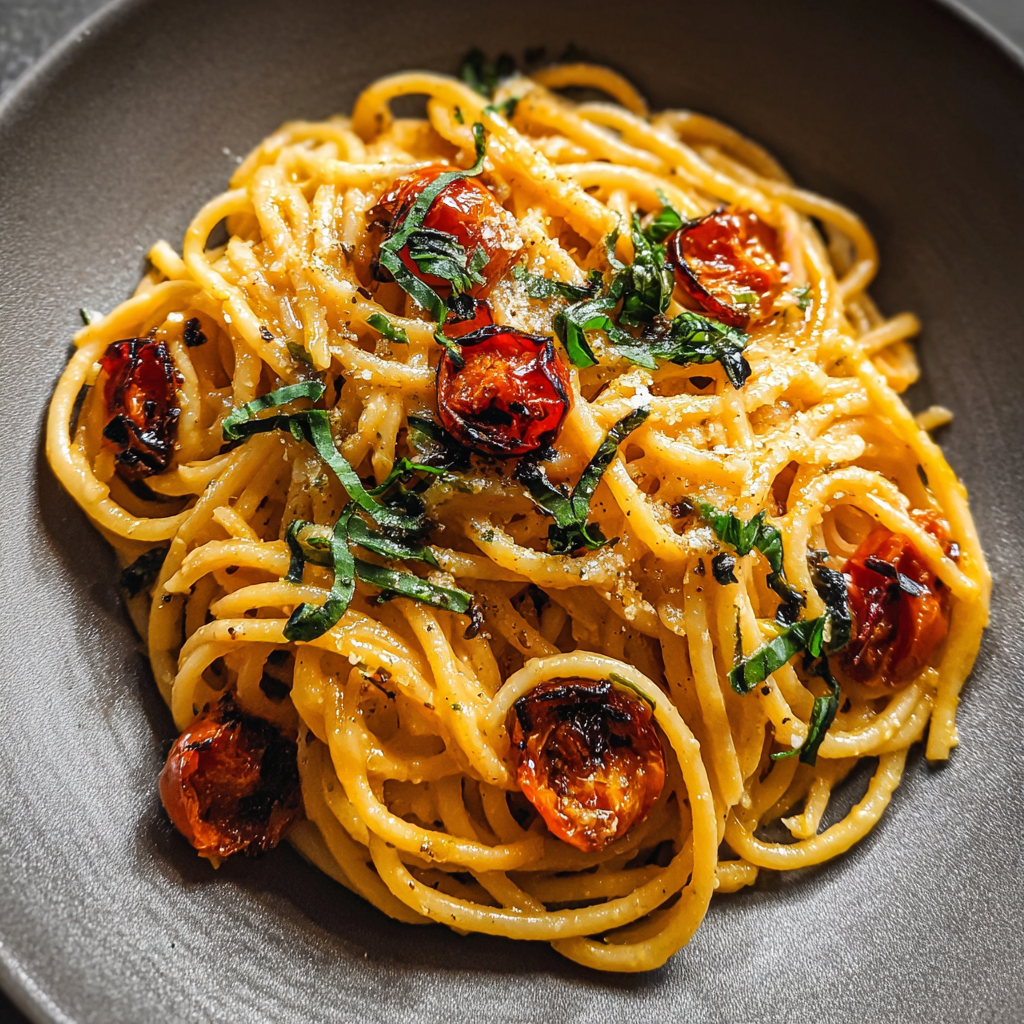
Discovering the Rich Flavors of Spaghetti Alla Nerano
Ingredients
Method
- Cook the spaghetti in salted boiling water until al dente, according to package instructions.
- While the pasta cooks, slice the zucchinis into thin rounds or half moons.
- In a large pan, heat the olive oil over medium heat. Add the crushed garlic and sauté for about 1 minute until fragrant.
- Add the sliced zucchinis to the pan and sauté until they become tender and lightly browned, about 8-10 minutes.
- Remove the garlic clove and discard it. Reserve some pasta cooking water, then drain the spaghetti.
- Add the drained spaghetti to the pan with the sautéed zucchini, tossing to combine.
- Gradually add the grated Parmigiano-Reggiano cheese, tossing briskly to incorporate. Add reserved pasta water as needed to achieve a creamy consistency.
- Season with salt and additional cheese to taste, and serve immediately, garnished with fresh basil leaves.
Notes
Additional serving suggestions: pair with a crisp salad, garlic bread, or roasted seasonal vegetables for balance.
For make-ahead, prep components separately and assemble just before heating to preserve texture.
Taste and adjust with acid (lemon/vinegar) and salt right at the end to wake up flavors.