Introduction
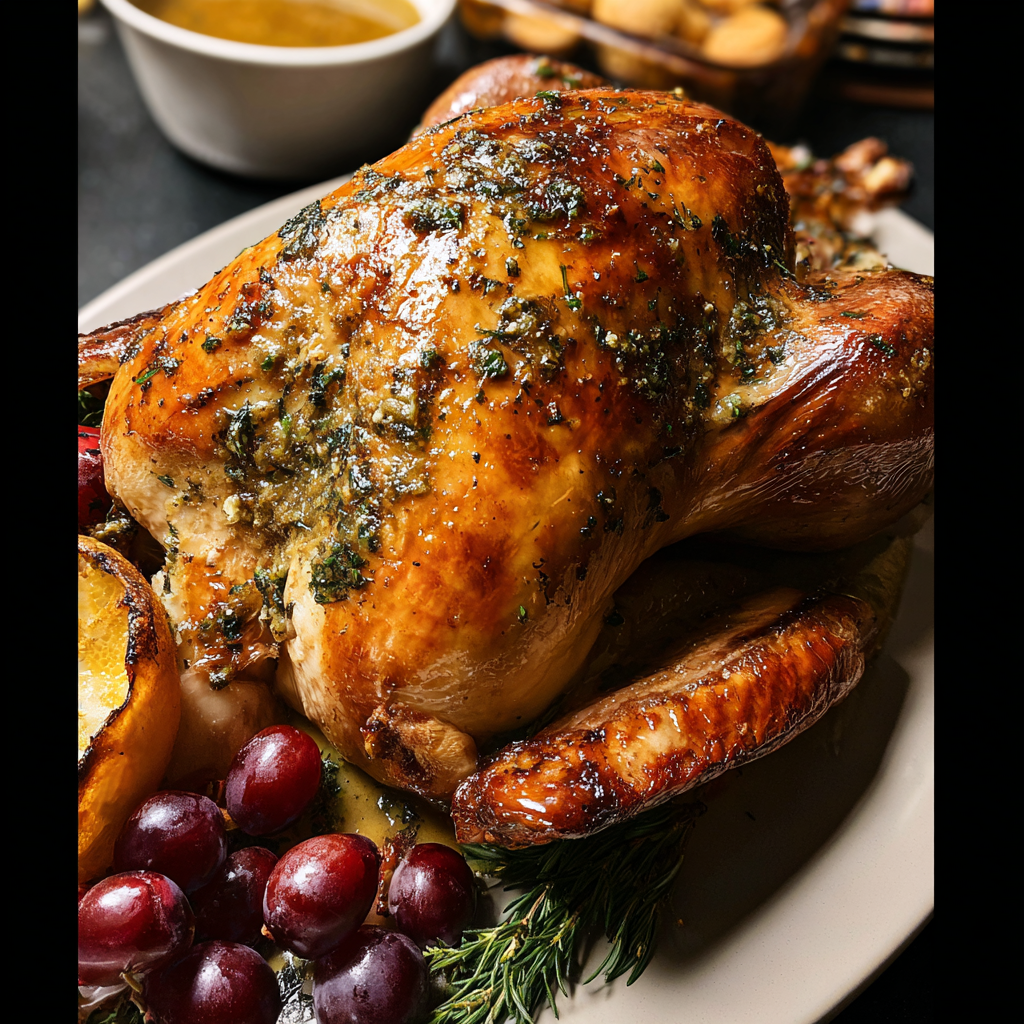
Thanksgiving and holiday feasts often revolve around one majestic dish: the roasted turkey. This iconic centerpiece can be a source of excitement as well as anxiety for home cooks. Achieving that perfectly juicy turkey with crispy skin can seem daunting, but with a bit of preparation and the right approach, anyone can master this dish.
The secret to a succulent roasted turkey lies in the herb butter—a mixture of softened butter and fresh herbs that elevates the flavor of the meat while keeping it moist during roasting. The addition of aromatic herbs not only enhances the taste but also creates an irresistible aroma that will fill your kitchen, beckoning everyone to the dining table.
Ingredients
- 1 whole turkey (12-14 lbs)
Selecting a high-quality turkey is crucial for achieving optimal flavor and texture. Choose a fresh, free-range turkey if possible, as it often has more robust flavor compared to frozen varieties. - 1 cup unsalted butter, softened
Butter serves as the base for the herb mixture, providing richness and moisture to the turkey. Using unsalted butter allows you to control the seasoning better and prevents the turkey from becoming overly salty. - 2 tablespoons fresh rosemary, chopped
Rosemary adds a fragrant, woodsy flavor to the herb butter, complementing the turkey's natural savoriness. It pairs well with poultry, enhancing its overall taste profile. - 2 tablespoons fresh thyme, chopped
Thyme brings a subtle earthiness to the dish. Its aromatic qualities enhance the herb butter, making the turkey’s skin perfectly aromatic and deeply flavored. - 2 tablespoons fresh sage, chopped
Sage imparts a slightly peppery and savory note that works exceptionally well with turkey. This herb is traditional for poultry dishes and adds depth to the herb butter. - 2 teaspoons garlic powder
Garlic powder provides a concentrated flavor without the moisture of fresh garlic, which can burn during roasting. It’s essential for adding a savory punch to the herb butter. - Salt and black pepper, to taste
Salt enhances the overall flavor, while black pepper adds a hint of warmth and spice. Both are vital for seasoning the turkey properly, ensuring it is flavorful throughout. - 4 cups low-sodium chicken broth
Chicken broth is used to baste the turkey and keep it moist while roasting. The low sodium option helps control the saltiness during cooking, allowing the herbs to shine. - 1 large onion, quartered
Onions add aromatic flavors as they roast, infusing the turkey and broth with moisture and savory notes. They also help to create a flavorful base for the pan juices. - 3 carrots, cut into chunks
Carrots contribute natural sweetness and additional flavor to the drippings, providing a delightful base for a gravy or sauce if desired. - 2 stalks celery, cut into chunks
Celery offers a fresh crunch and adds to the aromatic base while complementing the other vegetables and herbs, helping to create a nuanced flavor profile.
Directions & Preparation
Step 1: Prepare the turkey by thawing and cleaning.
If using a frozen turkey, ensure it is fully thawed in the refrigerator for several days prior to roasting to ensure even cooking. Remove the innards and pat the turkey dry, which helps to achieve crispy skin during roasting.
Step 2: Make the herb butter.
In a bowl, combine the softened butter, chopped herbs, and garlic powder, mixing until well blended. This herb butter will be directly massaged under the skin and on the surface of the turkey, allowing the flavors to penetrate and flavor the meat.
Step 3: Season the turkey.
Carefully loosen the skin over the breast and thighs, taking care to avoid tearing it. Rub the herb butter generously under the skin and across the entire surface of the turkey, and season the cavity and skin with salt and pepper for more flavor.
Step 4: Prepare the roasting pan.
In a large roasting pan, place the quartered onion, carrots, and celery. These aromatic vegetables will flavor the broth and serve as a bed for the turkey, promoting even cooking and enhancing the drippings for gravy.
Step 5: Preheat the oven.
Set your oven to 325°F (163°C) for consistent roasting. A moderate temperature ensures the turkey cooks evenly, preventing the outer layers from burning while allowing the inside to reach the perfect doneness.
Step 6: Roast the turkey.
With the turkey positioned on top of the vegetables, pour chicken broth into the pan. Roast the turkey for approximately 2 to 3 hours, basting every 30 minutes with the pan juices to maintain moisture and enhance flavor while achieving golden-brown skin.
Step 7: Check the internal temperature.
Insert a meat thermometer into the thickest part of the breast and thigh, ensuring it reaches 165°F (74°C). This temperature indicates that the turkey is safely cooked and ready to rest before carving.
Step 8: Rest the turkey.
Once fully cooked, remove the turkey from the oven and let it rest for at least 20 to 30 minutes before carving. Resting is essential as it allows the juices to redistribute throughout the meat, resulting in a juicier final product.
Step 9: Carve and serve.
Using a sharp knife, carve the turkey, starting with the legs and thighs followed by the breast. Arrange the meat on a platter and serve with your favorite sides. Enjoy the fruits of your labor with family and friends!

Selecting the Right Turkey
Choosing the right turkey is vital for this recipe. A fresh, organic turkey generally yields better flavor and texture than a frozen one. When shopping, opt for a bird labeled as natural, and if available, seek ones that are locally sourced to ensure quality. Pay attention to weight; a general rule is to allow 1 to 1.5 pounds per person to guarantee plenty of meat for everyone.
Mastering the Herb Butter
Creating the herb butter is an opportunity to tailor the flavor of your turkey. While this recipe features rosemary, thyme, and sage, feel free to experiment with other fresh herbs like parsley or basil. For a spicy kick, consider adding some crushed red pepper flakes. The key is to incorporate fresh herbs generously, as they will infuse the turkey with flavor and complement its natural juiciness.
Basting Techniques for Perfect Skin
Basting is crucial for achieving a golden-brown and crispy skin. Use a baster or ladle to scoop up the pan juices and pour them over the turkey every 30 minutes. The fat from the herb butter combined with the broth creates a flavorful baste that prevents the skin from drying out while enhancing the turkey's natural flavors. Remember, each time the oven door opens, it releases heat; efficient basting is key to maintaining temperature.
FAQs
What can I do if the turkey skin is not browning?
If the skin is pale after a couple of hours, you can increase the oven temperature to 375°F (190°C) for the last 30 minutes. Basting the turkey with its juices can also help improve browning.
How can I adjust this recipe for a smaller turkey?
You can scale down the ingredients proportionally for a smaller turkey. Reduce the amount of herb butter and seasoning but keep the same cooking method to ensure even cooking.
What if the turkey is overcooked?
If you’ve overcooked the turkey, it might be dry. You can remedy this by serving it with a flavorful gravy or sauce made from the pan drippings, which adds moisture back to the meat.
Can I use dried herbs instead of fresh?
While fresh herbs are preferred for their vibrant flavor, you can use dried herbs in a pinch. Use about one-third of the amount called for in the recipe, as dried herbs are more concentrated.
What should I do if I want to make a flavored butter with less fat?
For a lighter version of herb butter, you can substitute half of the butter with olive oil or use yogurt-based spreads. This will still provide moisture and flavor while reducing overall fat content.
Is it necessary to tent the turkey?
If you're concerned about over-browning, loosely tent the turkey with foil during the last stages of cooking. Just ensure it doesn’t touch the skin, as that can prevent it from crisping up.
Conclusion
Making a roasted turkey with herb butter is a rewarding endeavor that brings everyone together during festive occasions. The techniques and flavors you master here will serve as a foundation for future holiday meals and gatherings.
With proper care and attention to the details, your turkey can be the star of the show, embodying the warmth and comfort of home-cooked meals. Enjoy the process and the beautiful moments that come with sharing a delicious feast with loved ones.
Recipe Card
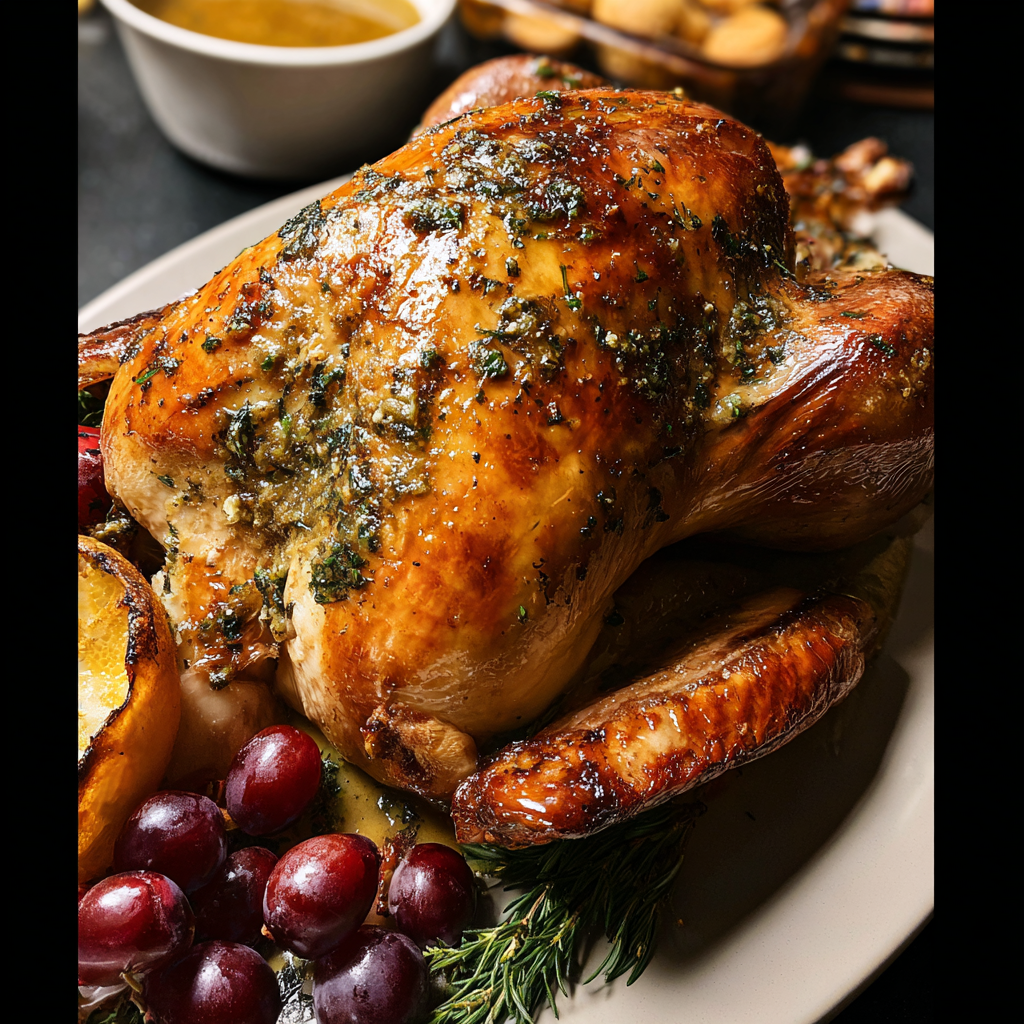
Flavorful Roasted Turkey with Herb Butter Recipe
Ingredients
Method
- Prepare the turkey by thawing and cleaning.
- Make the herb butter.
- Season the turkey.
- Prepare the roasting pan.
- Preheat the oven.
- Roast the turkey.
- Check the internal temperature.
- Rest the turkey.
- Carve and serve.
Notes
Additional serving suggestions: pair with a crisp salad, garlic bread, or roasted seasonal vegetables for balance.
For make-ahead, prep components separately and assemble just before heating to preserve texture.
Taste and adjust with acid (lemon/vinegar) and salt right at the end to wake up flavors.