Introduction
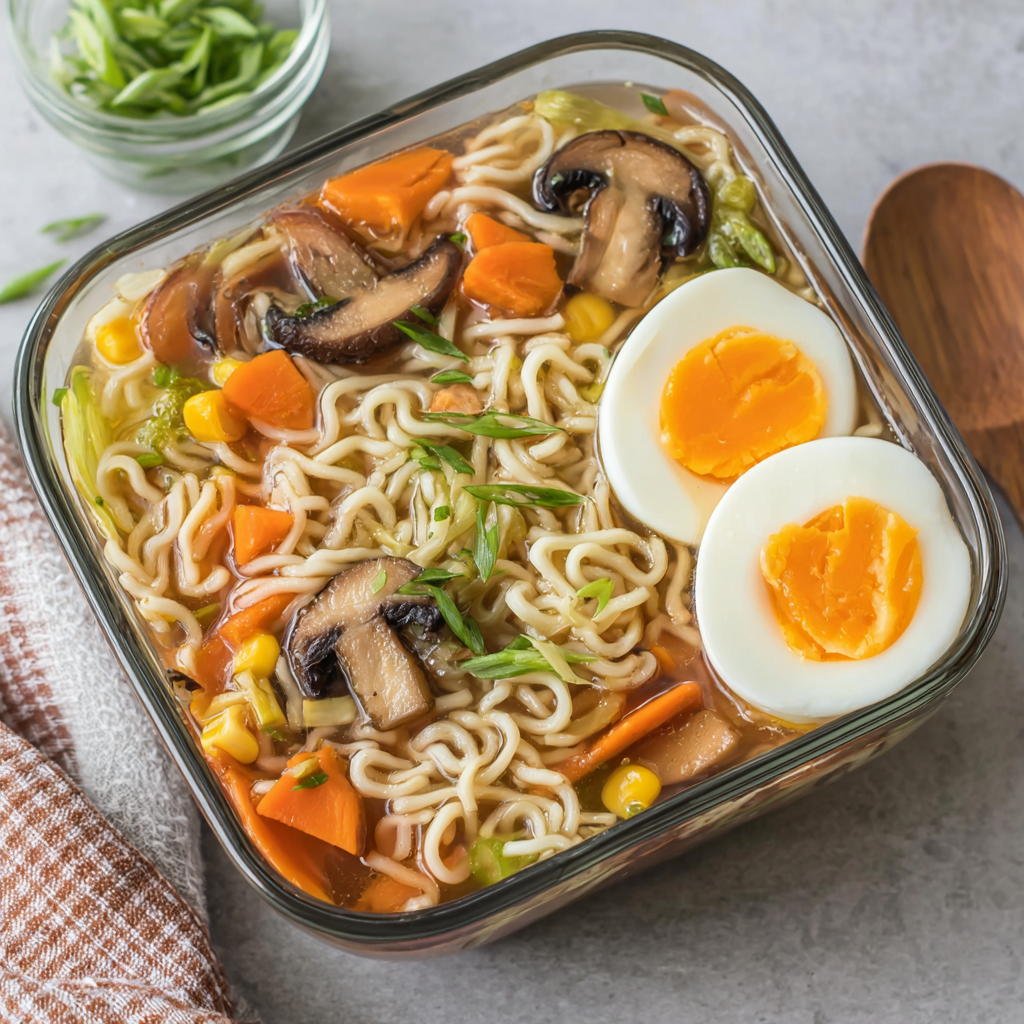
Ramen noodle soup stands as a testament to the beauty of simple ingredients coming together to create something extraordinary. It's a beloved dish that transcends borders, making it a perfect comfort food for any occasion.
This recipe will guide you through making a rich, flavorful broth paired with tender noodles and an array of toppings that add depth and character to each bowl. Whether you're new to cooking or a seasoned chef, you will find joy in crafting this beautiful dish at home.
Ingredients
- 4 cups chicken broth
The base of the soup, chicken broth, provides a rich, savory flavor that forms the heart of the ramen. It not only imparts depth but also helps to create a comforting essence that warms from the inside out. - 2 packs of fresh or instant ramen noodles
Ramen noodles are the star of this dish, soaking up the delicious broth while offering a satisfying texture. Fresh noodles result in a delicate bite, while instant noodles provide convenience for a quicker meal. - 1 tablespoon soy sauce
Soy sauce adds umami and a bit of saltiness to the broth. It balances the flavors and enhances the overall taste profile, making each sip of the soup richer and more satisfying. - 1 teaspoon sesame oil
Sesame oil contributes a nutty flavor that elevates the dish, giving it an authentic touch. It also adds a subtle aromatic quality that makes the soup enticing. - 2 green onions, sliced
Green onions provide a fresh, mild onion flavor and a pop of color. Used both in the broth and as a garnish, they enhance the presentation and add brightness. - 1 cup mushrooms, sliced (shiitake or button)
Mushrooms lend an earthy, meaty texture to the soup. Their natural umami complements the broth and intensifies the overall flavor profile. - 1 large egg
An egg, especially if soft-boiled, adds a rich creaminess to the dish. Its yolk melds beautifully with the broth, enriching each spoonful. - 1 cup spinach or bok choy
Greens like spinach or bok choy not only add nutrition but also a vibrant color and slight crunch when wilted in the hot broth. - Optional toppings: nori sheets, chili paste, or sliced radishes
Additional toppings help you customize your ramen and introduce new flavors or textures. Feel free to get creative, as these elements can personalize each bowl.
Directions & Preparation
Step 1: Prepare the broth by heating chicken broth in a pot over medium heat.
Starting with the broth is crucial as this sets the foundation for your ramen soup. By heating the chicken broth first, you create a warm environment that will encourage the flavors to meld beautifully. Allow it to simmer gently while you prepare the other ingredients. Look for small bubbles forming; this indicates that it’s ready for the next step.
Step 2: Add soy sauce, sesame oil, and sliced green onions to the broth.
Incorporating soy sauce and sesame oil at this stage infuses the broth with depth and aroma. The soy sauce adds a savory tang, while sesame oil introduces a nutty flavor that elevates the soup. Stir well to ensure evenly distributed flavors, and keep an eye on the onions as they soften in the heat.
Step 3: Stir in the sliced mushrooms and simmer for 5 minutes.
Mushrooms need a few minutes to release their moisture and contribute their earthy flavor to the broth. As they cook, they will absorb the surrounding flavors, making them deliciously savory. Ensure the broth remains at a gentle simmer, which allows the mushrooms to cook perfectly without becoming rubbery.
Step 4: Add the fresh ramen noodles and cook according to package instructions, usually about 3-4 minutes.
Cooking the noodles directly in the broth enhances their flavor, as they absorb the savory liquid. It’s important to monitor the cooking time closely, as overcooked noodles can become mushy. Taste them a minute before they’re done to ensure optimal texture.
Step 5: Meanwhile, soft boil the egg by cooking it in simmering water for about 6-7 minutes, then plunging it in ice water.
The soft-boiled egg is a classic addition that adds richness to your ramen. The ice bath stops the cooking process and helps achieve a perfectly runny yolk. If you prefer a firmer yolk, extend the cooking time by a couple of minutes.
Step 6: Stir in spinach or bok choy, and let them wilt in the hot broth for about 1 minute.
Greens are best when added at the end of cooking, allowing them to retain their color and slight crunch. This quick wilting brings a burst of nutrition and presentation to the dish, balancing out the richness of the broth.
Step 7: To serve, ladle the soup into bowls and top with half an egg, extra green onions, and any additional toppings you desire.
Presentation is key in ramen, making it feel as special as it is delicious. Carefully slice the soft-boiled egg in half and place it on top, allowing the runny yolk to entice anyone who's about to enjoy their bowl. Add your chosen toppings for a customized experience.

Exploring Broth Varieties
While chicken broth serves as a fantastic base for ramen, experimenting with different broth types can take your soup to new heights. Try using beef, pork, or even a rich miso broth for a unique flavor twist. Each variation will impart its own character to the dish, so don’t hesitate to explore combinations that excite your palate.
The Art of Toppings
The toppings in ramen are not just garnishes; they lend texture and contrast to the dish. Experiment with toppings like soft-boiled eggs, fermented vegetables, or even spicy miso to create layers of flavor. Each addition can transform a simple bowl into a personalized culinary experience that reflects your unique tastes.
Making it Your Own
Ramen noodle soup is highly versatile, allowing you to adapt the recipe based on what you have on hand. Swap out ingredients, such as different proteins or seasonal vegetables, to keep it interesting. This adaptability not only caters to personal preferences but also helps minimize food waste and promotes culinary creativity.
FAQs
What if my broth is too salty?
If your broth turns out too salty, try adding a bit of water or low-sodium broth to dilute it. You can also add a small piece of raw potato to absorb some saltiness; simply remove it after simmering.
My ramen noodles ended up mushy, how do I avoid that next time?
To prevent mushy noodles, cook them just until al dente, tasting them a minute early. Ensure you add them to the broth only for the recommended time based on their type.
Can I use vegetable broth instead of chicken broth?
Absolutely! Vegetable broth can create a lighter, yet still flavorful base for your ramen. Enhance it with soy sauce and sesame oil for depth.
What can I do if my soup is too thick?
If your soup is too thick, simply add more broth or water to reach your desired consistency. Allow it to simmer for a minute longer to meld the flavors.
What other vegetables can I incorporate into ramen?
Feel free to add vegetables like carrots, bell peppers, or corn. You can use whatever is in season or what you have on hand for added variety.
How can I make my ramen spicier?
Enhance your ramen's heat by adding chili oil, sriracha, or a sprinkle of red pepper flakes when serving. You can also include sliced jalapeños for a fresh kick.
Conclusion
Creating your own ramen noodle soup is an enriching experience that rewards time spent in the kitchen. Not only do you satisfy your hunger, but you also engage your creativity with flavors and textures.
Whether you're indulging on a cozy night in or sharing with friends at a gathering, this comforting bowl of ramen is sure to become a favorite. Enjoy exploring the variations and personal touches that make this dish uniquely yours.
Recipe Card
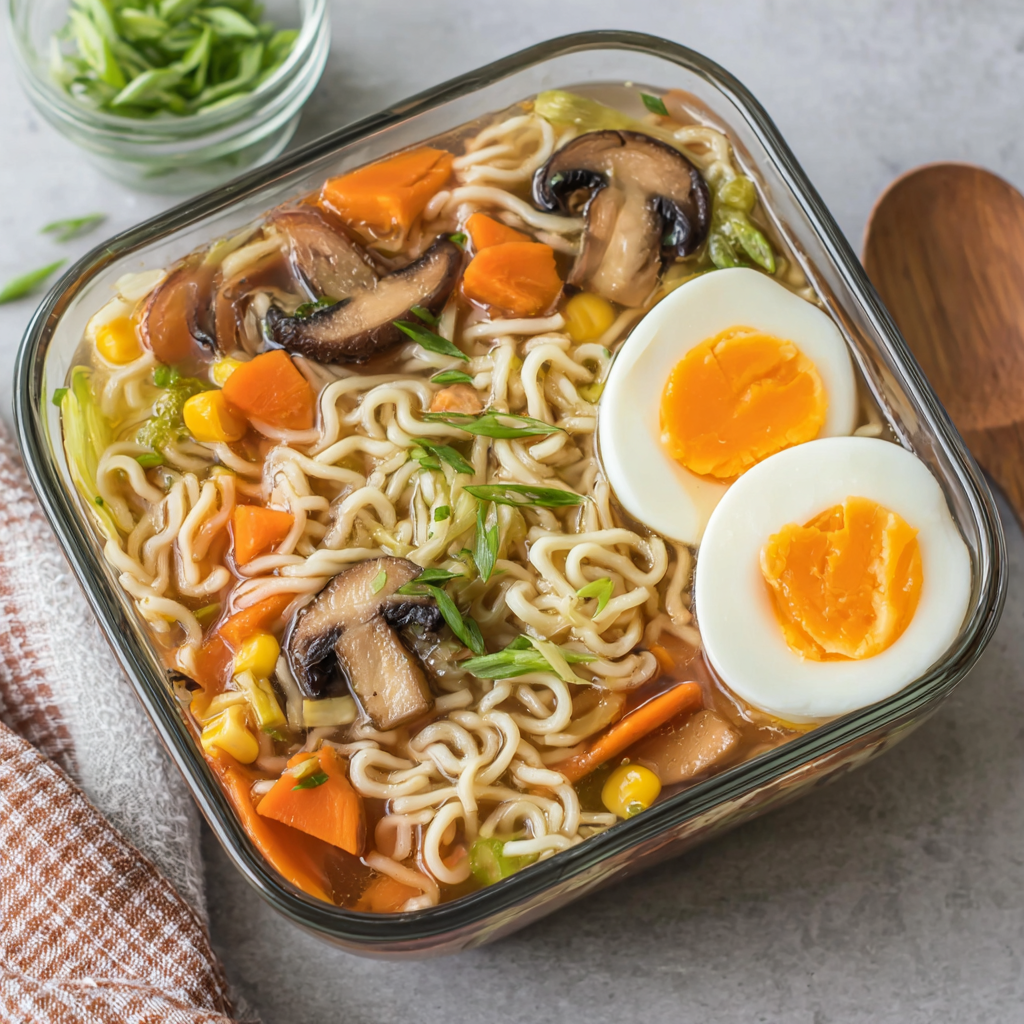
Hearty Ramen Noodle Soup for Comforting Meals
Ingredients
Method
- Prepare the broth by heating chicken broth in a pot over medium heat.
- Add soy sauce, sesame oil, and sliced green onions to the broth.
- Stir in the sliced mushrooms and simmer for 5 minutes.
- Add the fresh ramen noodles and cook according to package instructions, usually about 3-4 minutes.
- Meanwhile, soft boil the egg by cooking it in simmering water for about 6-7 minutes, then plunging it in ice water.
- Stir in spinach or bok choy, and let them wilt in the hot broth for about 1 minute.
- To serve, ladle the soup into bowls and top with half an egg, extra green onions, and any additional toppings you desire.
Notes
Additional serving suggestions: pair with a crisp salad, garlic bread, or roasted seasonal vegetables for balance.
For make-ahead, prep components separately and assemble just before heating to preserve texture.
Taste and adjust with acid (lemon/vinegar) and salt right at the end to wake up flavors.