Introduction
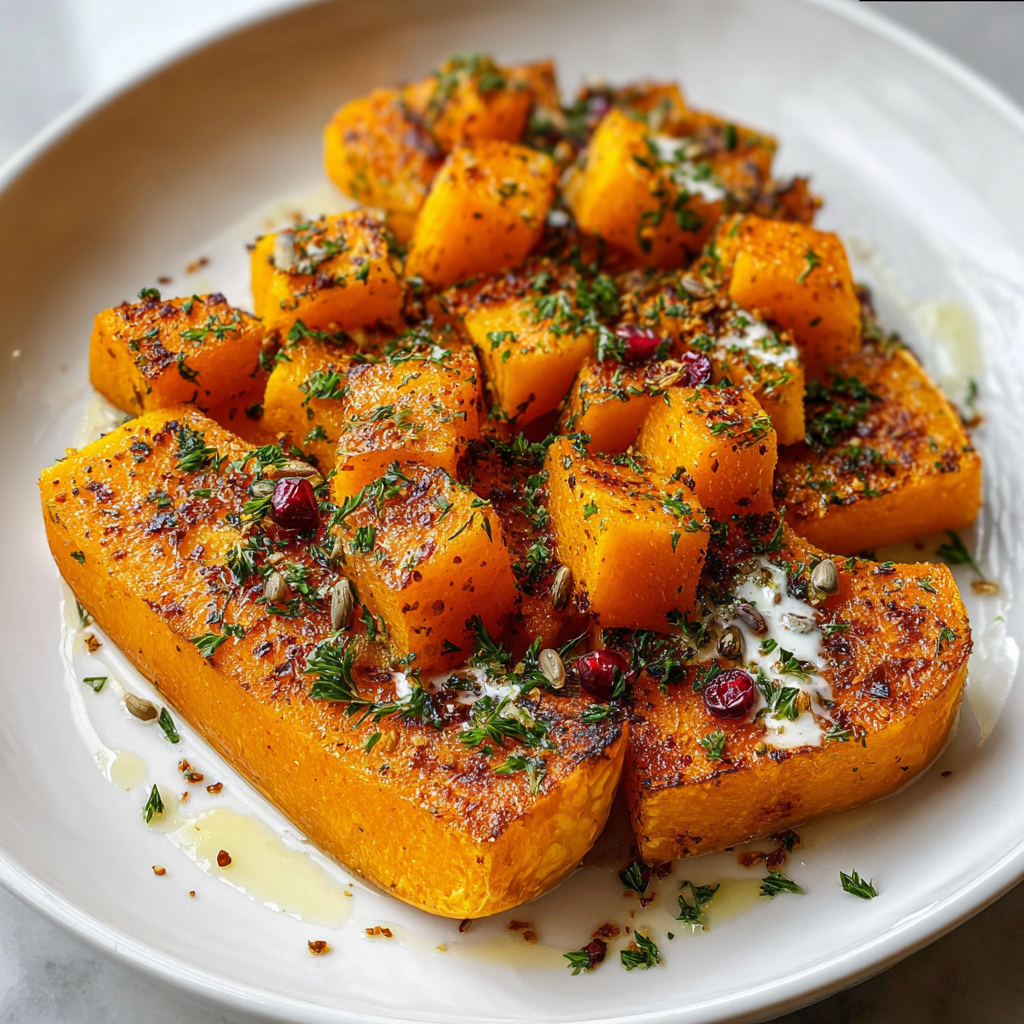
As the leaves begin to change and a chill fills the air, roasted butternut squash truly shines as a seasonal staple. With its sweet, nutty flavor and beautiful golden hue, this versatile ingredient enhances a variety of dishes, from side salads to soups. If you're looking to elevate your culinary repertoire, carving out time to roast this delicious squash is an excellent choice.
Roasting butternut squash brings out its natural sugars, transforming its texture and flavor into something rich and satisfying. This article will explore different dimensions of roasted butternut squash, showing you how to prepare it in ways that capture its vibrant essence. The recipes that follow promise to highlight its adaptability while keeping the cooking process fun and engaging.
Ingredients
- 1 medium butternut squash
The star of the show, butternut squash is full of vitamins A and C, and its creamy flesh becomes caramelized when roasted. The key is to choose one that is firm and heavy for its size, which indicates freshness. - 2 tablespoons olive oil
Olive oil not only facilitates even roasting but also enhances the flavor profile of the squash. It helps achieve a crispy exterior while keeping the inside tender and succulent. - 1 teaspoon salt
Salt is essential to bring out the natural sweetness of the butternut squash. It helps to enhance flavors and create a balanced taste, preventing the dish from being overly sweet. - 1/2 teaspoon black pepper
Black pepper adds a hint of warmth and complexity, elevating the flavor of the squash. The slight heat from the pepper contrasts beautifully with the sweetness of the roasted vegetable. - 1/2 teaspoon cinnamon
Cinnamon introduces a warm, aromatic essence that pairs well with the natural sweetness of butternut squash. This spice is particularly comforting, making it an excellent addition to fall dishes. - 1 tablespoon maple syrup (optional)
Maple syrup further enhances the sweetness and adds a rich depth of flavor. If you prefer a sweeter profile, this ingredient is highly recommended for a deliciously sticky glaze.
Directions & Preparation
Step 1: Preheat your oven to 400°F (200°C).
Preheating the oven is a crucial first step that ensures your butternut squash roasts evenly and efficiently. An adequately heated oven will help the squash caramelize properly, leading to a delightful texture and flavor. Aim for a well-distributed heat that can envelop the squash uniformly.
Step 2: Prepare the butternut squash.
To prepare the squash, start by peeling it with a vegetable peeler. Cut off both ends and slice it in half lengthwise. Scrape out the seeds with a spoon. Uniform pieces ensure even cooking, so aim for 1-inch cubes while cutting. This meticulous preparation allows every piece to roast beautifully and gain that sought-after golden color.
Step 3: Season the squash with oil and spices.
In a large mixing bowl, toss the cubed squash with olive oil, salt, pepper, and cinnamon. If you desire extra sweetness, add maple syrup at this stage. The oil will coat the squash evenly, while the spices infuse every bite with flavor. This step is critical to achieving the delectable combination of crispy and tender textures.
Step 4: Spread the squash on a baking sheet.
Arrange the seasoned squash cubes in a single layer on a baking sheet lined with parchment paper. Spacing is essential; overcrowding the pan will lead to steaming instead of roasting. Ensure that the pieces are not touching, as this promotes even browning and enhances that delightful caramelized finish.
Step 5: Roast in the oven.
Place the baking sheet in the preheated oven and roast for 25-30 minutes, tossing halfway through. Roasting time may vary based on your oven and the size of the squash pieces, so keep an eye on them. You'll know they're ready when they are fork-tender and have developed a beautiful golden brown color. This step is where the magic truly happens.
Step 6: Check for doneness and serve.
To test for doneness, pierce a piece with a fork; it should glide through easily. If the squash is golden and soft, it’s ready to serve. You can add additional seasonings if desired, or pair it with grains, proteins, or greens. This dish can be enjoyed warm or at room temperature, making it versatile for any meal.

Enhancing Flavor with Unique Spices
When it comes to roasted butternut squash, the straightforward combination of olive oil, salt, and pepper works wonderfully. However, don't hesitate to explore additional spices. Consider adding nutmeg for a more complex flavor profile or even chili powder for an unexpected kick. The key is to balance these spices with the inherent sweetness of the squash, allowing each element to shine.
Serving Suggestions that Shine
Roasted butternut squash is a versatile side that pairs beautifully with many dishes. Try serving it over a bed of warm farro for a wholesome meal or toss it into a vibrant kale salad alongside some dried cranberries and feta for a delicious autumn-inspired dish. You can also use it as a pizza topping or blend it into creamy soups for a luscious texture and flavor.
Nutritional Benefits to Enjoy
Butternut squash is not only delicious but loaded with health benefits. It's rich in vitamins A and C, which support eye health and boost the immune system. The high fiber content aids digestion, while its low-calorie profile makes it a guilt-free addition to any meal. This autumnal vegetable deserves a spot in your seasonal cooking for both its taste and nutritional value.
FAQs
What if my butternut squash comes out too soft?
If your roasted squash is too soft, it may have been cooked for too long at too high a temperature. Keep an eye on it during the last few minutes of roasting, and consider reducing the time next time.
Can I use a different type of squash?
Absolutely! While butternut squash is ideal, you can experiment with acorn or delicata squash for a similar flavor. Just keep in mind that cooking times may vary slightly.
What are some creative add-ins for my roasted squash?
You can mix in nuts for added crunch, such as pecans or walnuts. For a protein boost, incorporate chickpeas before roasting, or toss in fresh herbs like rosemary or thyme post-roasting for a touch of freshness.
How can I avoid bland roasted squash?
Ensure you're using enough seasoning and consider adding zest from citrus fruits like lemon or orange to enhance flavor. An acid can brighten the dish and counterbalance sweetness.
Is there a way to make the squash more visually appealing?
To elevate the presentation, try cutting the butternut squash into varying shapes, such as wedges or rounds. Additionally, garnishing with fresh herbs or a drizzle of balsamic reduction can add a gourmet touch.
What can I do if my squash is overcooked?
If your squash has become mushy, consider pureeing it into a soup or sauce. This can mask the texture issue while creating a new delicious dish.
Conclusion
Roasted butternut squash is a delightful dish that brings warmth and comfort to your dining table. By mastering this recipe, you open up a world of possibilities to incorporate seasonal flavors into your meals. From delicious side dishes to exciting additions in salads, roasted squash can enhance a wide array of culinary creations.
Embrace the coming months with this versatile vegetable and enjoy experimenting with different spices and serving options. No matter how you choose to prepare it, roasted butternut squash promises to deliver both flavor and nourishment during the cozy fall season.
Recipe Card
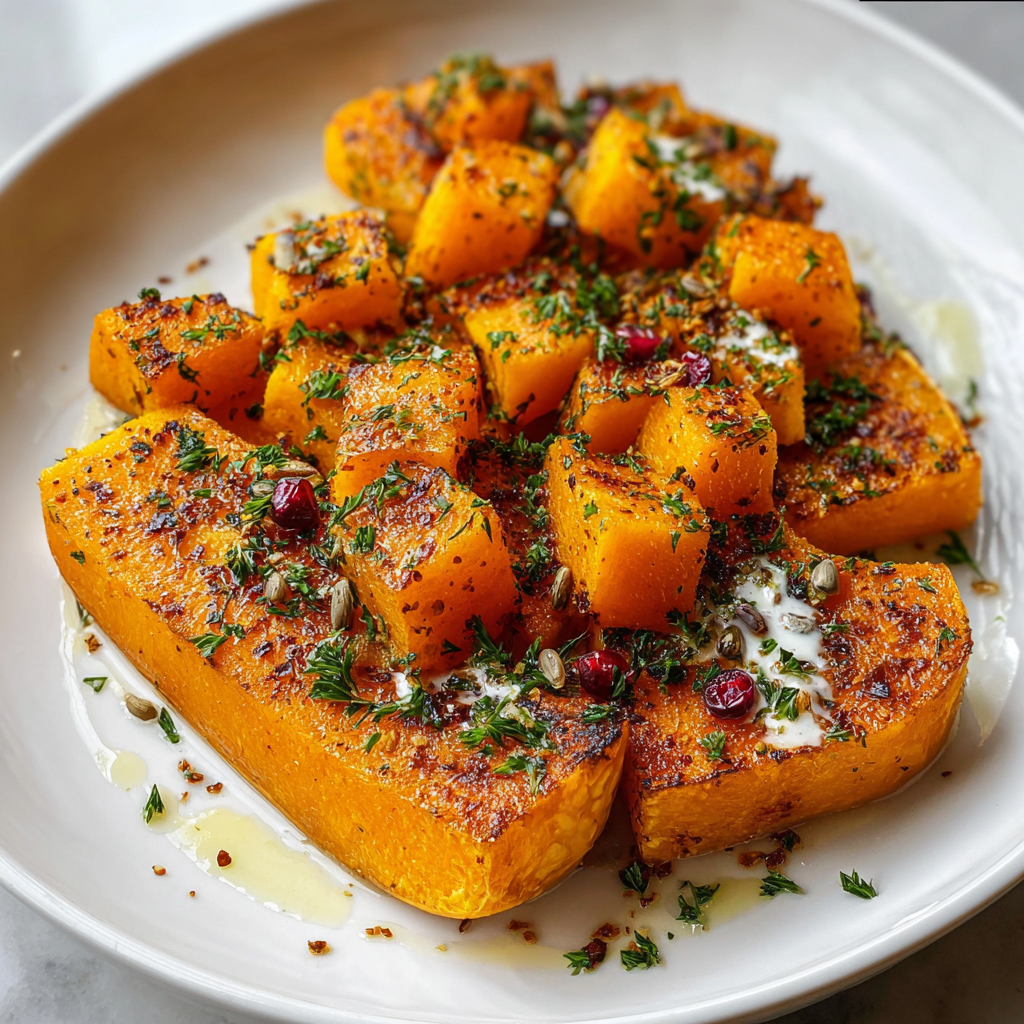
Roasted Butternut Squash: A Trendy Twist on a Classic
Ingredients
Method
- Preheat your oven to 400°F (200°C).
- Prepare the butternut squash.
- Season the squash with oil and spices.
- Spread the squash on a baking sheet.
- Roast in the oven.
- Check for doneness and serve.
Notes
Additional serving suggestions: pair with a crisp salad, garlic bread, or roasted seasonal vegetables for balance.
For make-ahead, prep components separately and assemble just before heating to preserve texture.
Taste and adjust with acid (lemon/vinegar) and salt right at the end to wake up flavors.