Introduction
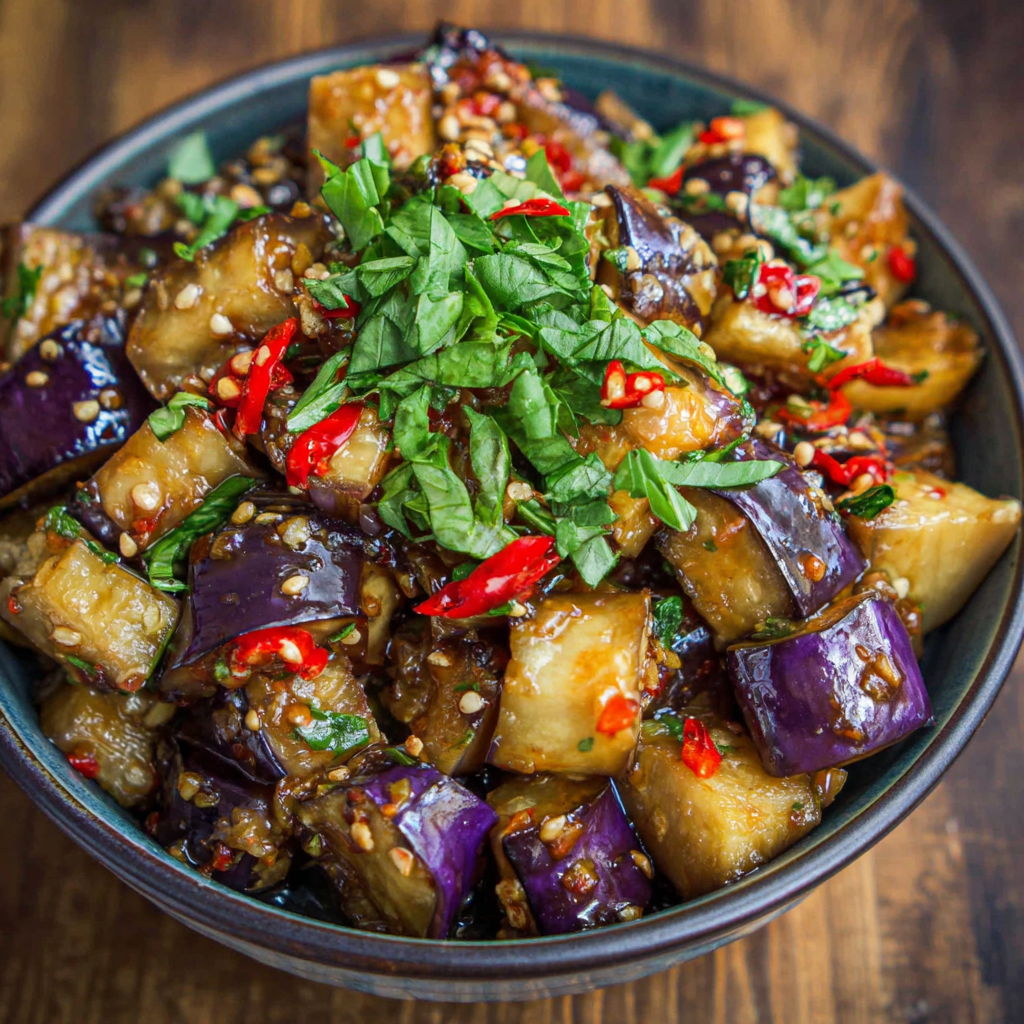
Chinese Eggplant with Spicy Garlic Sauce is a vibrant dish that brings together the unique texture of silky eggplant with a bold, savory sauce. This dish showcases the versatility of eggplant and is a staple in Chinese cuisine, making it a favorite for those who enjoy a blend of heat and aromatic flavors.
The deep, rich sauce is easy to prepare and elevates the natural sweetness of the eggplant, creating an irresistible balance of tastes and textures. Preparing this dish at home allows you to customize the heat level and ensure freshness, making it a wholesome addition to your meal rotation.
Perfect as a side or a main dish, this recipe highlights the beauty of eggplant and the power of garlic. Dive into this culinary experience that packs both flavor and nutrition.
Ingredients
- 2 medium Chinese eggplants
Chinese eggplants are longer, thinner, and have a smoother skin than their Western counterparts. They are great for absorbing flavors and become tender without becoming mushy, making them ideal for this recipe. - 3 tablespoons vegetable oil
Vegetable oil is used for sautéing the eggplant and garlic. It has a high smoke point, which allows for frying at hotter temperatures, enabling the eggplant to become tender while retaining its vibrant color. - 6 cloves garlic, minced
Garlic is the star flavor in this dish, providing an aromatic base for the sauce. Minced garlic releases oils that enhance its flavor, and sautéing it ensures a robust, fragrant introduction to the dish. - 2 tablespoons soy sauce
Soy sauce adds umami and saltiness to the dish, enhancing the overall flavor profile. It also contributes to the rich color of the sauce, making the dish visually appealing. - 1 tablespoon sambal oelek (or chili paste)
This chili paste introduces a spicy kick that elevates the dish's flavor. Adjusting the amount allows flexibility for varying spice tolerance, making it customizable for all palates. - 1 tablespoon rice vinegar
Rice vinegar adds a tangy brightness to the sauce, balancing the richness of the eggplant. Its mild acidity helps cut through the flavors, ensuring a well-rounded taste. - 1 teaspoon sugar
Sugar helps to balance the saltiness and acidity in the dish. It rounds out the flavors and enhances the sweetness found naturally in the eggplant. - 2 green onions, chopped
Green onions provide a fresh and crisp contrast to the soft eggplant. They add a burst of color and a mild onion flavor, which complements the other ingredients beautifully. - Sesame seeds for garnish
Sesame seeds add texture and a nutty flavor to the dish. Sprinkling them on top just before serving enhances both the visual appeal and the overall experience.
Directions & Preparation
Step 1: Prepare the eggplants by cutting them into bite-sized pieces.
Cutting the eggplants into uniform pieces ensures even cooking. Aim for bite-sized cubes to allow the eggplant to absorb the sauce while still being easy to eat. Leaving the skin on adds color and helps hold the pieces together.
Step 2: Salt the eggplant and let it sit for about 10-15 minutes.
Salting the eggplant draws out excess moisture and some bitterness, resulting in a firmer texture without the sogginess that can occur during cooking. Rinse and pat dry before proceeding to maintain a balanced flavor.
Step 3: Heat the vegetable oil in a large skillet over medium-high heat.
Heating the oil properly creates a non-stick surface for frying the eggplant, ensuring it cooks evenly and achieves that desirable golden-brown finish. It's important to get the oil hot before adding the eggplant to prevent it from absorbing too much oil.
Step 4: Add the eggplant to the skillet and sauté until tender.
Sauté the eggplant for about 7-10 minutes or until it becomes soft and slightly golden. This cooking process enhances its flavors through caramelization and completes the necessary step before adding the sauce.
Step 5: Stir in the minced garlic and cook for an additional minute.
Adding the garlic after the eggplant ensures it doesn’t burn, which can create a bitter taste. The aim is to release the aromatic oils of the garlic and infuse them into the eggplant, enhancing the dish's fragrance.
Step 6: Combine the soy sauce, sambal oelek, rice vinegar, and sugar in a small bowl.
Mixing the sauce ingredients together in a separate bowl allows for a consistent flavor distribution when added to the pan. This step is crucial for achieving the balanced and cohesive taste of the dish.
Step 7: Pour the sauce over the sautéed eggplant and stir well.
Pouring the sauce directly over the eggplant ensures that each piece is evenly coated, allowing it to soak in the flavors. Continuously stirring helps to achieve a uniform texture and subsequent caramelization of the sauce.
Step 8: Allow the mixture to simmer for a couple of minutes until the sauce thickens.
Simmering enables the flavors to meld together while reducing the sauce to your desired thickness. This step is essential to achieve the right balance of flavor intensity without making the dish too watery.
Step 9: Remove from heat and stir in chopped green onions.
Adding the green onions at the end provides a fresh crunch that contrasts with the cooked eggplant. They impart a mild onion flavor that lightens the richness of the dish and adds vibrant color.
Step 10: Serve hot, garnished with sesame seeds.
Garnishing with sesame seeds just before serving adds texture and enhances presentation. Serving the dish hot ensures that the flavors are optimal, making it a delightful experience for everyone at the table.

The Magic of Marinades in Chinese Cooking
Marinades play a crucial role in Asian culinary traditions, offering depth and flavor that saturate the ingredients. In this dish, the combination of soy sauce, rice vinegar, and sambal oelek serves as a quick and effective marinade for the eggplant. The brief cooking time allows these flavors to mingle, enhancing the overall taste and ensuring each bite delivers an exciting burst of flavor.
Balancing Heat and Flavor with Customization
One of the unique aspects of this recipe is the ability to adjust the level of spicy heat according to your taste preference. The sambal oelek can be tailored for a milder version by reducing the quantity or choosing a less spicy alternative. This versatility allows home cooks to explore flavor profiles, either turning up the heat for spice lovers or toning it down for those who prefer gentler flavors.
Eggplant's Nutritional Benefits Explored
Eggplant is not just delicious; it is a nutrient-dense vegetable that offers numerous health benefits. Rich in antioxidants and dietary fiber, it supports digestion and heart health. By cooking with Chinese eggplants, you also retain many essential vitamins such as B vitamins and minerals like potassium. Enjoying this flavorful dish provides not only a burst of taste but also a nourishing addition to your diet.
FAQs
What if my sauce turns out too thick?
If the sauce is too thick, gradually add a splash of water or additional soy sauce while stirring over low heat until you achieve the desired consistency.
How can I make this dish less spicy?
Reduce the amount of sambal oelek in the recipe, or substitute it with a less spicy chili paste. You can also omit it entirely for a milder flavor.
Can I use regular eggplant instead of Chinese eggplant?
Yes, you can substitute regular eggplant; however, it may require a longer cooking time and may have a slightly different texture due to its thicker skin and larger size.
What should I do if the garlic flavor is too strong?
If you find the garlic flavor overpowering, try reducing the quantity next time or incorporate it later in the cooking process. Cooking it briefly after the eggplant can mellow its intensity.
Is there a way to enhance the sweetness in this dish?
To enhance the sweetness, add a pinch more sugar to the sauce mixture or drizzle a bit of honey before serving for a natural sweet balance.
Can I add any protein to this dish?
Absolutely! Tofu, chicken, or shrimp can be added during the cooking process to create a more substantial meal while complementing the flavors of the eggplant.
Conclusion
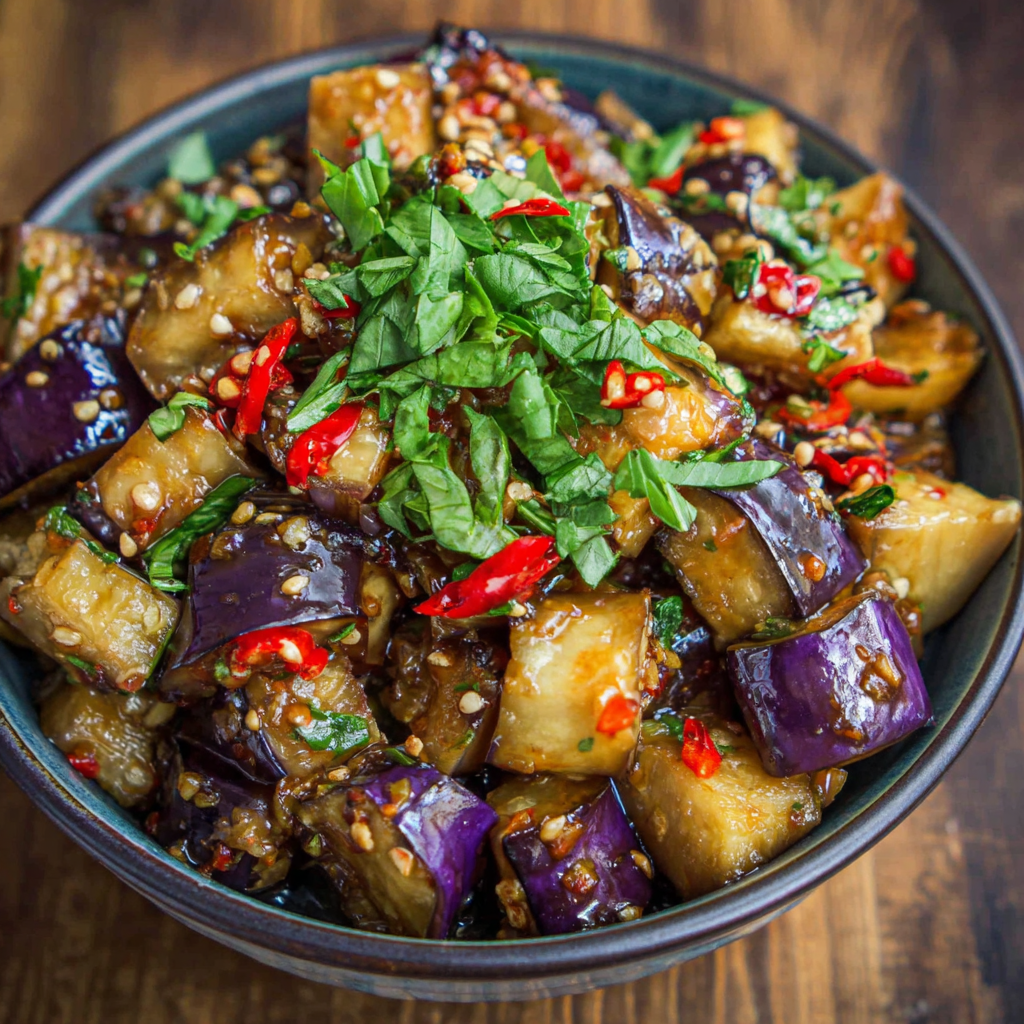
Chinese Eggplant with Spicy Garlic Sauce captures the essence of vibrant Chinese flavors with its dynamic ingredients and cooking techniques. This easy-to-follow recipe ensures that you can replicate this beloved dish in the comfort of your kitchen.
Whether you opt for it as a side or a main course, the combination of textures and flavors will surely impress your family and friends. Enjoy the satisfaction of cooking a dish that is not only pleasing to the palate but also nourishing for the body.
Recipe Card
Savoring Chinese Eggplant in Spicy Garlic Sauce
Ingredients
Method
- Prepare the eggplants by cutting them into bite-sized pieces.
- Salt the eggplant and let it sit for about 10-15 minutes.
- Heat the vegetable oil in a large skillet over medium-high heat.
- Add the eggplant to the skillet and sauté until tender.
- Stir in the minced garlic and cook for an additional minute.
- Combine the soy sauce, sambal oelek, rice vinegar, and sugar in a small bowl.
- Pour the sauce over the sautéed eggplant and stir well.
- Allow the mixture to simmer for a couple of minutes until the sauce thickens.
- Remove from heat and stir in chopped green onions.
- Serve hot, garnished with sesame seeds.
Notes
Additional serving suggestions: pair with a crisp salad, garlic bread, or roasted seasonal vegetables for balance.
For make-ahead, prep components separately and assemble just before heating to preserve texture.
Taste and adjust with acid (lemon/vinegar) and salt right at the end to wake up flavors.