Introduction
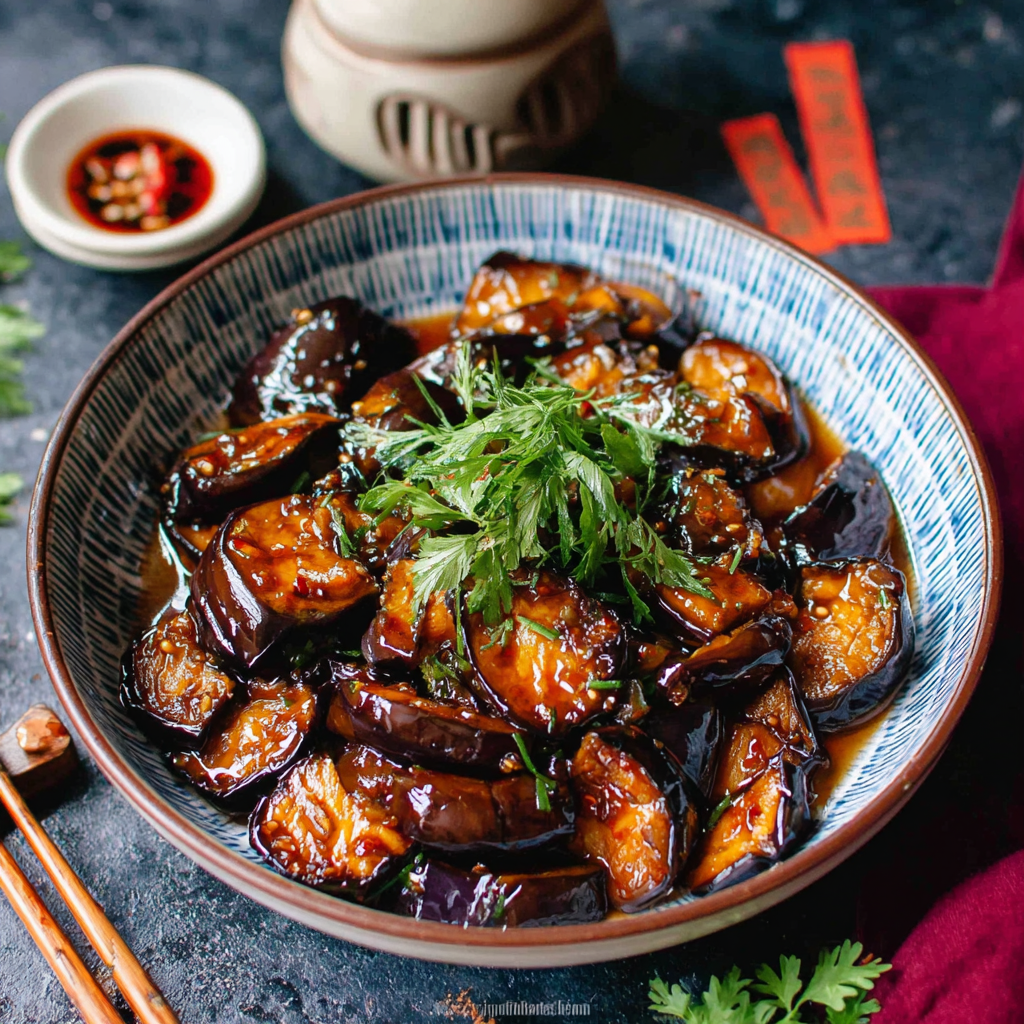
Chinese eggplant with garlic sauce is a dish that captures the essence of authentic Chinese cuisine, bringing together deep flavors and vibrant colors. Eggplant, often overlooked in the western culinary world, shines in this recipe, becoming tender and succulent as it absorbs the garlicky sauce.
This dish not only celebrates the unique texture and taste of eggplant but also emphasizes the rich culinary techniques commonly used in Chinese cooking. With its combination of garlic, soy sauce, and spices, this recipe is perfect for home cooks looking to explore a beloved dish that is sure to impress family and friends.
Ingredients
- 1 pound Chinese eggplant
Chinese eggplants are long and slender, with a tender skin and a milder flavor compared to their Western counterparts. They have a lower seed count, which means a creamier texture and less bitterness, making them perfect for absorbing sauces. - 4 cloves garlic, minced
Garlic adds a pungent depth and aromatic quality to the dish. When sautéed, it releases oils that enhance the overall flavor, creating a savory foundation that infuses the eggplant with richness. - 3 tablespoons soy sauce
Soy sauce provides a salty umami punch that balances the sweetness of the eggplant. It also contributes to the dish’s dark, appealing color, while enhancing the flavor of the other ingredients. - 1 tablespoon rice vinegar
This acid cuts through the richness of the eggplant and balances the dish with a slight tang, elevating the flavors. It also helps to highlight the earthiness of the eggplant. - 1 tablespoon sugar
Sugar plays a crucial role in rounding out the flavors. It helps to caramelize the surface of the eggplant when cooked and balances the savory components with a light sweetness. - 2 tablespoons vegetable oil
Used for cooking, vegetable oil has a high smoke point that is essential for frying and sautéing. It ensures that the eggplant cooks evenly without absorbing too much oil. - 1 teaspoon cornstarch mixed with 1 tablespoon water
This mixture acts as a thickening agent for the sauce. It helps give the sauce a glossy finish and ensures it coats the eggplant evenly, enhancing each bite. - 1 tablespoon scallions, chopped (for garnish)
Scallions not only provide a fresh crunch when sprinkled on top but also introduce a subtle onion flavor, adding complexity and a vibrant garnish to the finished dish.
Directions & Preparation
Step 1: Prepare the eggplant by cutting it into bite-sized pieces.
Begin by washing the Chinese eggplant thoroughly. Cut them into approximately 1-inch pieces, ensuring they are uniform in size to allow for even cooking. This size strikes a balance, making them easy to eat while providing a good surface area to soak up the delicious garlic sauce.
Step 2: Salt the eggplant pieces and let them sit for 15 minutes.
Salting the eggplant draws out excess moisture and helps reduce any bitterness. It will also give the eggplant a firmer texture during cooking. After letting them sit, rinse off the salt and pat the pieces dry with a paper towel to absorb excess water.
Step 3: Heat oil in a large pan over medium-high heat.
Utilizing a high smoke-point oil allows for proper sautéing, ensuring the eggplant gets a nice char while still becoming tender inside. Make sure the oil is hot before you add the eggplant to achieve the best texture and flavor.
Step 4: Add the eggplant pieces to the pan and stir-fry for 5-7 minutes.
Stir-frying the eggplant promotes even cooking and allows it to absorb the flavors from the sizzling oil. Cook until they are golden brown and fork-tender, stirring frequently to prevent sticking.
Step 5: Introduce minced garlic, soy sauce, rice vinegar, and sugar into the pan.
Adding garlic at this stage allows it to release its essential oils without burning. The combination of soy sauce, vinegar, and sugar creates a deeply flavored sauce that envelops the eggplant, enhancing its natural sweetness.
Step 6: Mix the cornstarch and water solution and add it to the pan.
Incorporating this mixture will thicken your sauce, giving it a consistency that clings to the eggplant beautifully. Stir well to ensure it coats all pieces evenly, creating a glossy finish.
Step 7: Garnish with chopped scallions and serve hot.
The final touch of freshly chopped scallions not only adds a pop of color but also a refreshing crunch that contrasts the tender eggplant. Serve it hot over a bed of rice or alongside other dishes for a well-rounded meal.

The Role of Salt in Preparing Eggplant
Salting eggplant is a fundamental technique in ensuring a delicious outcome. By drawing moisture out, it not only helps reduce bitterness but also prepares the vegetable for optimal absorption of sauces. This step enables the eggplant to maintain its texture rather than becoming overly mushy, balancing its structure with the flavors during cooking.
Balancing Flavors: Sweet and Savory in Garlic Sauce
This recipe showcases the harmony of sweet and savory elements, a hallmark of Chinese cuisine. The sugar balances the salty soy sauce and acidic vinegar, creating a well-rounded flavor profile that enhances the eggplant’s subtle taste. By carefully adjusting these components, you can achieve a sauce that complements rather than overpowers the dish.
Perfecting the Thickness of Your Sauce
The technique of thickening sauces with cornstarch is crucial for texture. A glossy sauce that clings to the ingredients ensures a satisfying eating experience. If your sauce is too thin, it may not coat the eggplant well, while too thick can mask the flavor. Adjusting your cornstarch slurry can help achieve that ideal balance.
FAQs
What if my garlic sauce tastes bland?
If your sauce lacks flavor, consider increasing the amounts of soy sauce or garlic. You can also add a pinch of salt or a splash of chili oil for an extra kick.
My eggplant ended up too mushy. What went wrong?
Eggplant can become mushy if cooked too long or at too low heat. Make sure to cook on medium-high heat and monitor cooking time to achieve that tender yet firm texture.
Can I use regular eggplant instead of Chinese eggplant?
Yes, although American eggplants are thicker and may require longer cooking times and a bit more salt to reduce bitterness.
How can I adjust the sauce if it gets too thick?
If the sauce becomes too thick, add a small amount of water or broth gradually while stirring to reach your desired consistency.
What’s the best way to add heat to this dish?
To introduce heat, consider adding red pepper flakes or a dash of hot sauce when you add the garlic and cook them together.
Can I add other vegetables to this recipe?
Absolutely! Broccoli, bell peppers, or snap peas can complement the dish well. Just ensure they have similar cooking times.
Conclusion
Chinese eggplant with garlic sauce is a dish that not only tantalizes the taste buds but also enriches your cooking repertoire. With its straightforward preparation and bold flavors, it stands as a testament to the delicious versatility of eggplant.
By mastering this dish, you take the first step into the vibrant world of Chinese cooking, where fresh ingredients and time-honored methods combine to create unforgettable experiences. Embrace this recipe, and allow it to inspire you to explore and create even more flavorful dishes in your kitchen.
Recipe Card
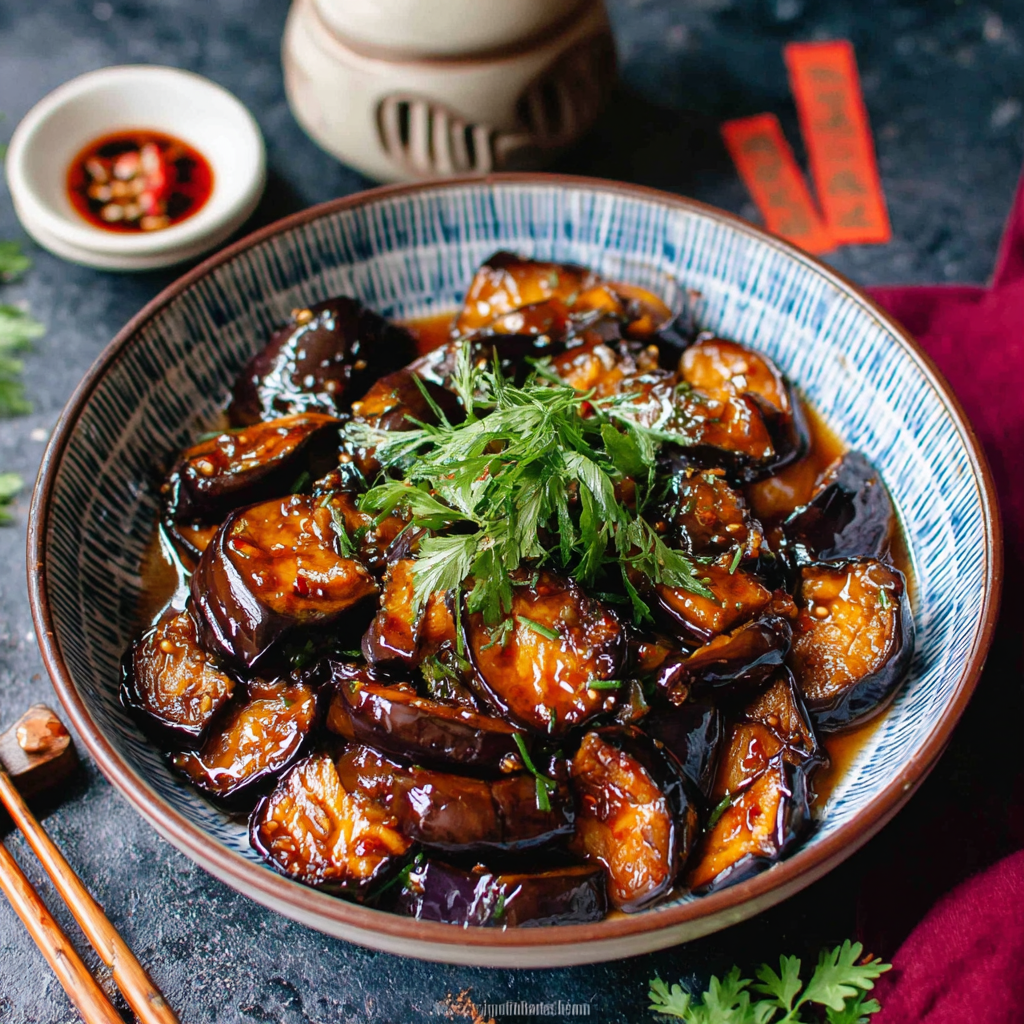
Savoring Chinese Eggplant with Garlic Sauce
Ingredients
Method
- Prepare the eggplant by cutting it into bite-sized pieces.
- Salt the eggplant pieces and let them sit for 15 minutes.
- Heat oil in a large pan over medium-high heat.
- Add the eggplant pieces to the pan and stir-fry for 5-7 minutes.
- Introduce minced garlic, soy sauce, rice vinegar, and sugar into the pan.
- Mix the cornstarch and water solution and add it to the pan.
- Garnish with chopped scallions and serve hot.
Notes
Additional serving suggestions: pair with a crisp salad, garlic bread, or roasted seasonal vegetables for balance.
For make-ahead, prep components separately and assemble just before heating to preserve texture.
Taste and adjust with acid (lemon/vinegar) and salt right at the end to wake up flavors.