Introduction
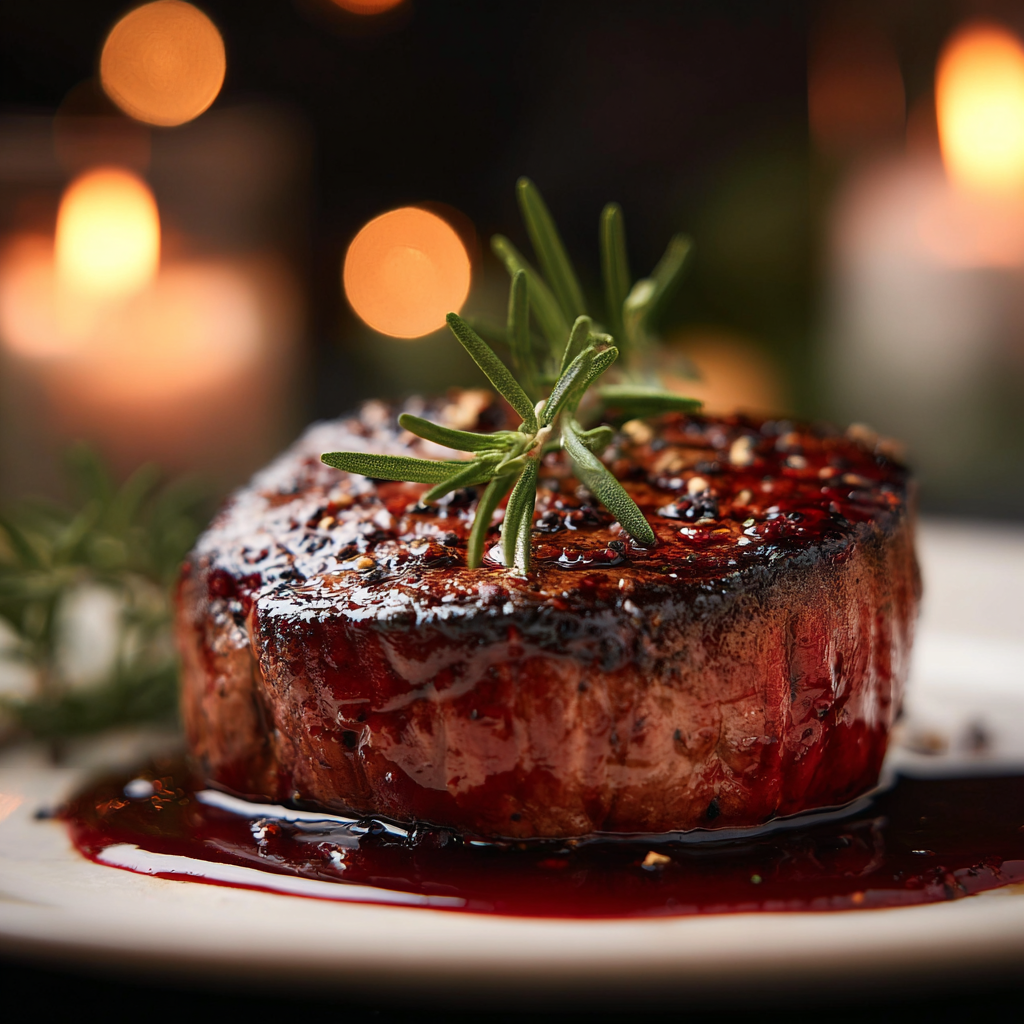
If you're looking to impress guests or treat yourself to an exquisite meal, filet mignon paired with a red wine reduction is the perfect choice. The tenderness of the filet, combined with the rich and complex flavors of the sauce, creates a dining experience that feels luxurious and satisfying.
This dish presents a fusion of techniques that elevate a simple cut of beef into culinary artistry. Building layers of flavor, from searing the meat to simmering the wine sauce, ensures each bite of filet mignon is a delightful combination of savory and slightly sweet, with just the right amount of acidity.
Ingredients
- 2 filet mignon steaks (6-8 oz each)
Filet mignon is a highly sought-after cut from the tenderloin, known for its melt-in-your-mouth texture. Cooking it to the right doneness brings out its natural flavor and tenderness. - Salt and black pepper to taste
Seasoning is key to enhancing the natural flavors of the beef. Salt brings out moisture, while black pepper adds warmth and a subtle heat complementing the richness of the sauce. - 2 tablespoons olive oil
Olive oil not only helps in searing the steaks to a beautiful brown crust but also adds a hint of fruity flavor. It has a high smoke point, making it ideal for high-heat cooking. - 1 shallot, finely chopped
Shallots provide a milder onion flavor that enhances the sauce without overwhelming the dish. They caramelize beautifully, adding sweetness and depth to the reduction. - 1 cup red wine (like Cabernet Sauvignon or Merlot)
Red wine contributes acidity and complexity to the sauce, balancing the richness of the steak. Choose a wine that you enjoy drinking, as its flavors will concentrate in the cooking process. - 1/2 cup beef stock
Beef stock adds heartiness and depth to the reduction, complementing the filet's flavor without overshadowing it. It also helps in achieving the right viscosity in the sauce. - 1 tablespoon unsalted butter
Butter adds a luscious finish to the sauce, bringing it together and providing a glossy texture. It enhances the overall mouthfeel, making each bite indulgent. - Fresh thyme or rosemary for garnish (optional)
Garnishing the dish with herbs adds a pop of color and freshness. It also introduces a fragrant aroma, enhancing the overall sensory experience of the meal.
Directions & Preparation
Step 1: Season the filet mignon steaks generously with salt and black pepper on both sides.
Proper seasoning is crucial as it enhances the natural flavors of the meat. Doing this before cooking allows the salt to penetrate the beef, improving its overall taste. Be liberal, but remember, you can always adjust to your palate.
Step 2: Heat the olive oil in a heavy skillet over medium-high heat.
Using the right amount of heat is key for achieving a perfect sear. A well-heated pan ensures that the steaks will develop a golden-brown crust, locking in juices. Wait until the oil shimmers before adding the filets for optimal results.
Step 3: Sear the steaks for about 3-4 minutes on each side for medium-rare.
Searing locks in flavor by creating a crust through the Maillard reaction, adding richness and texture. Adjust the cooking time based on desired doneness; 130°F is perfect for medium-rare. Avoid flipping too frequently to maintain that crust.
Step 4: Remove the steaks from the pan and let them rest on a plate, tented with foil.
Resting allows the juices to redistribute throughout the meat, ensuring every bite is juicy. This step is vital; cutting into the steak too soon can result in a loss of moisture and flavor.
Step 5: In the same skillet, add the chopped shallots and sauté over medium heat until translucent.
Utilizing the fond, or browned bits left in the pan, intensifies the sauce's flavor. Sautéing shallots until tender enhances their sweetness, allowing them to meld beautifully with the wine.
Step 6: Deglaze the pan with the red wine, scraping up any brown bits.
Deglazing is crucial as it incorporates those flavorful bits into the sauce, enhancing its depth. It also adds acidity to balance the richness of the meat. Allow the wine to boil for a few minutes to evaporate some alcohol.
Step 7: Add the beef stock and simmer until the sauce reduces by half.
Simmering intensifies flavors through evaporation and thickens the sauce, creating a rich consistency. The key is to keep a gentle simmer; too much heat can cause the sauce to reduce too quickly and become bitter.
Step 8: Finish the sauce by whisking in the unsalted butter until melted and creamy.
Incorporating butter at the end gives the sauce a luxurious sheen and enhances mouthfeel. Whisking ensures even distribution, making the sauce rich and cohesive.
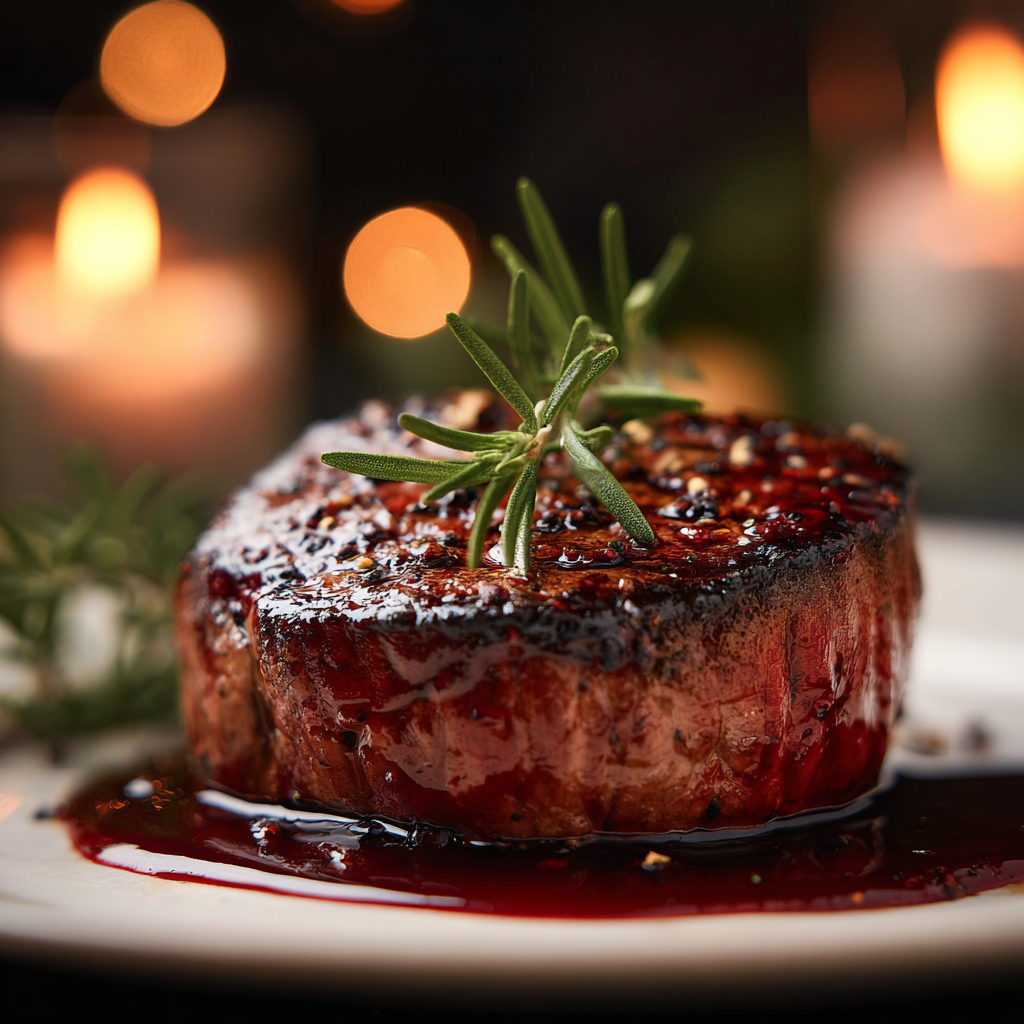
Step 9: Serve the filet mignon topped with red wine reduction, garnished with herbs if desired.
Presenting the dish beautifully not only appeals visually but also enhances the dining experience. A fresh herb garnish adds color and aroma, elevating the dish to a gourmet level.

Choosing the Perfect Cut of Filet
For the best results, select filet mignon that is bright red with a fine grain. The marbling should be evident, as this fat will render during cooking, keeping the meat moist and flavorful. Grass-fed beef tends to have a more robust flavor, while grain-fed offers a tenderness that melts in your mouth. Don’t hesitate to ask your butcher for recommendations based on freshness and cut.
The Art of Searing Meat
Searing is a critical step that engages several senses, creating a perfect crust while sealing in juices. The right pan, preferably heavy-bottomed or cast-iron, retains heat and ensures even cooking. Avoid overcrowding the pan to achieve the browning effect; each steak needs space to create that coveted crust. A well-seasoned surface adds incredible flavor, making this process as much art as science.
Elevating Your Red Wine Reduction
To craft a truly remarkable red wine reduction, quality wine is non-negotiable. Opt for a bottle you’d enjoy sipping alongside your meal; its flavors will concentrate and directly impact the sauce. Consider adding aromatics like garlic or a splash of balsamic vinegar for additional complexity. The reduction process not only intensifies flavors but also creates a luxurious, glossy texture that is truly memorable.
FAQs
What wine is best for the reduction sauce?
A semi-dry red like Cabernet Sauvignon or Merlot works well, providing both acidity and richness.
How can I ensure my filet is cooked perfectly?
Use a meat thermometer; aim for 130°F for medium-rare, adjusting according to your preference.
What if my sauce is too thin?
Continue simmering until it reduces further, or whisk in a cornstarch slurry for thickening.
Why is my red wine reduction too bitter?
Avoid over-reducing the sauce; complex flavors can turn bitter if cooked too long or at too high a heat.
Can I use different herbs in the sauce?
Yes, fresh rosemary or basil can add unique flavors; just adjust according to your taste preferences.
How do I adjust the recipe for a larger gathering?
Simply scale up the ingredients proportionately, ensuring your cooking times may vary based on the number of steaks.
Conclusion
Cooking filet mignon with a red wine reduction is more than just a meal; it's an experience that brings warmth and joy to any occasion. The combination of tender beef and rich sauce offers a delightful contrast that will impress any palate.
With these techniques and ingredients, you can make this restaurant-quality dish in your own kitchen. Remember, practice makes perfect, so don't hesitate to experiment until you find your ideal flavor balance.
Recipe Card
Savory Filet Mignon with a Luscious Red Wine Reduction
Ingredients
Method
- Season the filet mignon steaks generously with salt and black pepper on both sides.
- Heat the olive oil in a heavy skillet over medium-high heat.
- Sear the steaks for about 3-4 minutes on each side for medium-rare.
- Remove the steaks from the pan and let them rest on a plate, tented with foil.
- In the same skillet, add the chopped shallots and sauté over medium heat until translucent.
- Deglaze the pan with the red wine, scraping up any brown bits.
- Add the beef stock and simmer until the sauce reduces by half.
- Finish the sauce by whisking in the unsalted butter until melted and creamy.
- Serve the filet mignon topped with red wine reduction, garnished with herbs if desired.
Notes
Additional serving suggestions: pair with a crisp salad, garlic bread, or roasted seasonal vegetables for balance.
For make-ahead, prep components separately and assemble just before heating to preserve texture.
Taste and adjust with acid (lemon/vinegar) and salt right at the end to wake up flavors.