Introduction
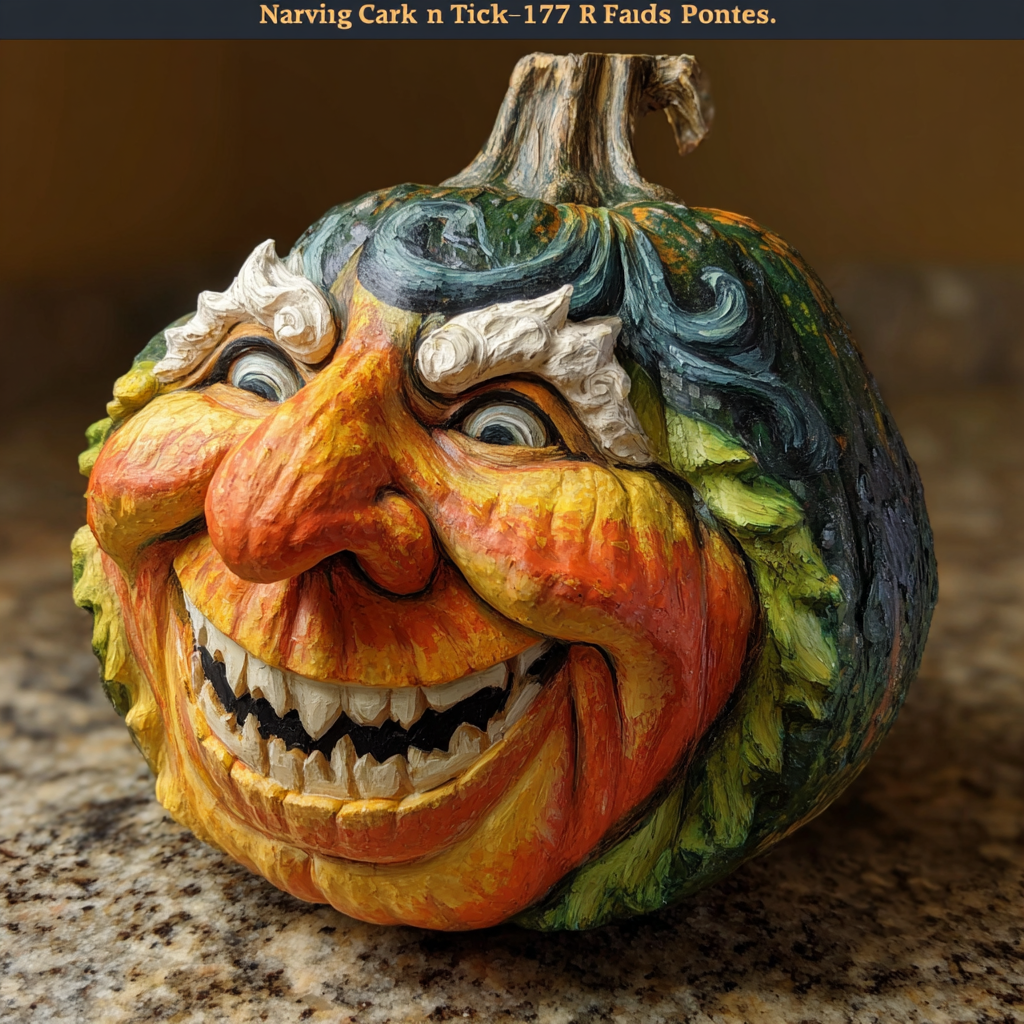
As autumn sets in and Halloween approaches, many of us indulge in the time-honored tradition of pumpkin carving. However, for those looking to preserve the integrity of their pumpkins or simply explore their creative side, no-carve pumpkin painting offers a delightful alternative.
This fun activity allows you to transform ordinary pumpkins into vibrant works of art without the mess and fuss of carving. Using paints, tools, and your imagination, you'll create unique decorations that can be enjoyed well beyond the Halloween season.
Ingredients
- 1 medium pumpkin (around 8-10 lbs)
Choose a pumpkin with a smooth surface that is free from blemishes. The size should be manageable enough for painting, and the sturdy skin will hold the paint and other decorations well. - Acrylic paints (various colors)
Acrylic paints are ideal for pumpkin painting due to their vibrant colors and quick drying time. They're non-toxic and easily clean up with water, making them safe for both kids and adults. - Paintbrushes (variety of sizes)
Having a range of paintbrushes allows for more detailing and creative freedom. Use finer brushes for intricate designs and larger ones for covering bigger areas quickly. - Painter's tape
This tape is key for creating clean, sharp lines in your designs. It helps to section off areas for different colors without smudging or blending paints unintentionally. - Glitter or sequins (optional)
For an extra touch of sparkle, incorporate glitter or sequins into your design. They can add dimension and an eye-catching element, making your pumpkins stand out even more. - Sealant spray (optional)
A clear sealant spray will help protect your painted pumpkins from the elements if displayed outside. It adds a layer of durability, keeping your artwork looking fresh longer.
Directions & Preparation
Step 1: Prepare your workspace
Start by setting up a clean, well-protected area where you can comfortably work on your pumpkins. Lay down newspaper or a plastic sheet to catch any stray paint. Good lighting is also important so you can see your designs clearly. This step matters because a tidy area helps you focus on your creativity without distractions or mess.
Step 2: Clean the pumpkin
Before you dive into painting, make sure to wash the surface of your pumpkin with mild soap and water. Scrubbing removes dirt and natural oils, ensuring the paint adheres well. Dry it thoroughly before proceeding; this helps ensure that your designs have the best chance of sticking and looking vibrant.
Step 3: Sketch your design
Using a pencil or a light chalk pen, lightly sketch your design on the pumpkin’s surface. This serves as a visual guide as you paint. It’s important to keep the designs simple and avoid intricate details, especially if you're working with children. Sketching first helps prevent mistakes and saves time during the painting process.
Step 4: Tape off sections for clean lines
If your design includes sharp lines or different colors, use painter’s tape to mask off the areas. Apply the tape firmly and smoothly to avoid bleed-through. This not only gives your pumpkin a professional finish but also infuses structure into your creative project, allowing for bold color contrasts and neat edges.
Step 5: Start painting
Begin with the larger sections of your design using larger brushes. Apply paint in even strokes, allowing some dry time between colors if you're painting adjacent areas. Layering colors in this way adds depth and richness to your artwork. Embrace your creativity! This is where the magic of transformation happens, turning a simple pumpkin into an eye-catching piece of decor.
Step 6: Add details and accents
Once the first layer of paint is dry, switch to smaller brushes for fine details. This step allows you to enhance your design with patterns or small embellishments. Don’t hesitate to get creative with accents, using different colors and techniques to bring your vision to life. The detailing process adds personality to the piece and showcases your artistic flair.
Step 7: Incorporate glitter or sequins
If you want to add a sparkle effect, now is the time to sprinkle glitter or attach sequins on the wet paint. Make sure to work quickly as the paint needs to be tacky for best adhesion. This extra element not only catches light beautifully but also creates texture, making your pumpkin even more enticing.
Step 8: Apply sealant (optional)
After your pumpkin is thoroughly dry, consider using a clear sealant spray if you plan to display it outdoors. This will protect your artwork from rain and wind, extending its life. Sealant is particularly useful for maintaining colors and preventing chipping or fading over time, ensuring your beautiful creations last throughout the season.

Innovative Design Ideas to Inspire
Embrace originality by exploring various themes such as polka dots, mandalas, or nature scenes. You could also paint seasonal motifs like leaves or acorns to celebrate fall fully. This activity can become more than just decoration; it can serve as a personal expression of your style and a bonding experience with family as you share ideas and inspirations.
The Joy of Collaborative Pumpkin Painting
Getting friends and family involved can elevate this craft to a memorable event. Set up different stations with varied materials, and encourage everyone to express their creativity. Collaborative projects not only make the whole experience more enjoyable but also allow you to create a pumpkin patch filled with diverse designs and styles, embodying the spirit of togetherness.
Displaying Your Masterpieces
Once your pumpkins are complete, displaying them adds the finishing touch to your creative session. Consider using different heights or arrangements to create visual interest on your porch or indoors. Additionally, incorporating lights inside for a glow effect or placing them among fall foliage will enhance their overall appeal, ensuring they catch the attention of passersby.
FAQs
What paint should I avoid for pumpkin painting?
Avoid using oil-based paints as they can be difficult to clean up and may not adhere well to the pumpkin's surface.
How can I fix a mistake if I don’t like my design?
If you're unhappy with a painted area, wait for it to dry, then repaint over it. You can also use a damp cloth before the paint sets to wipe any mistakes clean.
Can I paint on a pumpkin that has been carved previously?
Yes! Just make sure to clean it thoroughly after carving and apply paint carefully to avoid damaging the carved areas.
What if my paint is too thick?
If your paint seems too thick, you can thin it with a few drops of water to achieve a more workable consistency. Test on a separate surface first.
Can I substitute acrylic paint with spray paint?
Yes, spray paint can also work well on pumpkins. Just ensure you're in a well-ventilated area and apply multiple thin coats for even coverage.
How can I make my glitter stick better?
To improve glitter adhesion, apply a thin layer of craft glue on the painted area before sprinkling the glitter. This ensures that it sticks effectively.
Conclusion
Painting pumpkins is not just a fun craft; it's an opportunity to express your creativity and bond with others. With just a few materials and a touch of imagination, you can create lasting, beautiful decorations.
So gather your supplies, round up the family, and transform pumpkins into remarkable pieces of art. Enjoy the process, embrace the mess, and let your creativity shine this autumn.
Recipe Card
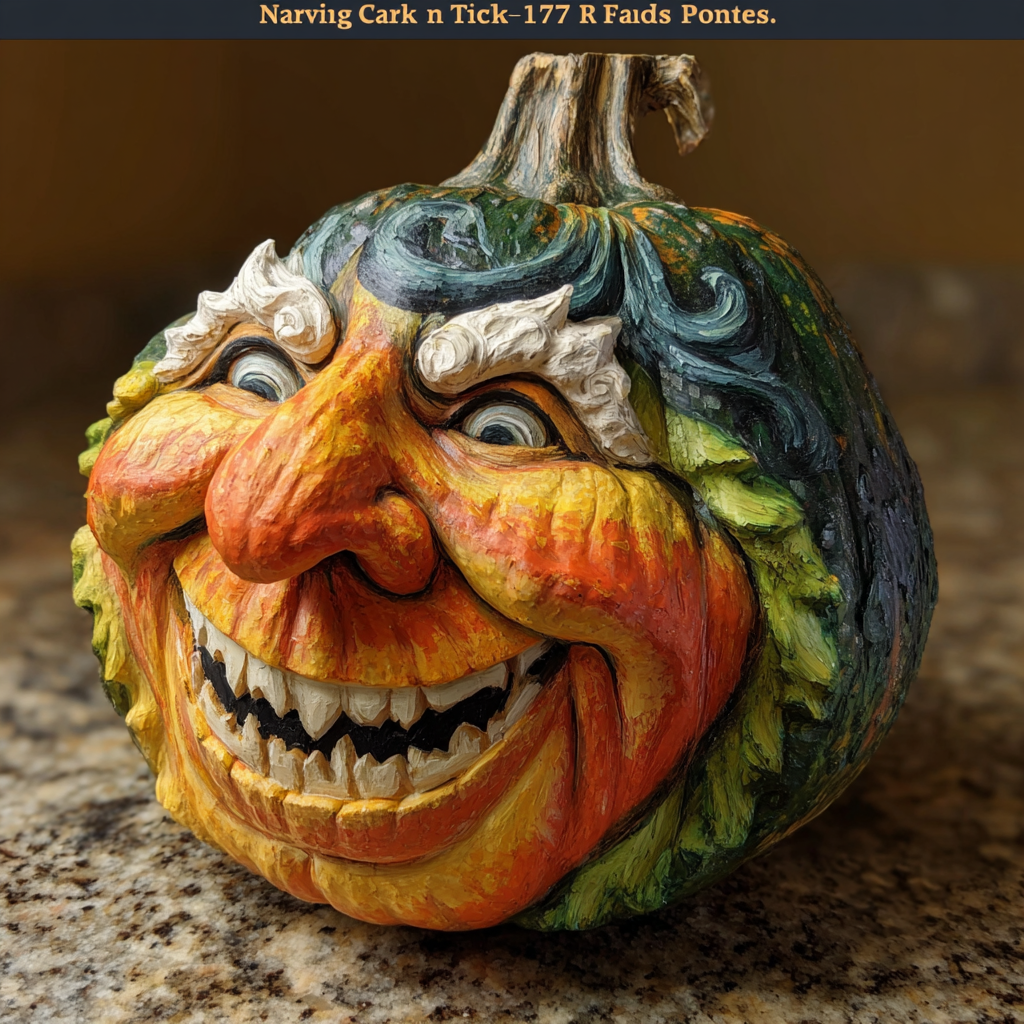
Unleash Your Creativity with No-Carve Pumpkin Painting
Ingredients
Method
- Prepare your workspace
- Clean the pumpkin
- Sketch your design
- Tape off sections for clean lines
- Start painting
- Add details and accents
- Incorporate glitter or sequins
- Apply sealant (optional)
Notes
Additional serving suggestions: pair with a crisp salad, garlic bread, or roasted seasonal vegetables for balance.
For make-ahead, prep components separately and assemble just before heating to preserve texture.
Taste and adjust with acid (lemon/vinegar) and salt right at the end to wake up flavors.