Introduction
As the warm weather beckons us outdoors, there's nothing quite like the aroma of grilled chicken filling the air. Pesto grilled chicken not only tantalizes your taste buds but also elevates simple chicken to a whole new level. The vibrant flavors of fresh basil, garlic, and nuts in the pesto create a delightful marinade that enhances the chicken's juiciness and adds a hint of sophistication.
Whether you're hosting a summer barbecue or just enjoying a quiet evening on the patio, this dish offers a quick and easy way to impress your friends and family. Pair it with fresh vegetables or a light salad for a complete meal that's bursting with flavor. Let's dive into the delightful world of pesto grilled chicken.
Ingredients
- 4 boneless, skinless chicken breasts
Chicken breasts are the primary protein in this dish. They are lean, making them an excellent option for a healthy meal. Grilling enhances their natural flavors while the pesto adds moisture and richness. - 1 cup fresh basil leaves
Fresh basil is the cornerstone of traditional pesto, providing a fragrant aroma and vibrant green color. Its bright flavor complements the grilled chicken beautifully and adds freshness to the dish. - 1/2 cup extra virgin olive oil
Extra virgin olive oil is integral in pesto, as it helps to emulsify the sauce and provides a rich, fruity taste. Its healthy fats also help to keep the chicken moist and tender during grilling. - 1/4 cup pine nuts, toasted
Pine nuts add a subtle nuttiness and a creamy texture to the pesto. Toasting them enhances their flavor, bringing out a deeper, more complex taste that elevates the dish. - 2 garlic cloves, minced
Garlic is a key flavor in pesto, offering a spicy kick that balances the freshness of the basil. It also infuses the chicken with a savory aroma as it grills. - 1/2 cup grated Parmesan cheese
Parmesan cheese adds a salty, umami flavor to the pesto. It helps to bind the ingredients together and gives richness to the marinade that coats the chicken. - Salt and pepper, to taste
Seasoning with salt and pepper is vital for enhancing the overall flavor of the dish. They balance the richness of the pesto, ensuring each bite has the ideal taste profile. - Juice of 1 lemon
Lemon juice brightens the pesto and adds acidity, which is crucial for cutting through the richness of the oil and cheese. It also helps to tenderize the chicken during marination.
Directions & Preparation
Step 1: Prepare the pesto marinade.
In a food processor, combine fresh basil leaves, toasted pine nuts, minced garlic, and grated Parmesan cheese. Pulse a few times to break down the ingredients. Then, with the processor running, slowly drizzle in the extra virgin olive oil until the mixture is smooth. This step is essential as it creates a cohesive sauce that evenly coats the chicken, infusing it with flavor.
Step 2: Marinate the chicken.
Place the chicken breasts in a shallow dish and pour the freshly made pesto over them, ensuring each piece is well-coated. Add a sprinkle of salt and pepper. Cover and let it marinate in the refrigerator for at least 30 minutes, or up to 4 hours for more flavor. Marinating is crucial, as it allows the chicken to absorb the flavors of the pesto, making it more succulent when grilled.
Step 3: Preheat the grill.
While the chicken is marinating, preheat your grill to a medium-high temperature. This step is important because a hot grill ensures a nice sear on the chicken, creating those beautiful grill marks while sealing in the juices. If the grill isn't hot enough, the chicken can become overcooked and dry.
Step 4: Grill the chicken.
Once the grill is sufficiently hot, remove the chicken from the marinade and place it on the grill. Cook each side for about 6-7 minutes, or until the internal temperature reaches 165°F. It's vital not to overcook the chicken, as this can lead to dryness; use a meat thermometer to check for doneness.
Step 5: Rest the chicken.
After grilling, let the chicken rest for 5 minutes before slicing. Resting allows the juices to redistribute throughout the meat, ensuring each bite is tender and juicy. Skipping this step can result in dry chicken, so make sure to be patient.
Step 6: Serve and enjoy.
Slice the grilled chicken and arrange it on a plate. You can drizzle additional pesto over the top or serve it with a side of grilled vegetables or a fresh salad. This final presentation enhances not just the visual appeal but also offers a burst of flavor that complements the grilled chicken.

Balancing Flavors in Pesto
When preparing your pesto, achieving the right balance of flavors is crucial. The bitterness of the basil, the richness of the olive oil, and the saltiness of the cheese must harmonize to create a sauce that enhances your chicken without overpowering it. Taste the pesto as you blend, and adjust the seasonings gradually to suit your palate.
Choosing the Right Chicken
Selecting high-quality chicken breasts is important for the success of this recipe. Look for organic or free-range options if possible, as these tend to be more flavorful and juicier. Ensuring your chicken is at room temperature before grilling allows for more even cooking, reducing the risk of a dry exterior and undercooked interior.
Pesto Variations for a Twist
While traditional basil pesto is fantastic, experimenting with different herbs and nuts can introduce unique flavors to your dish. Consider using arugula or spinach for a peppery touch or walnuts instead of pine nuts for a deeper flavor. Each variation can lead to exciting new takes on your grilled chicken, keeping the meal fresh and interesting.
FAQs
Why is my pesto too thick?
If your pesto is too thick, try gradually adding more olive oil or a splash of lemon juice to achieve the desired consistency. This can help loosen it while enhancing flavor.
How can I make this recipe spicier?
To add a spicy kick, incorporate a pinch of red pepper flakes into the pesto or mix in some diced jalapeños with the marinated chicken before grilling.
What can I do if my chicken is overcooked?
If your chicken is overcooked, try slicing it thinly and serving it atop a salad or mixing it into pasta with extra sauce to help moisten it.
Can I substitute the pine nuts?
Yes, you can use other nuts like walnuts, almonds, or cashews in place of pine nuts. Each nut will bring its distinct flavor, so choose based on your preference.
Why does my chicken lack flavor?
If the chicken lacks flavor, ensure you marinated it long enough. For more pronounced flavor, consider increasing the amount of pesto used during marinating.
Can I mix the pesto with something else?
Mixing the pesto with yogurt can create a creamy dressing that works beautifully with grilled chicken. It's a delicious alternative to the traditional preparation.
Conclusion
Pesto grilled chicken is more than just a dish; it's an experience that invites you to savor each bite. With its vibrant flavors and tender texture, it becomes a staple for your summer meals. With a few simple ingredients and techniques, you can create a meal that's sure to impress, whether at a casual dinner or a festive gathering.
Experiment with variations and sides to find your perfect pairing. Enjoy celebrating the season with this delicious recipe that brings both flavor and joy to your table.
Recipe Card
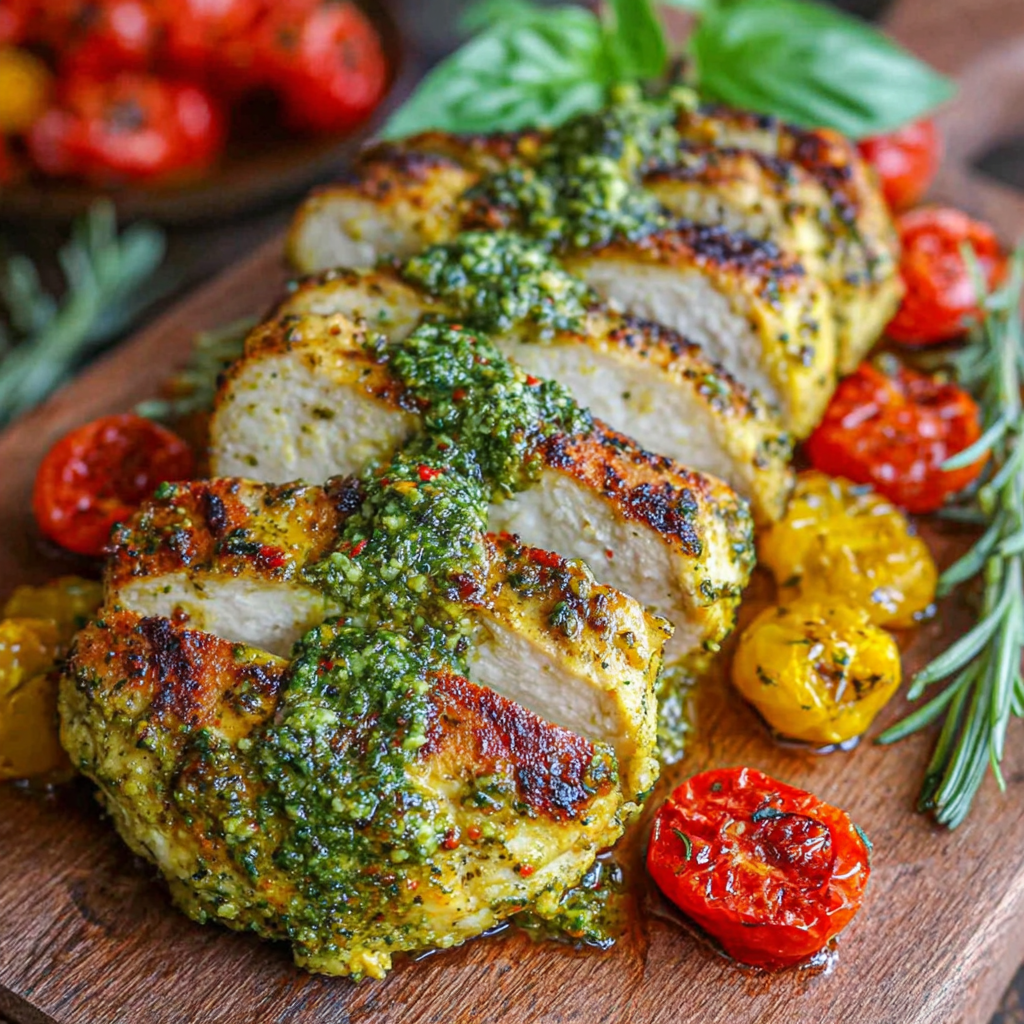
Delicious Pesto Grilled Chicken for Summer Nights
Ingredients
Method
- Prepare the pesto marinade.
- Marinate the chicken.
- Preheat the grill.
- Grill the chicken.
- Rest the chicken.
- Serve and enjoy.
Notes
Additional serving suggestions: pair with a crisp salad, garlic bread, or roasted seasonal vegetables for balance.
For make-ahead, prep components separately and assemble just before heating to preserve texture.
Taste and adjust with acid (lemon/vinegar) and salt right at the end to wake up flavors.