Introduction
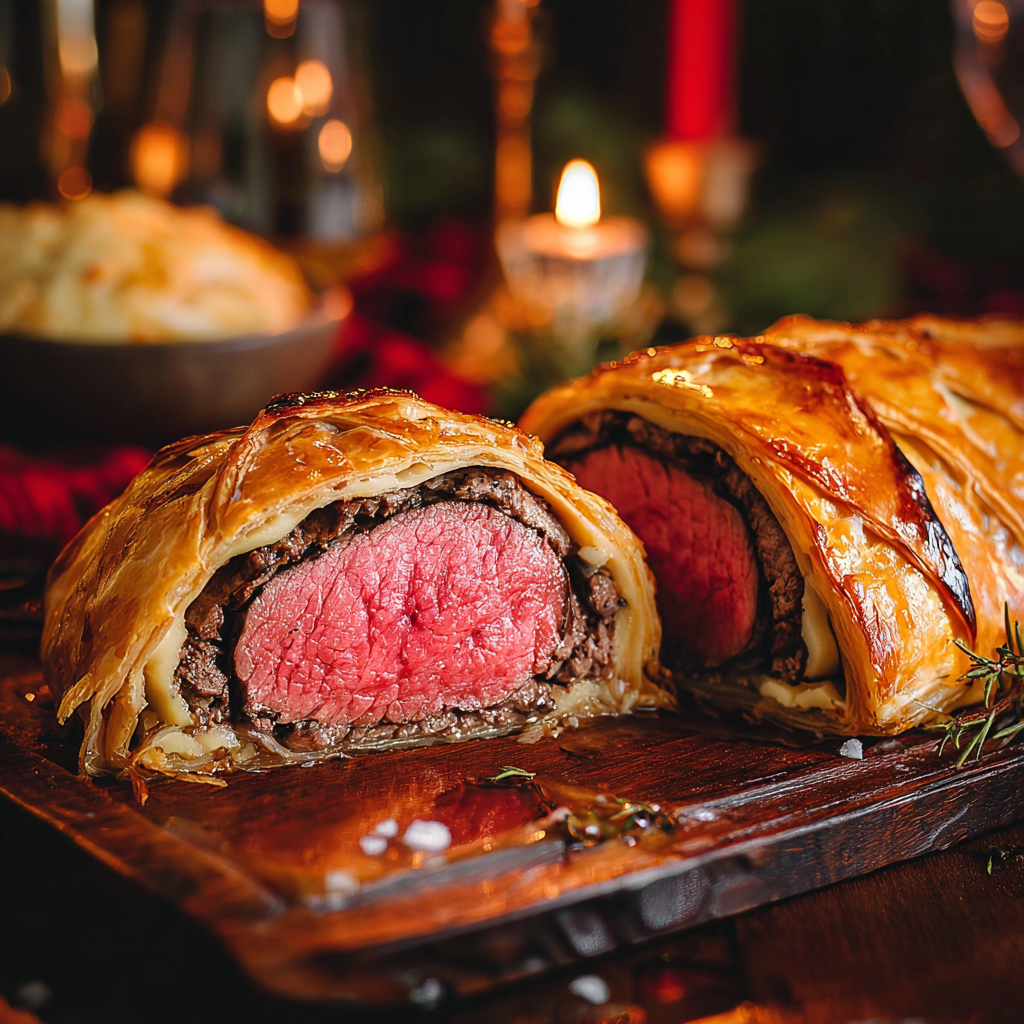
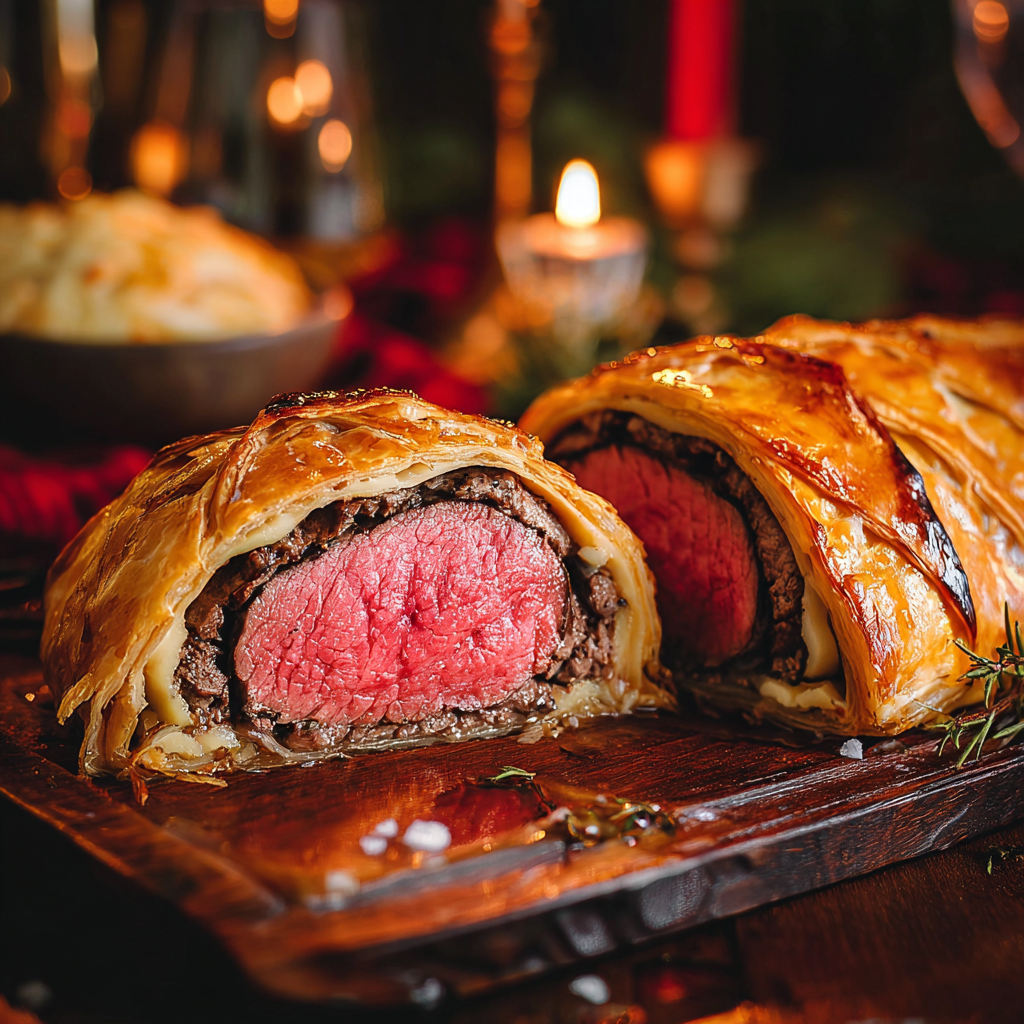
Beef Wellington is a classic dish that embodies elegance and culinary skill. This show-stopping centerpiece features a succulent beef tenderloin enveloped in a rich array of flavors and textures, crowned with a flaky pastry crust. Perfect for special occasions or an impressive dinner party, it showcases the best of traditional cooking techniques.
Though it may seem daunting, preparing Beef Wellington can be a rewarding experience for home cooks ready to elevate their skills. With a little patience and attention to detail, anyone can master this sophisticated dish that promises to leave a lasting impression on your guests.
Ingredients
- 1.5 lbs beef tenderloin
Select a high-quality cut for the best flavor and tenderness. The center-cut beef tenderloin provides a juicy and rich flavor that is perfect for roasting. - 1 tablespoon olive oil
Oil helps in searing the beef, developing a crispy exterior while locking in moisture. A good olive oil will also add a subtle depth of flavor. - 1 cup mushrooms, finely chopped
Mushrooms contribute a deep earthy flavor and moisture. They must be finely chopped to create a smooth paste, which will enhance the overall texture of the dish. - 2 tablespoons Dijon mustard
This tangy mustard acts as a flavor enhancer and helps create a barrier on the beef, preventing moisture loss during cooking. - 8 slices prosciutto
Prosciutto adds a sumptuous, salty flavor that pairs beautifully with the beef and protects it from drying out, while also providing a delicate layer of texture. - 1 package puff pastry (2 sheets)
Puff pastry is essential for creating a flaky, golden-brown crust that encases the flavorful ingredients. It puffs up while baking, adding elegance to the final dish. - 1 egg (for egg wash)
An egg wash gives the pastry a beautiful golden-brown color and adds shine. It also helps seal the edges of the pastry together. - Salt and pepper to taste
Seasoning enhances the natural flavors of the beef and other components, elevating the overall taste experience.
Directions & Preparation
Step 1: Preheat the oven to 400°F (200°C).
Heating the oven in advance ensures that the Beef Wellington cooks evenly from the moment it enters the oven. A well-preheated oven allows the pastry to rise properly and become flaky.
Step 2: Sear the beef tenderloin in olive oil.
Searing the beef at a high temperature caramelizes the meat's surface, enhancing its flavor while creating a savory crust. This step is crucial for locking in juices and achieving a tender result.
Step 3: Prepare the mushroom duxelles.
Finely chop the mushrooms and sauté them until all moisture evaporates. This concentrated mushroom mixture not only adds depth but also prevents sogginess in the pastry, which can occur if excess moisture remains.
Step 4: Spread Dijon mustard on the beef once cooled.
This acts as a protective glaze, infusing flavor and creating a barrier, ensuring the beef remains juicy and succulent while also adding a tangy richness to the dish.
Step 5: Layer prosciutto over the beef and top with mushroom duxelles.
The prosciutto provides both flavor and moisture, while the mushroom mixture will prevent sogginess. This layering locks in flavors and ensures the beef stays moist throughout the cooking process.
Step 6: Wrap the beef in puff pastry.
Carefully envelop the beef and mushroom filling in puff pastry, sealing all edges thoroughly to prevent steam escape and ensure an even cook. The pastry should encase the beef completely for the perfect crust.
Step 7: Brush the pastry with egg wash before baking.
The egg wash helps achieve a beautiful golden-brown color while creating an appetizing sheen. It’s important to brush it on generously, especially on visible seams and edges.
Step 8: Bake for 25-30 minutes or until desired doneness.
Baking at a high temperature allows the pastry to puff up nicely while cooking the beef to your preferred level. Using an instant-read thermometer helps ensure the beef achieves the perfect doneness.
Step 9: Let the Beef Wellington rest before slicing.
Resting the Wellington for at least 10 minutes allows the juices to redistribute throughout the meat, preventing them from oozing out when cut. This step is crucial for maintaining a juicy interior.

Selecting the Right Beef Tenderloin
Choosing the right cut of beef is vital for a perfect Beef Wellington. Look for a high-quality, well-marbled beef tenderloin that has minimal silver skin. This fat marbling improves flavor and juiciness, while an even thickness ensures even cooking. If possible, ask your butcher to trim it for you, ensuring you're left with the best cut for this elegant dish.
The Importance of Duxelles in Flavor
Mushroom duxelles is a key component in a Beef Wellington, known for adding a rich, earthy depth that balances the richness of the beef and prosciutto. Getting the moisture right when preparing duxelles is crucial—sauté them until they are completely cooked down to prevent a soggy pastry. This concentrated mixture of finely chopped mushrooms, shallots, and herbs not only enhances flavor but also acts as a moisture barrier.
Mastering Puff Pastry Techniques
A crisp, flaky crust is essential to the overall success of your Beef Wellington. When using puff pastry, keep it chilled until ready to assemble. Working with cool pastry helps ensure that it stays flaky during baking. If it becomes too warm due to handling, it can lose its structure—leading to poor puffing. Also, make sure to seal the edges well to keep all the delicious juices inside.
FAQs
What if my Beef Wellington is undercooked inside?
If your Beef Wellington is undercooked, you can return it to the oven for a few more minutes. Just check frequently to avoid overcooking.
Why did my pastry turn out soggy?
A soggy pastry can result from excess moisture in the duxelles or not allowing the pastry to bake long enough. Ensure the mushroom mixture is well-cooked and cooled before wrapping.
Can I substitute beef tenderloin with another cut?
While beef tenderloin is ideal for its tenderness, you can substitute with a sirloin or ribeye. However, cooking times may vary due to different fat content.
How can I tell when the beef is perfectly cooked?
Using a meat thermometer is best to check doneness; aim for 130°F for medium-rare. Allow for carryover cooking as it rests.
What should I do if the pastry isn’t browning?
If the pastry isn't browning, it might need more time in the oven. Ensure your oven is preheated correctly and avoid opening the door frequently.
Can I make this without mushrooms?
While mushrooms add essential flavor and moisture, you could try substituting them with finely chopped spinach or a combination of colorful bell peppers.
Conclusion
Crafting Beef Wellington is not only about following a recipe but about understanding the harmony between its components. Each ingredient plays a crucial role, culminating in a dish that is as delightful to make as it is to serve.
Embrace the process, and remember that practice makes perfect. With time, your Beef Wellington will not only impress guests but also provide a delicious reward for your efforts in the kitchen.
Recipe Card
The Art of Crafting Beef Wellington at Home
Ingredients
Method
- Preheat the oven to 400°F (200°C).
- Sear the beef tenderloin in olive oil.
- Prepare the mushroom duxelles.
- Spread Dijon mustard on the beef once cooled.
- Layer prosciutto over the beef and top with mushroom duxelles.
- Wrap the beef in puff pastry.
- Brush the pastry with egg wash before baking.
- Bake for 25-30 minutes or until desired doneness.
- Let the Beef Wellington rest before slicing.
Notes
Additional serving suggestions: pair with a crisp salad, garlic bread, or roasted seasonal vegetables for balance.
For make-ahead, prep components separately and assemble just before heating to preserve texture.
Taste and adjust with acid (lemon/vinegar) and salt right at the end to wake up flavors.