Introduction
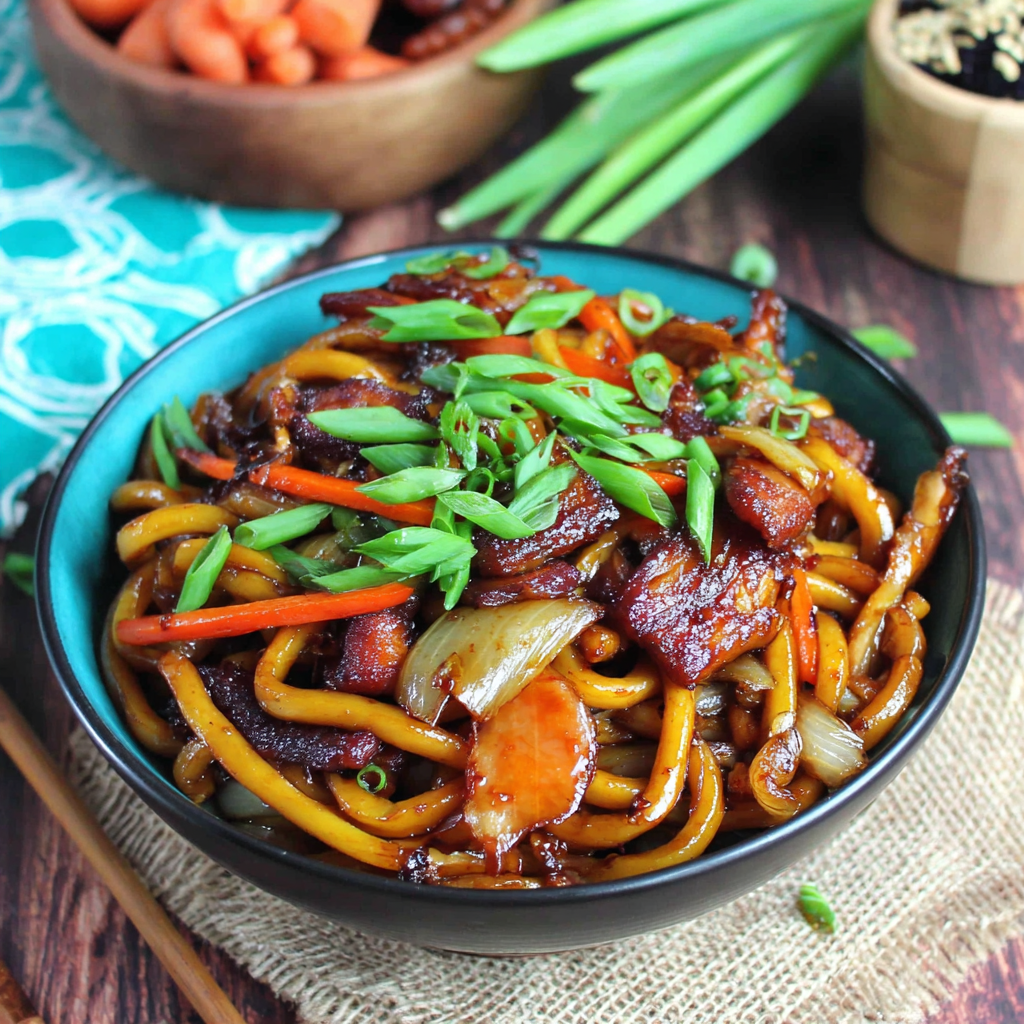
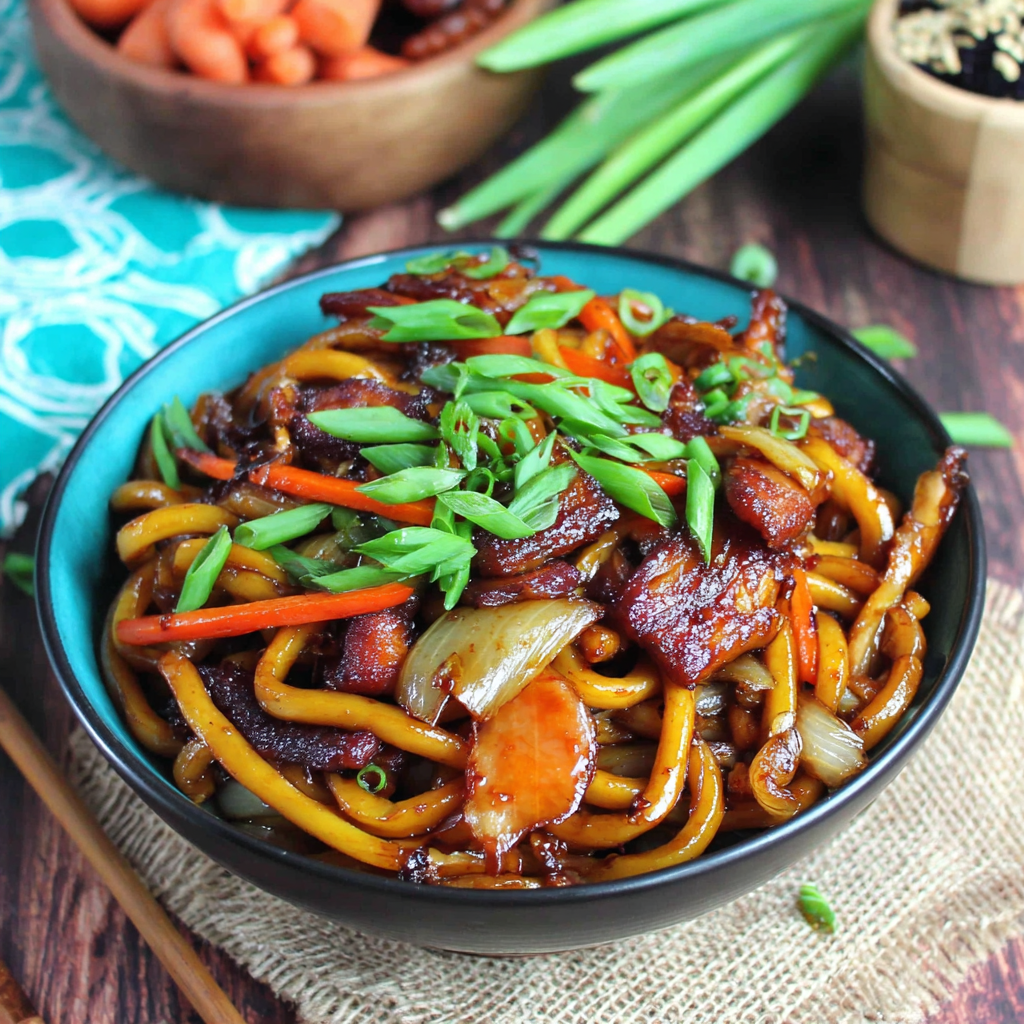
Yaki Udon is a stir-fried noodle dish that hails from Japan, characterized by its thick, chewy wheat noodles and vibrant array of ingredients. This beloved dish is not just a street food staple but also a canvas for home cooks to express creativity in the kitchen. Each bite of Yaki Udon delivers a mouthful of flavors complemented by a tantalizing sauce that ties everything together.
Preparing Yaki Udon is a delightful culinary experience, allowing for adaptability based on personal preferences and seasonal ingredients. From classic vegetables to proteins like chicken or tofu, each addition brings its own unique richness. The beauty of Yaki Udon lies in its versatility and the joy it brings to both the cook and those sharing the meal.
Ingredients
- 300g udon noodles
Udon noodles are thick, chewy wheat noodles that form the base of this dish. Their texture allows them to absorb flavors from the sauce and other ingredients, providing a satisfying bite. - 150g shiitake mushrooms
Shiitake mushrooms offer a rich, earthy flavor that enhances the dish. They also provide a slight umami kick, elevating the taste profile and adding textural variety. - 100g bok choy
Bok choy adds a fresh, crunchy element to the Yaki Udon. Rich in vitamins and moisture, it also balances the flavors of the dish with its slight bitterness. - 1 medium carrot, julienned
Carrots introduce a sweet and vibrant contrast to the savory elements in the dish. Their crunchy texture adds depth and visual appeal to your stir-fried creation. - 2 green onions, chopped
Chopped green onions provide a hint of sharpness and color. They add a fresh burst of flavor that brightens up the overall dish, marrying well with other ingredients. - 2 cloves garlic, minced
Garlic is a fundamental aromatic that imparts a rich flavor base in stir-fries. Its aroma and taste enhance the overall experience, giving Yaki Udon its irresistible charm. - 2 tablespoons soy sauce
Soy sauce acts as the primary seasoning, providing depth and saltiness. Its fermented profile enriches the umami aspect of the dish, ensuring each bite is flavorful. - 2 tablespoons mirin
Mirin, a sweet rice wine, adds complexity to the sauce. It helps balance the saltiness of soy sauce, contributing sweetness and gloss to the final dish. - 1 tablespoon sesame oil
Sesame oil brings a nutty aroma and flavor, acting as both a cooking fat and a finishing touch. It enhances the dish's sophistication and adds a glossy sheen. - Protein of choice (e.g., chicken, tofu or shrimp)
Adding a protein elevates Yaki Udon into a complete meal. Depending on your choice, it can contribute varying flavors and textures that complement the noodles and vegetables.
Directions & Preparation
Step 1: Prepare the udon noodles as per package instructions and set aside.
Cooking the udon noodles beforehand ensures they are tender yet firm, allowing them to absorb the sauce without becoming mushy. Drain and rinse them under cold water to stop the cooking process and remove excess starch, preventing them from clumping.
Step 2: Heat sesame oil in a large pan or wok over medium-high heat.
Heating sesame oil creates a fragrant base for stir-frying, enhancing the overall flavor profile of the dish. Ensure the oil is hot before adding ingredients to achieve that characteristic sizzle that seals in flavors.
Step 3: Add minced garlic and stir-fry until fragrant, about 30 seconds.
Sautéing garlic lightly releases its aromatic oils, providing a flavorful foundation for your stir-fry. Be careful not to overcook the garlic, as it can turn bitter if browned too much.
Step 4: Introduce the carrots and mushrooms, stir-frying for 2-3 minutes until softened.
Cooking the carrots and mushrooms allows them to release their natural juices, blending their flavors into the dish. This step also adds color and texture, ensuring that vegetables are well-cooked yet retain some crunch.
Step 5: Add bok choy and green onions, mixing well and cooking for another 2 minutes.
Incorporating bok choy and green onions at this stage provides freshness and texture. Stir-frying for just a short time keeps them vibrant and crisp while allowing flavors to meld together.
Step 6: Add the cooked udon noodles, followed by soy sauce and mirin, stirring to combine.
This crucial step imparts a rich flavor to the noodles, as they absorb the soy sauce and mirin. Tossing the noodles gently prevents breakage, allowing them to soak up the vibrant sauce.
Step 7: If using, add your choice of protein and stir-fry until cooked through.
Incorporating protein enhances richness; make sure it is added when the vegetables are nearly cooked. This ensures both the protein achieves a nice sear and the dish remains well-balanced.
Step 8: Serve immediately while hot, garnished with extra green onions if desired.
Serving Yaki Udon immediately ensures that the delightful textures and flavors are experienced at their best. Garnishing adds a refreshing visual and taste dimension, elevating your meal's presentation.

Customizing Your Yaki Udon Experience
One of the joys of Yaki Udon lies in its adaptability. Home cooks can tailor the dish to personal preferences or dietary needs by incorporating varied proteins such as beef, tofu, or shrimp. Additionally, seasonal vegetables like bell peppers or snap peas can be introduced, creating a unique spin each time while maintaining the essence of this beloved noodle dish.
The Art of Stir-Frying
Mastering stir-frying can elevate your home cooking, especially when making dishes like Yaki Udon. Achieving the right heat is crucial; a hot pan ensures a quick cook without steaming the ingredients. Working quickly while continuously stirring prevents any one element from overcooking and allows the flavors to harmonize effectively, resulting in a perfect dish.
Perfecting Your Sauce Balance
Getting the right balance of flavors in your Yaki Udon sauce is essential. The interplay between the salty soy sauce, sweet mirin, and the nuttiness of sesame oil creates a dynamic flavor experience. Tasting as you go and adjusting with a little more soy or mirin can help hone in on your perfect flavor profile, leading to a dish that's uniquely yours.
FAQs
What if my Yaki Udon turns out too watery?
If the dish is too watery, it may be due to excess sauce or moisture from vegetables. You can cook it over higher heat for a few minutes to evaporate the water and thicken the sauce.
Can I use pre-cooked noodles for this recipe?
Yes, using pre-cooked or frozen udon noodles is a great time-saver. Just heat them in a hot pan briefly to warm through before adding your other ingredients.
What happens if I overcook the noodles?
Overcooked noodles may become mushy and lose their signature chewiness. To avoid this, ensure you follow package instructions and rinse them in cold water immediately after boiling.
How can I increase the flavor of my Yaki Udon?
To boost flavor, consider marinating your protein before cooking or adding a dash of chili oil or sesame seeds for an additional layer of complexity.
Is it possible to prepare this dish with rice noodles instead?
While traditional Yaki Udon uses udon, rice noodles can be substituted. Just be aware that the texture and flavor will differ slightly, so adjust your cooking time accordingly.
What protein options work best in Yaki Udon?
Chicken, tofu, beef, or shrimp are ideal choices for protein. Each provides a different flavor profile and texture, allowing for variation based on preference.
Conclusion
Yaki Udon is a dish that captures the essence of delicious home cooking, allowing many interpretations and personal touches. It encourages experimentation while delivering a satisfying meal that’s both flavorful and nourishing.
Whether enjoyed on a busy weeknight or as a delightful gathering dish, it stands out with its comforting flavors and satisfying textures. Prepare to dive into this delectable Japanese treat and enjoy the burst of flavors with each bite!
Recipe Card
A Flavorful Dive into Yaki Udon Cuisine
Ingredients
Method
- Prepare the udon noodles as per package instructions and set aside.
- Heat sesame oil in a large pan or wok over medium-high heat.
- Add minced garlic and stir-fry until fragrant, about 30 seconds.
- Introduce the carrots and mushrooms, stir-frying for 2-3 minutes until softened.
- Add bok choy and green onions, mixing well and cooking for another 2 minutes.
- Add the cooked udon noodles, followed by soy sauce and mirin, stirring to combine.
- If using, add your choice of protein and stir-fry until cooked through.
- Serve immediately while hot, garnished with extra green onions if desired.
Notes
Additional serving suggestions: pair with a crisp salad, garlic bread, or roasted seasonal vegetables for balance.
For make-ahead, prep components separately and assemble just before heating to preserve texture.
Taste and adjust with acid (lemon/vinegar) and salt right at the end to wake up flavors.