Introduction
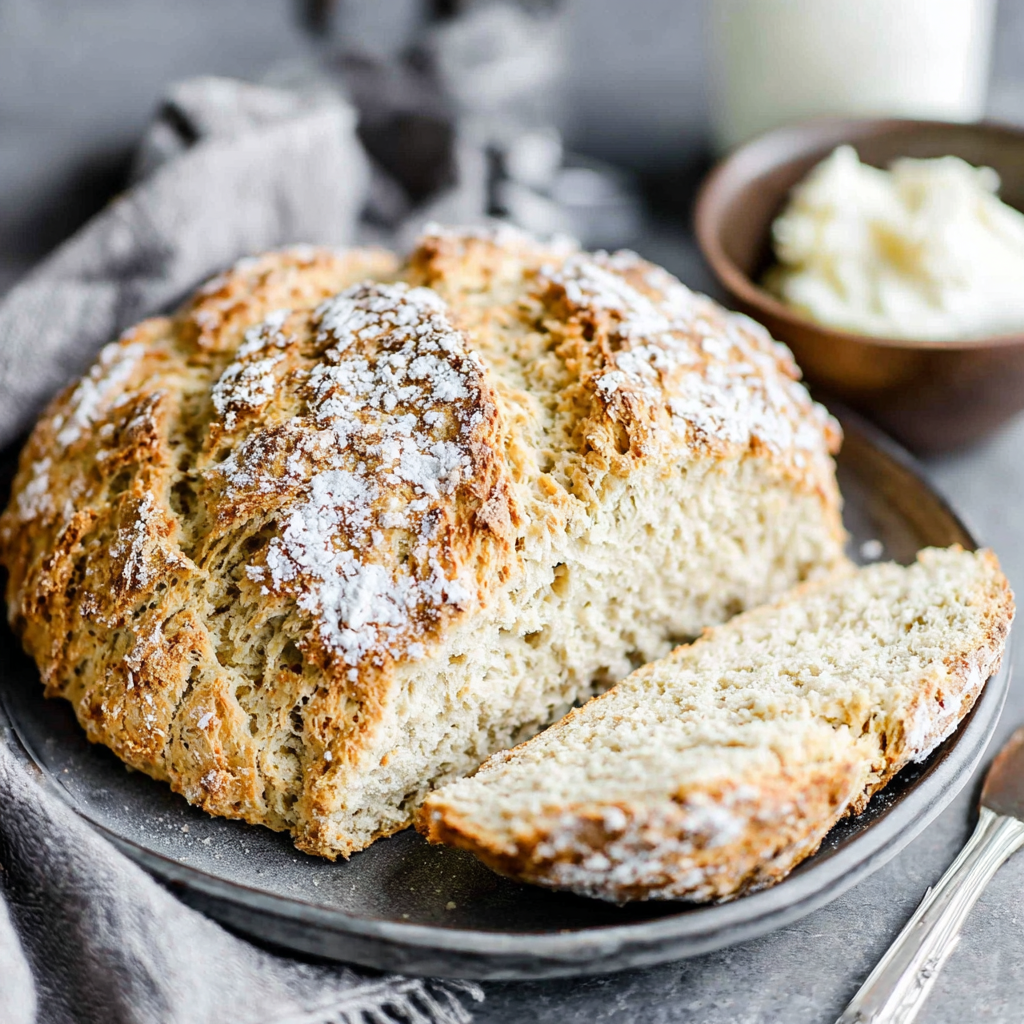
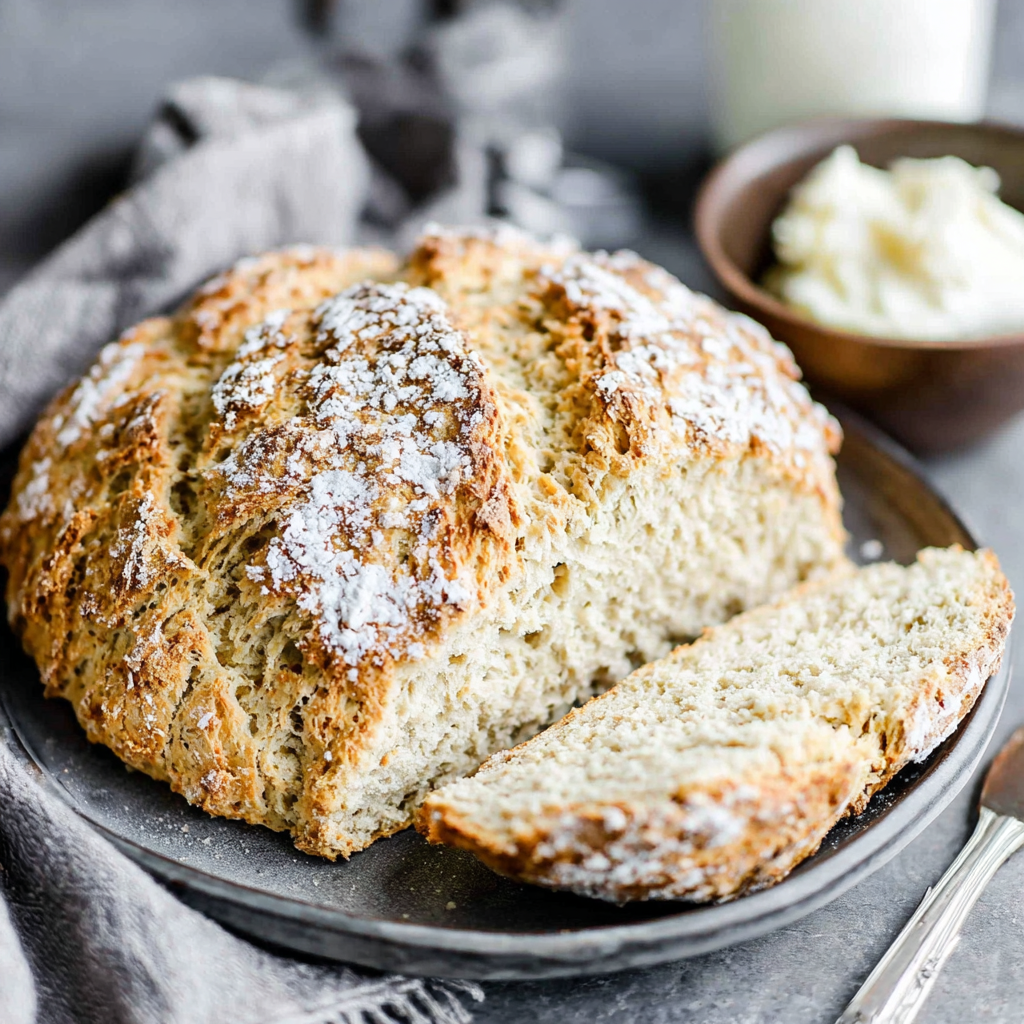
Irish soda bread is a cherished staple in homes across Ireland, known for its simplicity and heartwarming flavor. This traditional bread relies on baking soda as a leavening agent, which gives it a unique texture and character, as opposed to traditional yeast-leavened breads. Its delightful crust and soft crumb make it an ideal accompaniment to any meal, be it breakfast, lunch, or dinner.
The recipe is incredibly versatile, allowing for variations with ingredients like raisins or seeds to cater to different palates. Making Irish soda bread is not only an enjoyable culinary experience but also a wonderful opportunity to connect with a piece of Irish culture. With just a few basic ingredients, you can create a warm loaf that fills your kitchen with a comforting aroma.
Ingredients
- 4 cups all-purpose flour
The base of the soda bread, all-purpose flour provides the structure and body. Its gluten content helps the bread maintain a good shape, while allowing it to rise with the help of baking soda. - 1 teaspoon baking soda
Baking soda acts as the leavening agent in this recipe, which is pivotal for the bread’s rise. As it reacts with the acidity of buttermilk, it produces carbon dioxide that makes the bread light and airy. - 1 teaspoon salt
Salt not only enhances flavor but also strengthens the dough. It helps to control the fermentation process, ensuring a pleasant taste that complements the bread's sweetness. - 1 ¾ cups buttermilk
Buttermilk adds moisture and creates a tender crumb. Its acidity activates the baking soda, leading to the desired rise, while imparting a subtle tangy flavor. - Optional: 1 cup raisins or currants
Adding dried fruit can introduce a natural sweetness to the bread. These additions create a delightful contrast to the savory elements, making each bite more interesting.
Directions & Preparation
Step 1: Preheat your oven to 425°F (220°C).
Preheating the oven is crucial for achieving the right texture and crust. A hot oven helps create an initial burst of steam, which contributes to the bread's rise and ensures a crispy exterior.
Step 2: In a large mixing bowl, whisk together the flour, baking soda, and salt.
Whisking these dry ingredients ensures the baking soda and salt are evenly distributed, allowing for uniform rising and seasoning. It’s a key step that helps avoid any pockets of unseasoned flour in the final bread.
Step 3: Make a well in the center of the dry ingredients and pour in the buttermilk.
Creating a well allows the buttermilk to be mixed into the dry ingredients gradually, promoting a cohesive dough. This step ensures that the wet and dry components come together without overworking the dough.
Step 4: If using, fold in the raisins or currants until just combined.
Incorporating the dried fruit at this stage ensures that they are evenly distributed throughout the dough. Care should be taken to mix gently to avoid toughening the bread, which can happen with excessive handling.
Step 5: Turn the dough out onto a floured surface and knead gently for a few seconds.
A light knead helps to bring the dough together while ensuring a tender crumb. Over-kneading can lead to a dense loaf, so a gentle touch is essential in this step.
Step 6: Shape the dough into a round loaf and place it on a baking sheet lined with parchment paper.
Shaping the dough into a round helps it maintain its form while baking. Parchment paper prevents sticking and aids in easier cleanup, allowing the loaf to develop a golden crust.
Step 7: Using a sharp knife, score a deep cross in the center of the dough.
Scoring the dough allows for controlled expansion during baking, helping the bread rise evenly and creating an appealing rustic look. It also aids in the even cooking of the bread's interior.
Step 8: Bake for 30-35 minutes until golden brown.
The baking time is critical to achieving the right texture. You should look for a deep golden color and a hollow sound when tapped on the bottom, indicating that it’s fully cooked through.
Step 9: Let the bread cool on a wire rack for at least 10 minutes before slicing.
Cooling the bread is essential for setting its texture internally and allowing moisture to escape. Slicing too early can result in a gummy interior, so patience pays off for the best texture.

The Science Behind Soda Bread’s Unique Rise
Unlike traditional yeast breads that depend on fermentation, Irish soda bread relies on baking soda as its primary leavening agent. The reaction between baking soda and the acidity of buttermilk kicks off the rising process, producing bubbles that create an airy texture. This straightforward method makes soda bread quick to prepare, perfect for impulsive bakers or anyone seeking a fuss-free bread option.
Customizing Your Irish Soda Bread
Irish soda bread is remarkably adaptable, allowing for various flavorful add-ins. You can experiment with nuts, seeds, or even herbs, depending on what you have on hand. A handful of caraway seeds can add a traditional touch, while oats can be folded in for added texture. This flexibility provides an opportunity to tailor the bread to your tastes or incorporate seasonal ingredients.
Serving Suggestions for the Perfect Pairing
Irish soda bread is often enjoyed with butter, but its versatility means it can shine alongside many dishes. It pairs beautifully with soups and stews, perfect for soaking up broth. Toast it with a layer of cheese or serve it with homemade jams for breakfast. Alternatively, savor it with a simple spread of good quality butter and a sprinkle of sea salt for a comforting snack.
FAQs
What should I do if my dough appears too wet?
If your dough seems overly wet, you can gradually add a little more flour until it reaches a workable consistency. However, be cautious not to add too much at once, as this could lead to a denser loaf.
Why is my bread too dense?
A dense texture can result from overworking the dough, which tightens the gluten structure. Additionally, if the baking soda isn't fresh, it may not provide enough rise. Always check the expiration date before use.
Can I make a smaller loaf without changing the texture?
Absolutely! You can halve the ingredients for a smaller loaf without compromising the texture. Just ensure that the baking environment remains the same for even cooking.
What if the bread tastes bland?
If your bread lacks flavor, it may be due to insufficient salt or a lack of additional flavoring ingredients. Adjust by including a bit more salt or experimenting with spices or herbs in future bakes.
How do I know when the bread is fully baked?
The bread is fully baked when it has a golden-brown crust and sounds hollow when tapped on the bottom. A toothpick inserted into the center should come out clean.
Is it possible to add herbs to this recipe?
Yes! Fresh or dried herbs can be added to enhance flavor. Incorporating rosemary or thyme can give an aromatic quality to the bread, making it even more delightful.
Conclusion
Making Irish soda bread is a rewarding experience that transcends mere baking; it's about creating connections to cultural traditions. With its hearty flavor and simple ingredients, this bread celebrates the art of home cooking in its most honest form.
As you enjoy your freshly baked loaf, consider the endless possibilities for customizing this classic recipe. Invite family and friends to share in the comfort of your homemade soda bread, and relish in the warmth it brings to your kitchen.
Recipe Card
Simple and Heartwarming Irish Soda Bread Recipe
Ingredients
Method
- Preheat your oven to 425°F (220°C).
- In a large mixing bowl, whisk together the flour, baking soda, and salt.
- Make a well in the center of the dry ingredients and pour in the buttermilk.
- If using, fold in the raisins or currants until just combined.
- Turn the dough out onto a floured surface and knead gently for a few seconds.
- Shape the dough into a round loaf and place it on a baking sheet lined with parchment paper.
- Using a sharp knife, score a deep cross in the center of the dough.
- Bake for 30-35 minutes until golden brown.
- Let the bread cool on a wire rack for at least 10 minutes before slicing.
Notes
Additional serving suggestions: pair with a crisp salad, garlic bread, or roasted seasonal vegetables for balance.
For make-ahead, prep components separately and assemble just before heating to preserve texture.
Taste and adjust with acid (lemon/vinegar) and salt right at the end to wake up flavors.