Introduction
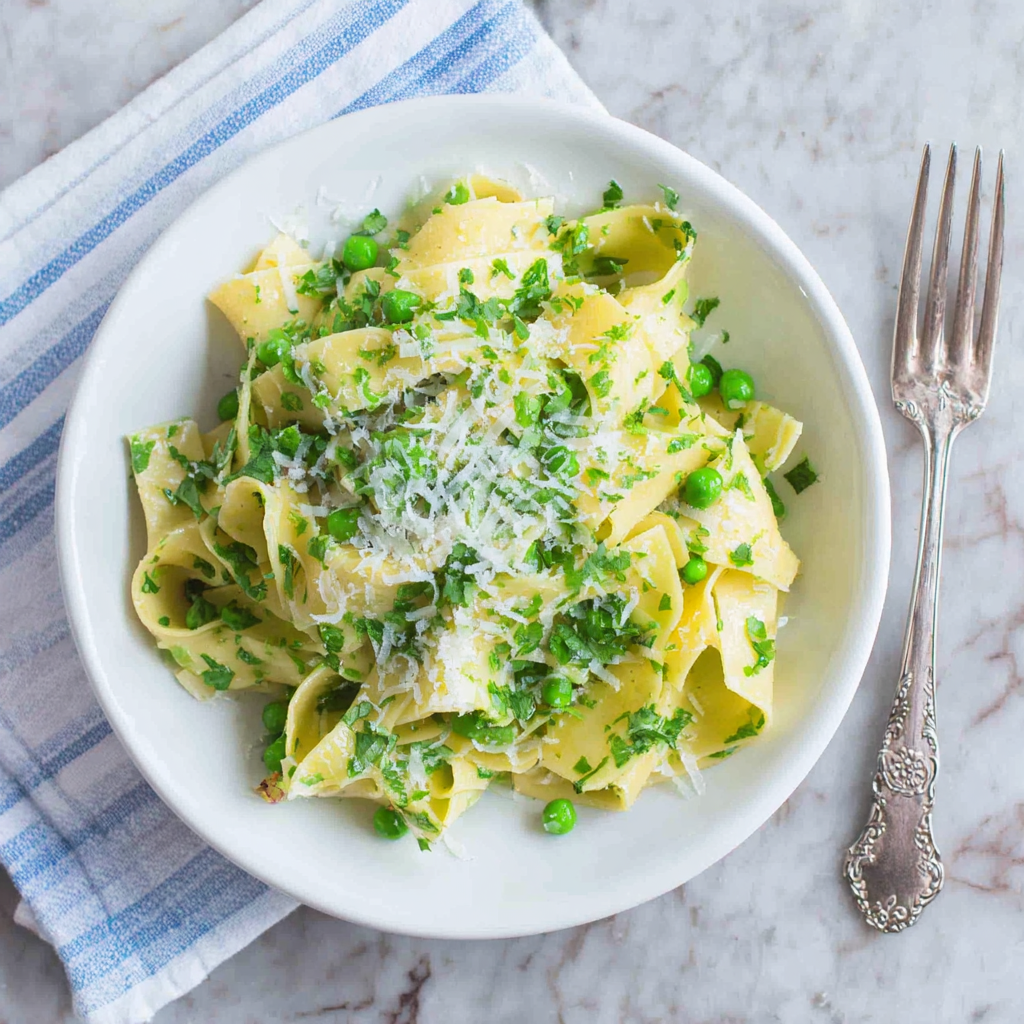
Pappardelle pasta, with its wide, flat noodles, invites culinary creativity. Originating from Tuscany, this versatile pasta pairs beautifully with various sauces, from rich ragù to light, fresh toppings.
The key to a successful pappardelle dish lies not just in the pasta itself but also in the accompanying flavors. Whether you're infusing it with earthy mushrooms or succulent meats, every ingredient plays a critical role.
This article delves into making pappardelle at home, allowing you to experience the satisfaction of creating an authentic Italian meal that’s both comforting and elegant.
Ingredients
- 2 cups all-purpose flour
All-purpose flour provides the structure needed for pappardelle. Its protein content balances tenderness with chewiness, ensuring the pasta holds its shape during cooking. - 3 large eggs
Eggs enrich the dough, contributing to a beautiful golden hue and enhancing the flavor profile. They also provide moisture and help bind the ingredients. - 1 teaspoon salt
Salt is essential for flavor, enhancing the natural taste of the dough. It also strengthens gluten formation, improving the pasta's texture. - Olive oil (for drizzling)
A drizzle of olive oil adds richness and prevents the freshly cut pappardelle from sticking together. It can also enhance the overall flavor when paired with sauces. - Fresh herbs (like parsley or basil)
Fresh herbs elevate pappardelle dishes with vibrant flavors and aromas. They impart freshness, balancing the richness of hearty sauces.
Directions & Preparation
Step 1: Make the pasta dough
Begin by creating a well with the flour and adding eggs and salt in the center. Use your fingers to gradually incorporate the flour into the eggs, forming a dough. This step is crucial, as it allows you to control the moisture content, ensuring a perfect consistency without being too wet or dry.
Step 2: Knead the dough
Kneading develops gluten in the dough, resulting in the desired elasticity and chewiness in your pappardelle. Knead for about 8-10 minutes until the dough is smooth and pliable. A well-kneaded dough will make a noticeable difference in the final texture of the pasta.
Step 3: Rest the dough
Let the kneaded dough rest, covered with a towel for 30 minutes. This allows the gluten to relax, making it easier to roll out later. It's a crucial step often overlooked, as it helps result in tender pasta.
Step 4: Roll out the dough
Divide the rested dough and roll it out into thin sheets using a pasta machine or a rolling pin. Aim for a thickness of about 1/16 inch. Thinner sheets ensure quicker cooking and a delightful bite, characteristic of pappardelle.
Step 5: Cut the pappardelle
Roll the sheets of dough gently and slice them into broad strips, approximately 1-2 inches wide. This width is what distinguishes pappardelle from other noodles. Taking your time here ensures even strips for consistent cooking.
Step 6: Cook the pasta
Bring a large pot of salted water to a rolling boil and add the pappardelle. Fresh pasta cooks much quicker than dried, usually in about 3-4 minutes. Watch for al dente texture, and make sure to taste a strand before draining.
Step 7: Prepare the sauce
While the pasta cooks, prepare a complementary sauce. Whether it's a rich meat ragù or a light butter and herb sauce, ensure the sauce is ready to toss with the pasta immediately after draining. This melding of flavors is what truly elevates your dish.
Step 8: Toss pasta with sauce
Drain the pappardelle and immediately toss it with your prepared sauce. The residual heat will help merge the flavors without overcooking the pasta. A drizzle of olive oil at this stage enhances the overall richness of the dish.

Pairing Pappardelle with Rich Sauces
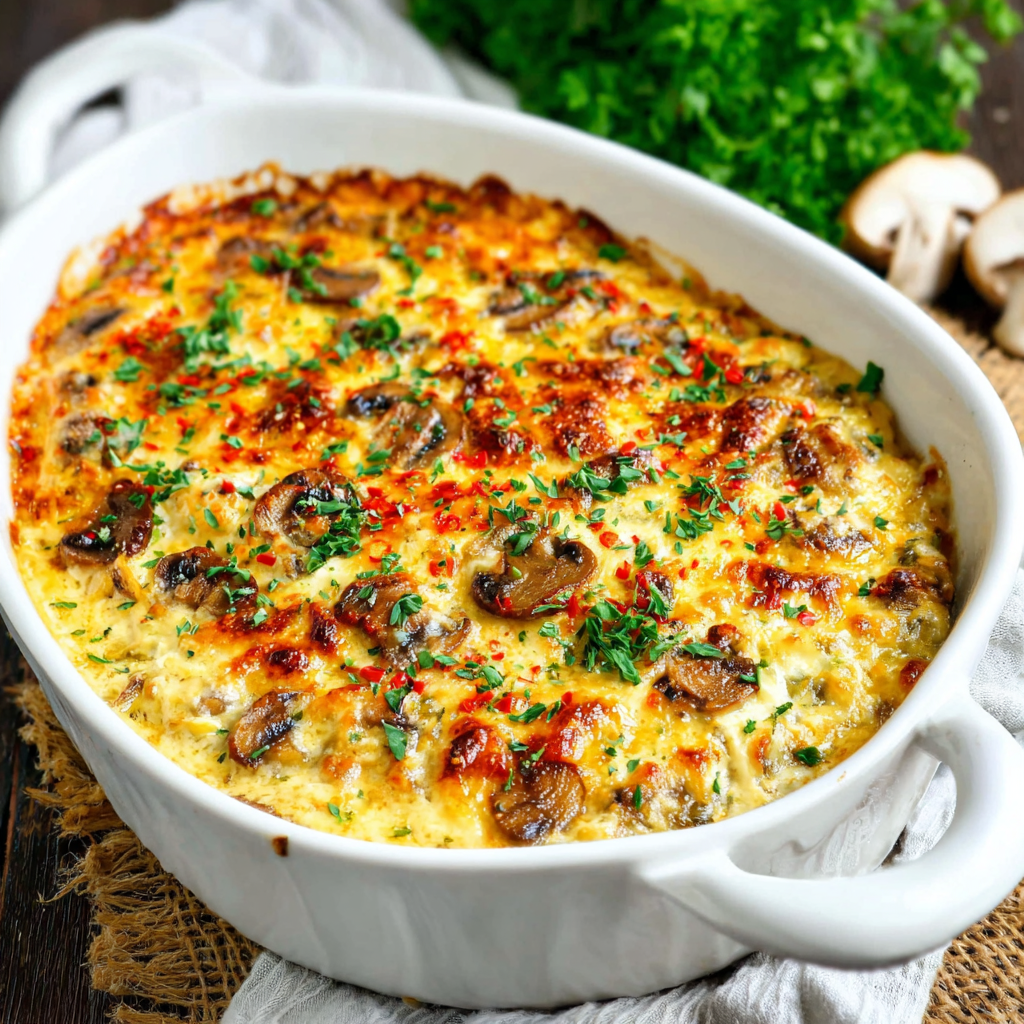
Rich sauces like beef ragù or a slow-cooked mushroom and cream blend complement the broad noodles perfectly, as their wide surface area captures and clings to the sauce. The robust flavors of the ragù meld with the tender noodles, creating a hearty and satisfying dish. When considering a sauce, think about balance—heavier sauces work exceptionally well, giving the meal depth and a comforting quality.
Enhancing Flavor with Fresh Ingredients
Utilizing fresh ingredients, like seasonal vegetables and herbs, brightens pappardelle dishes. Incorporating freshly sautéed mushrooms or a vibrant pea and mint mixture brings a pop of color and freshness, allowing the pasta to shine without overwhelming it. These ingredients not only add flavor but also texture, making the dish enjoyable with every bite.
The Joy of Homemade Pappardelle
Crafting your own pappardelle becomes a fulfilling culinary experience. The tactile process of making the dough, rolling it out, and cutting the strips connects you deeply with the food. Homemade pasta offers unparalleled taste and texture, and the satisfaction of serving fresh pasta to loved ones elevates any meal. It’s an art that invites creativity and brings joy to the dining table.
FAQs
Why did my pappardelle turn out too thick?
Thick pappardelle may result from too thick dough sheets or uneven rolling. Ensure your pasta machine is set to the right thickness, and flour the surface as needed to prevent sticking.
How can I prevent my pasta from sticking together?
To avoid sticking, toss the freshly cut pappardelle with a little olive oil before cooking, or immediately after draining. This keeps the strands separate.
What should I do if my sauce is bland?
If your sauce lacks flavor, consider adding a pinch of salt, freshly ground black pepper, or a splash of wine. Fresh herbs can also enhance taste without overpowering.
Can I use semolina flour instead of all-purpose flour?
Yes, you can use semolina flour, which adds a nutty flavor and changes the texture of the pasta. Just be aware that it may result in a slightly different feel.
How do I make my pappardelle more tender?
Ensure that your dough is adequately hydrated with eggs and allow it to rest longer before rolling out. If overcooked, it will become mushy, so keep an eye on cooking times.
Can I add spinach to the dough?
Incorporating pureed spinach into your dough is a creative way to add color and flavor. It may affect the hydration, so adjust your egg quantity accordingly.
Conclusion
Pappardelle pasta provides a canvas for flavor and creativity in the kitchen. Making it from scratch yields a dish that's not only delicious but also deeply satisfying to create.
Experiment with different sauces and fresh ingredients to find your perfect combinations. Each batch adds to your culinary journey, allowing you to savor timeless Italian tradition.
Recipe Card
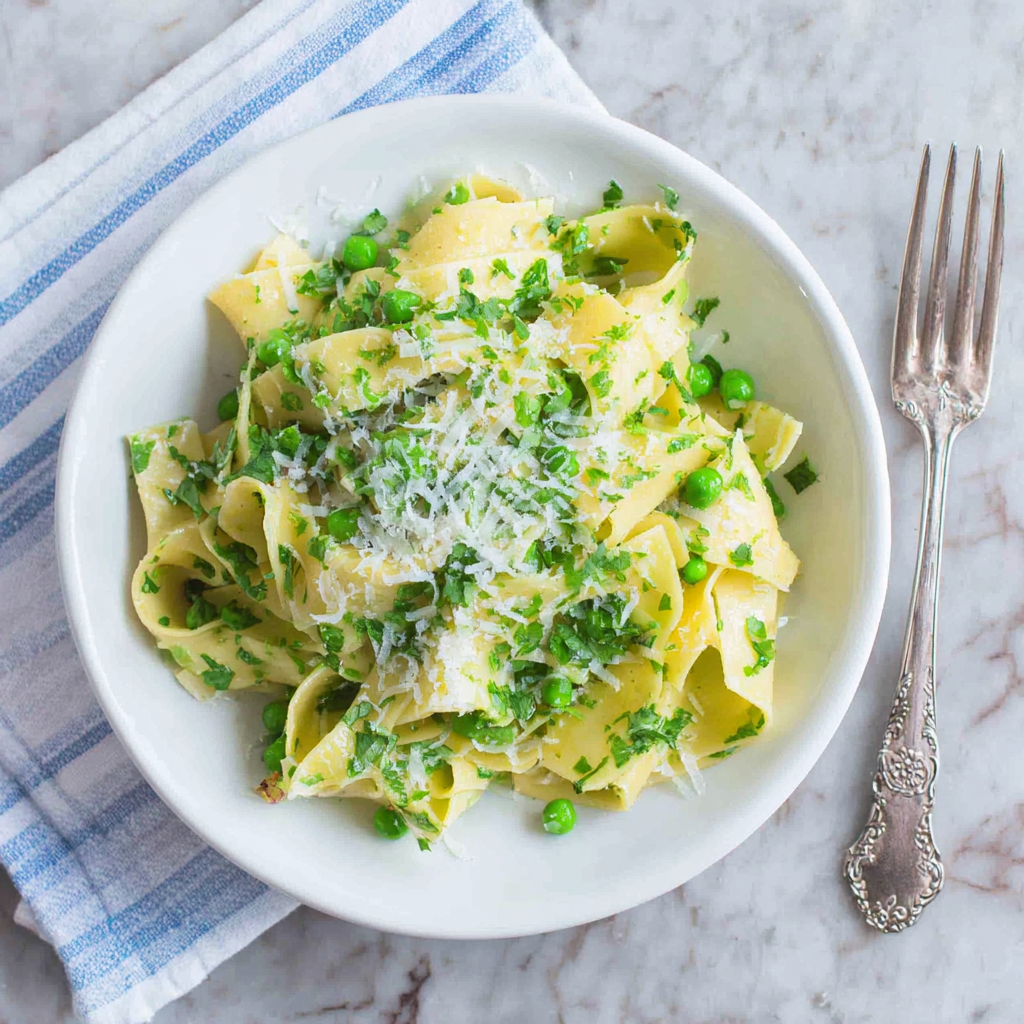
Savoring Pappardelle Pasta: A Taste of Italy
Ingredients
Method
- Make the pasta dough
- Knead the dough
- Rest the dough
- Roll out the dough
- Cut the pappardelle
- Cook the pasta
- Prepare the sauce
- Toss pasta with sauce
Notes
Additional serving suggestions: pair with a crisp salad, garlic bread, or roasted seasonal vegetables for balance.
For make-ahead, prep components separately and assemble just before heating to preserve texture.
Taste and adjust with acid (lemon/vinegar) and salt right at the end to wake up flavors.