Introduction
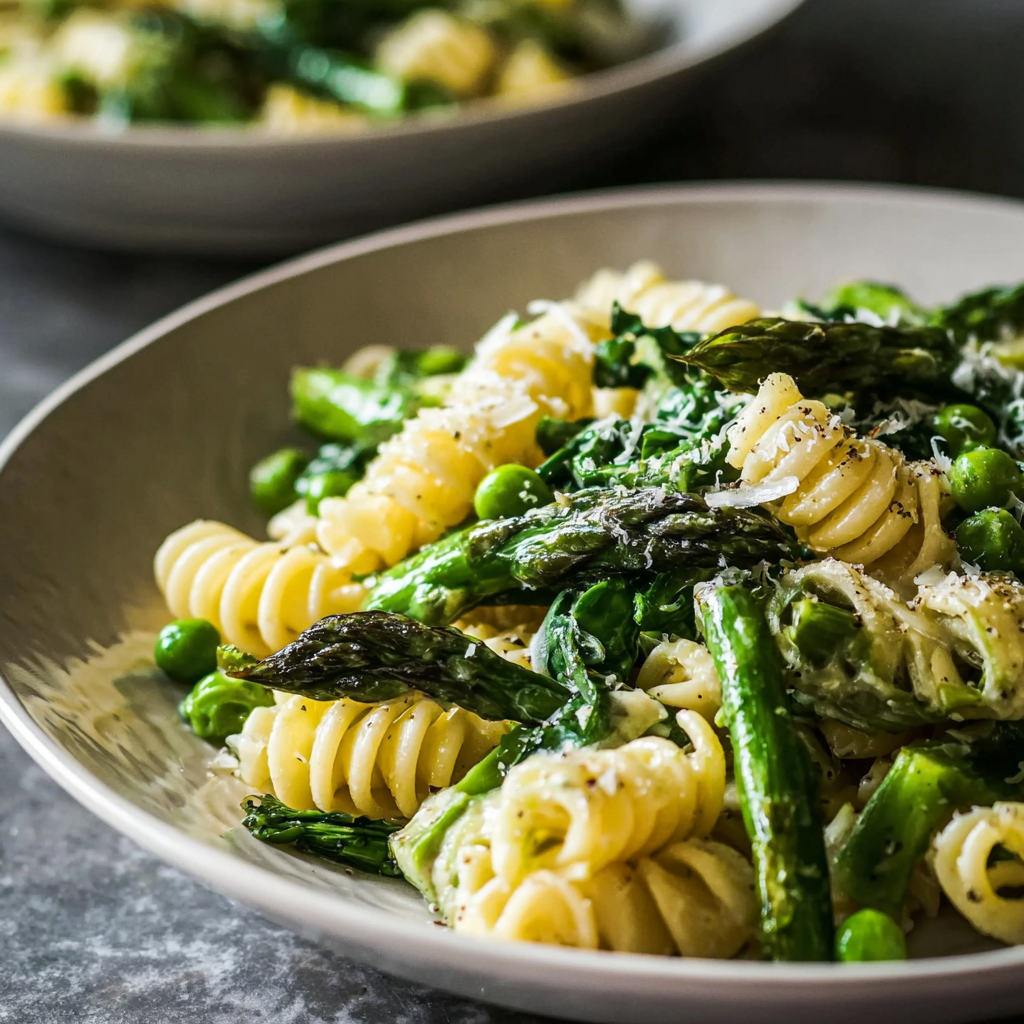
As the days grow warmer and nature bursts into life, a sense of renewal inspires us to embrace lighter, fresher meals. Creamy Spring Vegetable Pasta embodies this essence, combining vibrant seasonal veggies with a rich, velvety sauce. This dish not only caters to your taste buds but also showcases the best produce spring has to offer.
Making this pasta allows for creativity in the kitchen, inviting you to adjust flavors and textures according to your preferences. The creamy sauce, paired with a rainbow of vegetables, transforms humble pasta into a celebration on your plate. With a few simple ingredients, you'll craft a meal that's comforting yet refreshing.
Ingredients
- 12 ounces of pasta
A good quality pasta provides a hearty base for the dish. Opt for shapes that hold sauce well, such as fettuccine or penne, allowing for maximum flavor absorption. - 1 cup of heavy cream
Heavy cream brings richness and a luxurious texture to the sauce. It balances the fresh flavors of the vegetables and helps create a silky, smooth sauce. - 1 tablespoon of olive oil
Extra virgin olive oil enhances the flavor of the dish and provides essential healthy fats. It’s perfect for sautéing the vegetables, allowing their natural sweetness to develop. - 1 cup of asparagus, chopped
Asparagus contributes a crisp texture and earthy flavor, making it a quintessential spring vegetable. It's packed with nutrients and adds vibrant green color. - 1 cup of peas (fresh or frozen)
Peas add a sweet burst of flavor and a pop of color. They are quick to cook, making them perfect for a spring pasta dish. - 1 cup of cherry tomatoes, halved
Cherry tomatoes provide juicy sweetness and acidity. Their bright color contrasts beautifully with the creaminess of the sauce. - 2 cloves of garlic, minced
Garlic infuses the dish with aromatic flavor. When sautéed, it becomes fragrant and adds depth to the overall taste. - Salt and pepper to taste
Seasoning is crucial for enhancing the dish's flavors; salt brightens the ingredients, while pepper adds a subtle warmth and complexity. - 1/2 cup of grated Parmesan cheese
Parmesan cheese brings a salty, nutty flavor that complements the cream. Its addition thickens the sauce and adds depth. - Fresh basil for garnish
Basil not only adds aesthetic appeal but also a fresh, aromatic element that elevates the dish. It’s a classic herb that complements spring vegetables perfectly.
Directions & Preparation
Step 1: Cook the pasta according to package instructions.
Start by bringing a large pot of salted water to a boil. Cooking the pasta al dente ensures it holds up well in the sauce. Reserve a cup of pasta water for later; this starchy water can help adjust the sauce's consistency.
Step 2: Heat olive oil in a large skillet over medium heat.
Warm the olive oil before adding vegetables to it; this step prevents the veggies from steaming instead of sautéing. A nice sauté will develop flavor while allowing the vegetables to retain their crunch.
Step 3: Sauté garlic until fragrant, then add asparagus and cook for 3-4 minutes.
Adding garlic first infuses the oil with a rich flavor. Asparagus needs a few minutes to soften but should remain tender-crisp. Stir constantly to ensure even cooking and avoid burning the garlic.
Step 4: Add peas and cherry tomatoes, cooking until just softened.
Peas cook quickly, and cherry tomatoes will become tender but juicy. This step steps up the flavor profile and adds a splash of color to your dish, enhancing its appeal.
Step 5: Stir in the heavy cream and bring to a gentle simmer.
The cream adds richness and creates a sauce that envelops the pasta beautifully. A gentle simmer allows the flavors to meld, but be cautious not to let it boil, which could separate the cream.
Step 6: Mix in Parmesan cheese and season with salt and pepper.
Parmesan intensifies the cream sauce and adds depth. Adjusting seasoning is vital as it makes sure every bite is perfectly balanced with flavor. Stir well until the cheese has melted.
Step 7: Combine the pasta with the creamy vegetable sauce.
Add the drained pasta to the skillet, tossing it in the sauce. If the mixture seems too thick, add a bit of reserved pasta water. This step integrates the flavors and ensures the pasta is thoroughly coated.
Step 8: Serve hot, garnished with fresh basil.
Serving immediately ensures that the sauce remains creamy and luscious. Fresh basil on top brightens the dish with its aroma and adds a pop of color that makes it visually inviting.

Opt for Seasonal Variety
Spring brings an abundance of fresh vegetables that can be incorporated into this dish. While asparagus and peas are classic choices, don't hesitate to replace them with seasonal alternatives like zucchini, spinach, or artichokes. Exploring various veggies not only enhances the flavor but enriches the nutritional profile, allowing you to make this pasta your own.
Adjusting Creaminess to Your Taste
If you prefer a lighter pasta dish, you can substitute part of the heavy cream with low-fat alternatives or even vegetable broth. This retains some creaminess while cutting down on richness. Additionally, for a vegan approach, consider using coconut cream or a cashew cream to maintain the creamy texture without dairy, while remaining true to the dish's essence.
Elevating Flavor with Herbs
Herbs can transform a simple pasta dish into an aromatic masterpiece. Beyond basil, consider adding fresh parsley, a sprinkle of thyme, or even a hint of mint to enhance the flavor profile. Herbs not only contribute to flavor but also bring freshness and color, enhancing the overall appeal of your creamy spring vegetable pasta.
FAQs
What if my sauce is too thick?
If the sauce has thickened too much, slowly stir in some reserved pasta water, a tablespoon at a time, until you reach your desired consistency.
How can I upscale this recipe for a large gathering?
To scale the recipe, simply multiply each ingredient proportionally and use a larger pot. Just be sure to prepare the pasta in batches if your pot isn’t big enough.
What alternatives can I use for heavy cream?
For a lighter option, consider using half-and-half, or for a dairy-free version, coconut cream or almond milk can achieve a similar creamy texture.
Can I incorporate more vegetables?
Absolutely! Adding bell peppers, carrots, or even broccoli will increase the vegetable content and add more color and texture to your dish.
What should I do if the pasta is overcooked?
If your pasta has become too soft, it’s best to use it in a bake or casserole where the texture won’t be as noticeable, or mix it into a salad to revitalize the flavors.
Would Italian seasoning enhance this dish?
Yes, adding a dash of Italian seasoning can enhance the herbal notes, but remember to balance it with fresh herbs for a brighter flavor.
Conclusion
Creamy Spring Vegetable Pasta is a delightful dish that invites seasonal ingredients to shine, combining them into a comforting yet fresh meal. Each bite bursts with flavor and texture, reflecting the beauty of spring produce.
Whether you're enjoying it on a sunny day or sharing it at a dinner with friends, this recipe is sure to please. Embrace the freshness of spring and enjoy the vibrant flavors that celebrate this beautiful season.
Recipe Card
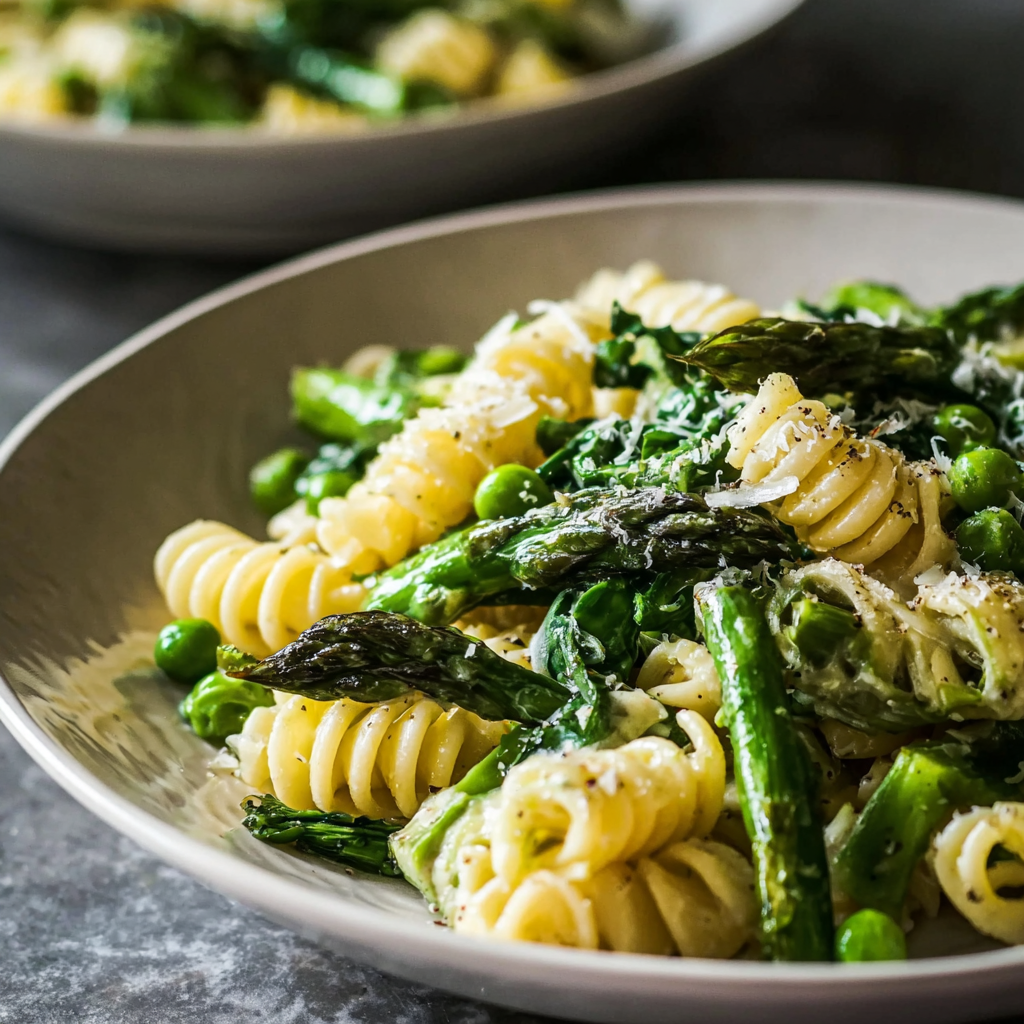
Delightful Creamy Spring Vegetable Pasta Recipe
Ingredients
Method
- Cook the pasta according to package instructions.
- Heat olive oil in a large skillet over medium heat.
- Sauté garlic until fragrant, then add asparagus and cook for 3-4 minutes.
- Add peas and cherry tomatoes, cooking until just softened.
- Stir in the heavy cream and bring to a gentle simmer.
- Mix in Parmesan cheese and season with salt and pepper.
- Combine the pasta with the creamy vegetable sauce.
- Serve hot, garnished with fresh basil.
Notes
Additional serving suggestions: pair with a crisp salad, garlic bread, or roasted seasonal vegetables for balance.
For make-ahead, prep components separately and assemble just before heating to preserve texture.
Taste and adjust with acid (lemon/vinegar) and salt right at the end to wake up flavors.