Introduction
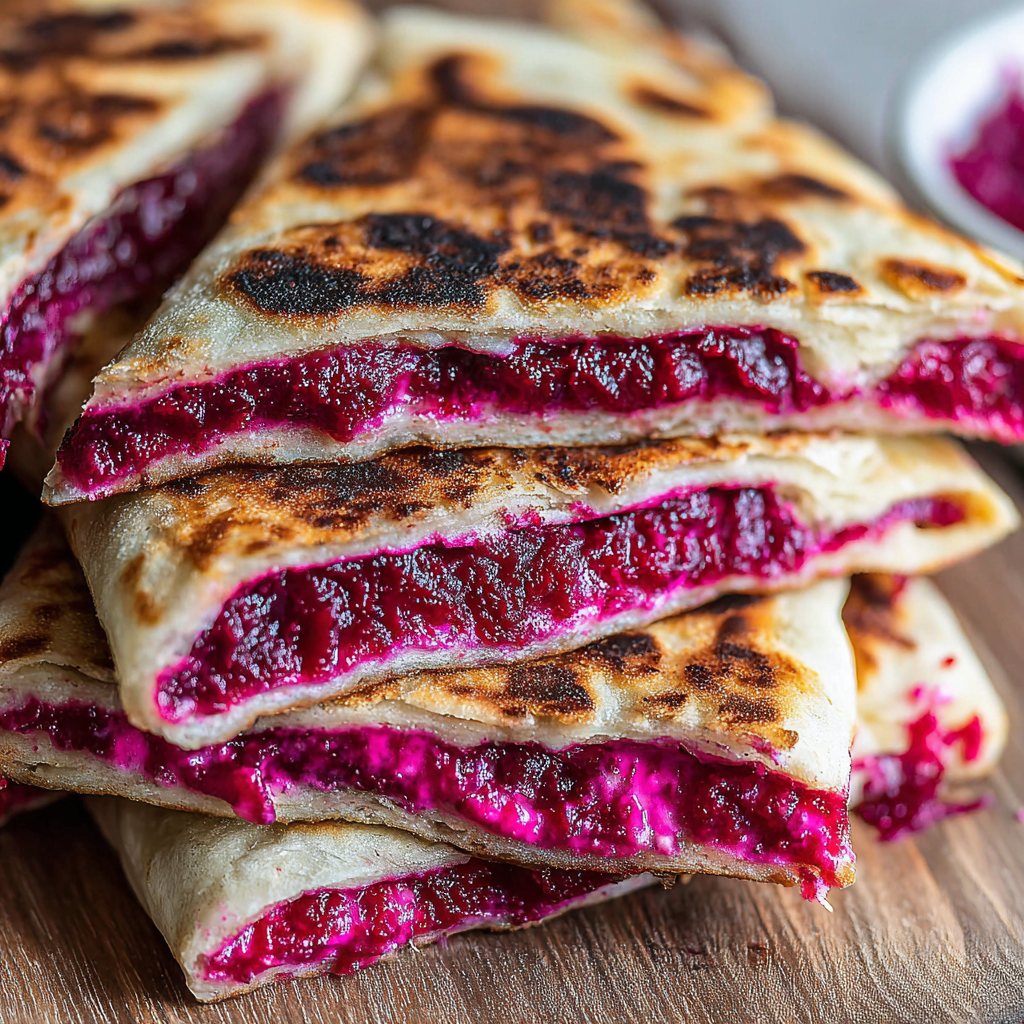
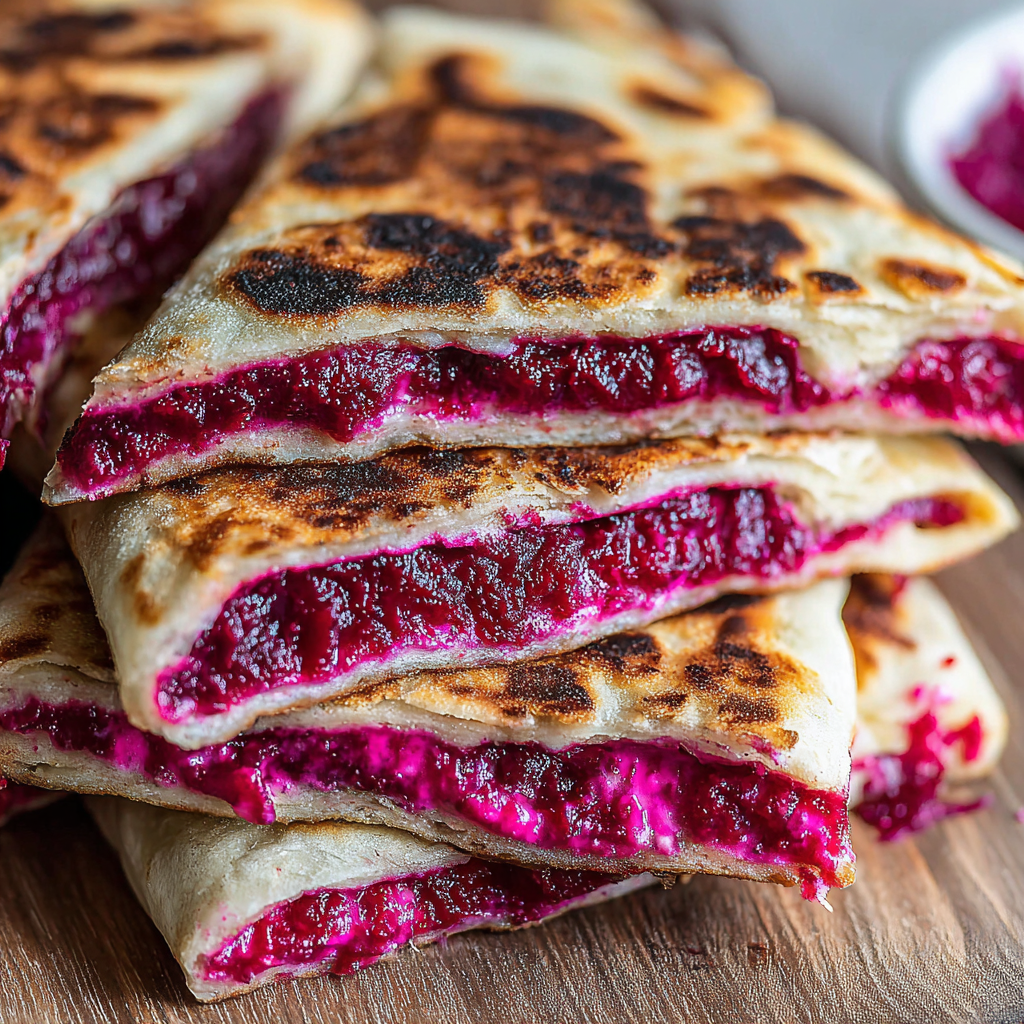
Gözleme is a traditional Turkish flatbread that offers a canvas for culinary creativity, allowing you to explore various fillings. Pairing earthy beetroot with the sharpness of horseradish not only triggers a delightful contrast in flavors but also adds a vibrant color to this dish. This recipe celebrates the essence of originality and encourages home cooks to elevate a classic dish.
The humble gözleme is versatile enough to adapt to any season or occasion, making it perfect for casual brunches or festive dinners. With the striking duo of beetroot and horseradish, this version will captivate your taste buds while impressing your guests. Each bite reveals a unique blend of savor and sweetness, easily made in your own kitchen.
Ingredients
- 2 cups all-purpose flour
This forms the base of the gözleme dough, contributing gluten for elasticity, ensuring a soft and pliable texture. All-purpose flour is a convenient choice as it balances tenderness with sturdiness. - ¾ cup warm water
Warm water is crucial for activating the yeast, helping the dough to rise and develop that desired fluffy texture. It also aids in gluten formation, improving the final structure of the gözleme. - 1 tablespoon olive oil
Olive oil enhances the dough's flavor, making it richer and more complex. It also aids in creating a tender yet firm bread that doesn’t stick to surfaces too much during rolling. - ½ teaspoon salt
Salt nurtures flavor, balancing the sweetness of the beetroot and the sharpness of the horseradish. It also plays a role in controlling yeast fermentation, ensuring a nice rise. - 2 medium-sized beetroots, cooked and grated
Beetroots add a natural sweetness and earthy flavor to the filling, contributing moisture and vibrancy. Their rich color will also make the gözleme visually appealing. - 2 tablespoons prepared horseradish
Horseradish introduces a piquant, zesty kick, contrasting beautifully with the mellow sweetness of the beetroot. This ingredient brings a unique and sophisticated sharpness. - ½ cup crumbled feta cheese
Feta adds creaminess and a savory depth to the filling, perfectly complementing the other flavors. Its tanginess enhances the overall taste profile of the gözleme. - Fresh dill, chopped, to taste
Adding fresh dill introduces a herbaceous note, brightening the flavors while harmonizing with the beetroot and horseradish. It adds a fresh twist that completes the filling.
Directions & Preparation
Step 1: Mix flour, salt, and olive oil in a bowl.
Combine the flour, salt, and olive oil in a mixing bowl. This initial blend is important because the oil coats the flour, preventing excessive gluten formation. Once combined, it helps with the dough's texture, resulting in the softness of the gözleme after baking.
Step 2: Create a well in the center and add warm water.
Form a well in the center of your flour mixture and pour the warm water in gradually. This step is critical as it hydrates the flour evenly and initiates gluten development. Gently mix until a shaggy dough begins to form, preparing for kneading.
Step 3: Knead the dough until smooth and elastic.
Transfer the dough to a floured surface and knead it for about 5–10 minutes until it becomes smooth and elastic. Kneading is essential in developing gluten, which gives the gözleme its desirable texture. Rest the dough afterward, allowing gluten to relax, which simplifies rolling.
Step 4: Let the dough rest for at least 30 minutes.
Resting the dough is vital as it allows the gluten to relax, making it easier to roll out into thin sheets. This will result in a thinner, stretchier dough for the gözleme while enhancing its chewiness once baked.
Step 5: While dough rests, prepare the filling.
Mix grated beetroot, horseradish, crumbled feta, and chopped dill in a bowl. This step is critical for ensuring a flavorful filling. Stir well to guarantee even distribution of ingredients; it enhances each bite and ensures the gözleme is cohesive in flavor.
Step 6: Divide dough into equal portions and roll out each piece.
Divide the rested dough into 4 equal pieces, rolling each out into a thin circle. Aim for a thickness of about 1/8 inch. Rolling thinly is important for the cooking process, enabling the gözleme to cook evenly and thoroughly while achieving that lovely crisp texture.
Step 7: Spoon the filling onto half of each circle and fold.
Place a generous spoonful of filling on one half of each rolled-out dough. Fold the other half over the filling and pinch the edges to seal. This step prevents the filling from leaking out during cooking and ensures every bite is packed with flavor.
Step 8: Cook filled gözleme on a hot, dry skillet.
Heat a skillet over medium heat and place the gözleme on it. Cook for about 3-4 minutes per side until golden and crisp. Cooking on a dry skillet allows the dough to develop a delightful crust while enhancing the flavor without adding extra fat.
Step 9: Serve warm with a side of yogurt or salad.
Remove the gözleme from the skillet and serve immediately. Pairing with yogurt or a light salad complements the dish and balances the richness of the filling, creating a complete meal experience that is refreshing and satisfying.

Balancing Flavors in Your Gözleme
The interplay between beetroot's sweetness and horseradish’s pungency is what makes this gözleme exceptional. Each ingredient should harmonize; if the horseradish feels overpowering, consider adding a touch more cheese to mellow the flavors. Similarly, enhancing the beetroot with fresh herbs can elevate the dish further and introduce layers of freshness.
Perfectly Sealing Your Gözleme
Sealing the edges of the gözleme effectively is crucial to prevent any filling from escaping during cooking. You can use a fork to crimp the edges or simply pinch them tightly. Ensuring a good seal allows the flavors to meld beautifully inside, creating a cohesive filling that’s bursting with goodness.
Exploring Alternative Fillings
While the beetroot and horseradish combination shines brilliantly, don't shy away from experimenting with other fillings. Consider adding spinach, mushrooms, or even spiced potatoes for a different twist. This versatility makes gözleme a beloved dish, ideal for utilizing seasonal ingredients and personal preferences.
FAQs
What should I do if the filling is too bland?
If the filling lacks flavor, consider adding more salt or spices such as black pepper or smoked paprika. A drizzle of lemon juice can also enhance the flavors by adding brightness.
How can I ensure the dough isn’t too thick or tough?
Ensure you roll the dough as thin as possible for a light texture. If it’s tough, knead it less and allow for adequate resting time, which softens it and makes it more pliable.
Can I substitute the feta with a different cheese?
Yes, you can use goat cheese or a mild cream cheese if feta isn't available. Adjust the amount based on the flavor intensity to maintain a balanced profile.
What if my cooked gözleme are too crispy?
If your gözleme are overcooked and crispy, monitor the heat next time. Cooking on lower heat may help retain a softer texture while still ensuring a golden finish.
How can I add more texture to the filling?
Consider mixing in chopped nuts like walnuts or pine nuts for added crunch. They enhance flavor and create an interesting texture contrast with the creamy feta and tender beetroot.
Is it possible to make a larger batch of dough?
Absolutely, you can double or triple the dough recipe. Just be cautious with cooking times as larger batches may require longer cooking to properly heat the filling.
Conclusion
Creating gözleme with beetroot and horseradish invites you into a world of vibrant flavors and textures that can truly tantalize the palate. This dish reflects the innovative spirit of traditional cooking while allowing personal expressions of creativity in the kitchen.
With its adaptable nature and charming taste, gözleme serves as a perfect dish for any occasion. Don't hesitate to make it your own, whether it’s adjusting the fillings or the accompanying sides, to truly embrace the joy of home-cooked meals.
Recipe Card
Baked Gözleme with Beetroot and Horseradish Delight
Ingredients
Method
- Mix flour, salt, and olive oil in a bowl.
- Create a well in the center and add warm water.
- Knead the dough until smooth and elastic.
- Let the dough rest for at least 30 minutes.
- While dough rests, prepare the filling.
- Divide dough into equal portions and roll out each piece.
- Spoon the filling onto half of each circle and fold.
- Cook filled gözleme on a hot, dry skillet.
- Serve warm with a side of yogurt or salad.
Notes
Additional serving suggestions: pair with a crisp salad, garlic bread, or roasted seasonal vegetables for balance.
For make-ahead, prep components separately and assemble just before heating to preserve texture.
Taste and adjust with acid (lemon/vinegar) and salt right at the end to wake up flavors.