Introduction
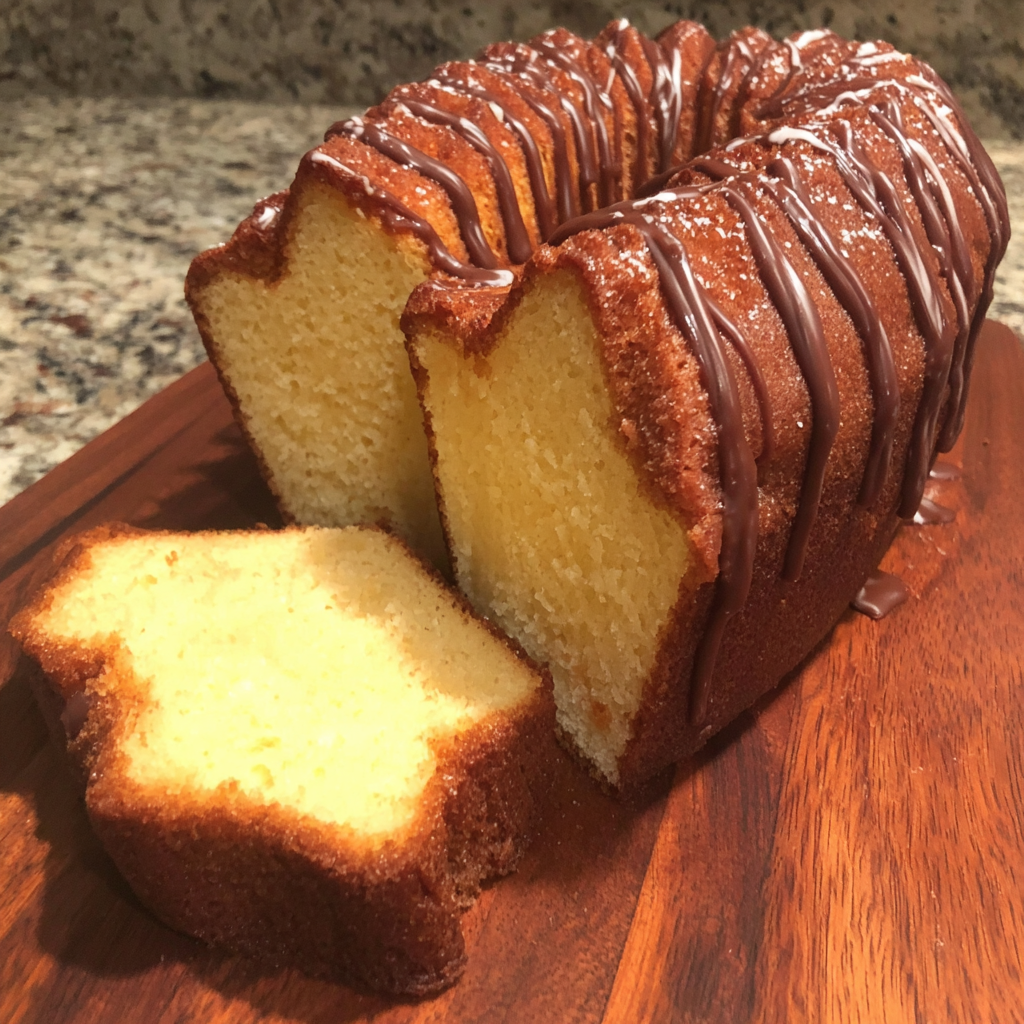
Irish Pound Cake is a celebrated dessert that embodies the warmth and comfort of Irish baking traditions. With its dense yet fluffy texture, this cake invites family and friends to gather around the table, sharing stories and cups of tea.
What makes Irish Pound Cake so special is its simplicity and versatility. A delightful balance of buttery richness and subtle sweetness makes it perfect for any occasion, from afternoon tea to festive gatherings. This cake allows flavors to shine, providing an excellent canvas for various accompaniments.
Ingredients
- 2 cups all-purpose flour
All-purpose flour forms the structure of the cake, providing the necessary gluten to hold everything together. It creates the base for the dense yet tender crumb that characterizes a classic pound cake. - 1 teaspoon baking powder
Baking powder acts as a leavening agent, helping the cake rise while maintaining its dense texture. It ensures the cake remains light and fluffy rather than overly compact. - 1/2 teaspoon salt
Salt enhances the flavors in the cake, balancing the sweetness and bringing out the rich buttery notes. It’s an essential component that elevates the overall taste. - 1 cup unsalted butter, softened
Butter adds richness and moisture to the cake while contributing to its flavor. Using unsalted butter allows greater control over the salt content, promoting a more balanced taste. - 1 1/4 cups granulated sugar
Granulated sugar sweetens the cake and helps achieve a lovely golden crust during baking. It also plays a role in the cake's texture, keeping it moist and tender. - 4 large eggs
Eggs are crucial for binding the ingredients together and providing structure. They also add moisture and richness, contributing to the cake's delightful texture. - 1 teaspoon vanilla extract
Vanilla extract adds warmth and depth of flavor to the cake. It complements the butter and sugar, creating a more complex and inviting taste profile. - 1/2 cup milk
Milk adds moisture and softness to the cake, supporting its rich flavor. It also helps to balance the thickness of the batter, contributing to a tender crumb.
Directions & Preparation
Step 1: Preheat your oven to 350°F (175°C).
Preheating the oven is a crucial step as it ensures that the cake bakes evenly. An oven that's hot when the cake goes in helps create the perfect rise and texture, preventing dense or uneven baking.
Step 2: Grease and flour a 9×5 inch loaf pan.
Greasing and flouring the loaf pan prevents the cake from sticking, allowing for a clean release once baked. This step is essential to maintaining the beautiful shape and minimizing mess during serving.
Step 3: In a bowl, mix together the flour, baking powder, and salt.
Combining dry ingredients ensures even distribution of the baking powder and salt, which is vital for consistent leavening and flavor throughout the cake. This step helps avoid any unexpected pockets of salty or dull cake.
Step 4: In another bowl, cream the softened butter and sugar until light and fluffy.
Creaming the butter and sugar incorporates air into the mixture, which helps provide leavening and a delicate crumb. This process is crucial for developing the cake's texture, so take your time with it.
Step 5: Add the eggs one at a time, mixing well after each addition.
Incorporating eggs gradually ensures they emulsify properly into the batter, maintaining a smooth consistency. This step enhances the structure of the cake, enabling it to rise well during baking.
Step 6: Stir in the vanilla extract and mix until combined.
Adding vanilla extract at this stage infuses the batter with flavor, complementing the cake's rich butteriness. Ensure it’s well-mixed to achieve a cohesive flavor profile in every bite.
Step 7: Gradually add the flour mixture to the butter mixture, alternating with milk.
Alternating between dry and wet ingredients prevents the batter from becoming overly dense. This method maintains moisture levels while ensuring all flour is fully incorporated without overmixing, which would toughen the batter.
Step 8: Pour the batter into the prepared loaf pan and smooth the top.
Smoothing the top of the batter ensures even baking and a nicely finished appearance. A well-distributed batter also helps achieve uniform rising, leading to a beautifully shaped cake.
Step 9: Bake in the preheated oven for 50-60 minutes, or until a toothpick inserted in the center comes out clean.
Baking times can vary depending on your oven's calibration and the size of your pan. Testing with a toothpick helps gauge doneness; if it comes out clean or with a few crumbs, the cake is ready.
Step 10: Allow the cake to cool in the pan for 10 minutes before transferring it to a wire rack.
Cooling the cake in the pan initially helps it set and prevents breakage during transfer. After this time, moving it to a wire rack allows for even cooling, critical for preserving texture.
Step 11: Once completely cool, slice and serve as desired, optionally dusting with powdered sugar.
Serving the cake at room temperature enhances its flavor and texture. A light dusting of powdered sugar adds a touch of elegance and sweetness without overwhelming the cake’s flavors.

Pairing Ideas for Your Irish Pound Cake
Irish Pound Cake can be enjoyed simply on its own, but it lends itself beautifully to various accompaniments. Fresh fruits like berries or slices of citrus enhance the cake's flavors, while a drizzle of cream or dollop of whipped cream adds a luxurious touch. For a more decadent experience, consider pairing it with a homemade custard or a scoop of vanilla ice cream.
The Charm of Traditional Irish Ingredients
Utilizing traditional Irish ingredients in this pound cake gives it a unique twist. Opting for Irish butter adds an extra layer of richness and flavor, while using farm-fresh eggs can elevate the cake's texture. These ingredients honor the authenticity of Irish baking and contribute subtly to the overall experience.
Variations to Explore
While the classic Irish Pound Cake is delightful in its original form, there are numerous variations worth exploring. Adding citrus zest, such as lemon or orange, can brighten the flavor profile wonderfully. You may also consider incorporating spices like cinnamon or nutmeg for a warm and inviting aroma that complements the cake's sweetness.
FAQs
What should I do if my batter is too thick?
If your batter seems too thick, a small adjustment can be made by adding a teaspoon of milk at a time until you reach the desired consistency. Ensure not to over-mix, as this can affect the cake's texture.
Can I double this recipe for a larger gathering?
Yes, you can double the recipe! Just ensure to use two loaf pans or a larger baking dish, and adjust the baking time as needed to ensure the cake cooks evenly.
Why did my pound cake sink in the middle?
A sinking pound cake can occur if the oven temperature is too low or if the batter was overmixed, incorporating too much air. Make sure to preheat the oven properly and mix just until combined.
How can I enhance the flavor of my Irish Pound Cake?
Consider adding extracts like almond or a splash of Irish whiskey for depth. You can also experiment with flavored sugar, such as vanilla bean-infused, to provide additional complexity.
What can I use to give my cake a glaze?
For a simple glaze, mix powdered sugar with milk or lemon juice until you achieve a smooth consistency. Drizzle over the cooled cake to add sweetness and a lovely finish.
How can I ensure my cake bakes evenly?
To promote even baking, ensure all ingredients are at room temperature before starting. Also, rotate the pan halfway through baking to prevent uneven cooking.
Conclusion
Irish Pound Cake is more than just a dessert; it represents a heartfelt tradition that can be shared across generations. Its rich flavor and appealing texture make it a delightful choice for various occasions.
As you embark on your baking journey, remember that the best recipes often stem from personal touches and memories. Feel free to adapt this recipe to reflect your own tastes and share the joy of baking with others.
Recipe Card
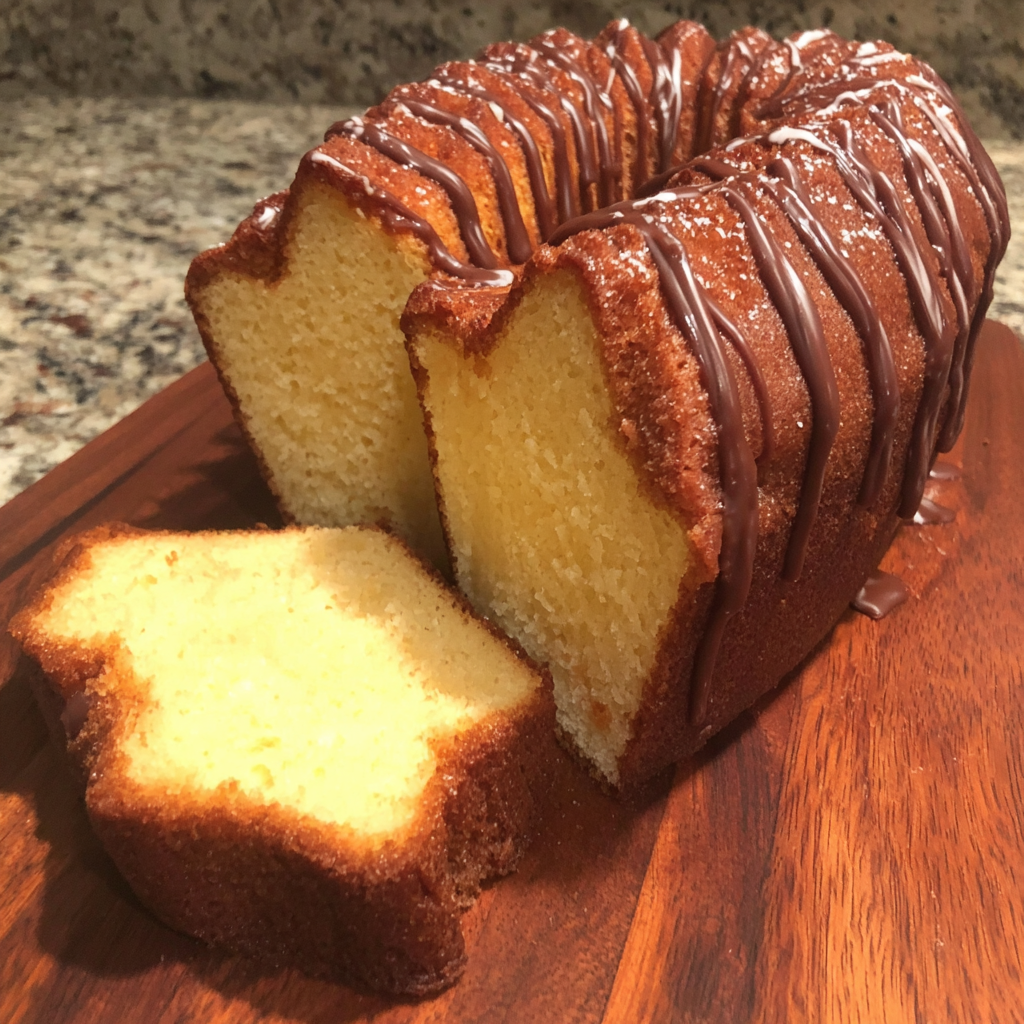
Delightful Irish Pound Cake Recipe for Home Bakers
Ingredients
Method
- Preheat your oven to 350°F (175°C).
- Grease and flour a 9x5 inch loaf pan.
- In a bowl, mix together the flour, baking powder, and salt.
- In another bowl, cream the softened butter and sugar until light and fluffy.
- Add the eggs one at a time, mixing well after each addition.
- Stir in the vanilla extract and mix until combined.
- Gradually add the flour mixture to the butter mixture, alternating with milk.
- Pour the batter into the prepared loaf pan and smooth the top.
- Bake in the preheated oven for 50-60 minutes, or until a toothpick inserted in the center comes out clean.
- Allow the cake to cool in the pan for 10 minutes before transferring it to a wire rack.
- Once completely cool, slice and serve as desired, optionally dusting with powdered sugar.
Notes
Additional serving suggestions: pair with a crisp salad, garlic bread, or roasted seasonal vegetables for balance.
For make-ahead, prep components separately and assemble just before heating to preserve texture.
Taste and adjust with acid (lemon/vinegar) and salt right at the end to wake up flavors.