Introduction
Grilled pork tenderloin is a culinary gem that combines tenderness with robust flavor. It's an ideal choice for summer cookouts, family gatherings, or a simple weeknight dinner. With its quick cooking time and versatility, this dish can easily impress your guests or satisfy your craving for a hearty meal.
Unlike tougher cuts, pork tenderloin is lean and cooks evenly, making it a favorite among home cooks. The secret lies in marinating the meat, allowing it to absorb flavors while ensuring it remains juicy on the grill. Once you master the grilling technique, you'll find this dish a staple in your repertoire.
Pair the grilled tenderloin with seasonal sides like grilled vegetables or a fresh salad, and you have a complete meal that delights the senses. Let’s dive into the essential ingredients and the art of grilling this pork tenderloin to perfection.
Ingredients
- 1.5 lbs pork tenderloin
Pork tenderloin is a lean cut that cooks quickly and stays juicy when grilled. Its mild flavor offers a blank canvas for marinades or spice rubs, allowing you to personalize your dish. - 3 tbsp olive oil
Olive oil serves as a base in marinades, helping to keep the pork moist during cooking. It also enhances flavor and aids in browning, giving the tenderloin a beautiful crust. - 2 tbsp balsamic vinegar
Balsamic vinegar adds acidity, which balances the richness of the pork. It also infuses the meat with a slightly sweet and tangy flavor that complements the savory notes. - 4 cloves garlic, minced
Garlic provides a robust, aromatic quality that elevates the dish's flavor profile. It releases essential oils during cooking, permeating the pork with its distinctive taste. - 1 tsp dried thyme
Dried thyme contributes a herby aroma and flavor, enhancing the overall taste of the pork. It's a classic seasoning for meat, complementing its natural flavors without overpowering them. - 1 tsp paprika
Paprika adds subtle sweetness and a rich, red color to the dish. It introduces a mild earthiness that rounds out the flavor profile, making each bite more complex. - Salt and pepper to taste
Seasoning with salt and pepper not only enhances the meat's inherent flavor but also balances the marinade's ingredients. Proper seasoning is crucial for an elevated dish.
Directions & Preparation
Step 1: Prepare the marinade by mixing the ingredients.
Combine olive oil, balsamic vinegar, minced garlic, thyme, paprika, salt, and pepper in a bowl. Whisk until well blended. This marinade acts as the flavor foundation for the pork, allowing it to soak in the rich, savory tastes that will be concentrated during grilling.
Step 2: Marinate the pork tenderloin for at least 1 hour.
Place the pork tenderloin in a resealable plastic bag or a shallow dish, covering it with the marinade. Let it sit in the refrigerator for at least an hour, or up to overnight, for deeper flavor penetration. The longer it marinates, the more tender and flavorful the meat will become.
Step 3: Preheat your grill to medium-high heat.
Ensure your grill is preheated properly, as this creates a nice sear on the pork while locking in juices. Medium-high heat is ideal, allowing for cooking that sufficiently browns the outside while keeping the inside moist.
Step 4: Remove the pork from the marinade and pat it dry.
Take the pork out of the marinade and gently pat it dry with paper towels. This step is essential to get a good sear and can prevent steaming. While marinating adds flavor, excess moisture can hinder that desired grilled texture.
Step 5: Grill the pork tenderloin for 15-20 minutes, turning occasionally.
Place the tenderloin on the grill, cooking for 15-20 minutes, turning it every few minutes to ensure even cooking. Use a meat thermometer to check doneness; the internal temperature should reach 145°F for juicy, perfectly cooked pork.
Step 6: Let the pork rest for 5-10 minutes before slicing.
After grilling, allow the pork to rest. This crucial step ensures that the juices redistribute throughout the meat, resulting in a moist and flavorful final product. Slicing too soon can lead to a dry experience.
Step 7: Slice and serve the pork tenderloin.
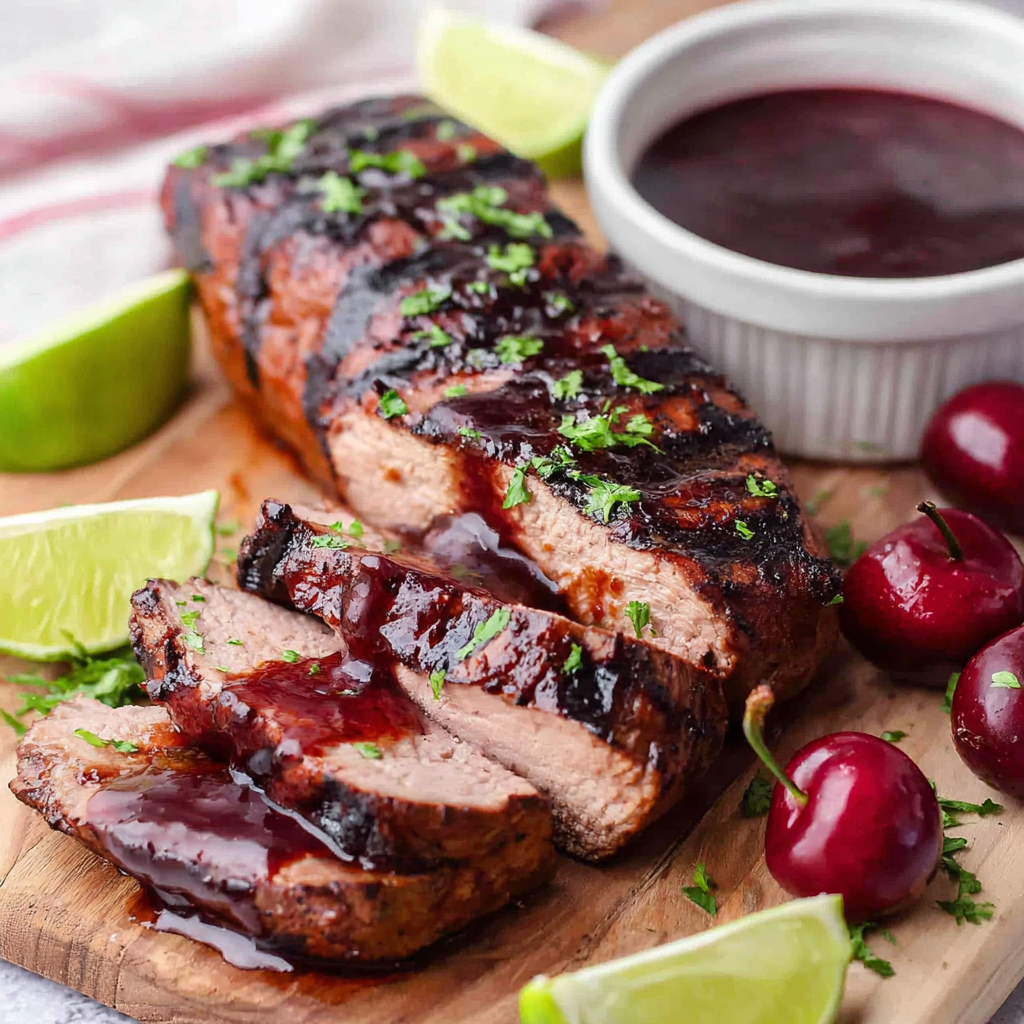
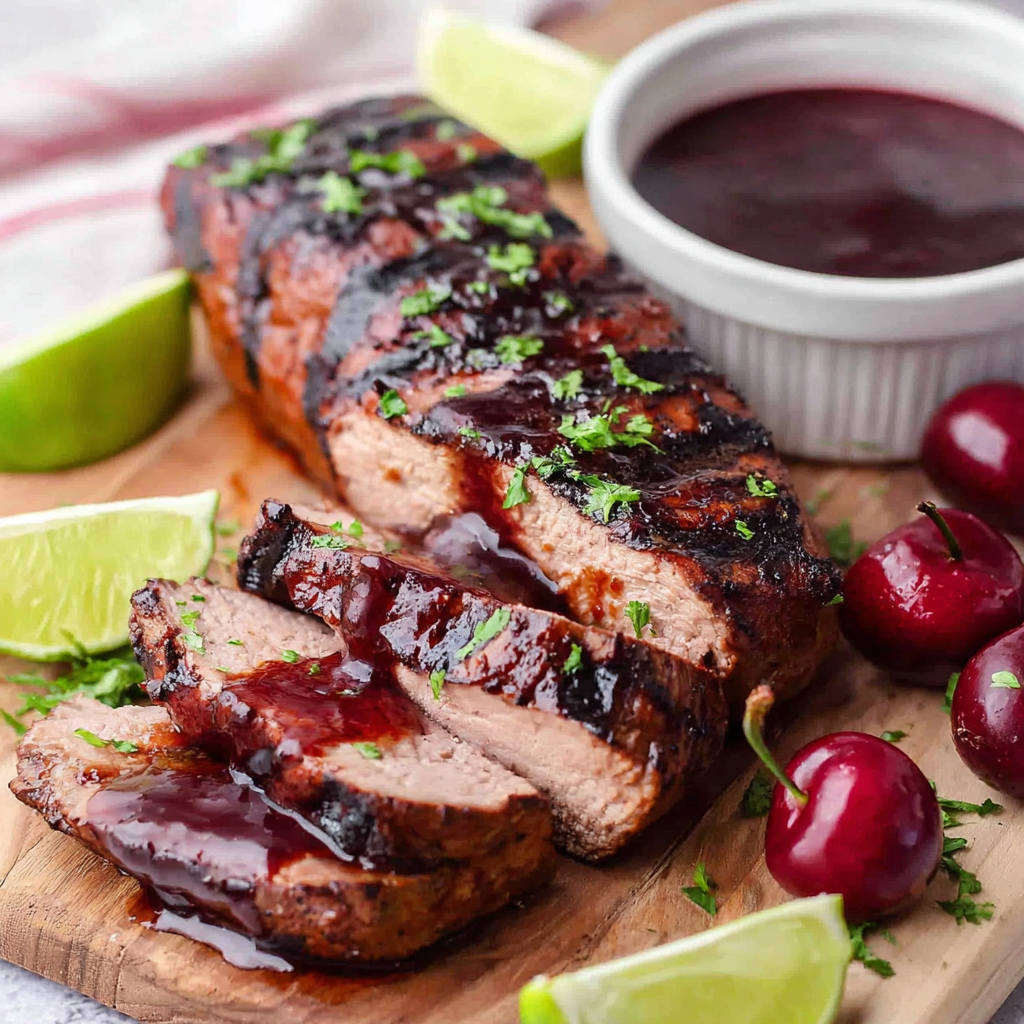
Cut the pork tenderloin into medallions for serving. The glistening slices showcase the juicy, flavorful interior. Pair with your favorite sides, and enjoy the delicious blend of flavors that define this grilled masterpiece.

Flavor Infusion: The Magic of Marinades
Marinades are essential in the cooking process, especially for meats like pork tenderloin. They not only impart flavor but also enhance tenderness through the acidity present in ingredients like vinegar. During marinading, the meat absorbs these flavors, creating a mouthwatering profile that develops complexity as it cooks.
Searing to Perfection: The Importance of Heat
Achieving the perfect sear on grilled pork tenderloin is crucial for creating a caramelized crust that locks in moisture. The initial high temperature helps to create a Maillard reaction, enhancing flavor and presentation. This balance between a seared exterior and juicy interior defines a well-grilled tenderloin.
Pairing Sides: Elevate the Meal Experience
To truly elevate your grilled pork tenderloin, consider what you serve alongside it. Grilled vegetable skewers, a vibrant summer salad, or creamy potato dishes complement the rich flavors of the pork. These pairings not only enhance the overall dining experience but also provide a range of textures and flavors on the table.
FAQs
What can I do if my pork tenderloin is overcooked?
If your pork tenderloin is overcooked, it might lack moisture. To salvage, slice the meat thinly and serve it with a flavorful sauce or gravy to add moisture back into each bite.
Can I use fresh herbs in the marinade instead of dried?
Yes, fresh herbs can provide a more vibrant flavor. Typically, use three times the amount of fresh herbs compared to dried, as the flavor is less concentrated.
What should I do if the pork is bland after grilling?
If you find the pork bland, consider seasoning it with a finishing sprinkle of salt or a drizzle of your favorite sauce. Additionally, a squeeze of lemon juice can brighten the flavor.
Is it possible to grill the tenderloin on a charcoal grill?
Absolutely! A charcoal grill can impart a distinct smoky flavor. Just ensure you maintain medium-high heat and monitor the cooking closely to prevent flare-ups.
How can I tell when the pork tenderloin is fully cooked?
The best way to check for doneness is using a meat thermometer. The pork should reach an internal temperature of 145°F for optimal juiciness and safety.
What if I want to use a different cut of pork?
If you’re considering a different cut, such as pork loin or pork chops, adjust the cooking time accordingly. These cuts may require longer grilling times due to their density.
Conclusion
Grilled pork tenderloin is more than just a main dish; it's a celebration of flavors and textures that can turn any meal into an occasion. With just a few ingredients and a bit of time, you can create a dish that brings friends and family together around the grill.
By paying attention to the marinade, the grilling technique, and complementary sides, you’ll ensure that each bite is a delightful experience. Embrace this delicious recipe and allow it to become a staple in your summer grilling adventures.
Recipe Card
Elevate Summer Grilling with Savory Pork Tenderloin
Ingredients
Method
- Prepare the marinade by mixing the ingredients.
- Marinate the pork tenderloin for at least 1 hour.
- Preheat your grill to medium-high heat.
- Remove the pork from the marinade and pat it dry.
- Grill the pork tenderloin for 15-20 minutes, turning occasionally.
- Let the pork rest for 5-10 minutes before slicing.
- Slice and serve the pork tenderloin.
Notes
Additional serving suggestions: pair with a crisp salad, garlic bread, or roasted seasonal vegetables for balance.
For make-ahead, prep components separately and assemble just before heating to preserve texture.
Taste and adjust with acid (lemon/vinegar) and salt right at the end to wake up flavors.