Introduction
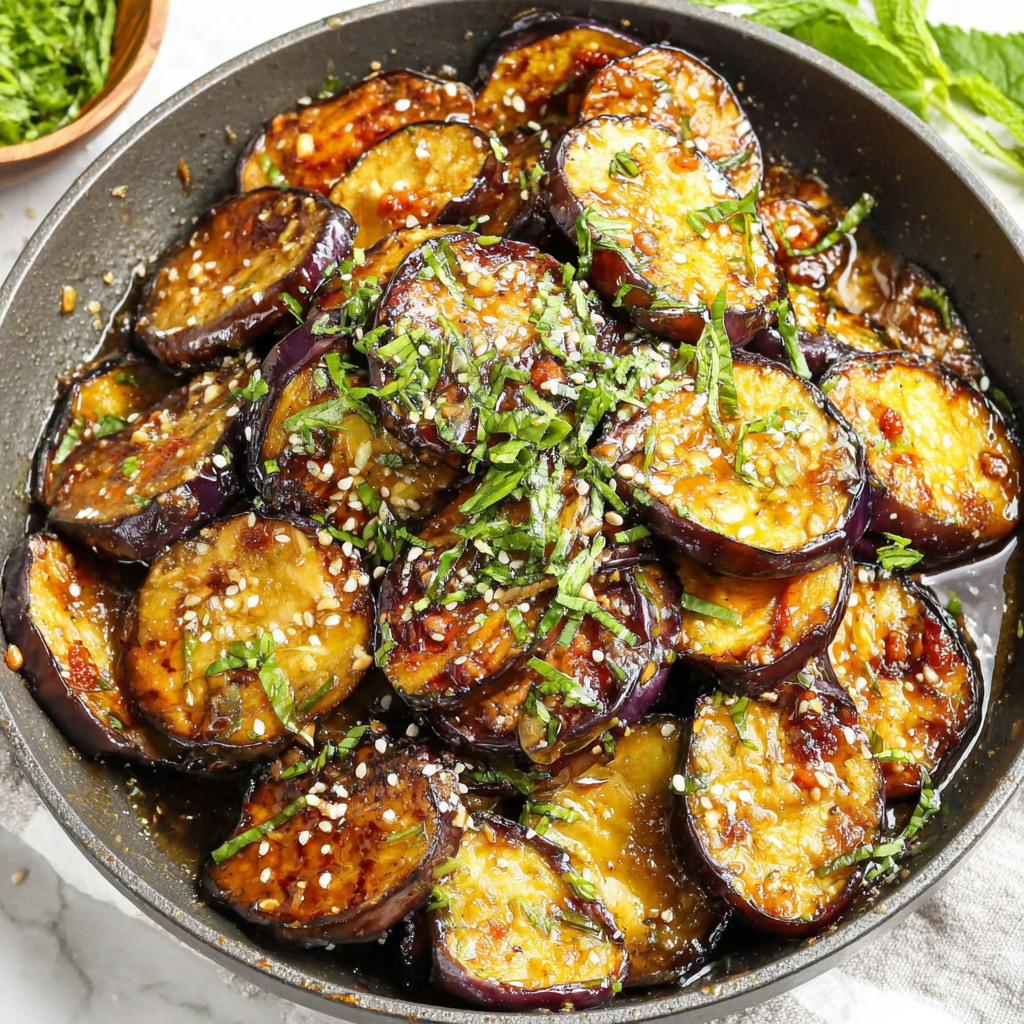
Sautéed eggplant is a versatile dish that brings rich flavors and comforting textures to a table. This preparation method enhances the natural taste of the eggplant while providing a delightful caramelization that adds depth to every bite. Whether enjoyed on its own, added to pasta, or served as a side to grilled meats, sautéed eggplant is both satisfying and simple to make.
Eggplant, often overlooked, deserves to be celebrated for its unique ability to absorb flavors. Its spongy texture becomes tender when cooked, allowing spices and sauces to meld beautifully. This article will guide you through creating a dish that’s not only delicious but also allows for personal twists and variations.
Ingredients
- 2 medium eggplants
Eggplants are the star of this dish, providing a unique creamy texture and absorbing the flavors of the other ingredients. Aim for firm eggplants that are glossy and heavy for their size. - 3 tablespoons olive oil
Olive oil is essential for sautéing, adding both richness and a smooth mouthfeel. The oil helps in softening the eggplant, encouraging caramelization, while also imparting its own flavor. - 2 cloves garlic, minced
Garlic infuses the dish with aromatic flavors. It caramelizes during cooking, adding a beautiful sweetness that complements the earthiness of the eggplant. - 1 teaspoon salt
Salt enhances all the flavors in the dish. It draws out moisture from the eggplant, which intensifies its taste while preventing it from being bland. - 1 teaspoon black pepper
Black pepper adds a mild heat and depth to the dish, balancing the smoother flavors of the eggplant and garlic. - 2 tablespoons balsamic vinegar
Balsamic vinegar provides acidity and a hint of sweetness, helping to brighten the dish's flavors. It also adds complexity with its unique characteristics. - Fresh basil for garnish
Basil adds a fresh, herbal note that contrasts beautifully with the eggplant's texture. It's a vibrant finishing touch that elevates the presentation and taste.
Directions & Preparation
Step 1: Prepare the eggplant by slicing it into cubes.
Cutting the eggplant into evenly sized cubes ensures uniform cooking. When cooking eggplant, the size of the pieces can dramatically affect the cooking time and texture. Aim for about 1-inch cubes to allow them to soften adequately while also achieving nice browning.
Step 2: Sprinkle salt on the eggplant cubes and let them sit.
Salting the eggplant draws out excess moisture and any bitterness it may have. This process allows the eggplant to absorb the flavors of the dish better while also improving its texture. Let it sit for about 30 minutes before rinsing and patting dry.
Step 3: Heat olive oil in a large skillet over medium heat.
Getting the oil hot enough is crucial for perfect sautéing. This initial heat ensures that the eggplant starts to caramelize rather than steam. Swirl the pan to coat it evenly and check if the oil shimmers before adding the eggplant.
Step 4: Add the eggplant cubes to the skillet in a single layer.
Add the eggplant cubes carefully to avoid overcrowding the skillet; this allows for better browning. If the pan is too full, the eggplants will steam instead of sauté, resulting in a less desirable texture. Cook in batches if necessary.
Step 5: Sauté until the eggplant is golden and tender.
This step is crucial for developing flavor. Turning the eggplant only a couple of times allows it to sear properly, creating a caramelized exterior. Cooking for about 10-15 minutes should give you the desired color and tenderness.
Step 6: Add minced garlic and black pepper.
Garlic should only cook briefly, as it can burn quickly and produce a bitter taste. Adding it towards the end ensures its flavor permeates the dish without overpowering the eggplant. Stir and let it cook for another minute until fragrant.
Step 7: Drizzle balsamic vinegar over the eggplant.
The acidity from balsamic vinegar brightens the dish and helps to balance the rich flavors. Adding it in the last few minutes of cooking allows the vinegar to reduce slightly, creating a light glaze over the eggplant that enhances its taste.
Step 8: Remove from heat and garnish with fresh basil.
Garnishing with basil not only adds color but also freshens up the dish, contributing an aromatic element. Serve this sautéed eggplant warm, and enjoy the burst of flavors that combines simplicity with fresh ingredients.

Creating Flavor Layers with Seasonings
Seasonings play a significant role in the flavor profile of sautéed eggplant. By using freshly ground black pepper and quality olive oil, you're laying the groundwork for a robust taste. Experimenting with spices such as smoked paprika or crushed red pepper can add another delightful dimension to the dish, making it stand out.
Balsamic Vinegar: The Secret Ingredient
Balsamic vinegar is often an overlooked element in vegetable dishes. Its unique balance of sweet and tart complements the hearty nature of eggplant beautifully. By incorporating balsamic vinegar towards the end of cooking, you ensure the dish retains its vibrant flavors without overpowering the eggplant.
Serving Suggestions for Sautéed Eggplant
Sautéed eggplant can be a side dish or the star of a meal. Pair it with pasta tossed in a light tomato sauce for an Italian flair, or serve it alongside grilled meats for a delightful contrast. It also works well in wraps or as a topping for bruschetta, showcasing its versatility in a variety of culinary contexts.
FAQs
Can I add other vegetables to this dish?
Absolutely! Vegetables like bell peppers, zucchini, or onions can be a great addition. Just make sure they cook evenly with the eggplant, adjusting cooking times as needed.
What if my eggplant turns out too bitter?
Bitterness in eggplant can often be mitigated by ensuring you sprinkle sufficient salt and letting them sit to draw out moisture before rinsing and cooking.
Can I use a non-stick skillet for this recipe?
Yes, a non-stick skillet can be suitable, albeit you may miss some of the essential browning flavors. Ensure the eggplant is stirred adequately to prevent sticking.
How do I know when the eggplant is fully cooked?
Eggplant should be tender and easily pierced with a fork. It should also have a nice golden-brown color on the outside for optimal flavor.
Is it possible to scale the recipe for larger portions?
Certainly! Just maintain the same ratios between the ingredients, ensuring your skillet isn't overcrowded to allow for even cooking.
What can I do if my eggplant is too dry?
If the eggplant turns out too dry, it could be a sign of overcooking or too high heat. Adding a bit more olive oil or a splash of broth can help reclaim moisture.
Conclusion
Sautéed eggplant is a delightful dish that showcases the versatility of this often-underappreciated vegetable. With just a few simple ingredients, you can create a tasty, healthy option that complements many meals. Embrace the rich flavors brought out by this cooking technique and feel free to personalize it to suit your tastes.
Encouraging creativity in the kitchen provides endless culinary adventures. From adjusting spices to incorporating seasonal ingredients, every cook can find their unique twist. So, roll up your sleeves and enjoy the process of bringing sautéed eggplant to life in your kitchen.
Recipe Card
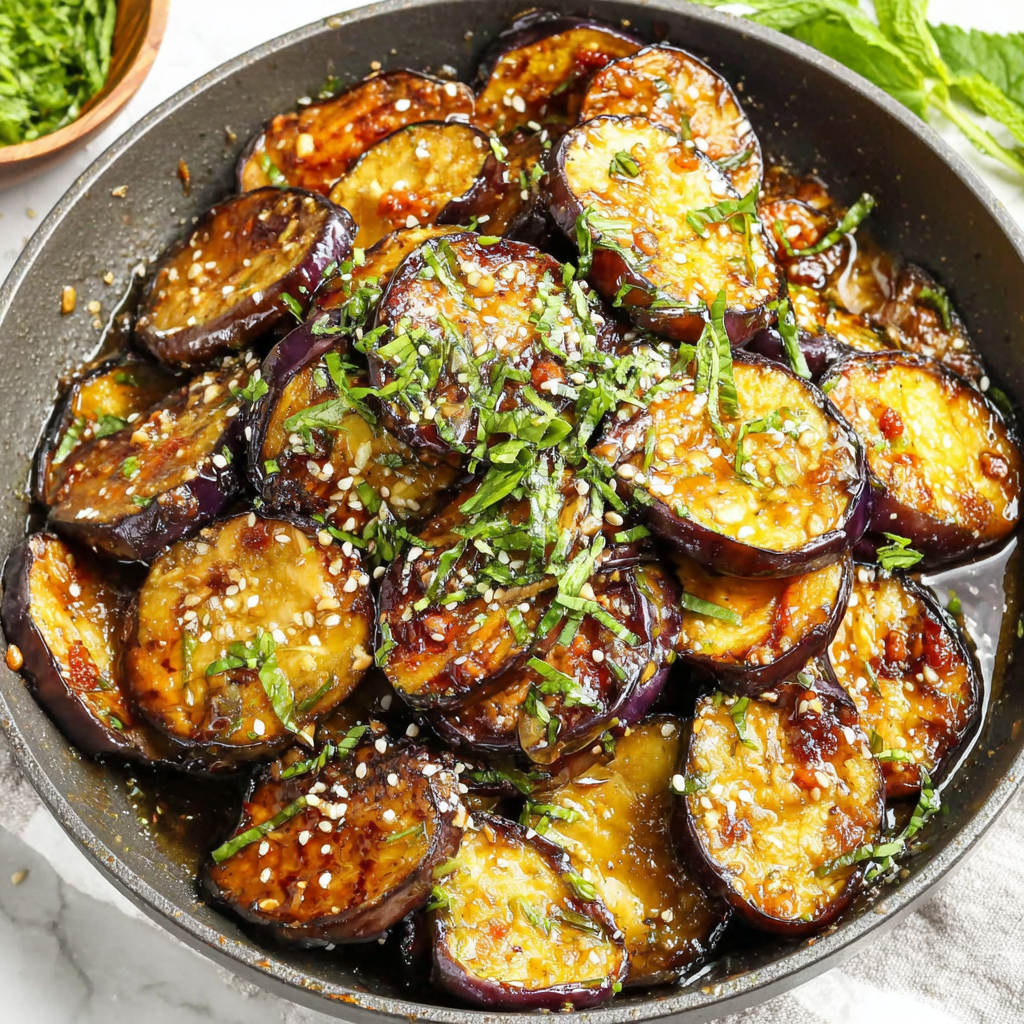
Savory Sautéed Eggplant for Home Cooks
Ingredients
Method
- Prepare the eggplant by slicing it into cubes.
- Sprinkle salt on the eggplant cubes and let them sit.
- Heat olive oil in a large skillet over medium heat.
- Add the eggplant cubes to the skillet in a single layer.
- Sauté until the eggplant is golden and tender.
- Add minced garlic and black pepper.
- Drizzle balsamic vinegar over the eggplant.
- Remove from heat and garnish with fresh basil.
Notes
Additional serving suggestions: pair with a crisp salad, garlic bread, or roasted seasonal vegetables for balance.
For make-ahead, prep components separately and assemble just before heating to preserve texture.
Taste and adjust with acid (lemon/vinegar) and salt right at the end to wake up flavors.