Introduction
Eggplant casserole is a delightful dish that beautifully showcases this often-underappreciated vegetable. With its rich texture and mild flavor, eggplant absorbs seasonings wonderfully, making it a perfect vessel for delicious ingredients.
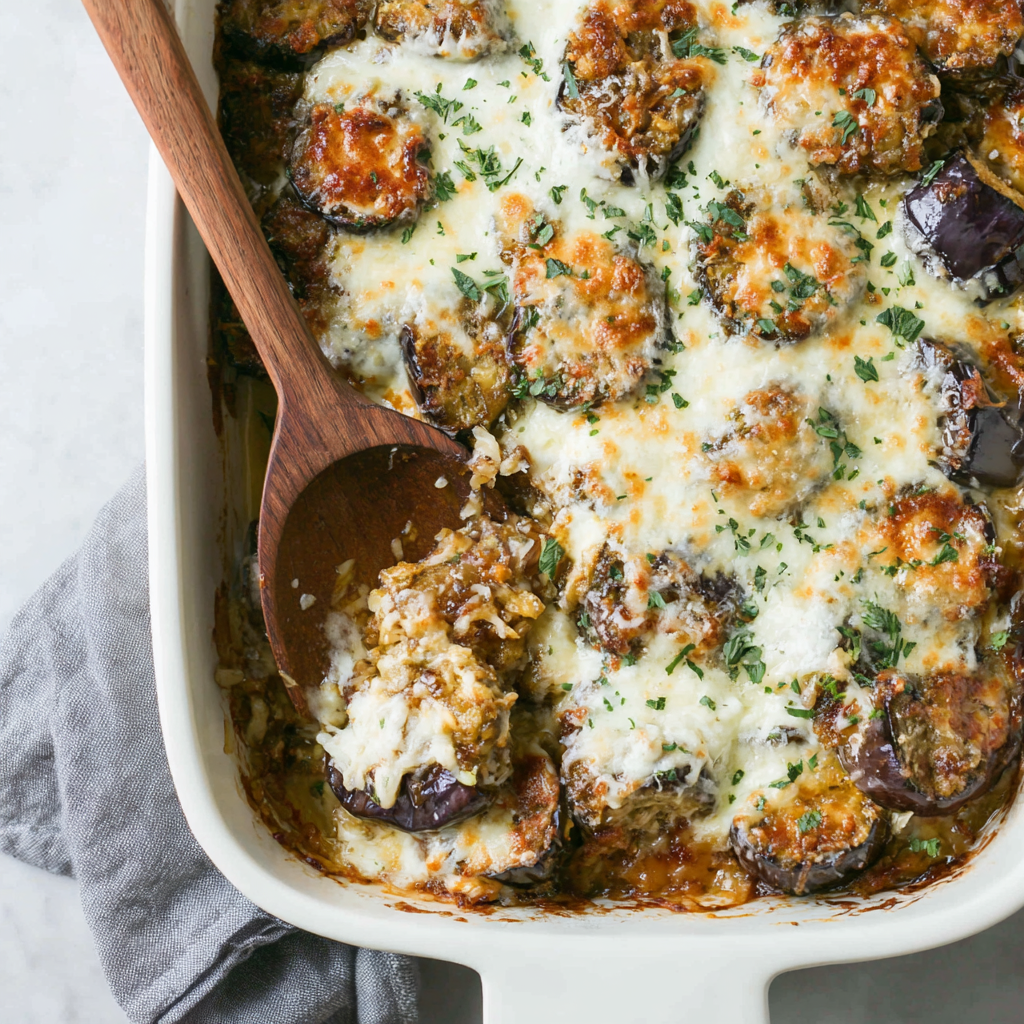
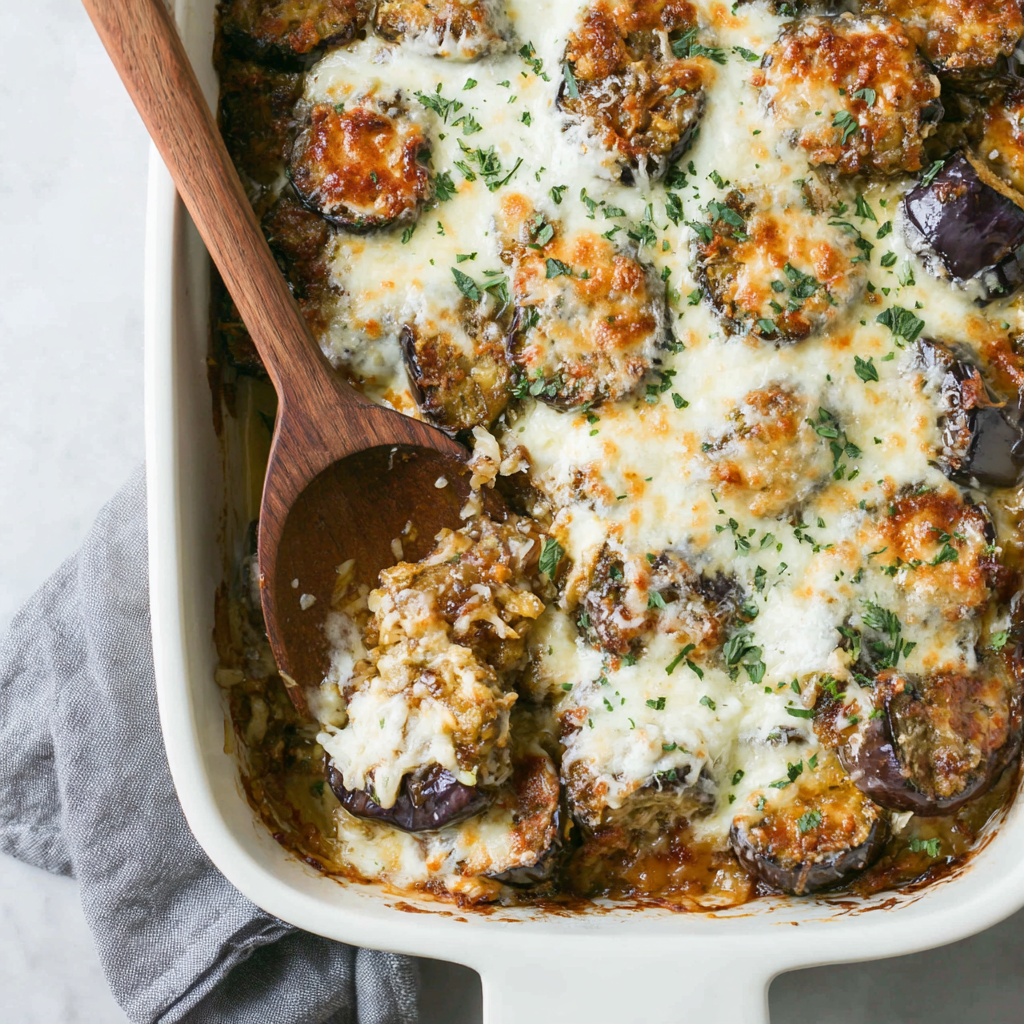
Baked to perfection, this casserole combines layers of sautéed eggplant, marinara sauce, and a blend of cheeses, creating a comforting meal that is perfect for family gatherings or a cozy night in. Its harmonious flavors and inviting aroma will make it a new favorite in your kitchen.
Ingredients
- 2 large eggplants, sliced
Eggplants are the star of the dish, providing a unique texture and flavor. When salted and drained, they become tender and absorb the accompanying flavors beautifully. - 2 cups marinara sauce
The marinara sauce adds moisture and richness to the casserole. Its robust flavors enhance the taste of the eggplant while tying the dish together, creating a delightful taste experience. - 1 cup ricotta cheese
Ricotta adds a creamy, rich texture that contrasts beautifully with the firm eggplant. It also contributes a light, slightly sweet flavor that balances the acidity of the tomato sauce. - 1 cup shredded mozzarella cheese
Mozzarella melts beautifully, creating a deliciously gooey top layer. This cheese provides a satisfying stretch and is a classic choice for enhancing the overall indulgence of the casserole. - 1/2 cup grated Parmesan cheese
Parmesan offers a nutty depth and sharpness to the dish. Its salty, aged flavor complements the other cheeses and enriches the overall taste profile. - 2 tablespoons olive oil
Olive oil is essential for sautéing the eggplants, giving them flavor and helping to soften their texture. It's also a healthier fat choice that enhances the dish's overall richness. - 2 cloves garlic, minced
Garlic infuses the dish with a savory aroma and flavor. Its pungency balances the richness of the cheeses and sauce, adding depth to each bite. - Salt and pepper, to taste
Seasoning is critical in balancing flavors. Salt enhances the natural sweetness of eggplant, while pepper adds a subtle kick to the overall taste.
Directions & Preparation
Step 1: Prepare the eggplants by salting and draining them.
Begin by slicing the eggplants into 1/2-inch rounds. Layer them in a colander, sprinkling salt between the layers. Let them sit for about 30 minutes. This process draws out excess moisture and bitterness, ensuring the eggplants cook evenly and maintain their shape in the casserole.
Step 2: Rinse the salted eggplants and pat them dry.
After the eggplants have drained, rinse them under cold water to remove excess salt. Pat them dry with paper towels. This step is crucial to avoid a salty taste and to ensure that the eggplants roast properly when baked, allowing for a delightful texture.
Step 3: Sauté the eggplants with garlic in olive oil.
In a large skillet, heat the olive oil over medium heat. Add the garlic and sauté until fragrant, then add the eggplant slices. Cook until golden brown and tender, about 8-10 minutes. This step builds flavor through caramelization, making the eggplant deliciously savory.
Step 4: Combine the ricotta and half of the Parmesan cheese in a bowl.
In a medium bowl, mix the ricotta cheese with half of the grated Parmesan. This mixture will add layers of creamy richness to the casserole, enhancing its overall taste. Set this aside until you’re ready to layer the casserole.
Step 5: Begin layering the casserole in a baking dish.
In a greased 9×13 inch baking dish, start with a layer of marinara sauce on the bottom. Then, layer half of the sautéed eggplants, followed by the ricotta mixture, and a sprinkle of mozzarella. Continue layering until all ingredients are used, finishing with marinara and mozzarella on top. These layers create a harmonious blend of textures and flavors.
Step 6: Top with remaining Parmesan and bake.
Sprinkle the remaining Parmesan cheese over the last layer of mozzarella. This will create a golden, crispy crust as it bakes. Cover the dish with aluminum foil and bake in a preheated oven at 375°F for 30 minutes, then remove the foil and bake for an additional 15 minutes. This final step helps to meld the flavors while achieving a beautifully baked top.
Step 7: Let the casserole rest before serving.
Once out of the oven, allow the casserole to rest for at least 10 minutes before serving. This helps the layers firm up and makes it easier to cut and serve, ensuring a picture-perfect slice every time.

The Importance of Salting Eggplant
Salting eggplant is a traditional technique that many cooks overlook, but it significantly impacts the final dish. This process, known as 'sweating,' removes moisture and bitterness from the eggplant. By salting and letting it rest, the eggplants become more tender and flavor-packed, allowing them to soak up the marinara sauce while also preventing the casserole from becoming soggy.
Choosing the Right Marinara Sauce
The choice of marinara sauce can dramatically alter the flavor profile of your casserole. Store-bought sauces vary greatly in quality and taste. Look for one with a wholesome ingredient list and vibrant flavors; a good marinara should taste fresh and slightly tangy. Alternatively, homemade marinara is a fantastic way to customize flavors based on your preferences, giving the dish a personal touch.
Cheese Variations to Consider
While ricotta, mozzarella, and Parmesan are classic choices, don’t hesitate to experiment with different cheeses. For instance, adding a sprinkle of goat cheese or using smoked mozzarella can introduce unique flavors and textures. Mixing in fresh herbs or spicing up your cheese options can add dimension to your eggplant casserole, enhancing its appeal and making it your signature dish.
FAQs
What if my eggplant casserole turns out too watery?
If your casserole is watery, it likely means the eggplant wasn't salted properly or too much liquid was added. Ensure you follow the salting process and consider draining the marinara sauce before layering.
Can I make a vegetarian version by adding more vegetables?
Absolutely! Feel free to include more vegetables like zucchini, bell peppers, or mushrooms to enhance the dish's nutritional value and flavor.
How can I adjust the spice level of the casserole?
To add some heat, consider incorporating crushed red pepper flakes into the marinara sauce or using a spicy sausage if you'd like to boost the flavor even further.
What should I do if my cassserole seems bland?
If you find the casserole bland, enhance the flavor with seasoning. Adding more garlic, herbs like basil or oregano, or even a dash of red wine can elevate the overall taste.
Can I substitute a different type of cheese?
Yes! You can use any cheese that melts well. Try Fontina, Gouda, or even vegan cheese for different flavor profiles while maintaining the creamy texture.
Could I use pre-cooked eggplant for this casserole?
While you can use pre-cooked or frozen eggplant, it’s best to sauté fresh eggplants to observe their optimal texture and flavor. Sautéing helps to achieve the best results.
Conclusion
Eggplant casserole is a versatile dish that can be adapted to suit your taste and dietary preferences. With its comforting layers of flavors and textures, it's sure to please both eggplant lovers and skeptics alike.
Whether enjoyed on a chilly evening or served at a lively gathering, this casserole stands out as a delightful way to showcase one of nature's underappreciated vegetables. So gather your ingredients, dive into this recipe, and enjoy a meal that is as satisfying to make as it is to eat.
Recipe Card
Discover the Comfort of Eggplant Casserole
Ingredients
Method
- Prepare the eggplants by salting and draining them.
- Rinse the salted eggplants and pat them dry.
- Sauté the eggplants with garlic in olive oil.
- Combine the ricotta and half of the Parmesan cheese in a bowl.
- Begin layering the casserole in a baking dish.
- Top with remaining Parmesan and bake.
- Let the casserole rest before serving.
Notes
Additional serving suggestions: pair with a crisp salad, garlic bread, or roasted seasonal vegetables for balance.
For make-ahead, prep components separately and assemble just before heating to preserve texture.
Taste and adjust with acid (lemon/vinegar) and salt right at the end to wake up flavors.