Introduction
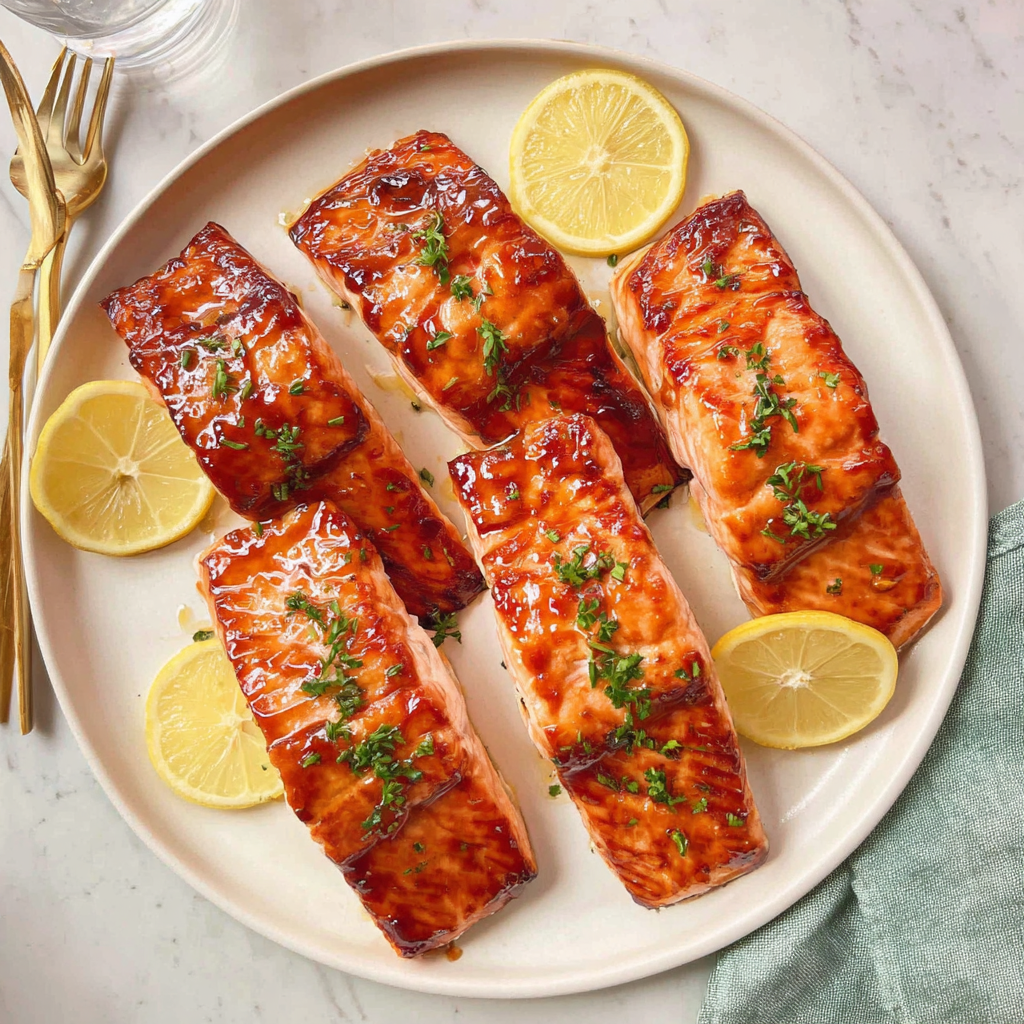
Maple-glazed salmon brings together the rich, buttery taste of salmon with the natural sweetness of maple syrup, resulting in a dish that's sure to impress at any dinner table. Perfect for both casual weeknight meals and special occasions, this delightful recipe highlights the harmony between savory and sweet flavors.
The preparation is straightforward, making it accessible for cooks of all levels. With just a few simple ingredients, you can create a meal that's not only delicious but also visually stunning. This dish pairs beautifully with a variety of sides, enhancing your dining experience.
Ingredients
- 4 salmon fillets (6 oz each)
Salmon is the star of this dish, providing a rich and oily base that absorbs flavors well. Choosing fresh, high-quality salmon fillets ensures a tender, moist outcome. - 1/4 cup pure maple syrup
Maple syrup serves as the unique sweetener in this glaze, offering a deep, complex sweetness that perfectly complements the natural flavors of the salmon. It's important to use pure maple syrup for the best taste. - 2 tablespoons Dijon mustard
Dijon mustard adds a sharp tanginess that balances the sweetness of the maple syrup. This acidity cuts through the richness of the salmon, enhancing the overall flavor profile. - 2 tablespoons soy sauce
Soy sauce brings a salty umami flavor to the glaze, deepening the taste of the dish. It also helps to tenderize the salmon while adding depth and complexity. - 1 tablespoon olive oil
Olive oil aids in cooking the salmon evenly and helps to prevent sticking. It also enhances the overall mouthfeel of the dish without overpowering the other flavors. - 1 teaspoon garlic powder
Garlic powder provides a subtle aromatic depth, adding a savory note that complements the sweetness of the glaze. This ingredient ensures a rounded flavor that enhances the salmon. - Salt and pepper to taste
Seasoning with salt and pepper enhances all the flavors in the dish. It’s important to taste as you go to achieve a well-balanced flavor. - Lemon wedges for serving
Serving with lemon wedges brightens the dish and adds an acidic contrast to the sweet glaze. A squeeze of fresh lemon juice just before eating can elevate the flavors.
Directions & Preparation
Step 1: Preheat the oven to 400°F (200°C).
Preheating the oven is crucial for even cooking and allows the salmon to sear and caramelize properly once it's placed inside. A properly heated oven will help achieve that desired crispy edge on the glaze.
Step 2: Prepare the glaze by mixing maple syrup, Dijon mustard, soy sauce, olive oil, garlic powder, salt, and pepper in a bowl.
Combining these ingredients creates a balanced glaze that melds sweet and savory elements together. Whisking well ensures that the flavors are evenly distributed, contributing to a harmonious taste when applied to the salmon.
Step 3: Line a baking sheet with parchment paper and place the salmon fillets skin-side down.
Lining the baking sheet prevents the salmon from sticking and makes cleanup easier. Placing the fillets skin-side down ensures the skin crisps up nicely while the meat stays moist.
Step 4: Brush the maple glaze generously over the salmon fillets.
Applying the glaze directly onto the salmon allows the flavors to penetrate and caramelize as the salmon cooks. Don’t be shy with the glaze; a generous coating adds flavor and creates that beautiful shiny finish.
Step 5: Bake the salmon in the preheated oven for about 15-20 minutes.
Baking at this temperature allows the salmon to cook through while the glaze thickens and creates a caramelized exterior. Keep an eye on the salmon; it’s done when it flakes easily with a fork but remains just moist inside.
Step 6: Remove the salmon from the oven and let it rest for 5 minutes.
Letting the salmon rest allows the juices to redistribute throughout the fillet, ensuring each bite is moist and flavorful. This brief pause also allows the glaze to set slightly, amplifying the flavor.
Step 7: Serve the salmon with lemon wedges on the side.
Serving with lemon introduces a fresh element that brightens the flavors. Encourage diners to squeeze lemon over their portion; this slight acidity enhances every bite and balances the sweetness of the glaze.

Choosing the Right Salmon
Not all salmon are created equal. Opt for wild-caught salmon when possible, as it tends to have a richer flavor and firmer texture compared to farmed varieties. Additionally, wild-caught salmon often contains higher levels of omega-3 fatty acids, making it a healthier choice. When selecting, look for moist fillets with a vibrant color and minimal odor.
Mastering the Glaze
Achieving the perfect glaze is all about balance. The combination of maple syrup’s sweetness with the tangy touch of Dijon creates a flavor that really elevates the salmon. If your glaze feels too thick, simply whisk in a bit more soy sauce or water to achieve the desired consistency. The right glaze should coat the fish evenly without overwhelming it.
Serving Suggestions
Maple-glazed salmon pairs well with a variety of sides. Consider serving it alongside roasted vegetables, quinoa, or a light salad to complement the dish. Additionally, for a more substantial meal, creamy mashed potatoes or wild rice can provide a wonderful contrast to the sweet and savory flavors. Garnish with fresh herbs for a pop of color and flavor.
FAQs
What should I do if the glaze is too thick?
If the glaze becomes too thick, whisk in a small amount of warm water or additional soy sauce until it reaches your desired consistency. This will help it spread evenly over the salmon.
How do I know if the salmon is overcooked?
Overcooked salmon will appear dry and flaky rather than moist and tender. Ensure you check for doneness around the 15-minute mark or when it flakes easily with a fork.
Can I use honey instead of maple syrup?
Yes, honey can be used as a substitute for maple syrup, though it will impart a different flavor. Keep in mind that honey may caramelize faster, so keep a close eye during cooking.
Is there a way to add more spice to the glaze?
For a spicy kick, consider adding a pinch of cayenne pepper or a few drops of hot sauce to the glaze. Adjust to your heat preference to enhance the dish without overpowering it.
What can I do if I can’t find fresh salmon?
If fresh salmon is unavailable, frozen salmon fillets can be used as well. Just be sure to thaw them completely before cooking and adjust the cooking time slightly if they’re thicker.
Can I grill the salmon instead of baking it?
Absolutely! Grilling the salmon is a fantastic option. Just ensure you oil the grill grates to prevent sticking, and keep the heat moderate to prevent flare-ups.
Conclusion
Maple-glazed salmon is a beautiful dish that showcases the natural flavors of the fish while providing a unique twist with its sweet glaze. It’s versatile enough to be enjoyed on its own or as part of a bigger meal.
With its easy preparation and delightful taste, this recipe is perfect for home cooks looking to impress family or friends. Enjoy the sweet and savory blend, and savor each bite of this delicious creation.
Recipe Card
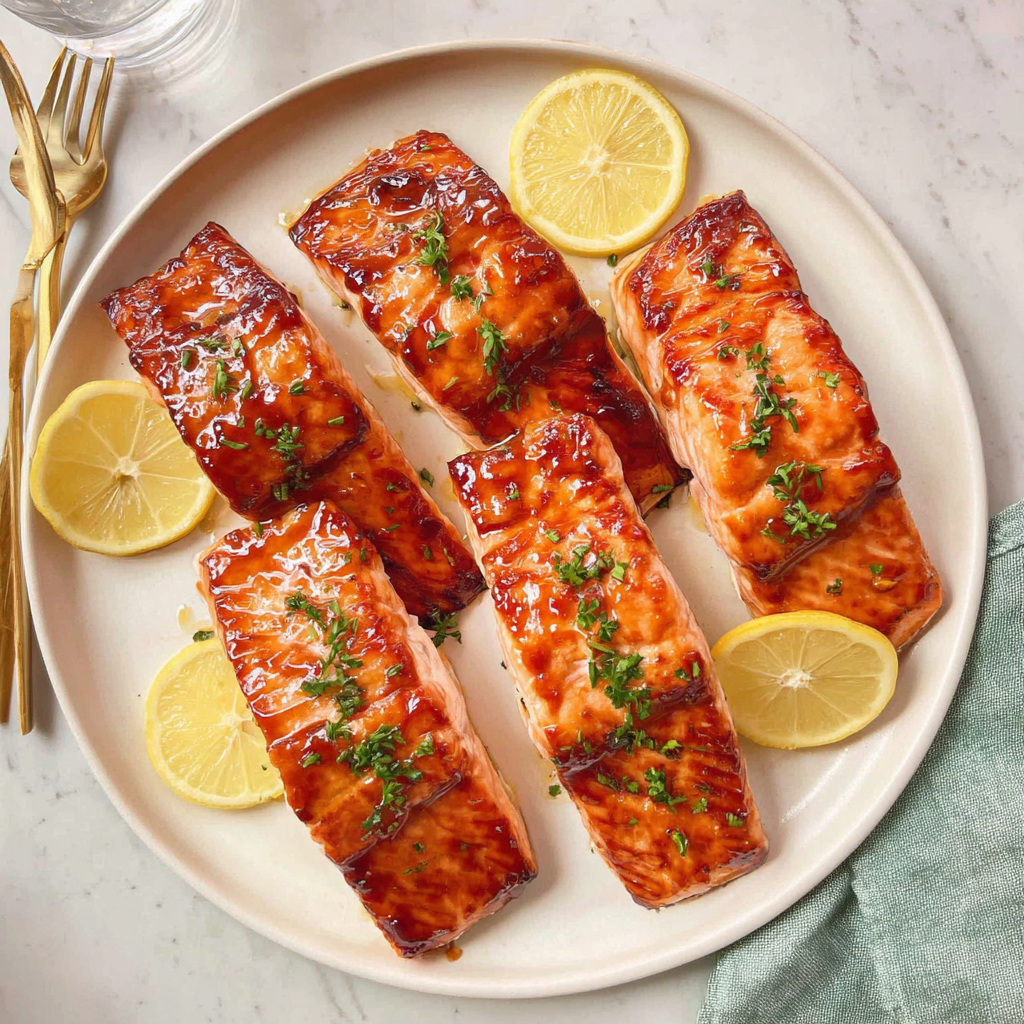
Delicious Maple-Glazed Salmon at Home
Ingredients
Method
- Preheat the oven to 400°F (200°C).
- Prepare the glaze by mixing maple syrup, Dijon mustard, soy sauce, olive oil, garlic powder, salt, and pepper in a bowl.
- Line a baking sheet with parchment paper and place the salmon fillets skin-side down.
- Brush the maple glaze generously over the salmon fillets.
- Bake the salmon in the preheated oven for about 15-20 minutes.
- Remove the salmon from the oven and let it rest for 5 minutes.
- Serve the salmon with lemon wedges on the side.
Notes
Additional serving suggestions: pair with a crisp salad, garlic bread, or roasted seasonal vegetables for balance.
For make-ahead, prep components separately and assemble just before heating to preserve texture.
Taste and adjust with acid (lemon/vinegar) and salt right at the end to wake up flavors.