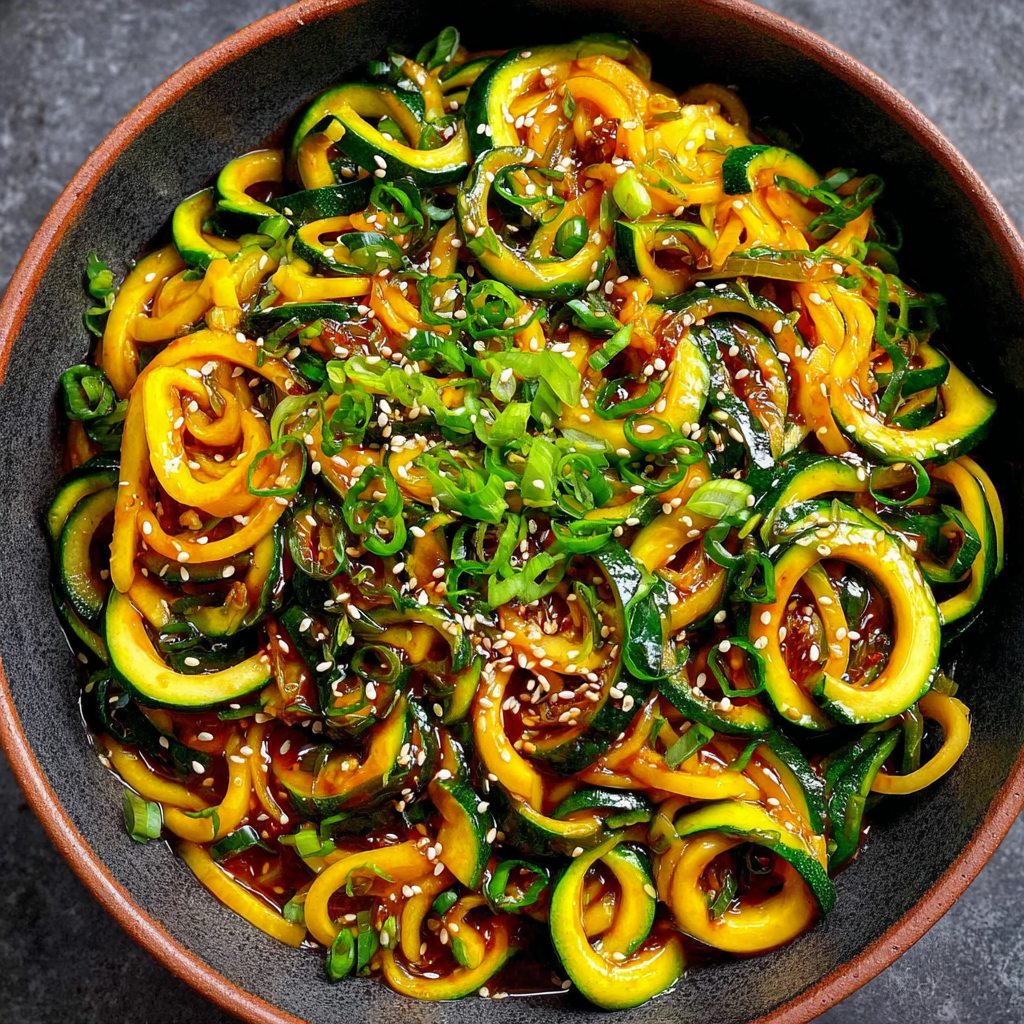
Introduction
Feijoada is a traditional Brazilian stew that embodies the vibrant and diverse culture of Brazil. It's a dish rich in flavors and history, often enjoyed during family gatherings or festive occasions. With roots tracing back to Portuguese cooking, feijoada has evolved into a beloved Brazilian staple, featuring a delightful mix of meats and beans simmered to perfection.
This savory stew is not just a meal; it’s a celebration of culinary heritage. Each ingredient tells a part of the story, from the comforting black beans to the various meats that contribute depth and personality. Making feijoada at home allows you to connect with this delicious tradition while adding your personal touch to the recipe.
Ingredients
- 500g black beans
The foundation of feijoada, black beans provide a hearty texture and earthy flavor. They soak up the spices and meat flavors during cooking, resulting in a rich, savory stew. - 300g pork shoulder
Pork shoulder adds a succulent, tender quality to the dish. Its fat content helps to enrich the broth, contributing to the overall depth of flavor. - 200g smoked sausage
Smoked sausage infuses the stew with a unique, robust flavor. The smokiness complements the beans beautifully, enhancing the dish's overall profile. - 150g chorizo
Chorizo brings a spicy kick to the stew, adding complexity and layers of flavor. Its seasoning and fat contribute richness to the final dish. - 150g beef brisket
Beef brisket is another crucial ingredient that adds a meaty depth to the stew. It becomes tender and flavorful after prolonged cooking. - 1 onion
Onion acts as a foundational aromatic, providing sweetness and depth to the flavor base. It cooks down and melds with the other ingredients, enhancing the overall taste. - 4 cloves garlic
Garlic offers a pungent aroma and robust flavor, essential in Brazilian cuisine. It adds warmth and complexity, complementing the richness of the meats. - 2 bay leaves
Bay leaves contribute a subtle, aromatic flavor that elevates the stew. They infuse the dish during cooking, enhancing the overall complexity. - Salt and pepper
Salt and pepper are crucial for seasoning, enhancing the natural flavors of the beans and meats. Adjusting these to taste allows you to customize the dish. - 2 tbsp olive oil
Olive oil is used for sautéing the vegetables and starting the cooking process. It adds a rich base flavor and helps in browning the meats for added depth.
Directions & Preparation
Step 1: Soak the black beans overnight
Soaking the beans allows them to absorb water, which helps them to cook more evenly and quickly. This step is essential for achieving the right texture in your stew, ensuring the beans are tender and not mushy.
Step 2: Heat olive oil in a large pot over medium heat
Heating the olive oil provides a base for sautéing the aromatics. Using medium heat helps to develop flavors without burning the garlic and onion, which can turn bitter.
Step 3: Add chopped onions and garlic to the pot
Sautéing the onions until translucent and fragrant releases their natural sweetness and aroma, serving as a flavor-building step for the stew. The garlic should be added afterward to avoid burning.
Step 4: Brown the pork shoulder and beef brisket
Browning the meats creates a Maillard reaction, adding depth and complexity to the flavor profile. This step not only enhances the taste but also contributes to the stew's rich color.
Step 5: Stir in the sausage and chorizo
Adding the sausage and chorizo at this stage allows their flavors to meld with the other ingredients. As they cook, they will release their juices and add a rich, savory element to the stew.
Step 6: Add soaked black beans, bay leaves, and enough water to cover
Incorporating the soaked black beans now allows them to absorb the flavors from the meats and aromatics. Adding enough water ensures even cooking and prevents the ingredients from drying out.
Step 7: Season with salt and pepper, then bring to a boil
Seasoning early in the cooking process helps develop flavor layers. Bringing the stew to a boil initiates the cooking of the beans and meats, setting the stage for a robust flavor.
Step 8: Lower the heat and simmer for 2-3 hours
Slow simmering allows the flavors to coalesce and the beans to become tender. Keeping the heat low prevents boiling, which could break apart the beans and make them mushy.
Step 9: Taste and adjust seasoning before serving
Before serving, tasting the dish allows for final adjustments in seasoning. This is key to achieving the desired flavor balance, ensuring a well-seasoned stew.
Step 10: Serve with rice and sliced oranges
Serving feijoada with rice and oranges provides balance, with the citrus cutting through the richness of the stew. This combination enhances the meal, delivering a traditional and satisfying dining experience.

The Importance of Traditional Ingredients
In feijoada, each ingredient plays a crucial role in creating a harmonious dish. Traditional meats like pork, beef, and smoked sausage bring layers of flavor that resonate with Brazilian heritage. The black beans serve as a nourishing base, while spices and aromatics round out the complexity. Using authentic ingredients helps to honor the tradition and lend authenticity to your home-cooked feijoada.
Customizing Your Feijoada
Feijoada is a versatile dish that invites personal customization. Depending on regional preferences, you can experiment with various types of sausages, different cuts of meat, or even vegetarian adaptations. This flexibility means you can adapt the stew to your taste or dietary requirements, ensuring it remains a beloved meal that reflects your personal culinary style.
Pairing and Presentation Ideas
To enhance the feijoada dining experience, consider what you serve alongside it. Traditionally, the stew is accompanied by fluffy white rice, collard greens, and orange slices, which add freshness. For a festive touch, consider setting the table with colorful plates and condiments like hot sauce or finely chopped onions. These elements create a visually appealing and inviting meal that celebrates Brazilian culture.
FAQs
What if my feijoada turns out too thick?
If your feijoada is too thick, add a bit of water or broth, stirring until you reach the desired consistency. This will help maintain the rich flavors while achieving the right texture.
Can I use different beans for feijoada?
While black beans are traditional, you can substitute with pinto or kidney beans if desired. Keep in mind the flavor and texture will differ somewhat, but experimentation can yield delicious results.
What should I do if my feijoada is too bland?
If your feijoada lacks depth, consider adding more salt or a dash of smoked paprika to enhance the flavors. Also, let it simmer a bit longer to deepen the richness.
How can I adjust the recipe for a larger group?
To make feijoada for a larger group, simply scale up the ingredient quantities proportionally. Ensure that your pot is large enough to accommodate the increased volume.
Is there a specific meat I should not omit?
While all meats contribute to the overall flavor, the smoked sausage is particularly important for depth and richness. If you must omit it, consider substituting with a smoky flavor enhancer.
What should I do if my beans are not cooking properly?
If the beans remain tough after the expected cooking time, they may need more soaking time or cooking longer at a low temperature. Make sure to check that they remain submerged in liquid.
Conclusion
Making feijoada at home is a rewarding culinary endeavor that connects you with Brazilian traditions. This hearty dish speaks to warm gatherings and rich flavors, making it perfect for sharing with family and friends.
As you prepare this stew, embrace the opportunity to make it your own, adjusting flavors and ingredients to suit your tastes. Enjoy the process, and don’t hesitate to invite others to join you at the table for a culinary experience that is both comforting and uplifting.
Recipe Card

Classic Feijoada: A Hearty Brazilian Stew
Ingredients
Method
- Soak the black beans overnight
- Heat olive oil in a large pot over medium heat
- Add chopped onions and garlic to the pot
- Brown the pork shoulder and beef brisket
- Stir in the sausage and chorizo
- Add soaked black beans, bay leaves, and enough water to cover
- Season with salt and pepper, then bring to a boil
- Lower the heat and simmer for 2-3 hours
- Taste and adjust seasoning before serving
- Serve with rice and sliced oranges
Notes
Additional serving suggestions: pair with a crisp salad, garlic bread, or roasted seasonal vegetables for balance.
For make-ahead, prep components separately and assemble just before heating to preserve texture.
Taste and adjust with acid (lemon/vinegar) and salt right at the end to wake up flavors.