Introduction
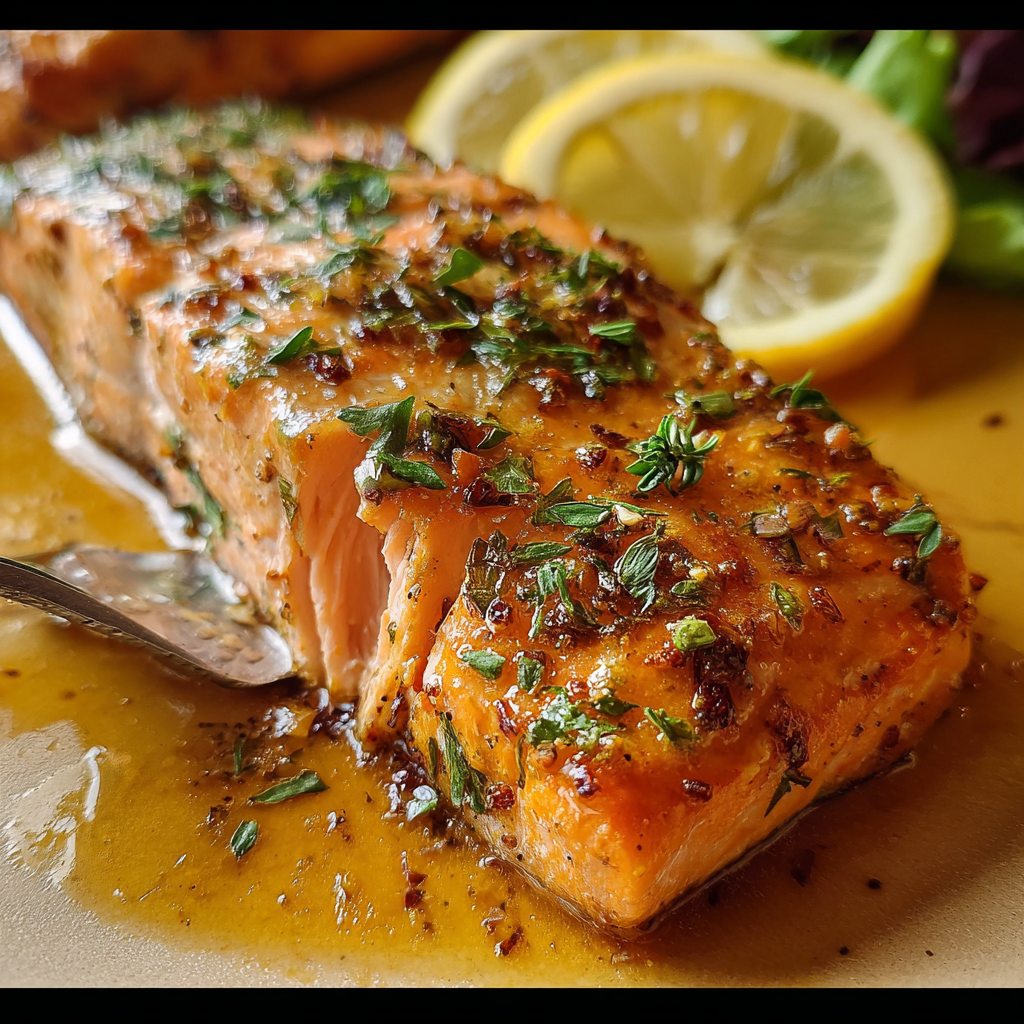
Baked Dijon salmon is a delightfully simple yet sophisticated dish that brings rich flavors to your table. This salmon recipe combines the tanginess of Dijon mustard with herbs and spices, creating a perfect balance that both elevates the salmon and complements its natural taste.
Ideal for weeknight dinners or special occasions, this recipe is not only easy to prepare but also packed with nutrients. With just a few wholesome ingredients, you can create a meal that is both satisfying and impressive.
Ingredients
- 4 salmon fillets (6 oz each)
Rich in omega-3 fatty acids and high-quality protein, salmon serves as a healthy foundation for this dish. The fillets should be skin-on for better moisture retention during baking. - 2 tablespoons Dijon mustard
Dijon mustard adds a lively tang to the dish, enhancing the flavor profile of the salmon. It also helps form a crust when baked, giving the fish a delightful texture. - 1 tablespoon olive oil
Olive oil not only helps in cooking the salmon evenly but also adds richness to the dish. It plays a crucial role in keeping the fillets moist throughout the baking process. - 1 tablespoon honey
Honey provides a touch of sweetness to balance the tanginess of the mustard. This creates a more complex flavor and enhances the overall appeal of the dish. - 1 teaspoon fresh dill (or 1/3 teaspoon dried)
Dill is a classic herb pairing with salmon, adding an aromatic freshness that complements the richness of the fish. Fresh dill elevates the dish, while dried dill still brings good flavor. - Salt and pepper to taste
These basic seasonings are essential for enhancing the natural flavors of the salmon. They also help to balance the richness from the olive oil and sweetness from the honey. - Lemon wedges for serving
Lemon adds a burst of brightness when squeezed over the finished dish. This acidity cuts through the richness and enhances the overall flavor experience.
Directions & Preparation
Step 1: Preheat the oven to 400°F (200°C).
Preheating the oven ensures that the salmon cooks evenly and reaches the desired internal temperature. A hot oven also aids in achieving a slight caramelization on the surface, enhancing both flavor and texture.
Step 2: Prepare a baking dish by lightly greasing it with olive oil.
Greasing the dish prevents the salmon from sticking and ensures easy cleanup. It also adds an extra layer of flavor to the salmon while it cooks, allowing for a more appealing crust to form.
Step 3: In a small bowl, mix the Dijon mustard, honey, olive oil, dill, salt, and pepper together.
This step creates the flavorful marinade that will coat the salmon. Combining these ingredients allows the mustard and honey to meld, ensuring an even distribution of flavor across the fish.
Step 4: Place the salmon fillets in the prepared baking dish, skin side down.
Arranging the salmon skin side down helps protect the delicate flesh from overcooking. The skin also adds moisture, preventing the fish from drying out as it bakes.
Step 5: Spread the Dijon mixture over the fillets, making sure to coat them evenly.
Evenly coating the fillets ensures that each bite of salmon is infused with the tangy sweetness of the mustard and honey blend. This layer not only amps up flavor but also creates a delicious crust as it bakes.
Step 6: Bake the salmon in the preheated oven for 12-15 minutes.
Baking at this temperature allows the salmon to cook through while remaining tender and juicy. The cooking time may vary slightly depending on the thickness of the fillets, so keep an eye on them as they approach the 12-minute mark.
Step 7: Remove the salmon from the oven and let it rest for a couple of minutes.
Resting the salmon allows the juices to redistribute throughout the fish, enhancing the moisture and flavor. This step is crucial to avoid a dry or crumbly texture when serving.
Step 8: Serve the salmon with lemon wedges on the side.
Serving lemon wedges allows diners to add a refreshing brightness to the dish. The acidity not only enhances flavor but also helps cut through the richness of the salmon, making each bite more enjoyable.

The Wonderful Benefits of Salmon
Salmon is renowned for its health benefits, primarily due to its rich omega-3 fatty acids, which support heart health and cognitive function. Additionally, salmon is packed with high-quality protein, essential vitamins like B12, and minerals such as selenium, contributing to overall wellness. Incorporating salmon into your diet can have a profound positive impact on your health and is a great way to include more nutritional value in your meals.
Balancing Flavors: The Role of Dijon and Honey
The interplay between the tangy mustard and sweet honey is what makes this baked salmon recipe sing. While Dijon mustard offers a sharp bite that complements the natural oils in the salmon, honey counteracts with just the right amount of sweetness. This balance not only enhances the flavor but also appeals to a variety of palates, making the dish enjoyable for everyone at the table.
Elevate Your Salmon with Fresh Herbs
Herbs like dill play an essential role in taking baked salmon to the next level. Fresh herbs add an aromatic complexity that enhances the dish's overall flavor profile. Dill, in particular, harmonizes beautifully with the salmon, providing an earthy note that rounds out the richness of the fish and the zingy Dijon dressing. Consider experimenting with different herbs such as parsley or thyme to find your perfect pairing.
FAQs
What are the signs that the salmon is cooked through?
The salmon is done when it flakes easily with a fork and has an opaque appearance throughout. Using a meat thermometer, it should reach an internal temperature of 145°F.
Can I use a different type of fish with this recipe?
Yes, while salmon works exceptionally well, other fish like trout or snapper can be used. Adjust the baking time based on the type and thickness of the fish.
My Dijon glaze came out too thick; what should I do?
If your glaze is too thick, you can thin it out by gradually adding a small amount of additional olive oil or water until you achieve the desired consistency.
What if I find the dish bland after baking?
If you find the dish bland, try adding a pinch more salt or a squeeze of fresh lemon juice to brighten the flavors. Always taste before serving!
Conclusion
Baked Dijon salmon is not only a treat for the taste buds but also an accessible meal for home cooks seeking to impress. With its blend of tangy, sweet, and aromatic flavors, this dish exemplifies how simple ingredients can yield extraordinary results.
Whether served for family dinners or special gatherings, this dish is sure to be a hit. Embrace the natural flavors of salmon and the delightful combination with Dijon mustard, and enjoy this culinary adventure right in your kitchen.
Recipe Card
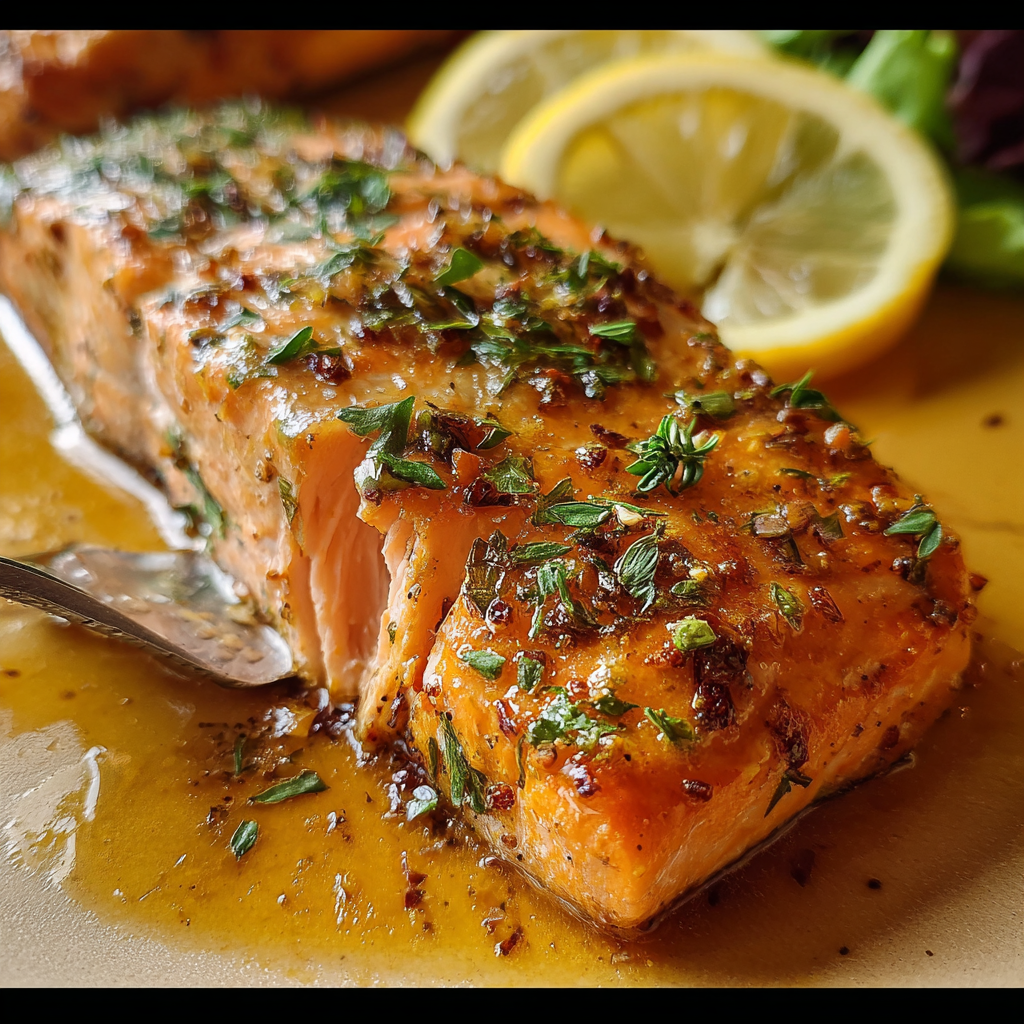
Flavorful Baked Dijon Salmon for Home Cooks
Ingredients
Method
- Preheat the oven to 400°F (200°C).
- Prepare a baking dish by lightly greasing it with olive oil.
- In a small bowl, mix the Dijon mustard, honey, olive oil, dill, salt, and pepper together.
- Place the salmon fillets in the prepared baking dish, skin side down.
- Spread the Dijon mixture over the fillets, making sure to coat them evenly.
- Bake the salmon in the preheated oven for 12-15 minutes.
- Remove the salmon from the oven and let it rest for a couple of minutes.
- Serve the salmon with lemon wedges on the side.
Notes
Additional serving suggestions: pair with a crisp salad, garlic bread, or roasted seasonal vegetables for balance.
For make-ahead, prep components separately and assemble just before heating to preserve texture.
Taste and adjust with acid (lemon/vinegar) and salt right at the end to wake up flavors.