Introduction
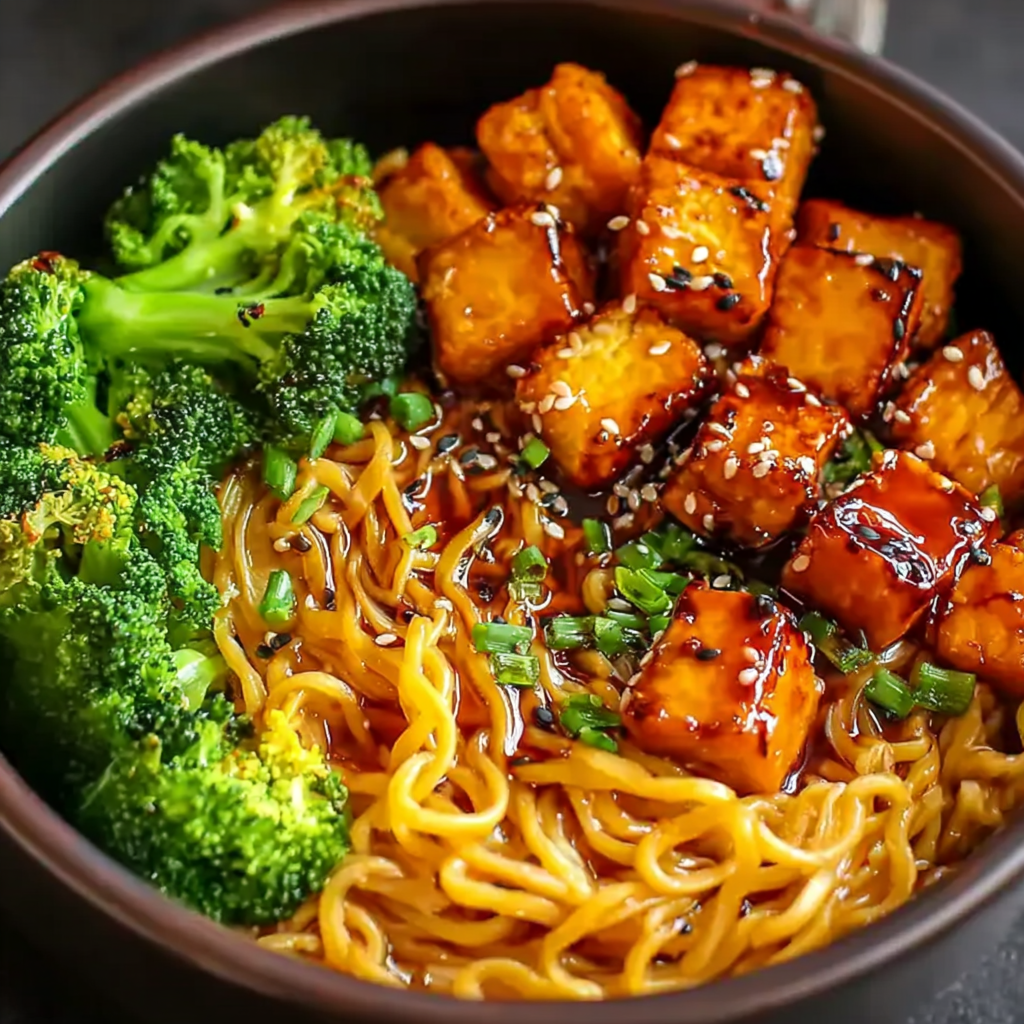
The Vegan Teriyaki Noodle Bowl is a delightful dish that combines vibrant flavors and textures, creating a satisfying meal for any time of the day. It's a plant-based recipe that bursts with umami notes from the homemade teriyaki sauce, perfectly complementing the fresh vegetables and hearty noodles.
Whether you're a seasoned vegan cook or someone looking to explore plant-based meals, this dish offers an easy yet impressive way to sneak in more greens and whole foods. A well-prepared bowl can transform humble ingredients into a feast that's both nourishing and delicious.
Ingredients
- 200g rice noodles
Rice noodles serve as the base of this dish, providing a gluten-free alternative that absorbs flavors beautifully and offers a light texture. - 1 tablespoon sesame oil
This oil adds a rich, nutty flavor that enhances the overall taste of the dish while also giving a pleasant sheen to the noodles. - 1 red bell pepper, sliced
Red bell peppers contribute a sweet crunch to the bowl along with a vibrant color, making the dish visually appealing. - 1 cup broccoli florets
Broccoli not only adds nutritional value but also a satisfying crunch, helping to create a balanced texture throughout. - 1 carrot, julienned
Carrots bring sweetness and a tender-crisp bite after cooking, helping to round out the array of vegetables in the bowl. - 2 green onions, chopped
Green onions provide a fresh, mild onion flavor, which enhances the overall taste and adds a splash of color. - 1 cup snow peas
Snow peas introduce a snap element to the dish, adding freshness along with important vitamins and minerals. - 4 tablespoons soy sauce
This provides the salty umami flavor that is essential for a rich teriyaki sauce, enhancing the dish's depth. - 2 tablespoons maple syrup
Maple syrup adds a touch of sweetness that balances the saltiness of the soy sauce, mimicking traditional teriyaki flavors. - 1 tablespoon rice vinegar
Rice vinegar adds a hint of acidity that brightens the flavors and cuts through the richness of the sauce. - 1 tablespoon cornstarch mixed with 2 tablespoons water
This mixture acts as a thickener, giving the teriyaki sauce a silky consistency that coats the noodles and vegetables well.
Directions & Preparation
Step 1: Cook the rice noodles according to the package instructions.
Cooking the rice noodles properly is essential for achieving the right texture. Overcooking can lead to mushy noodles, while undercooking can leave them too firm. After cooking, rinse them under cold water to stop the cooking process and separate the noodles.
Step 2: Heat sesame oil in a large skillet over medium heat.
Heating the sesame oil prepares it for sautéing, allowing the oils to release their flavor. Ensure the pan is hot enough to quickly cook the vegetables without steaming them, helping to retain their color and nutrients.
Step 3: Add the sliced bell pepper, broccoli, and carrots to the skillet.
This step helps to start softening the vegetables while allowing their natural flavors to meld together. Stir frequently to ensure even cooking and prevent browning, creating a beautifully vibrant medley.
Step 4: Incorporate snow peas and green onions, then sauté for another 2-3 minutes.
Adding snow peas and green onions later preserves their crunch and freshness. This final sauté ensures that all vegetables are cooked just enough to enhance their flavors while keeping the textures varied.
Step 5: In a small bowl, mix soy sauce, maple syrup, rice vinegar, and cornstarch mixture.
Combining these ingredients creates a homemade teriyaki sauce that balances sweet, salty, and tangy notes. The cornstarch helps to thicken the sauce, ensuring it clings beautifully to the noodles and vegetables.
Step 6: Pour the teriyaki sauce over the vegetables, stirring well to combine.
This step is crucial for ensuring that every vegetable is evenly coated in the rich teriyaki sauce. Stirring at this stage allows the flavors to meld together, creating a cohesive dish.
Step 7: Add the cooked rice noodles to the skillet, tossing to coat them in the sauce.
Tossing the noodles with the sautéed vegetables and sauce is key to achieving a well-distributed flavor profile. It ensures that every bite contains the satisfying blend of the noodle's texture and the tangy sauce.
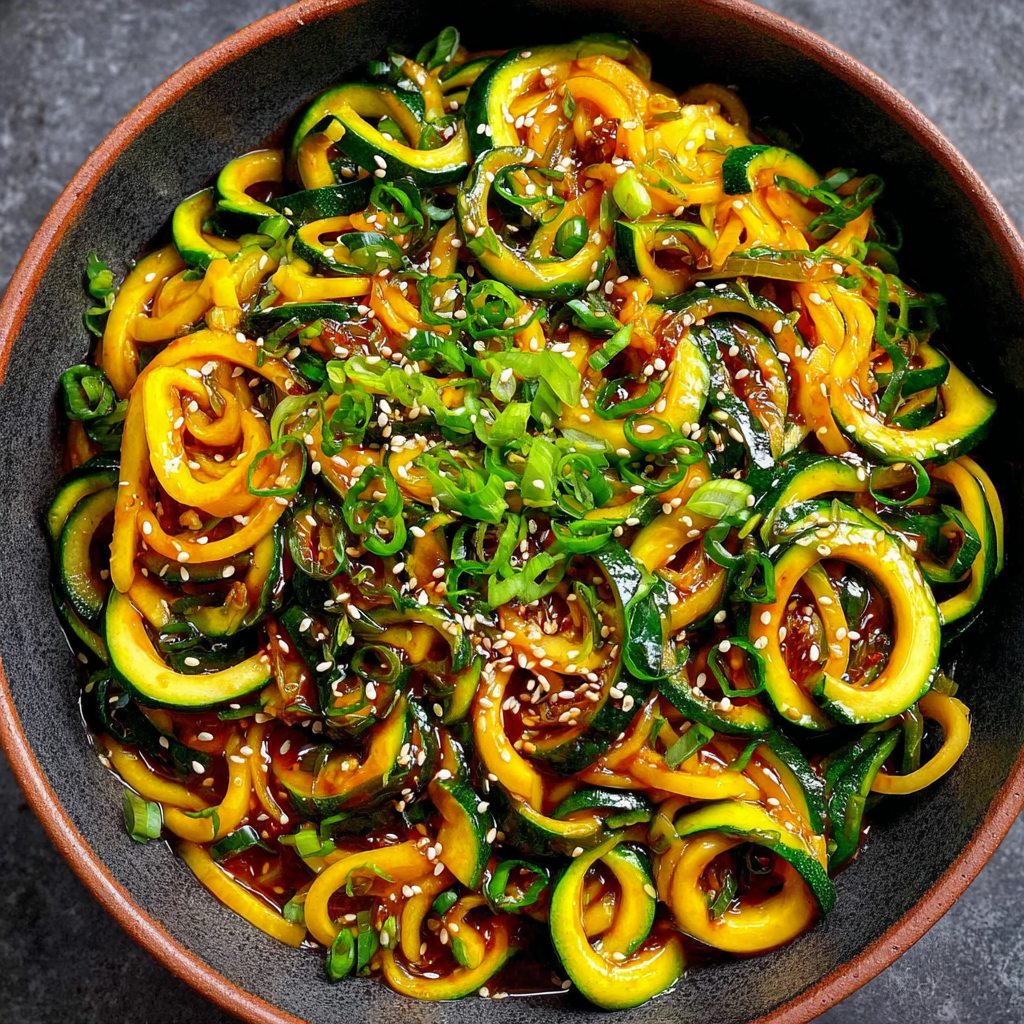
Step 8: Serve hot, garnished with additional green onions or sesame seeds if desired.
Garnishing with extra green onions or sesame seeds adds a final touch of flavor and texture. Serving the bowl hot encourages the enjoyment of the dish at its best, allowing the flavors to shine.

Creating the Perfect Teriyaki Sauce
The essence of this Vegan Teriyaki Noodle Bowl lies in its teriyaki sauce, which brings all components together. Homemade sauces generally taste fresher and more vibrant than store-bought options. Balancing soy sauce, maple syrup, and rice vinegar is crucial; you want a harmony of savory and sweet, along with that touch of acidity to enhance all the flavors.
The Importance of Texture in Noodle Bowls
A well-crafted noodle bowl goes beyond just flavors; texture plays a vital role. The contrast of soft noodles against crisp vegetables ensures an enjoyable eating experience. Each ingredient's cut impacts its bite—thin strips of carrots or bell pepper maximize crunch and reduce cooking time, making your dish not only visually appealing but also interesting to chew.
Customizing Your Bowl with Seasonal Vegetables
One of the great joys of a noodle bowl is its versatility. Feel free to swap in seasonal vegetables according to what you have on hand. Whether it's zucchini in the summer or kale in winter, each addition brings new flavors and colors, making every bowl unique. Explore your local farmers' market for the freshest ingredients that can elevate your dish.
FAQs
What can I do if my teriyaki sauce is too thick?
If the teriyaki sauce turns out too thick, simply add a splash of water or vegetable broth while it's cooking to thin it out to your desired consistency.
How can I enhance the flavor if my dish seems bland?
To boost the flavor of your Vegan Teriyaki Noodle Bowl, try adding more soy sauce, a dash of sesame oil, or a sprinkle of chili flakes for heat.
Can I vary the vegetables used in this noodle bowl?
Absolutely! Feel free to mix in different vegetables according to your preference or what is in season, such as mushrooms, spinach, or bok choy.
What's a good protein addition for this noodle bowl?
Consider adding tofu, tempeh, or edamame to this bowl for a protein boost. These options complement the teriyaki flavors well.
Can I prepare the ingredients in advance?
Yes, you can chop vegetables and prepare the teriyaki sauce ahead of time. Keep them stored separately in the fridge until you’re ready to cook.
What is the best way to serve leftovers?
For leftovers, it's best to reheat everything in a skillet over medium heat, adding a splash of water or sauce to rejuvenate the dish without hardening the noodles.
Conclusion
A Vegan Teriyaki Noodle Bowl not only satisfies your cravings but also allows for creative expression in the kitchen. By choosing fresh, seasonal ingredients, every bowl can be a delightful twist tailored to your tastes.
With its balance of textures and flavors, this dish is perfect for weeknight dinners or meal prep. Give it a try; you might find this recipe becoming a staple in your home kitchen.
Recipe Card
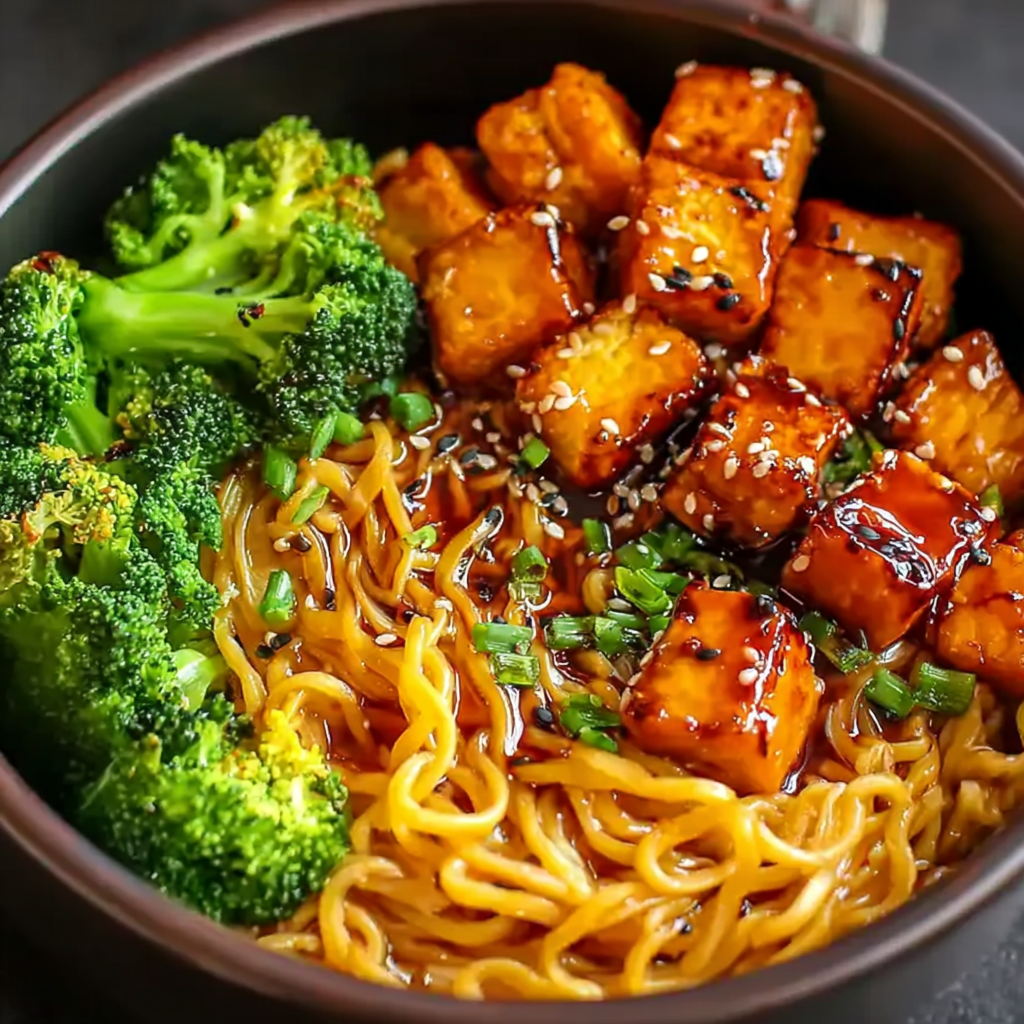
Delicious Vegan Teriyaki Noodle Bowl Recipe
Ingredients
Method
- Cook the rice noodles according to the package instructions.
- Heat sesame oil in a large skillet over medium heat.
- Add the sliced bell pepper, broccoli, and carrots to the skillet.
- Incorporate snow peas and green onions, then sauté for another 2-3 minutes.
- In a small bowl, mix soy sauce, maple syrup, rice vinegar, and cornstarch mixture.
- Pour the teriyaki sauce over the vegetables, stirring well to combine.
- Add the cooked rice noodles to the skillet, tossing to coat them in the sauce.
- Serve hot, garnished with additional green onions or sesame seeds if desired.
Notes
Additional serving suggestions: pair with a crisp salad, garlic bread, or roasted seasonal vegetables for balance.
For make-ahead, prep components separately and assemble just before heating to preserve texture.
Taste and adjust with acid (lemon/vinegar) and salt right at the end to wake up flavors.