Introduction
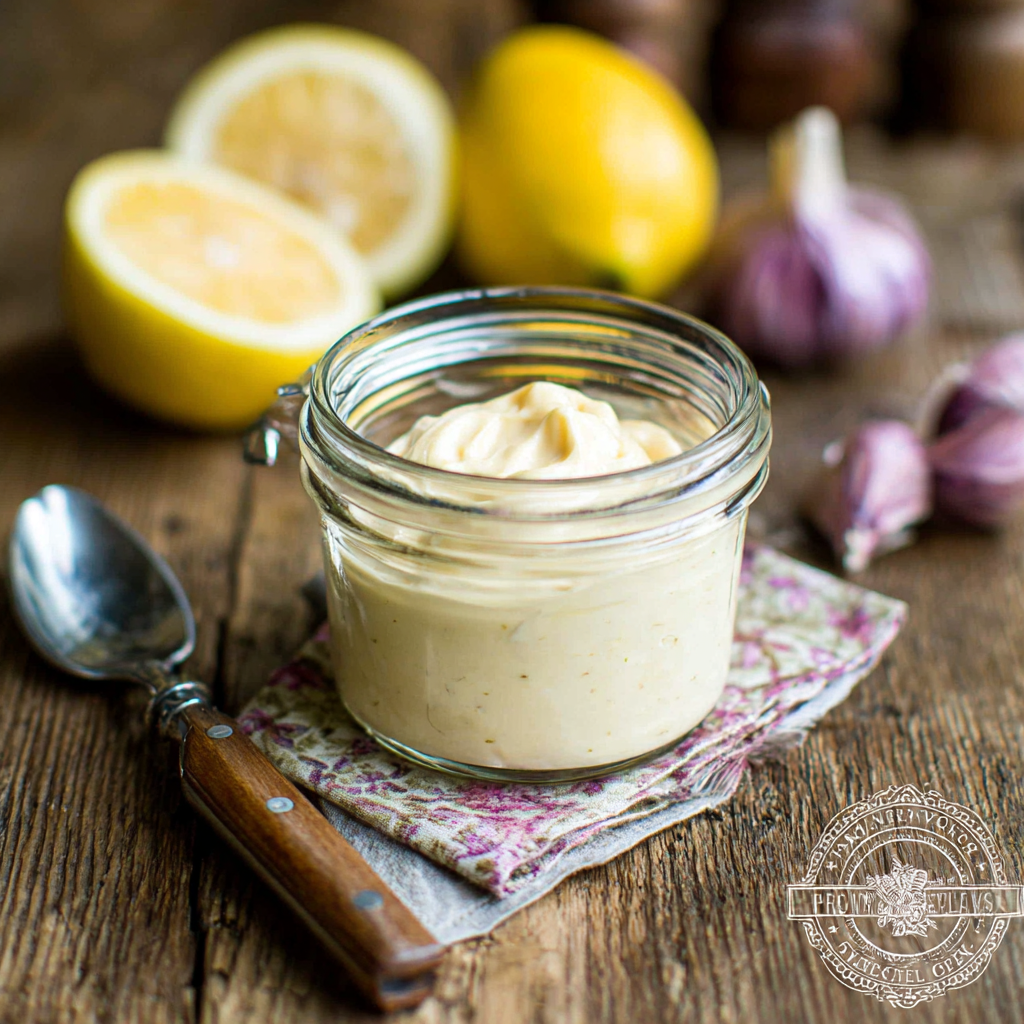
Homemade mayonnaise is a culinary treasure, offering a rich, creamy option that far surpasses store-bought versions. Its smooth texture and vibrant flavor can elevate countless dishes, from sandwiches to salads. While this emulsion might seem intimidating, the process is quite simple, and the results are exceptionally rewarding.
Creating mayonnaise at home allows for personalization; you can experiment with flavors, adjust the acidity, and control the ingredients. When made fresh, mayonnaise can be a gauge of culinary pride, acting as a delicious canvas for creativity in the kitchen. Let’s delve into the essential components and steps needed to create this classic condiment.
Ingredients
- 1 large egg yolk
The egg yolk is crucial as it contains emulsifiers that allow oil and water to blend smoothly. It also contributes a rich flavor and color to the mayonnaise. - 1 tablespoon Dijon mustard
Dijon mustard not only adds a distinctive tang but also helps stabilize the emulsion, making it more forgiving during preparation. Its sharp flavor amplifies the overall profile. - 1 tablespoon white wine vinegar or lemon juice
The acidity from vinegar or lemon juice balances the richness of the mayonnaise and enhances the flavor. It also plays a significant role in the emulsification process. - 1 cup neutral oil (like canola or grapeseed)
Neutral oils provide the base for the mayonnaise, creating its signature creamy texture. Choose a light oil to let the other flavors shine without overpowering them. - Salt to taste
Salt is essential in enhancing the flavor of the mayonnaise, rounding out its taste. Adjusting the amount allows you to tailor it to your personal preference.
Directions & Preparation
Step 1: Start with the egg yolk in a bowl.
Place the egg yolk in a medium-sized mixing bowl. It’s important to ensure that your bowl and whisk are clean and dry to avoid any unwanted interference in the emulsification process. At room temperature, the yolk will work better to incorporate air and increase volume during whisking.
Step 2: Add Dijon mustard and vinegar or lemon juice.
Stir in the Dijon mustard and the vinegar (or lemon juice) with the egg yolk. These ingredients not only add flavor but also help stabilize the emulsion by encouraging the blending of oil and liquid components. Whisk the mixture until fully combined, introducing air into the mix, which is vital for a fluffy mayonnaise.
Step 3: Begin to drizzle in the oil slowly.
With one hand, start whisking the mixture vigorously while gradually drizzling in the oil with the other hand. This slow addition allows the oil to emulsify with the yolk mixture properly, leading to a thick and creamy texture. Patience is key; if added too quickly, the mayonnaise may break.
Step 4: Continue whisking until creamy.
As the oil is incorporated, you'll notice the mixture thickening. Maintain a steady pace to ensure all oil is absorbed. If it becomes too thick, you can thin it out with a teaspoon of water. The completion of this step is crucial as it determines the texture of your mayonnaise.
Step 5: Season with salt to taste.
Once your mayonnaise reaches a thick, creamy consistency, it’s time to season. Taste and add salt incrementally, mixing well after each addition. The right balance of salt will enhance the overall flavor, making it versatile enough to pair with many dishes. Adjust the acidity if necessary to suit your palate.
Step 6: Store or use immediately.
Transfer your freshly made mayonnaise into a clean jar or airtight container. It can be used right away or stored in the refrigerator for up to a week. Ensuring proper storage is critical; always use clean utensils to avoid contamination and maximize freshness.

Flavored Variations of Mayonnaise
Once you've mastered the basic mayonnaise recipe, the real fun begins with flavoring it to suit your dishes. You can add roasted garlic for a savory twist, fresh herbs like dill or basil for a fragrant kick, or even hot sauce for a spicy punch. Each variation not only changes the flavor but can transform a simple condiment into the star of your meal.
Maintaining the Perfect Emulsion
Achieving an ideal emulsion is key to successful mayonnaise. Be conscious of the temperature of your ingredients; room temperature egg yolks blend more effectively with oil. If your mixture breaks, often indicated by a grainy texture, add another yolk and whisk vigorously; pour the broken mayonnaise into the new mixture slowly for rescue.
Creative Uses Beyond the Sandwich
Homemade mayonnaise isn't just for sandwiches. Use it as a base for creamy salad dressings, a dip for vegetables, or to enhance potato and pasta salads. You can even elevate simple fish or chicken dishes by using mayonnaise as a marinade or coating before baking, lending moisture and flavor like no other.
FAQs
What should I do if my mayonnaise is too thick?
If your mayonnaise is too thick, you can thin it out by whisking in a small amount of water, a teaspoon at a time, until it reaches your desired consistency.
Can I substitute the neutral oil for olive oil?
Yes, you can use olive oil for a more robust flavor, but keep in mind it might change the taste profile of your mayonnaise.
Is there a way to rescue broken mayonnaise?
If your mayonnaise breaks, it means the oil and egg yolk have separated. You can try adding a new yolk to a clean bowl and slowly whisking in the broken mayonnaise to re-emulsify.
How can I make it tangier?
To increase the tanginess, consider adding more lemon juice or vinegar, adjusting to taste after the mayonnaise has been made.
What if my mayonnaise tastes bland?
If your mayonnaise is lacking in flavor, try adding more salt and acid (lemon juice or vinegar) to enhance the overall taste profile.
Can I use different types of mustard?
Absolutely! Different mustards, like whole grain or spicy brown, can change the flavor profile of your mayonnaise, allowing for creative experimentation.
Conclusion
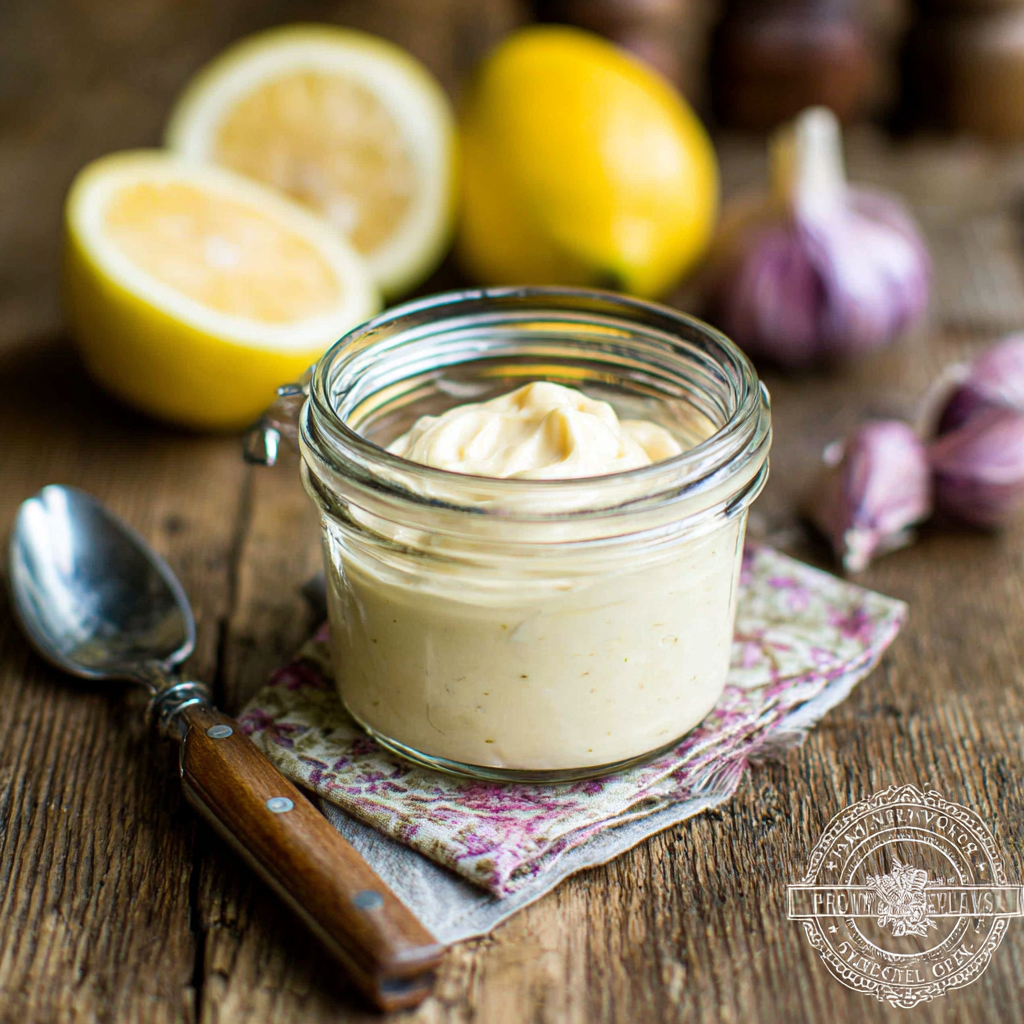
Making mayonnaise at home allows for a personalized touch that can truly enhance your culinary creations. With just a few simple ingredients and some patience, you can create a rich and creamy condiment that stands out from the commercial varieties.
Don’t hesitate to experiment with flavors and use your homemade mayonnaise in various dishes. Its versatility is unmatched, and once you get the hang of it, you’ll find yourself reaching for it time and time again.
Recipe Card
Crafting Velvety Homemade Mayonnaise at Home
Ingredients
Method
- Start with the egg yolk in a bowl.
- Add Dijon mustard and vinegar or lemon juice.
- Begin to drizzle in the oil slowly.
- Continue whisking until creamy.
- Season with salt to taste.
- Store or use immediately.
Notes
Additional serving suggestions: pair with a crisp salad, garlic bread, or roasted seasonal vegetables for balance.
For make-ahead, prep components separately and assemble just before heating to preserve texture.
Taste and adjust with acid (lemon/vinegar) and salt right at the end to wake up flavors.