Introduction
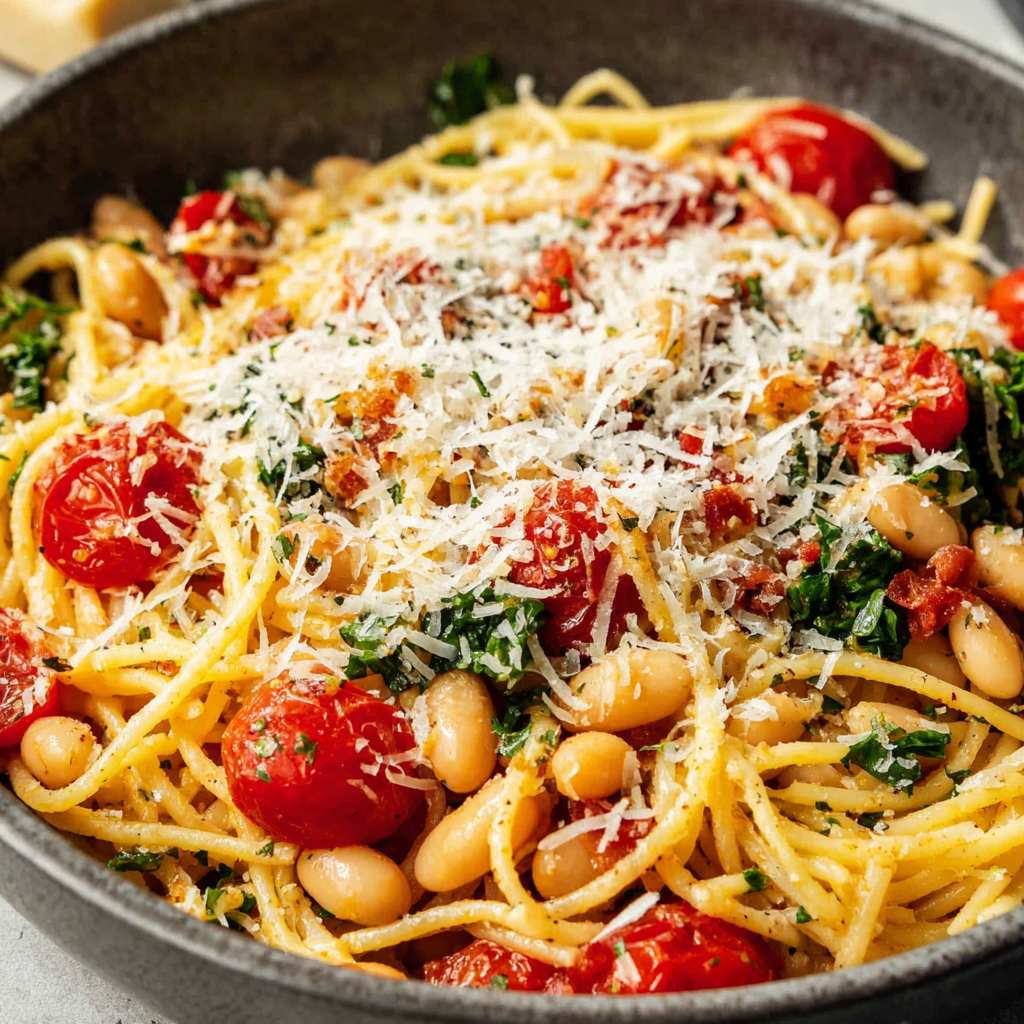
White bean pasta is not just a delicious alternative to traditional carbs; it’s a nutrient powerhouse that elevates your weeknight meals. Packed with fiber and protein, it offers a hearty texture and a creamy taste that pairs beautifully with a variety of sauces and ingredients.
Making your own white bean pasta or choosing pre-made varieties can add an exciting twist to your everyday cooking. Whether you’re looking to impress guests or enjoy a simple family dinner, this pasta is versatile enough for any culinary adventure.
Ingredients
- 2 cups white beans, cooked
White beans provide a creamy texture and a host of nutrients, including fiber and protein. They form the base of this pasta, contributing to both its flavor and health benefits. - 1 ½ cups all-purpose flour
All-purpose flour gives the pasta structure and helps it to hold together. It balances the moisture from the beans, making it easier to knead and roll out into sheets. - 1 large egg
Eggs add richness and help bind the ingredients together. They also incorporate air into the dough, making it light and easier to work with. - 1 tablespoon olive oil
Olive oil adds flavor and moisture, enhancing the pasta’s taste and texture. It helps to prevent the dough from drying out during the rolling process. - Salt to taste
Salt not only enhances flavor but also strengthens the gluten in the flour, contributing to the pasta’s chewiness. It balances the earthiness of the white beans. - 1 cup vegetable broth or water
Adding broth or water helps to incorporate all ingredients smoothly. Using broth enhances the flavor profile, making the pasta even more delicious and savory.
Directions & Preparation
Step 1: Prepare the white bean mixture.
Start by mashing the cooked white beans in a large bowl until they are smooth but still have some texture. This provides a rich base for your pasta. If you prefer more flavor, you can mix in herbs or garlic at this stage.
Step 2: Mix in the dry ingredients.
Add the all-purpose flour and salt to the mashed beans. Use a fork to combine the ingredients until they form a shaggy dough. This step is crucial, as it allows the flour to absorb moisture from the beans, creating a cohesive mixture.
Step 3: Incorporate the egg and oil.
Make a well in the center of the dough, then add in the egg and olive oil. Using your hands, combine everything until a soft dough forms. It's important not to overmix; you want a tender texture that will yield a delicious pasta.
Step 4: Knead the dough.
Lightly flour your work surface and begin kneading the dough for about 5-7 minutes. This process develops the gluten, making the pasta chewy. If the dough is sticky, sprinkle a little more flour as needed to prevent sticking.
Step 5: Roll out the dough.
Divide the dough into manageable portions. Roll each piece on a floured surface to your desired thickness. A pasta machine can be used for even thickness and an easier rollout. Aim for thin sheets as they will cook quickly and evenly.
Step 6: Cut the pasta into desired shapes.
Once rolled, cut the pasta into your preferred shape – fettuccine, tagliatelle, or even lasagna sheets work beautifully. Dust the cut pasta with a little flour to keep it separated and prevent sticking.
Step 7: Cook the pasta.
Bring a large pot of salted water to a boil and add the pasta. Fresh white bean pasta will cook quickly, usually within 2-4 minutes. Keep an eye on it to avoid overcooking, which can lead to a mushy texture.
Step 8: Prepare your sauce.
While the pasta cooks, prepare your favorite sauce. A simple garlic and olive oil sauce or a robust marinara can complement the flavors of the white bean pasta. Timing is key: make sure your sauce is ready as soon as the pasta is done cooking.
Step 9: Combine and serve.
Drain the pasta, reserving a bit of the cooking water. Toss the pasta with your sauce over low heat, adding reserved water as needed to achieve the desired consistency. Serve immediately with fresh herbs or a sprinkle of cheese for extra flavor.

Pairing Sauces with White Bean Pasta
The subtle, creamy flavor of white bean pasta allows it to pair well with a variety of sauces. A light garlic and olive oil sauce enhances its natural flavors without overpowering them. For a heartier option, a rich tomato sauce can add depth, while a pesto or lemon cream can offer a refreshing twist, balancing the earthiness of the beans.
Enhancing Flavor with Herbs and Spices
Experimenting with different herbs and spices can elevate your white bean pasta dishes. Fresh basil, parsley, or thyme can add vibrancy, while spices like smoked paprika or chili flakes can introduce a kick. Be mindful of adding even a pinch at the mixing stage to infuse the pasta dough with delightful aromas that will permeate every bite.
Serving Suggestions for Your Pasta Dish
White bean pasta can shine as a standalone dish or alongside various accompaniments. Consider serving it with a side salad for freshness or roasted vegetables for added texture. Additionally, a sprinkle of toasted nuts or seeds can provide a delightful crunch, enhancing the overall meal experience.
FAQs
What if my pasta dough is too sticky?
If your dough is sticky, gradually add more flour while kneading until it reaches a smooth consistency. It’s important to balance moisture and flour to achieve the right texture.
Can I use other types of beans for a different flavor?
Absolutely! While white beans provide a unique creaminess, you can experiment with chickpeas or even black beans for a variety of flavors and textures.
Why did my pasta turn out bland?
Blandness can result from not using enough salt or seasoning in the dough or the sauce. Be sure to season both well, as they enhance each other's flavors significantly.
How do I know when the pasta is done cooking?
Fresh pasta cooks quickly, so check it after 2 minutes. It should be tender but with a slight bite—test a piece to ensure it’s cooked to your liking.
Is this recipe suitable for a larger gathering?
Yes, this recipe can be scaled easily. Simply double the ingredients as needed, but keep an eye on the cooking time as larger batches may require additional water.
What does overcooked pasta look like?
Overcooked pasta will appear mushy and may lose its shape. It’s best to keep an eye on it during boiling to maintain the firm texture that complements the creamy base.
Can I add vegetables to the pasta dough?
Yes, incorporating pureed vegetables like spinach or beetroot can add color and nutrients to your dough, while also creating unique flavor profiles.
How can I prevent the pasta from sticking together?
Dust the cut pasta with flour before cooking and separate the strands. Cooking in plenty of boiling water also helps prevent sticking.
Conclusion
Creating white bean pasta at home is a rewarding and delicious endeavor that enriches any meal. With its delightful flavors and nutritional benefits, it’s a versatile option for both casual dinners and special occasions.
Experimenting with different sauces and accompaniments can keep your meals fresh and exciting. Embrace the creativity that comes with cooking and explore the many variations that white bean pasta has to offer.
Recipe Card
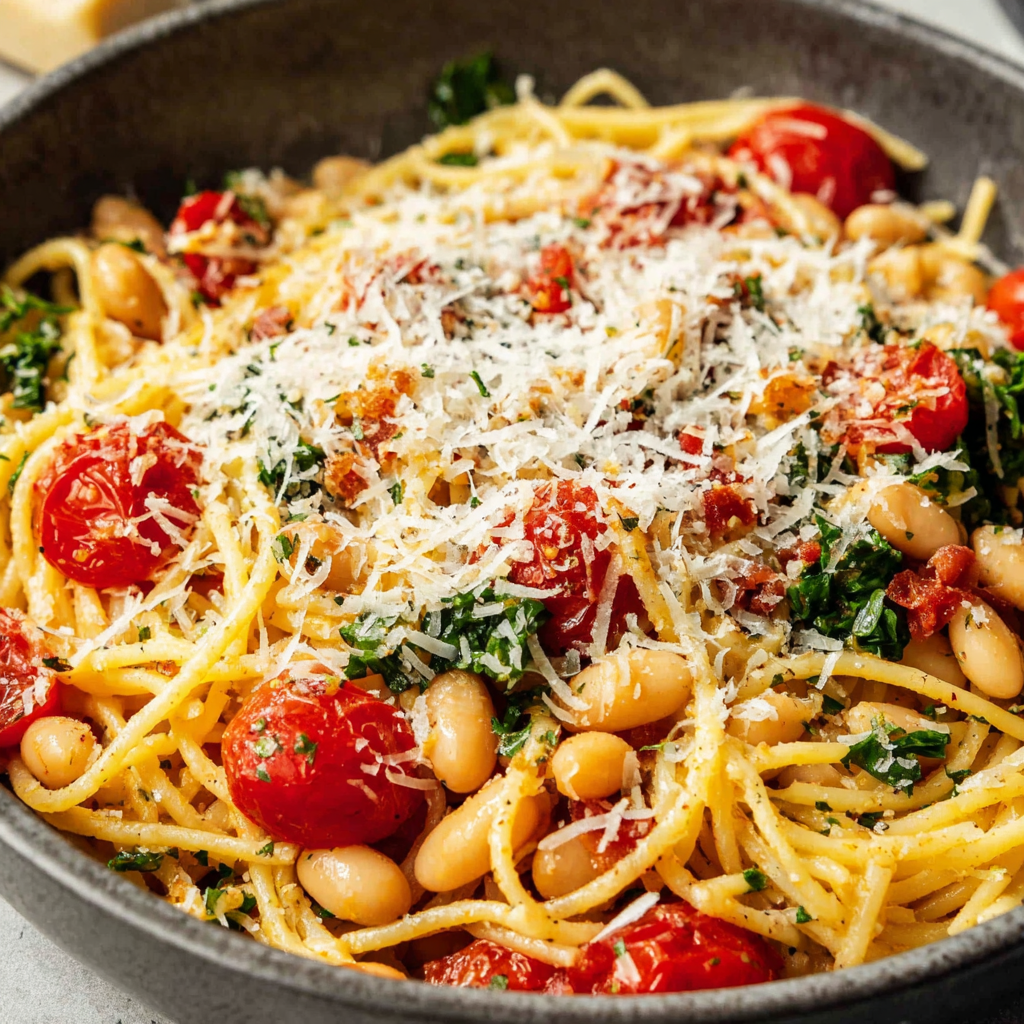
Delicious White Bean Pasta for Any Occasion
Ingredients
Method
- Prepare the white bean mixture.
- Mix in the dry ingredients.
- Incorporate the egg and oil.
- Knead the dough.
- Roll out the dough.
- Cut the pasta into desired shapes.
- Cook the pasta.
- Prepare your sauce.
- Combine and serve.
Notes
Additional serving suggestions: pair with a crisp salad, garlic bread, or roasted seasonal vegetables for balance.
For make-ahead, prep components separately and assemble just before heating to preserve texture.
Taste and adjust with acid (lemon/vinegar) and salt right at the end to wake up flavors.