Introduction
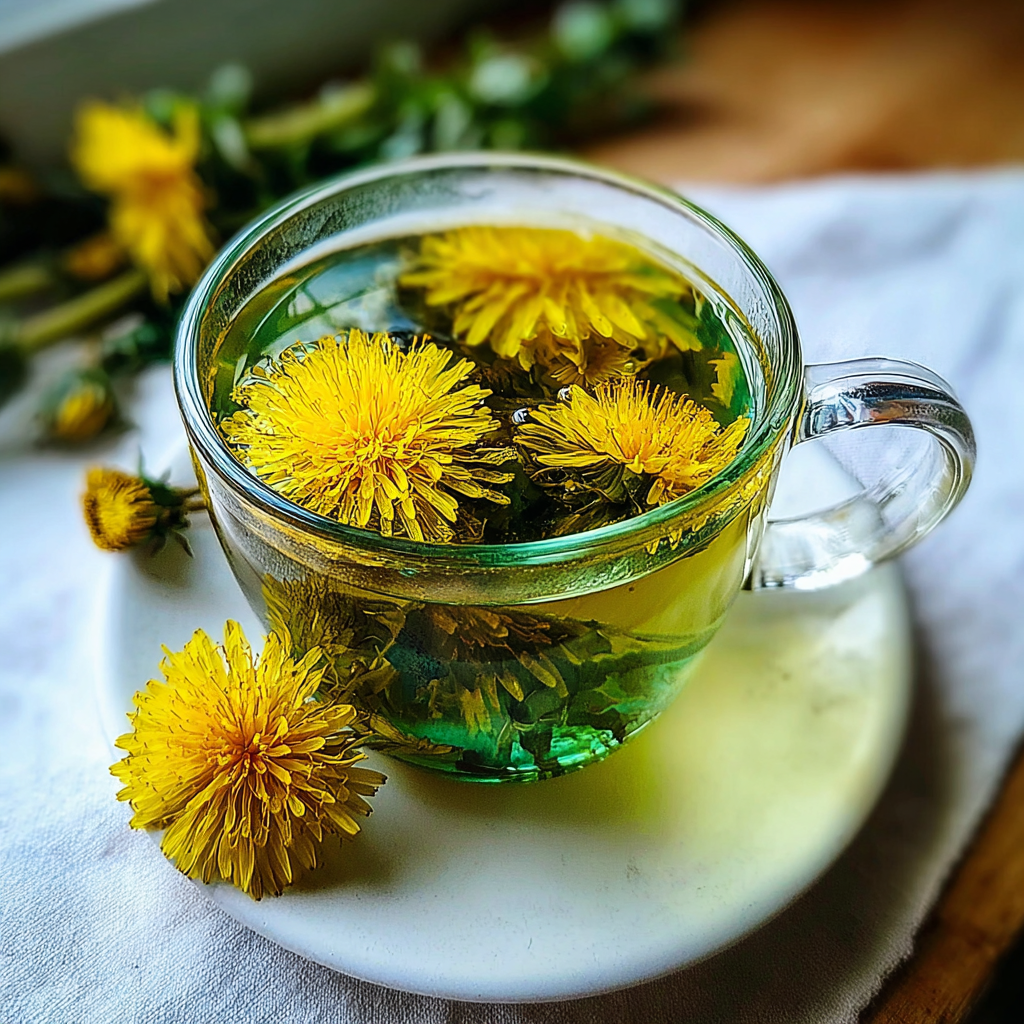
Dandelion tea, often overlooked, is a captivating beverage derived from a humble flower found in gardens and meadows alike. With a history steeped in herbal medicine, this delightful drink boasts a range of health benefits that can rejuvenate both body and mind. Its earthy flavor and vibrant yellow hue come from the dandelion plant, celebrated not just for its beauty but for its nourishing properties.
Crafting dandelion tea at home invites you into the world of herbal remedies, allowing you to explore the subtle nuances of flavor that vary with different preparation methods. Whether you choose to use fresh or dried dandelion, the process is rewarding and can easily fit into your daily routine. So, grab your kettle and let’s uncover the simple beauty of dandelion tea!
Ingredients
- 2 cups fresh dandelion leaves
Fresh leaves deliver a robust flavor profile and provide numerous health benefits, including liver detoxification and diuretic properties. - 1 tablespoon dried dandelion root
Dried root adds depth to the brew and is known for its potential to support digestion and stimulate appetite. - 4 cups water
Water serves as the base for the tea, extracting the beneficial compounds from the dandelion leaves and root, creating a soothing infusion. - Honey or sweetener to taste (optional)
Adding honey can enhance the herbal notes while providing added health benefits; it makes the tea more appealing for those with a sweeter palate.
Directions & Preparation
Step 1: Wash the dandelion leaves thoroughly under running water.
Rinsing the leaves is crucial to remove any dirt or potential pesticides. Fresh dandelion leaves can retain earthiness, so ensure they're as clean as possible. This step not only enhances the tea's flavor but also makes it safer for consumption.
Step 2: Chop the leaves into smaller pieces to release their flavors more efficiently.
Chopping the leaves increases the surface area, allowing for better extraction of their beneficial compounds when steeped. This technique helps in maximizing the potential health benefits while also infusing your tea with a more pronounced herbal taste.
Step 3: In a pot, bring 4 cups of water to a boil.
Boiling water is essential as it activates the compounds within the dandelion, allowing them to dissolve into the tea. Monitoring the heat is important; once boiling, you can easily transition to the next steps without letting it overboil.
Step 4: Add the chopped dandelion leaves and dried root to the boiling water.
Introducing your ingredients at this stage allows them to steep and release their flavors and nutrients into the water effectively. The boiling water cooks these ingredients, resulting in a rich and nutritious infusion.
Step 5: Reduce the heat and let the mixture simmer for 10-15 minutes.
Simmering gives ample time for the dandelion to release its beneficial nutrients into the water. It’s also where you can adjust the strength of your tea based on your preference—longer steeping times lead to a richer flavor.
Step 6: Strain the tea into a cup, discarding the solids.
Straining is important to separate the brewed liquid from the solid parts of the plant. This ensures that you enjoy a smooth tea without any grittiness, making for a more pleasant drinking experience.
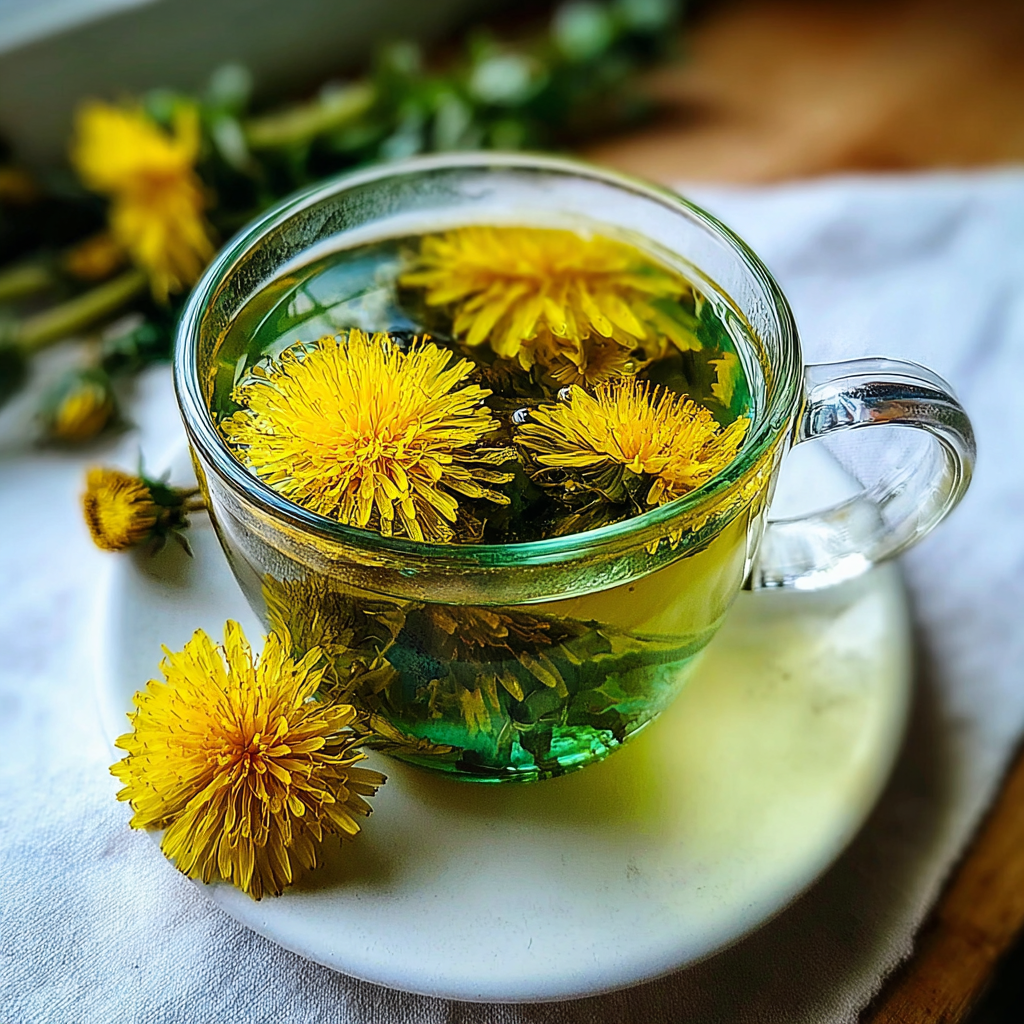
Step 7: Add honey or sweetener if desired, and enjoy warm or chilled.
Adjusting sweetness levels can transform the tea to suit personal tastes. Dandelion tea can be enjoyed hot for comfort or cooled for a refreshing beverage, making it versatile for any season!

Exploring Flavor Variations
Dandelion tea is versatile, allowing for creativity in how it’s prepared. For a refreshing twist, consider adding fresh lemon juice or a few slices of ginger during the simmering process. These additions can enhance the flavor profile and introduce unique health benefits, combining the detoxifying properties of dandelion with the invigorating effects of citrus or ginger, which may aid digestion.
Nutritional Power of Dandelions
Many overlook dandelions as mere weeds, yet they pack an impressive nutritional punch. Rich in vitamins A, C, and K, along with essential minerals like iron and calcium, these plants can bolster your nutrient intake. Brewing dandelion tea allows you to tap into these benefits, consistently supporting your immune system and overall health through a simple and enjoyable beverage.
Potential Health Benefits
Dandelion tea is more than just a flavorful drink; it may also offer several health benefits. Traditionally used to aid digestion and support liver health, dandelion may contribute to better metabolism and detoxification. Some studies suggest that it can have anti-inflammatory properties, making it a wonderful addition to a health-conscious lifestyle.
FAQs
Can I use dried dandelion leaves instead of fresh?
Yes, dehydrated dandelion leaves can replace fresh ones. Typically, use about 1 tablespoon of dried leaves for each cup of tea.
What if my dandelion tea tastes too bitter?
If your tea is overly bitter, consider reducing the simmering time. Longer steeping can extract more bitterness; thus, find a balance that suits your palate.
Is it possible to use dandelions from my garden?
Absolutely, just ensure they are free from pesticides and contaminants. Wild dandelions can be an excellent source for making tea.
Should I adjust liquid amounts for more servings?
If scaling up, maintain the same ratio of ingredients to water to keep the flavor consistent. For multiple servings, just multiply the ingredient amounts accordingly.
Can adding milk help reduce bitterness?
Yes, a splash of milk can soften harsh flavors. However, remember that this will alter the traditional herbal essence of the tea.
How can I enhance the aroma of my tea?
Consider steeping with additional herbs like mint or adding spices such as cinnamon, which can elevate the fragrance and overall flavor experience.
Conclusion
As you venture into the world of dandelion tea, you’ll discover not just a beverage but a connection to nature’s bounty. With its rich flavor and impressive health benefits, this tea can easily become a staple in your daily routine.
Experimenting with dandelion in different forms opens doors to various culinary adventures. Enjoy the soothing warmth or refreshing chill of dandelion tea as you embrace the healing power of this common yet extraordinary plant.
Recipe Card
Brew the Benefits of Dandelion Tea at Home
Ingredients
Method
- Wash the dandelion leaves thoroughly under running water.
- Chop the leaves into smaller pieces to release their flavors more efficiently.
- In a pot, bring 4 cups of water to a boil.
- Add the chopped dandelion leaves and dried root to the boiling water.
- Reduce the heat and let the mixture simmer for 10-15 minutes.
- Strain the tea into a cup, discarding the solids.
- Add honey or sweetener if desired, and enjoy warm or chilled.
Notes
Additional serving suggestions: pair with a crisp salad, garlic bread, or roasted seasonal vegetables for balance.
For make-ahead, prep components separately and assemble just before heating to preserve texture.
Taste and adjust with acid (lemon/vinegar) and salt right at the end to wake up flavors.