Introduction
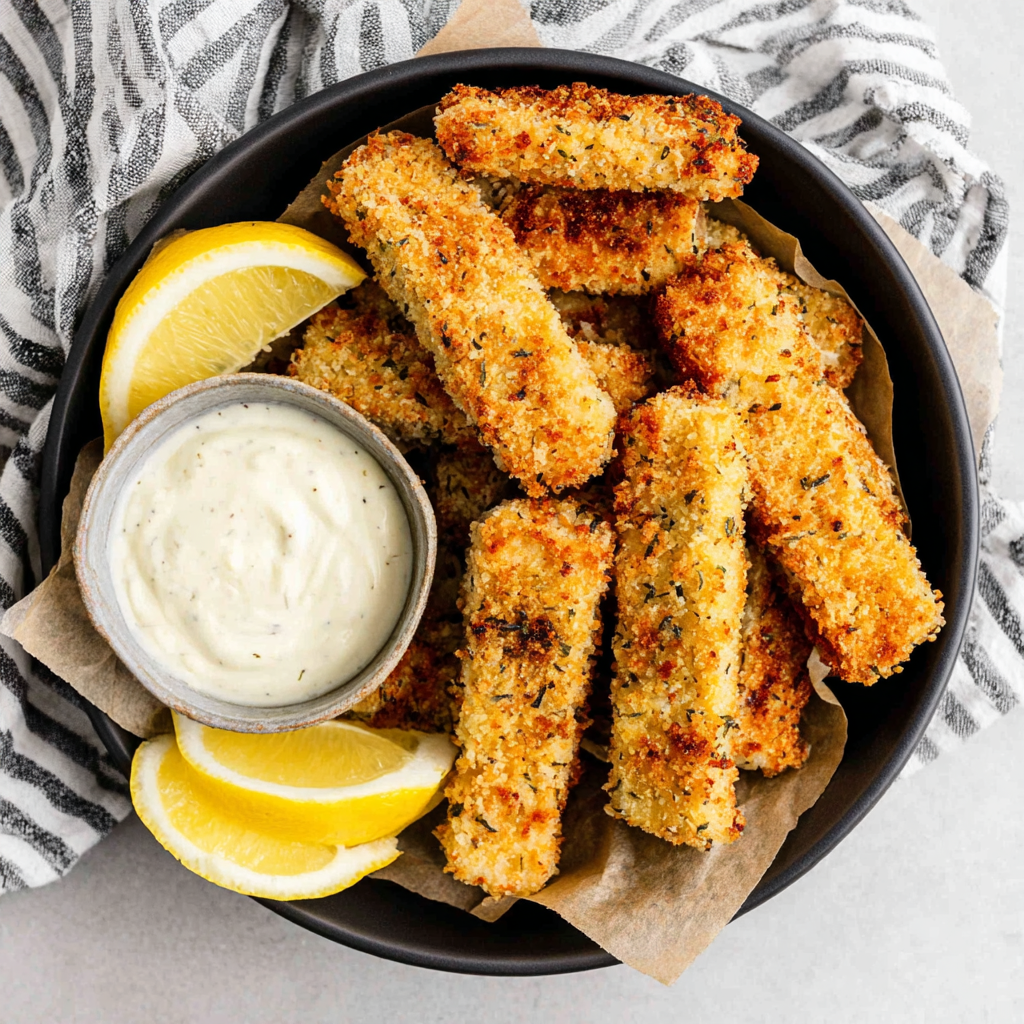
Homemade fish sticks are a delightful twist on a classic favorite, offering a satisfying crunch that store-bought versions often lack. By making them at home, you gain control over the ingredients and flavors, ensuring a healthier alternative for your family.
These fish sticks are not only simple to prepare but also customizable to suit your taste. From choosing the type of fish to experimenting with various seasonings, the options are endless. Gather your ingredients, and let's dive into creating a dish that everyone will love.
Ingredients
- 1 pound white fish fillets (cod, haddock, or tilapia)
White fish fillets are mild in flavor and provide a tender yet flaky texture, making them ideal for fish sticks. Cod, haddock, or tilapia are all excellent choices due to their lightness and the ability to hold up during cooking. - 1 cup all-purpose flour
Flour serves as the baseline for the breading process. It helps the egg to adhere to the fish, creating a structural foundation for the breadcrumbs, resulting in a crispy outer layer. - 2 large eggs
Eggs act as a binding agent, ensuring the breadcrumbs stick firmly to the fish. They provide moisture and richness, contributing to the overall flavor and texture of the finished product. - 1 cup panko breadcrumbs
Panko breadcrumbs are coarser than traditional breadcrumbs, giving fish sticks a lighter, crunchier crust. Their texture allows for greater crispness and enhances the eating experience. - 1 teaspoon garlic powder
Garlic powder adds depth of flavor to the fish sticks without overwhelming the dish. It is a convenient way to infuse a savory essence that complements the fish beautifully. - 1 teaspoon paprika
Paprika not only lends a subtle sweetness but also enhances the color of the fish sticks, giving them an appealing golden hue. Its mild heat elevates the dish without being overpowering. - Salt and pepper to taste
Salt and pepper are essential for seasoning. They enhance the natural flavors of the fish and the batter, ensuring a well-rounded taste in every bite. - Vegetable oil for frying
Vegetable oil is crucial for frying, providing the necessary heat to achieve that perfect golden crisp. Opting for a neutral oil allows the flavors of the fish and seasonings to shine through.
Directions & Preparation
Step 1: Prepare the fish
Start by rinsing and patting dry the fish fillets. Cut them into uniform strips, about 1 inch wide. Uniformity is key for even cooking, which ensures all pieces finish frying simultaneously and maintain the same level of doneness.
Step 2: Set up the breading station
Organize your three bowls: one with flour, a second with beaten eggs, and a third with panko breadcrumbs mixed with garlic powder, paprika, salt, and pepper. This setup makes the breading process efficient, allowing for a smooth workflow while ensuring that each piece is thoroughly coated.
Step 3: Dredge the fish strips
Take each fish strip and first coat it in flour, shaking off the excess. Then dip it into the beaten eggs, allowing the liquid to cling. Finish by rolling it in the panko breadcrumb mixture, pressing gently to ensure an even coating. This multilayer process enhances the crunchiness, creating a satisfying texture.
Step 4: Heat the oil
In a large skillet, heat about 1/4 inch of vegetable oil over medium heat. Use enough oil to submerge the fish sticks partially without overcrowding. Proper oil temperature is crucial; if it’s too cold, the fish will absorb oil, becoming greasy, while too hot will burn the coating before the fish cooks through.
Step 5: Fry the fish sticks
Carefully add the coated fish strips to the hot oil, cooking them for about 3-4 minutes per side until golden brown. Use tongs to flip the strips, being cautious of oil splatter. Frying in batches if necessary prevents overcrowding, allowing each piece enough space to crisp up.
Step 6: Drain and season
Once cooked, transfer the fish sticks to a paper towel-lined plate to drain excess oil. While they are still hot, lightly sprinkle them with salt. This final touch of seasoning makes a big difference, enhancing the overall flavor and ensuring that each bite is delicious.
Step 7: Serve with dipping sauce
Serve the homemade fish sticks alongside your favorite dipping sauces like tartar sauce or spicy mayo. The right dip can elevate the dish and add a layer of taste that complements the crispy fish sticks, making them irresistible.

Transforming Leftovers into a New Meal
If you have leftover fish sticks, consider turning them into a delicious fish taco filling. Simply chop the fish sticks into bite-sized pieces, warm them up, and serve them in tortillas with fresh toppings like cabbage, cilantro, and a drizzle of lime dressing. This easy transformation keeps dinner exciting and minimizes food waste.
Dipping Sauces to Elevate Your Fish Sticks
The right dipping sauce can truly elevate homemade fish sticks. Experiment with tartar sauce, a zesty lemon aioli, or a spicy chipotle mayo. Each sauce brings its unique flavors to the dish, enhancing the experience and allowing for creativity on your plate. Don’t be afraid to mix and match until you find your favorite combination.
Crispy Oven-Baked Alternative
If you prefer a healthier version, consider baking your fish sticks instead of frying. After coating them, place the breaded strips on a parchment-lined baking sheet and lightly spray them with cooking oil. Bake in a preheated oven at 425°F for about 15 minutes, flipping halfway through. This method achieves a crispy texture with less oil while still being delicious.
FAQs
What can I use if I don't have panko breadcrumbs?
If you don't have panko on hand, you can substitute regular breadcrumbs, though they may not be as crunchy. For a better texture, consider crushing cornflakes or using crushed crackers, which can give you a similar crispy effect.
Why are my fish sticks coming out too bland?
If the fish sticks taste bland, you may need to adjust your seasoning. Ensure you generously season the flour and breadcrumb mixtures, and consider marinating the fish in herbs or spices before breading for added flavor.
How can I tell if the fish sticks are overcooked?
Overcooked fish sticks will be tough and dry. To avoid this, aim for a golden color while cooking, and remember that fish continues to cook even after being removed from the heat. Use a thermometer; an internal temperature of 145°F indicates they are done.
Can I use other fish types for this recipe?
Absolutely! While cod and tilapia are great options, you can experiment with other types of white fish like pollock or even salmon for a richer flavor. Just ensure the fish is firm enough to hold its shape during cooking.
What should I do if my batter is too thick?
If your batter seems too thick and doesn’t adhere well, add a splash of water or milk to the egg mixture until you reach a desired consistency. This will help the coating stick better without being overly dense.
Can I spice up the breadcrumbs further?
Yes! Feel free to mix in your favorite dried herbs, such as dill, oregano, or Italian seasoning, into the breadcrumbs for added flavor. This will make your fish sticks unique and tailored to your tastes.
Conclusion
Homemade fish sticks offer a wonderful opportunity to create a fresh, flavorful dish loved by children and adults alike. With a few simple ingredients and steps, you can enjoy crispy, delicious fish sticks that surpass any frozen alternative.
Whether you choose to fry or bake them, experimenting with different flavors and toppings can make your fish stick experience endless. Dive into this kitchen adventure, and savor every crispy bite!
Recipe Card
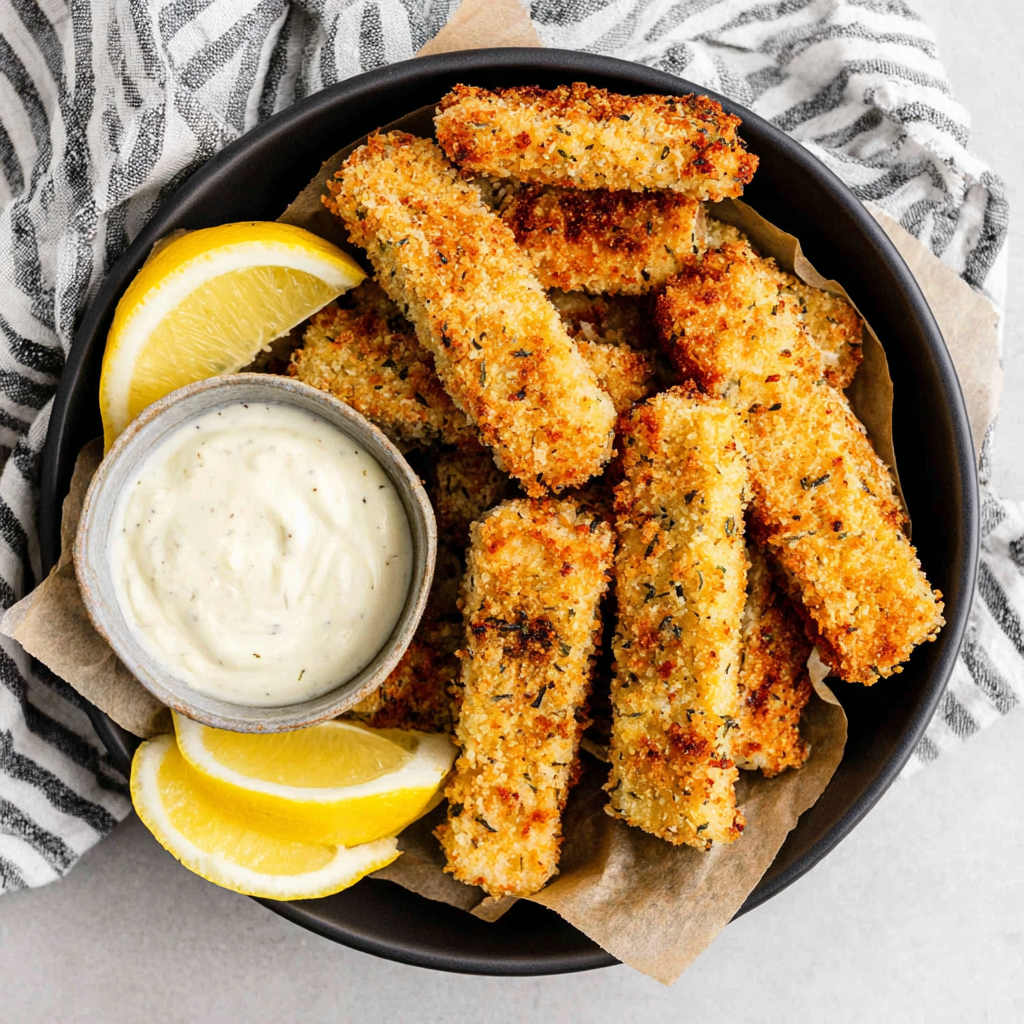
Crafting Crispy Homemade Fish Sticks
Ingredients
Method
- Prepare the fish
- Set up the breading station
- Dredge the fish strips
- Heat the oil
- Fry the fish sticks
- Drain and season
- Serve with dipping sauce
Notes
Additional serving suggestions: pair with a crisp salad, garlic bread, or roasted seasonal vegetables for balance.
For make-ahead, prep components separately and assemble just before heating to preserve texture.
Taste and adjust with acid (lemon/vinegar) and salt right at the end to wake up flavors.