Introduction
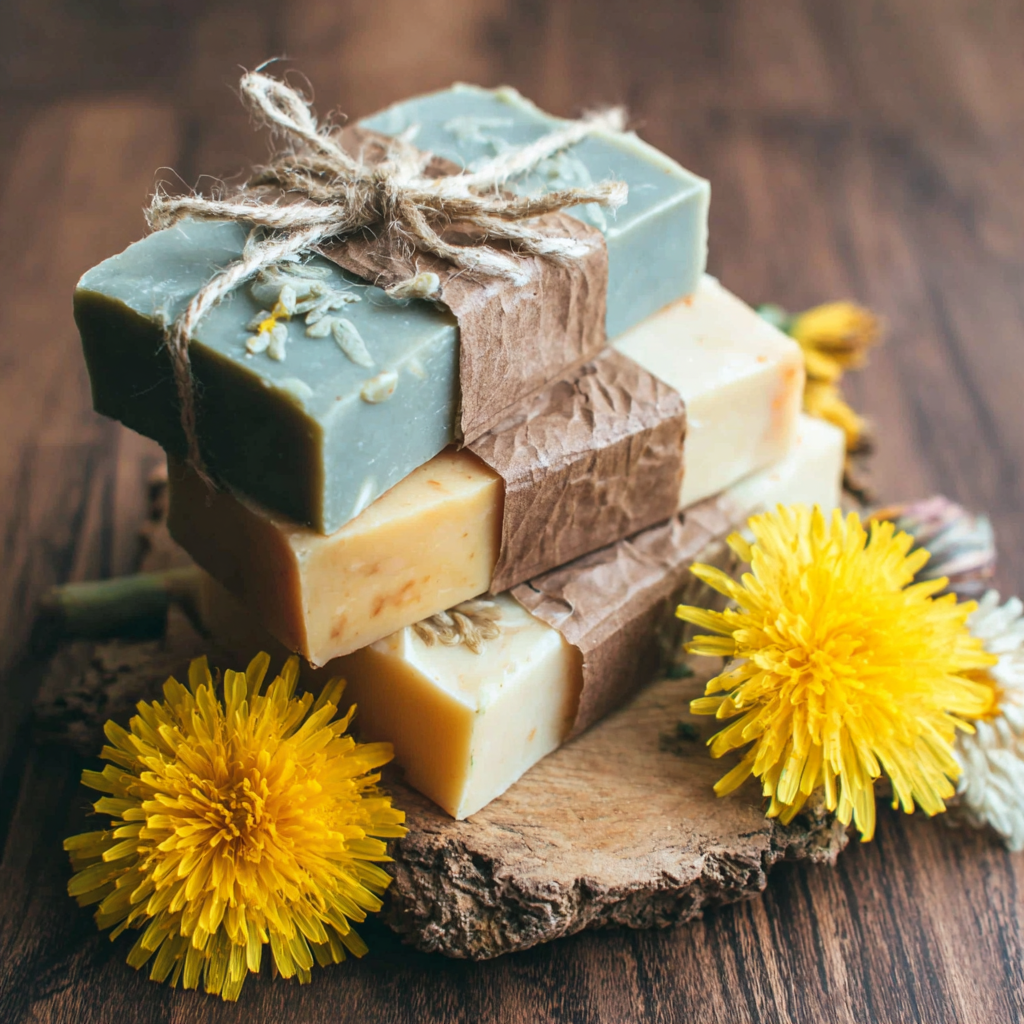
Dandelion soap is not just a unique product; it's a marriage of nature's bounty and personal care. The bright yellow blooms, often seen as mere weeds, hold incredible benefits for the skin and spirit. With their vibrant color and potent properties, dandelions make an ideal choice for homemade soap enthusiasts seeking an organic alternative.
Creating dandelion soap using these flowers not only harnesses their natural healing qualities but also celebrates the art of foraging. By transforming wildcrafted ingredients into luxurious soap, you can connect with nature while indulging in a delightful craft. This recipe will guide you through making soap enriched with dandelion extracts, resulting in a nourishing bar that loves your skin as much as you love it.
Ingredients
- 2 cups dandelion flowers
These vibrant blooms are packed with antioxidants and may help soothe and heal the skin, making them ideal for soap. - 1 lb olive oil
Olive oil is renowned for its moisturizing properties and ability to nourish the skin, lending a rich, creamy lather to the soap. - 1 lb coconut oil
Coconut oil contributes to a hard bar of soap with exceptional lather, and it offers additional antibacterial properties. - 16 oz distilled water
Water is crucial for the soap-making process as it helps to dissolve the lye and facilitates saponification. - 6 oz lye (sodium hydroxide)
Lye is essential for the saponification process, where fats and oils combine to form soap. Handle with care, as it is caustic. - 10 drops essential oil (optional)
Adding essential oils not only enhances the fragrance but also can offer additional skincare benefits, depending on the selection.
Directions & Preparation
Step 1: Gather dandelion flowers in a clean area.
Harvest dandelions only in pesticide-free areas to avoid contaminants. It's best to pick them in the morning when the flowers are fully opened. Make sure you have enough flowers to yield 2 cups, which may require several dandelion plants. Look for fresh, vibrant blooms without any signs of wilting.
Step 2: Prepare your workspace with safety gear.
Before beginning the soap-making process, it’s essential to wear appropriate safety gear like gloves and goggles, as lye can be harmful. Create a well-ventilated workspace to mitigate any harsh fumes. Have all your ingredients measured and tools laid out to ensure a smooth workflow.
Step 3: Infuse dandelion flowers in olive oil.
Heat the olive oil on low and add the dandelion flowers, allowing them to infuse over low heat for about an hour. This process extracts the beneficial properties of the flowers into the oil. Strain the oil to remove solid bits, as they can clog the soap and affect its texture.
Step 4: Measure the lye and water for the solution.
In a well-ventilated area, slowly add the lye to the water (never the other way around) in a heat-resistant container. This mixture will heat up rapidly, releasing fumes, so allow it to cool in a safe space. This step is crucial as the lye must fully dissolve and cool before it can be used.
Step 5: Combine the infused olive oil and lye solution.
Once both the infused oil and lye solution reach about the same temperature (around 100-110°F), slowly mix them together. Stir gently until you reach 'trace,' which indicates that saponification is occurring, and the mixture has thickened slightly. This is a key indicator that your soap is well on its way.
Step 6: Add coconut oil and essential oils.
Melt the coconut oil until just liquefied, then stir it into the soap mixture. If using, add your chosen essential oils at this point and blend thoroughly. The coconut oil adds hardness and a bubbly lather to your soap, while essential oils contribute scent and additional therapeutic benefits.
Step 7: Pour the soap mixture into molds.
Carefully pour the soap mixture into molds, tapping to relieve air bubbles. Fill molds evenly and consider a gentle swirl if you want to mix in color. This step is where you can get creative; choose molds that suit your aesthetic preferences—silicone molds are particularly effective for easy removal.
Step 8: Cure the soap for 4-6 weeks.
Allow the soap to sit in the molds for 24 hours. Once solid, unmold and cut into bars, then place them in a cool, dark area to cure. The curing process is essential as it allows excess moisture to evaporate and promotes the development of lather and a mild soap. Patience here rewards you with a quality product.

Understanding Saponification and Its Importance
Saponification is the chemical reaction that transforms oils and fats into soap. This process occurs when lye (sodium hydroxide) reacts with water and fats, resulting in soap and glycerin. It's critical to understand that this reaction requires precise measurements and safety precautions, as lye is a strong base. Getting the ratios right ensures your soap is safe and effective.
Harnessing Dandelion's Skin Benefits
Dandelions offer numerous benefits for skincare. Rich in antioxidants and vitamins A and C, they may help fight inflammation and promote a healthy glow. Infusing soap with dandelions means you're not just cleaning your skin but nourishing it, making this soap a dual-purpose product. Their natural properties can be especially advantageous for sensitive skin types.
Choosing Essential Oils for Fragrance
When selecting essential oils for your dandelion soap, consider their aroma and therapeutic benefits. Lavender is calming, while tea tree oil is antibacterial—ideal for problematic skin. Citrus scents like lemon or orange can be invigorating and refreshing. Mixing scents can create a unique blend tailored to your preferences, enhancing your soap’s appeal.
FAQs
Can I use dried dandelion flowers instead of fresh?
Yes, dried dandelion flowers can be used, though fresh flowers are preferred for their vibrant properties. Ensure they are free of any preservatives.
What should I do if my soap turns out too thick?
If your soap is too thick to pour, it may be due to it reaching trace too quickly. Next time, ensure you blend more slowly and keep an eye on your temperatures.
How can I increase the color intensity of my soap?
To enhance the color, you can experiment with natural colorants like turmeric or clay. Just a pinch can amplify the yellow hue without compromising your soap's integrity.
Is there a way to modify this recipe for greater lather?
For a richer lather, adjust the ratio of oils slightly, adding more coconut oil or a splash of castor oil, which is renowned for boosting lather.
What happens if my soap doesn't harden properly?
If your soap remains soft, it may be due to incorrect lye or oil ratios. Ensure to measure accurately, and allow more curing time if needed.
Can I substitute the olive oil with another oil?
Yes, you can substitute olive oil with other oils like sweet almond or grapeseed oil, keeping in mind that they may alter the texture and properties somewhat.
Conclusion
Making dandelion soap is a rewarding experience that connects you to nature while providing a luxurious product for your skincare routine. With a few simple ingredients and careful attention to detail, you can create soap that not only cleanses but also nourishes your skin.
As you experiment with variations, remember that the beauty of homemade soap lies in its customization. Enjoy the process, and don't hesitate to adapt the recipe to reflect your personal tastes or skin needs.
Recipe Card
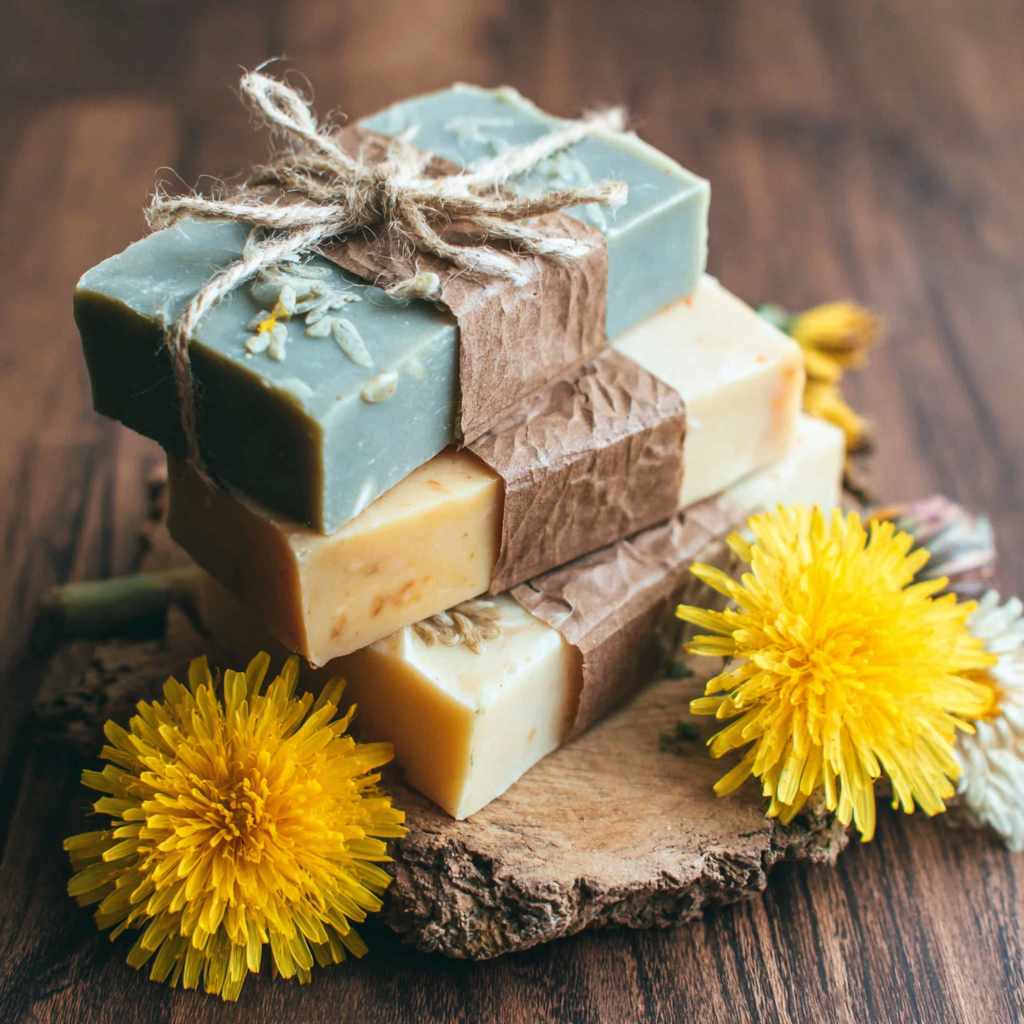
Crafting Dandelion Soap for a Natural Touch
Ingredients
Method
- Gather dandelion flowers in a clean area.
- Prepare your workspace with safety gear.
- Infuse dandelion flowers in olive oil.
- Measure the lye and water for the solution.
- Combine the infused olive oil and lye solution.
- Add coconut oil and essential oils.
- Pour the soap mixture into molds.
- Cure the soap for 4-6 weeks.
Notes
Additional serving suggestions: pair with a crisp salad, garlic bread, or roasted seasonal vegetables for balance.
For make-ahead, prep components separately and assemble just before heating to preserve texture.
Taste and adjust with acid (lemon/vinegar) and salt right at the end to wake up flavors.