Introduction
Hummus, a creamy spread originating from the Middle East, has become a staple in kitchens around the world. Its versatility, combined with its rich flavor and nutritional benefits, makes it an essential recipe to master for any home cook.
At its core, hummus is simple yet elegant, relying on just a handful of ingredients that come together to create a delightful dip or spread. Whether enjoyed with pita, veggies, or slathered on sandwiches, making authentic hummus at home allows for customization to suit any taste.
This recipe highlights how easy it is to prepare delicious hummus from scratch, bringing a taste of Mediterranean cuisine to your dining table. With just a few steps, you can create a creamy, luscious version of this beloved dish.
Ingredients
- 1 cup dried chickpeas
These legumes are the base of the hummus, providing essential protein and fiber. Soaking and cooking them properly results in a smoother, creamier texture compared to canned chickpeas. - 1/2 cup tahini
Tahini, a paste made from ground sesame seeds, lends a nutty flavor and helps emulsify the hummus, creating its rich, creamy consistency. It's an integral component that elevates the overall taste. - 1/4 cup fresh lemon juice
The acidity from lemon juice brightens up the hummus, balancing the richness of the tahini and chickpeas. It adds a refreshing tartness that complements the other ingredients beautifully. - 2-3 cloves of garlic
Garlic introduces a pungent flavor that enhances the depth of the hummus. Roasting the garlic beforehand can mellow its sharpness while adding a sweet, caramelized note. - 1/4 cup ice-cold water
Water aids in achieving the desired consistency, making the hummus lighter and creamier. Adding it incrementally allows for better control over the texture, ensuring the best possible result. - Salt to taste
Salt is essential for highlighting the flavors in your hummus. It acts as a seasoning that can enhance the overall profile, so tasting and adjusting is key for perfecting the dish. - Olive oil for drizzling
A drizzle of high-quality olive oil adds a luxurious finish and rich flavor, offering a final touch that elevates homemade hummus to restaurant-quality status.
Directions & Preparation
Step 1: Soak the chickpeas overnight
Begin by soaking dried chickpeas in a bowl of water for at least 8 hours or overnight. This helps to rehydrate the beans, softening them and aiding the cooking process. Proper soaking ensures that the chickpeas will cook evenly and yield the desired creamy texture in the hummus.
Step 2: Cook the chickpeas
After soaking, drain the chickpeas and place them in a pot with fresh water. Bring it to a boil and simmer until the chickpeas are tender, usually around 1–2 hours. Cooking them thoroughly allows for a smooth blend later, so it's important to check for softness before proceeding.
Step 3: Blend the tahini and lemon juice
In a food processor, combine the tahini and lemon juice, processing for about 30 seconds until it’s creamy. This step emulsifies the tahini, making it fluffy and light, which is crucial for achieving a well-blended hummus in the next steps.
Step 4: Add garlic, salt, and chickpeas
Next, add the garlic and salt to the tahini mixture. Process briefly to combine, then add the cooked chickpeas gradually while blending. This process blends the flavors and textures, creating a cohesive mixture that forms the base of your hummus.
Step 5: Incorporate water gradually
While the food processor runs, slowly drizzle in the ice-cold water. Adjusting the amount of water allows you to control the final consistency. Monitoring the texture here is key; you want it creamy without being too runny, so add water a little at a time.
Step 6: Taste and adjust seasonings
At this stage, pause and taste the hummus. This is your opportunity to adjust the flavors by adding more salt or lemon juice if desired. The right balance of flavors is essential for a memorable hummus, so be bold and make it your own.
Step 7: Serve with olive oil drizzle
Transfer your hummus to a serving dish and create a shallow well in the center. Drizzle with olive oil for flavor and presentation. This finishing touch not only enhances the taste but also makes for an appealing display for guests.

Experimenting with Flavors
One of the joys of making hummus at home is the ability to experiment with different flavors. Consider adding roasted red peppers, sun-dried tomatoes, or spices like cumin and paprika for a twist. Each variation brings a unique taste, allowing you to tailor the hummus to your preferences and the occasion.
Hummus as a Versatile Ingredient
Beyond a dip, hummus can be a versatile ingredient in various dishes. Use it as a spread on sandwiches or wraps, mix it into salads for added creaminess, or even indulge in a hummus-based pasta sauce. Its adaptability makes it a fantastic kitchen staple, enriching a wide range of meals.
Nutritional Benefits of Hummus
Hummus is not only delicious; it's also packed with nutrients. Chickpeas are rich in protein, fiber, and vitamins, while tahini provides healthy fats and minerals. Making hummus at home gives you control over the ingredients, allowing you to maximize its health benefits and enjoy a wholesome snack or meal.
FAQs
What if my hummus is too thick?
If your hummus turns out too thick, gradually blend in additional water, a tablespoon at a time, until you reach the desired creamy consistency. The key is to add it slowly while the processor is running to ensure even mixing.
How can I make it more flavorful?
To enhance the flavor further, try adding more garlic, lemon juice, or spices like cumin and smoked paprika. Adjust the seasoning incrementally, tasting as you go to find the perfect balance for your palate.
Can I substitute canned chickpeas?
Yes, canned chickpeas can be used if you’re short on time. Rinse and drain them well before adding to the food processor. However, using dried peas provides a fresher flavor and creamier texture.
What texture should the hummus be?
The ideal hummus should be smooth and creamy, easily spreadable without being too runny. Adjusting the amount of water you add during blending is crucial to achieving this perfect texture.
Can I add other legumes?
Absolutely! Feel free to blend in other legumes like white beans or black beans for a unique flavor and texture profile. Just keep in mind that this may alter the traditional taste of the hummus.
What if my hummus tastes bland?
If the hummus is bland, it likely needs more seasoning. Gradually incorporate additional salt, lemon juice, or tahini, blending well between additions. Tasting frequently ensures you achieve the desired flavor.
Conclusion
Making hummus at home is not only rewarding but also a delightful culinary journey. By mastering this simple recipe, you can explore a world of flavors and variations tailored to your personal preferences.
With fresh ingredients and a little creativity, you'll enjoy a homemade hummus that outshines any store-bought version. So roll up your sleeves and start blending; delicious hummus awaits!
Recipe Card
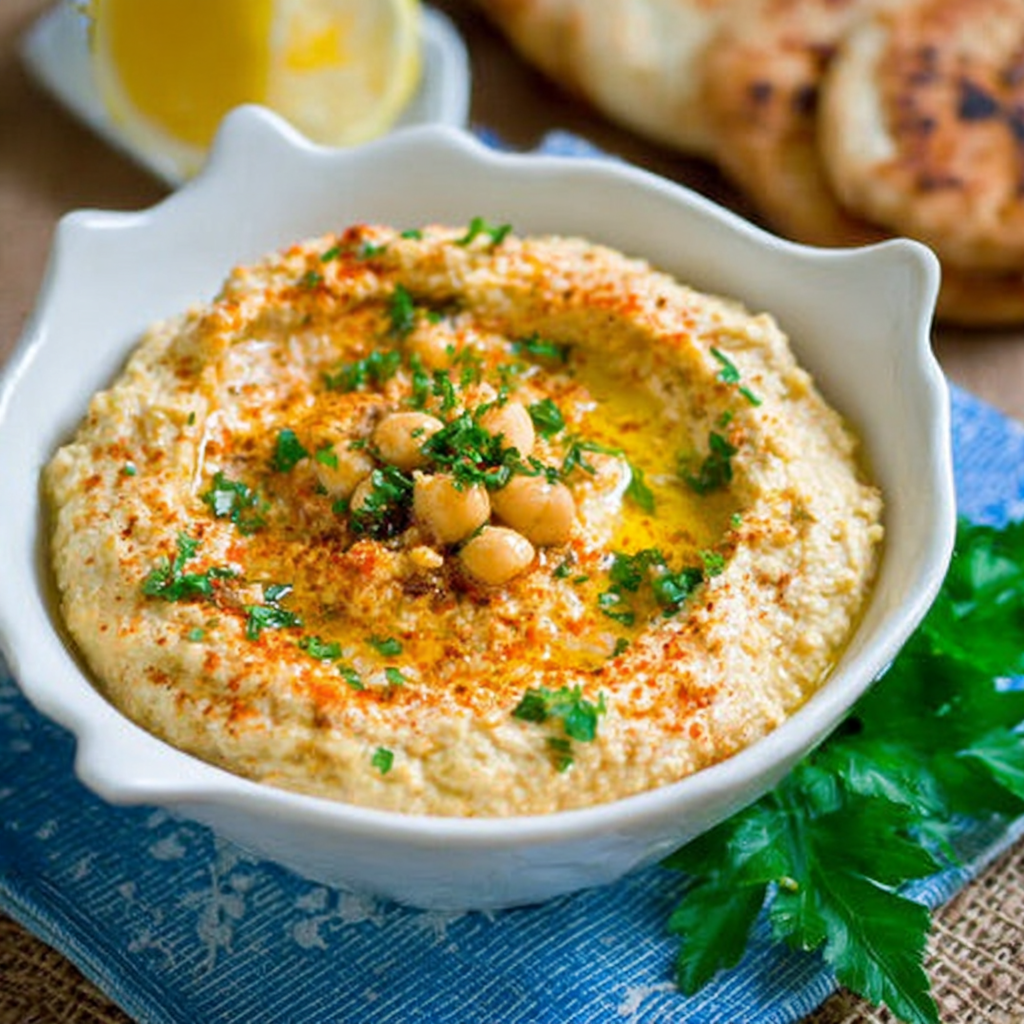
Crafting Flavorful Hummus at Home
Ingredients
Method
- Soak the chickpeas overnight
- Cook the chickpeas
- Blend the tahini and lemon juice
- Add garlic, salt, and chickpeas
- Incorporate water gradually
- Taste and adjust seasonings
- Serve with olive oil drizzle
Notes
Additional serving suggestions: pair with a crisp salad, garlic bread, or roasted seasonal vegetables for balance.
For make-ahead, prep components separately and assemble just before heating to preserve texture.
Taste and adjust with acid (lemon/vinegar) and salt right at the end to wake up flavors.