Introduction
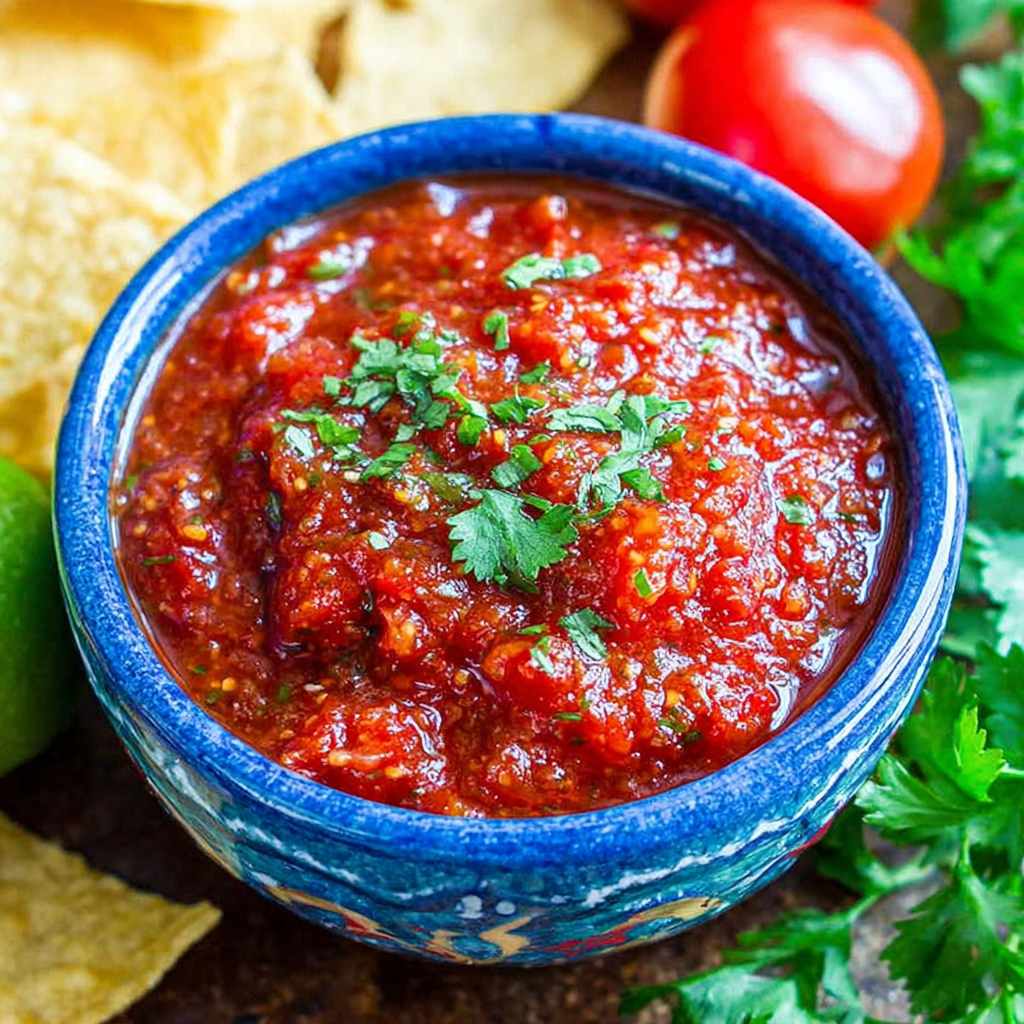
Salsa is a cornerstone of Mexican cuisine, known for its vibrant colors and explosive flavors. Restaurant style salsa, specifically, has a balanced combination of acidity, sweetness, and spice, appealing to a wide range of palates. Making this at home not only enhances your cooking repertoire but also allows you to customize it to your unique taste preferences.
This salsa is perfect for serving with tortilla chips or tacos, but it also elevates grilled meats and vegetables. By using fresh ingredients, you can achieve that authentic restaurant flavor right in your own kitchen. Let's dive into the specifics of creating this enticing condiment.
Ingredients
- 6 ripe Roma tomatoes, diced
Roma tomatoes are preferred for their firm flesh and lower moisture content, which helps achieve a thicker salsa. Their natural sweetness enhances the depth of flavor, providing a solid base for the other ingredients. - 1 medium red onion, finely chopped
Red onions offer a mild sweetness and vibrant color, balancing the acidity of the tomatoes. Their sharpness, when diced finely, integrates well into the salsa, providing a subtle crunch. - 2 cloves garlic, minced
Garlic contributes a rich, aromatic quality to the salsa. Freshly minced garlic infuses the mix with a fragrant kick while adding depth to the overall flavor profile. - 1 jalapeño, seeded and minced
Jalapeños add a lively heat that can be adjusted based on your spice tolerance. Removing the seeds and membranes ensures a milder heat, making it accessible to all taste preferences. - 1/4 cup fresh cilantro, chopped
Cilantro introduces a fresh, herbal note that brightens the salsa. Its vibrant green leaves also enhance the visual appeal of the dish, making it more inviting. - Juice of 1 lime
Lime juice brings acidity and brightness, cutting through the richness of the tomatoes and onion. This citrus element ties all the flavors together, making them pop. - 1 teaspoon salt
Salt enhances all the flavors in the salsa, ensuring that each ingredient is well represented. It helps to bring out the natural sweetness of the tomatoes and balances the heat from the jalapeño. - 1/2 teaspoon ground cumin (optional)
Ground cumin adds a warm, earthy flavor that can enhance the salsa's complexity. While it’s optional, it can provide a unique twist that many restaurant salsas include.
Directions & Preparation
Step 1: Prepare the vegetables.
Start by washing and dicing your tomatoes, onion, and jalapeño. Mincing the garlic and chopping the cilantro should follow. This step is pivotal as the uniformity in size will allow for a consistent texture throughout the salsa. Using sharp knives helps achieve clean cuts, releasing the vegetables' juices effectively.
Step 2: Combine the base ingredients.
In a large mixing bowl, combine the diced tomatoes, red onion, minced garlic, and jalapeño. This initial blend is crucial for ensuring that the flavors meld together before adding the finishing touches. Use a sturdy spoon to mix thoroughly, allowing the juices to start amalgamating.
Step 3: Add cilantro, lime juice, and salt.
Incorporate the chopped cilantro, lime juice, and salt into the mixture. This step elevates the flavor profile significantly, lending freshness and acidity that brighten the salsa. Taste for balance—this is where you can adjust the salt and lime according to your liking.
Step 4: Incorporate cumin (if using).
If you opt to use cumin, sprinkle it in at this stage. It adds depth to the salsa and gives it a more complex flavor reminiscent of professional recipes. Mix well until all ingredients are evenly dispersed, then taste again to ensure the spices are to your liking.
Step 5: Let it rest.
Allow the salsa to rest for at least 30 minutes at room temperature or in the refrigerator. This resting period is essential for the flavors to develop and meld together, giving you that restaurant-quality taste. The longer it sits, the better the flavors will integrate.
Step 6: Serve and enjoy.
Serve the salsa with fresh tortilla chips, alongside tacos, or as a topping for grilled meats. Presenting it in a colorful bowl garnished with extra cilantro will make it even more appealing. Enjoy the rewards of your hard work and the freshness of homemade salsa!

Experimenting with Heat Levels
Adjusting the heat in your salsa is simple and allows for personalization. The amount of jalapeño can be modified or replaced with milder chili peppers for a gentler taste. For a spicier kick, consider adding diced serrano peppers or a dash of hot sauce. This flexibility ensures your salsa suits your heat preference perfectly.
Fresh Ingredients Make the Difference
Quality ingredients contribute significantly to the flavor of your salsa. Opt for fresh, ripe tomatoes and vibrant cilantro, which enhance the overall taste. Even small changes, like using freshly squeezed lime juice over bottled versions, make a noticeable difference. Invest in good produce for the best outcome.
Using Salsa Beyond Chips
While chips are the classic pairing, this salsa can be a versatile condiment in many dishes. Consider adding it to grilled chicken or fish and as a topping for scrambled eggs or omelets. Its zesty flavor complements a variety of foods, showcasing its adaptability in the kitchen.
FAQs
Why does my salsa taste bland?
If your salsa tastes bland, it may lack salt, lime juice, or spices. Taste it after mixing and adjust as needed, adding more salt or lime juice to enhance the flavor.
What should I do if my salsa is too thick?
If your salsa is too thick, try adding a small amount of water or more lime juice to achieve your preferred consistency. Start with a teaspoon to control the thickness.
Can I change the tomatoes used in this recipe?
Yes, while Roma tomatoes are ideal, you can substitute with other varieties like vine-ripened or even canned tomatoes in a pinch. Just ensure they’re fresh or high-quality for the best flavor.
How can I make my salsa less watery?
To avoid watery salsa, drain excess liquid from diced tomatoes before mixing. You can also increase the amount of other vegetables like onions and jalapeños, which absorb moisture.
What can I do to make the salsa more vibrant?
To boost vibrance, incorporate a variety of colorful peppers or add diced mango or pineapple for a sweet twist. These additions not only enhance color but also introduce new flavors.
Why does my salsa taste overcooked?
If your salsa tastes overcooked, it may be due to over-mixing or letting it sit too long after adding lime juice. It's meant to be fresh and vibrant, so serve it soon after preparation.
Conclusion
Mastering restaurant style salsa is a rewarding endeavor that can elevate your culinary skills. With fresh ingredients and a bit of practice, you can achieve the vibrant flavors that make this condiment a favorite.
Enjoy experimenting with different ingredients and heat levels, making the recipe truly your own. Whether it's for a party or a casual dinner, this salsa will surely impress your family and friends.
Recipe Card
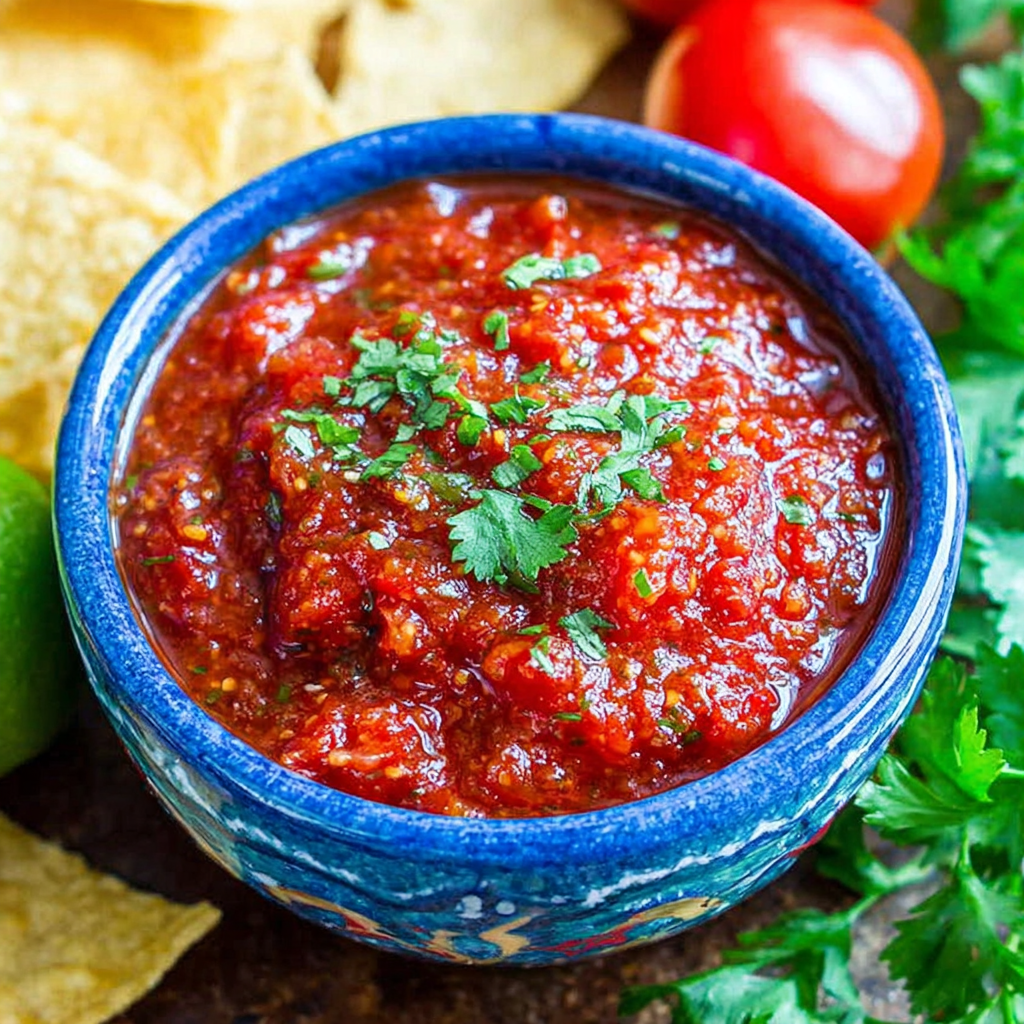
Creating Bold and Fresh Restaurant Style Salsa
Ingredients
Method
- Prepare the vegetables.
- Combine the base ingredients.
- Add cilantro, lime juice, and salt.
- Incorporate cumin (if using).
- Let it rest.
- Serve and enjoy.
Notes
Additional serving suggestions: pair with a crisp salad, garlic bread, or roasted seasonal vegetables for balance.
For make-ahead, prep components separately and assemble just before heating to preserve texture.
Taste and adjust with acid (lemon/vinegar) and salt right at the end to wake up flavors.