Introduction
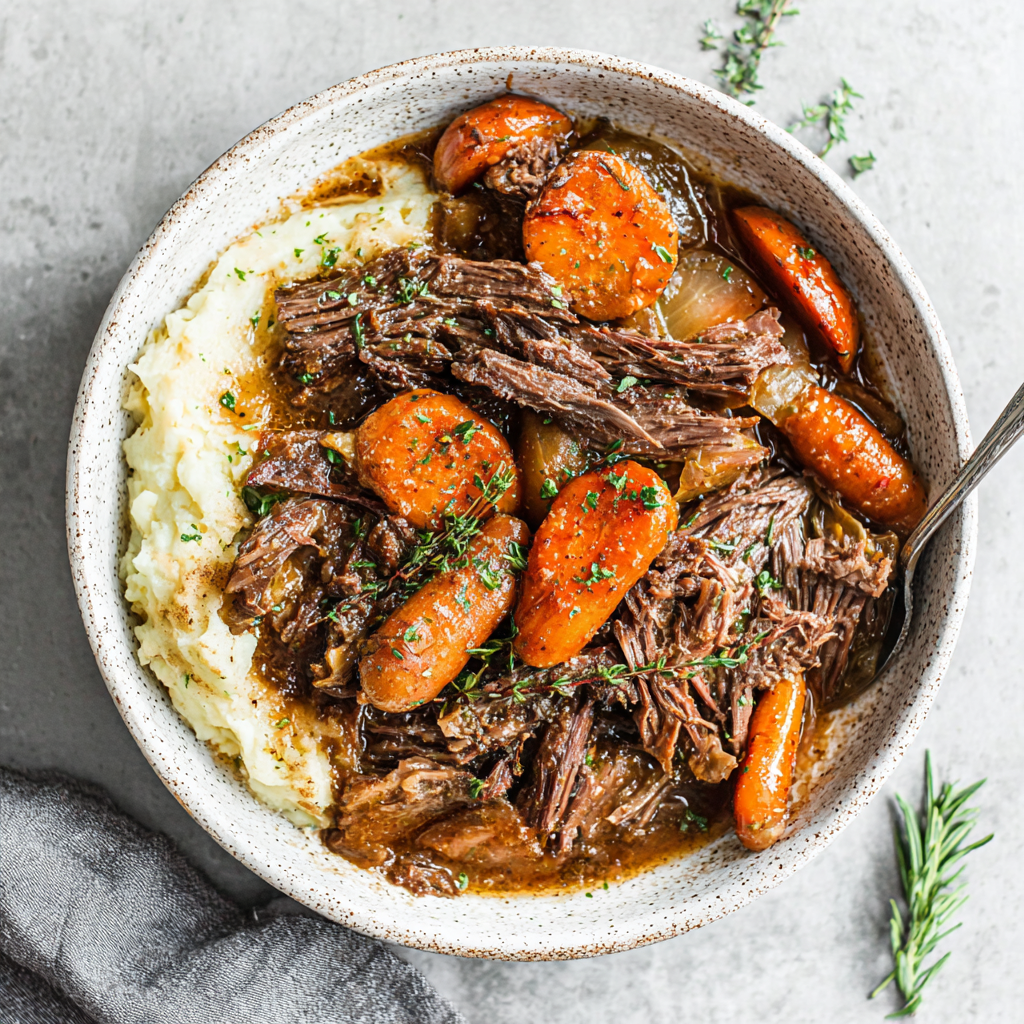
Pot pot roast is a comforting dish that brings warmth and satisfaction to any dinner table. Cooking this meal in a single pot not only simplifies preparation but also enhances the flavors as the ingredients meld together beautifully. As the roast cooks slowly, it becomes exquisitely tender, making it a perfect choice for gatherings or a cozy family night.
The beauty of pot pot roast lies in its versatility. Using seasonal vegetables and herbs allows home cooks to personalize this dish based on preference and availability. With just a few quality ingredients and time, you can transform a humble cut of meat into a masterpiece that nourishes both the body and soul.
Ingredients
- 3-4 lbs chuck roast
The chuck roast is ideal for pot roast as it contains a good amount of marbling which melts during cooking, resulting in a flavorful and tender meat. - 2 tablespoons olive oil
Olive oil is important for searing the meat, creating a rich crust that locks in juices and adds depth to the overall flavor of the pot roast. - 2 cups beef broth
Beef broth forms the base of the cooking liquid, providing moisture and adding richness while infusing the meat with savory flavors. - 1 large onion, diced
Onions contribute sweetness and complexity to the dish, especially when they caramelize during the searing process. - 4 cloves garlic, minced
Garlic is a flavor powerhouse, adding aromatic depth that complements the hearty roast and vegetables. - 4 carrots, peeled and cut into chunks
Carrots add sweetness and a lovely texture, absorbing the flavors of the broth and making the dish more well-rounded. - 3 stalks celery, diced
Celery provides a crunchy texture and a subtle, earthy taste, enhancing the overall vegetable medley. - 3 sprigs fresh thyme
Thyme is an aromatic herb that infuses the pot roast with herbaceous notes, balancing the richness of the meat. - 2 sprigs fresh rosemary
Rosemary adds a piney flavor and aromatic quality, enhancing the overall taste profile of the dish. - Salt and pepper to taste
Seasoning with salt and pepper enhances the natural flavors of the ingredients, making the dish more flavorful.
Directions & Preparation
Step 1: Pat the chuck roast dry and season generously with salt and pepper on all sides.
Drying the roast ensures a good sear, while generous seasoning helps to enhance flavor. This initial prep step is vital for achieving that tasty crust on the outside of the meat.
Step 2: Heat olive oil in a large Dutch oven over medium-high heat, then sear the roast.
Searing the meat until browned on all sides creates a flavorful crust and prevents the meat from becoming grey during cooking. This Maillard reaction adds depth to the pot pot roast.
Step 3: Remove the roast and set aside; add onions, garlic, carrots, and celery to the pot.
Sautéing the vegetables in the pot after searing the meat helps to deglaze the pan, incorporating any flavorful bits stuck to the bottom. Cook until they soften, which builds a flavor base for the roast.
Step 4: Add the beef broth, thyme, rosemary, and return the roast to the pot.
The broth is crucial as it infuses the meat and vegetables with moisture and flavor during the long cooking process. Adding the herbs now allows their flavors to meld into the broth.
Step 5: Bring the mixture to a simmer, then cover and transfer to the oven.
Bringing the pot to a simmer before covering locks in heat and moisture, which are essential for slow cooking. This transfer to the oven allows for even cooking without constant attention.
Step 6: Bake in a preheated oven at 325°F (160°C) for approximately 3-4 hours, or until the meat is tender.
Slow, gentle heat allows the collagen in the chuck roast to break down, resulting in fall-apart tenderness. Check the roast occasionally to ensure consistent cooking.
Step 7: Remove from the oven and let the roast rest for 10-15 minutes before slicing.
Resting allows the juices to redistribute throughout the meat, ensuring that each slice is juicy and satisfying. This step is often overlooked but crucial for great results.
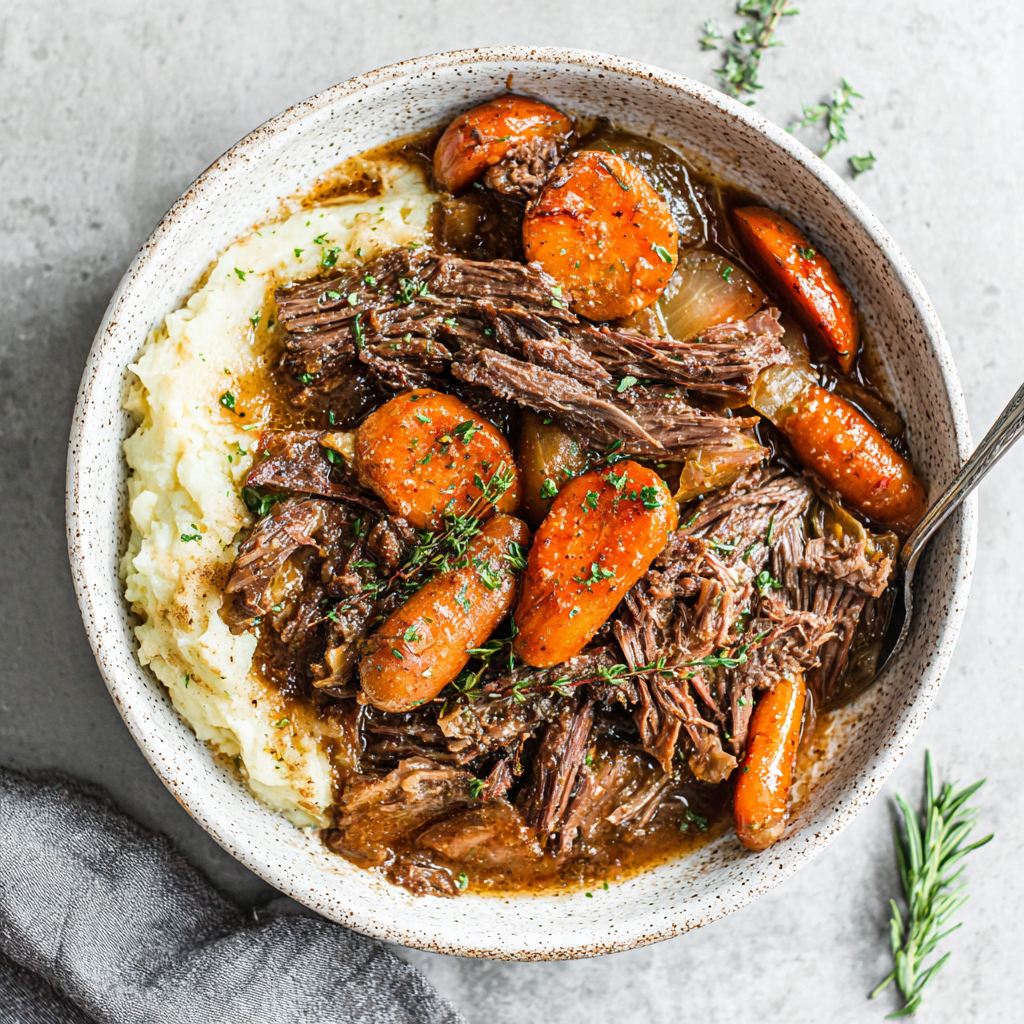
Step 8: Serve the pot roast with the vegetables and some of the cooking liquid ladled over the top.
Serving with the cooking liquid adds flavor and moisture back into the dish, while the vegetables provide a colorful and nutritious element. Enjoying it warm creates a cozy, inviting experience.

Why Chuck Roast Reigns Supreme for Pot Roasts
Chuck roast is an ideal cut for slow cooking due to its rich marbling and connective tissue. When heated gradually, these elements break down beautifully to create a tender and juicy dish. Unlike leaner cuts, the flavor and texture of chuck roast improve dramatically with low-and-slow cooking methods, ensuring that every bite is a delight.
Enhancing Flavors with Fresh Herbs
Using fresh herbs like thyme and rosemary transforms the pot pot roast from ordinary to extraordinary. As they infuse into the dish, they contribute layers of flavor that complement the beef and vegetables. These herbs not only enhance taste but also fill your kitchen with enticing aromas, making the cooking process an experience in itself.
Pairing Options to Elevate Your Meal
While pot pot roast is a stand-out on its own, pairing it with side dishes enhances the dining experience. Creamy mashed potatoes or a tangy coleslaw can provide a delightful contrast. Additionally, serving a light salad can balance the richness, making your meal truly satisfying and well-rounded.
FAQs
What can I do if my pot roast turns out too thick?
If your pot roast is too thick, simply add a little more beef broth or water to the pot to reach the desired consistency. Stir well and simmer for a few minutes to allow the flavors to meld.
What should I do if my pot pot roast tastes bland?
If the pot pot roast is bland, try adding more seasoning during cooking, like salt and pepper or a splash of Worcestershire sauce to enhance depth. Taste as you go for the best results.
Can I use different cuts of meat for this pot roast?
Yes, you can use other cuts like brisket or round, but cooking times may vary. Adjust according to the tenderness and fat content of the cut.
Why did my vegetables turn mushy?
If the vegetables are mushy, they may have been overcooked. To prevent this in future recipes, consider adding sturdier vegetables later in the cooking process.
Is there a recommended cooking time for a larger roast?
For a larger roast, increase the cooking time by about 30 minutes per additional pound. Monitoring for tenderness is key.
Can I add other vegetables to the pot roast?
Absolutely! Potatoes, parsnips, or turnips work well. Just ensure they're cut to similar sizes for even cooking.
Conclusion
Pot pot roast is a timeless dish that can bring comfort to any gathering and after a long day. Its combination of tender meat and rich flavors makes it a crowd favorite, and with just a few quality ingredients, it can easily become a staple in your cooking repertoire.
Embrace the slow-cooking process and take the time to enjoy this delicious meal with family and friends. As you savor each bite, you'll likely find that pot pot roast is more than just a recipe; it’s an experience filled with warmth and togetherness.
Recipe Card
Delicious Pot Pot Roast for Cozy Gatherings
Ingredients
Method
- Pat the chuck roast dry and season generously with salt and pepper on all sides.
- Heat olive oil in a large Dutch oven over medium-high heat, then sear the roast.
- Remove the roast and set aside; add onions, garlic, carrots, and celery to the pot.
- Add the beef broth, thyme, rosemary, and return the roast to the pot.
- Bring the mixture to a simmer, then cover and transfer to the oven.
- Bake in a preheated oven at 325°F (160°C) for approximately 3-4 hours, or until the meat is tender.
- Remove from the oven and let the roast rest for 10-15 minutes before slicing.
- Serve the pot roast with the vegetables and some of the cooking liquid ladled over the top.
Notes
Additional serving suggestions: pair with a crisp salad, garlic bread, or roasted seasonal vegetables for balance.
For make-ahead, prep components separately and assemble just before heating to preserve texture.
Taste and adjust with acid (lemon/vinegar) and salt right at the end to wake up flavors.