Introduction
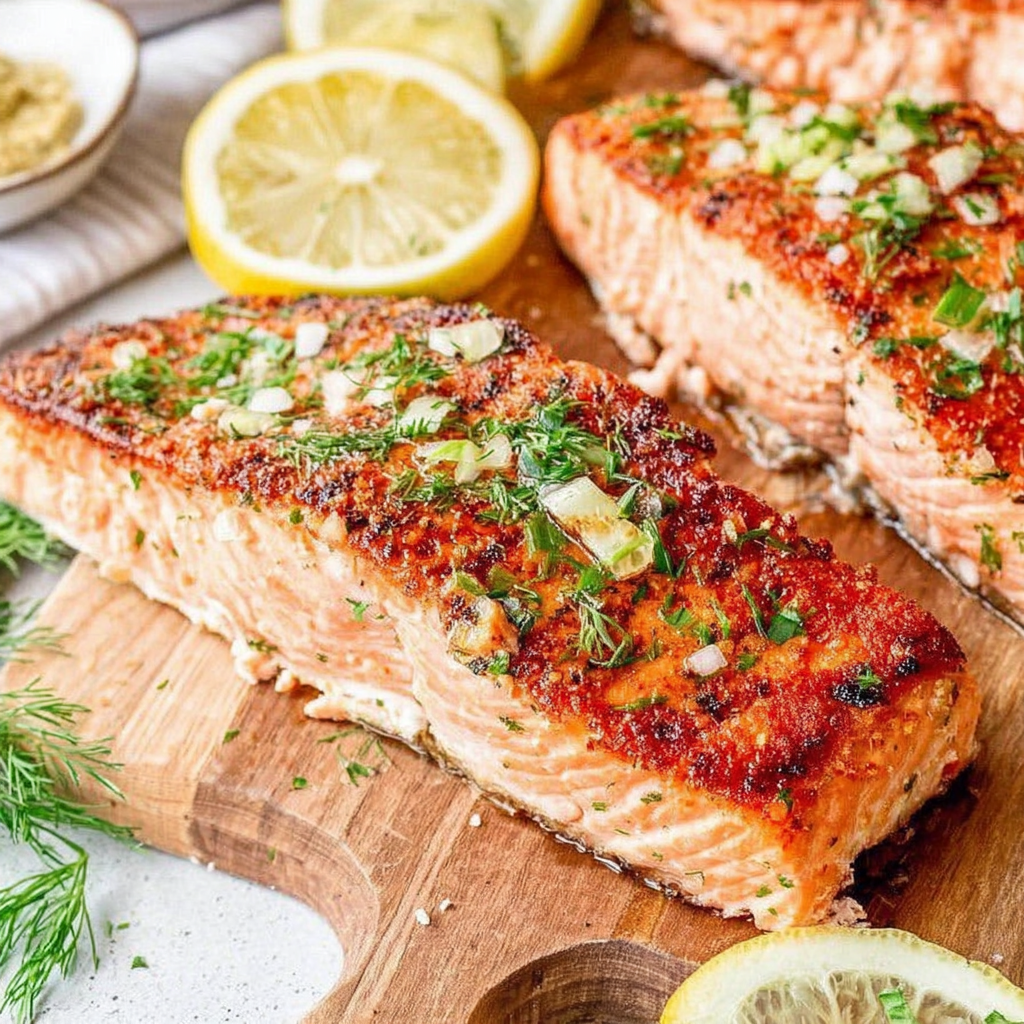
Salmon has long been celebrated for its incredible flavor and impressive nutritional profile. As a versatile fish, it effortlessly adapts to various cooking methods and ingredients, making it a favorite in kitchens around the world.
One standout feature of salmon is its high protein content, which not only satisfies hunger but also supports muscle repair and overall health. For home cooks, preparing high-protein salmon dishes can be both a delight and a rewarding experience.
In this article, we explore a flavorful salmon recipe that highlights the fish's natural richness while enhancing its protein benefits, all through simple yet vibrant ingredients.
Ingredients
- 4 salmon fillets (6 oz each)
Salmon is a protein powerhouse, providing about 40g of protein per serving. Its healthy fats, particularly omega-3 fatty acids, are essential for heart health. - 2 tbsp olive oil
A healthy source of fat that adds flavor and helps cook the salmon evenly, olive oil can also contribute to a golden, crispy exterior. - 2 cloves garlic, minced
Garlic enhances the taste profile of the dish with its aromatic qualities, while also providing health benefits due to its anti-inflammatory properties. - 1 lemon, zested and juiced
Both the zest and juice will add brightness and acidity, helping to balance the richness of the salmon and enhancing the overall flavor. - 1 tsp dried dill
Dill pairs excellently with salmon, providing a refreshing herbal note that complements the fish without overpowering it. - Salt and pepper to taste
Basic seasonings that elevate the natural flavor of the salmon, ensuring that each bite is delicious.
Directions & Preparation
Step 1: Preheat the oven to 400°F (200°C).
Preheating the oven ensures even cooking when you place the salmon inside. This temperature is ideal for achieving a crispy exterior while keeping the fish moist and tender.
Step 2: Prepare a baking sheet lined with parchment paper.
Using parchment paper not only prevents sticking but also makes cleanup easier. It allows the salmon to roast evenly without additional fat, keeping the dish healthier.
Step 3: In a small bowl, mix olive oil, garlic, lemon zest, lemon juice, dill, salt, and pepper.
Creating this marinade infuses the salmon with flavor. Garlic and dill enhance the profile while lemon adds brightness. Ensure the seasoning is well balanced to prevent overpowering the fish.
Step 4: Place the salmon fillets skin-side down on the baking sheet.
Positioning the fillets on the skin helps retain moisture, preventing them from drying out during cooking. Ensure they are spaced adequately for even heat circulation.
Step 5: Brush the marinade generously over each fillet.
This step allows the flavors to penetrate the salmon. Make sure to coat the fillets thoroughly, so each bite is flavorful and aromatic.
Step 6: Bake in the preheated oven for 12-15 minutes, depending on thickness.
Cooking times can vary based on the thickness of your fillets; typically, salmon is perfectly cooked at 145°F (63°C). You can check doneness by looking for flaky, opaque flesh.
Step 7: Remove from the oven and let it rest for a few minutes before serving.
Resting allows the juices to redistribute within the fish, ensuring each portion is moist and flavorful. This step is crucial for optimal texture.
Step 8: Serve with your choice of sides, garnished with extra lemon and dill if desired.
Pairing with fresh vegetables or grains enhances the nutritional value of your meal. A final sprinkle of lemon and dill adds visual appeal and flavor enhancement.

The Benefits of Omega-3 Fatty Acids
Salmon is rich in omega-3 fatty acids, which are known for supporting brain health and reducing inflammation in the body. Incorporating salmon into your diet can help maintain cardiovascular health and may lower the risk of chronic diseases. These healthy fats contribute not just to a balanced diet but also to overall well-being.
Creative Ways to Serve Salmon
Beyond the standard plating, consider creative presentations such as salmon tacos, wraps, or salad bowls. Using salmon in various culinary styles not only keeps meals exciting but also showcases its versatility. Incorporating fresh vegetables and whole grains with salmon can enhance the meal's nutritional profile and appeal.
Pairing Salmon with Seasonal Vegetables
Integrating seasonal vegetables with salmon not only enhances flavor combinations but also boosts nutritional content. Vegetables like zucchini, asparagus, or roasted root vegetables can add textures and colors to your plate, complementing the salmon well. This approach creates a balanced meal that's both visually appealing and satisfying.
FAQs
What should I do if the salmon tastes bland?
If your salmon lacks flavor, consider increasing the amount of marinade or seasoning before baking. Adding herbs like parsley or fresh lemon juice after cooking can also enhance the flavor.
How can I tell if my salmon is overcooked?
Overcooked salmon will appear dry and flaky, losing its natural moistness. It’s best to remove it from the oven when it is just opaque and easily flakes apart.
Can I use fresh herbs instead of dried dill?
Yes, fresh dill or even other herbs like thyme or parsley can elevate the flavors even further. Just use about three times the amount of fresh herbs compared to dried.
What if my marinade is too thick?
If your marinade is too thick, you can thin it with a tablespoon of water or additional lemon juice until it reaches the desired consistency for easy brushing on the salmon.
How can I make this recipe spicier?
For a spicier twist, you can add red pepper flakes or a dash of hot sauce to the marinade. Adjust the quantity to your heat preference.
What should I serve with the salmon for a complete meal?
Pairing salmon with a whole grain like quinoa or brown rice and a side of roasted vegetables provides a balanced meal rich in proteins, carbs, and vitamins.
Conclusion
Cooking high-protein salmon at home is a simple yet rewarding endeavor that showcases the fish's delightful flavors and nutritional benefits. By using fresh, vibrant ingredients, you can create a delicious and healthy dish that can easily become a staple in your cooking repertoire.
Whether you enjoy it baked, grilled, or incorporated into various meals, salmon remains an excellent choice for those looking to increase their protein intake while savoring a rich, flavorful dish.
Recipe Card
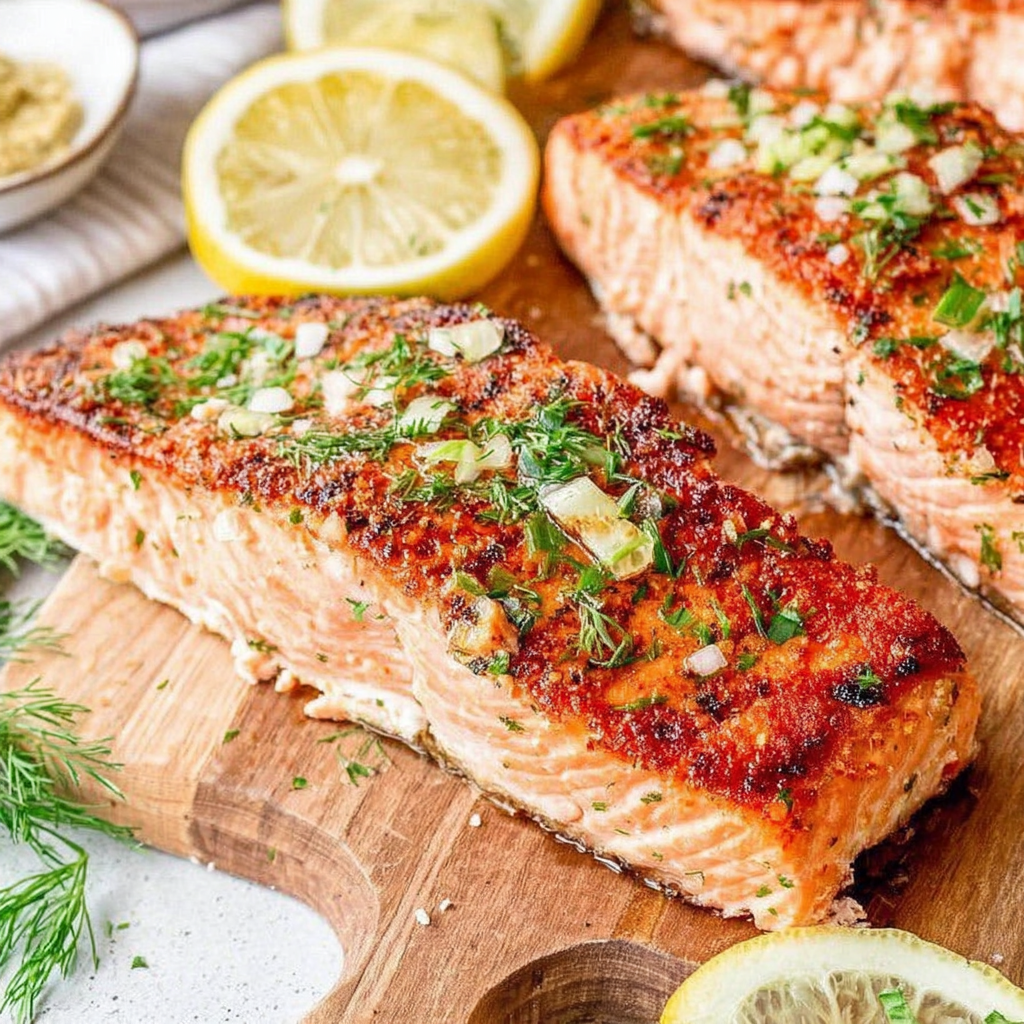
Deliciously High Protein Salmon Dishes for Home Cooks
Ingredients
Method
- Preheat the oven to 400°F (200°C).
- Prepare a baking sheet lined with parchment paper.
- In a small bowl, mix olive oil, garlic, lemon zest, lemon juice, dill, salt, and pepper.
- Place the salmon fillets skin-side down on the baking sheet.
- Brush the marinade generously over each fillet.
- Bake in the preheated oven for 12-15 minutes, depending on thickness.
- Remove from the oven and let it rest for a few minutes before serving.
- Serve with your choice of sides, garnished with extra lemon and dill if desired.
Notes
Additional serving suggestions: pair with a crisp salad, garlic bread, or roasted seasonal vegetables for balance.
For make-ahead, prep components separately and assemble just before heating to preserve texture.
Taste and adjust with acid (lemon/vinegar) and salt right at the end to wake up flavors.